Understanding the price of super seeder is critical for modern farmers looking to optimize their crop residue management while ensuring timely sowing. As global agriculture shifts toward conservation tillage to preserve soil health and moisture, the investment in high-efficiency seeding equipment has become a cornerstone of sustainable farming.
The market volatility of raw materials and the integration of precision farming technologies mean that the price of super seeder can vary significantly based on capacity, durability, and the specific agricultural needs of the region. For many, this cost is not merely an expense but a strategic investment in reducing labor and fuel costs.
By analyzing the components that drive the price of super seeder, growers can make informed decisions that balance immediate capital expenditure with long-term yield improvements. This guide explores the economic and technical factors that define the value of these essential machines in today's agricultural landscape.
Global Market Influence on Super Seeder Pricing
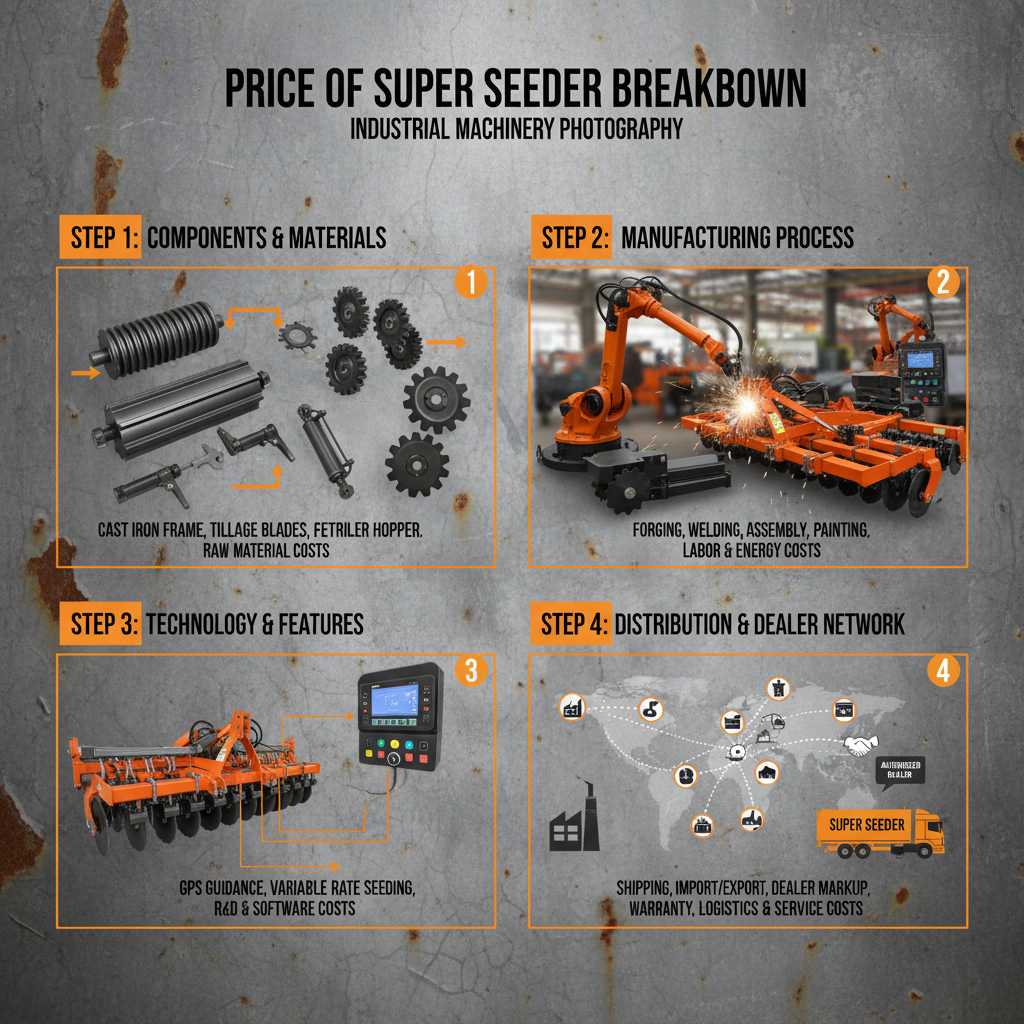
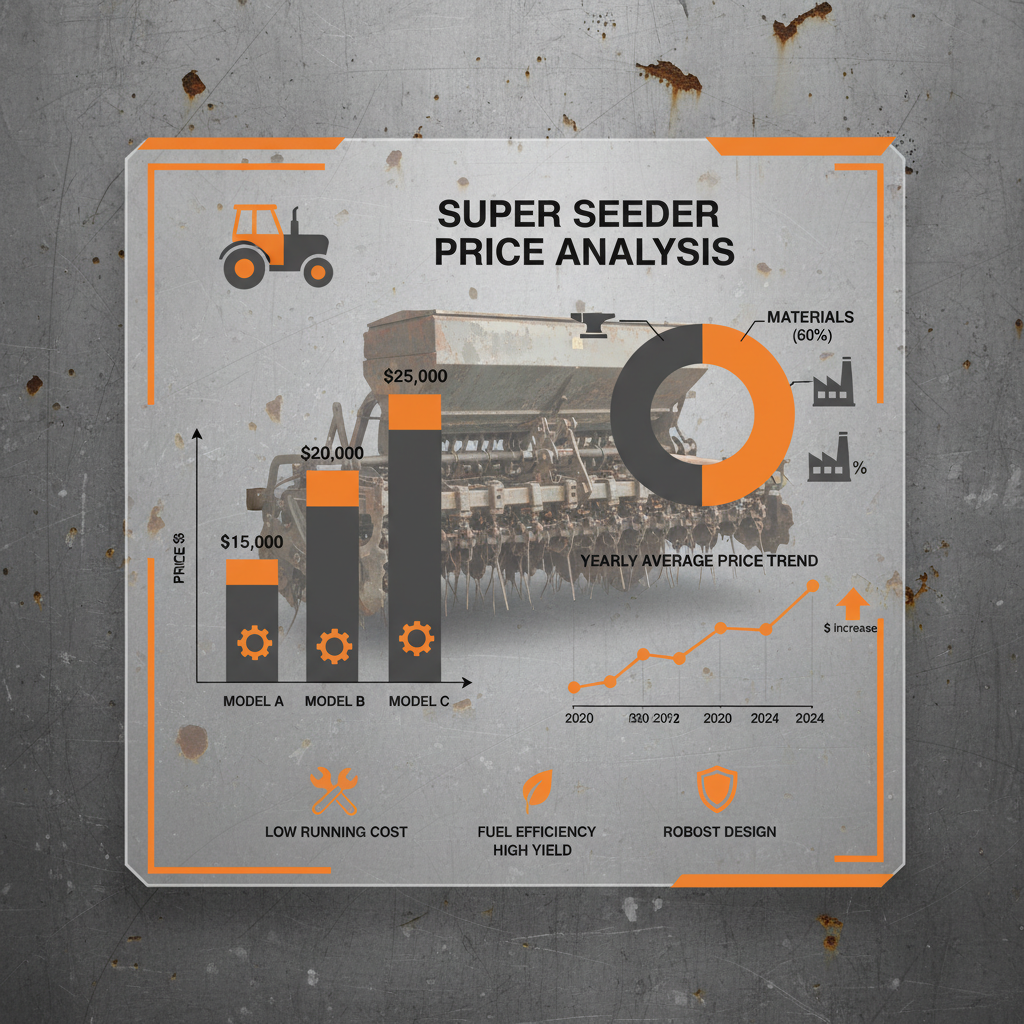
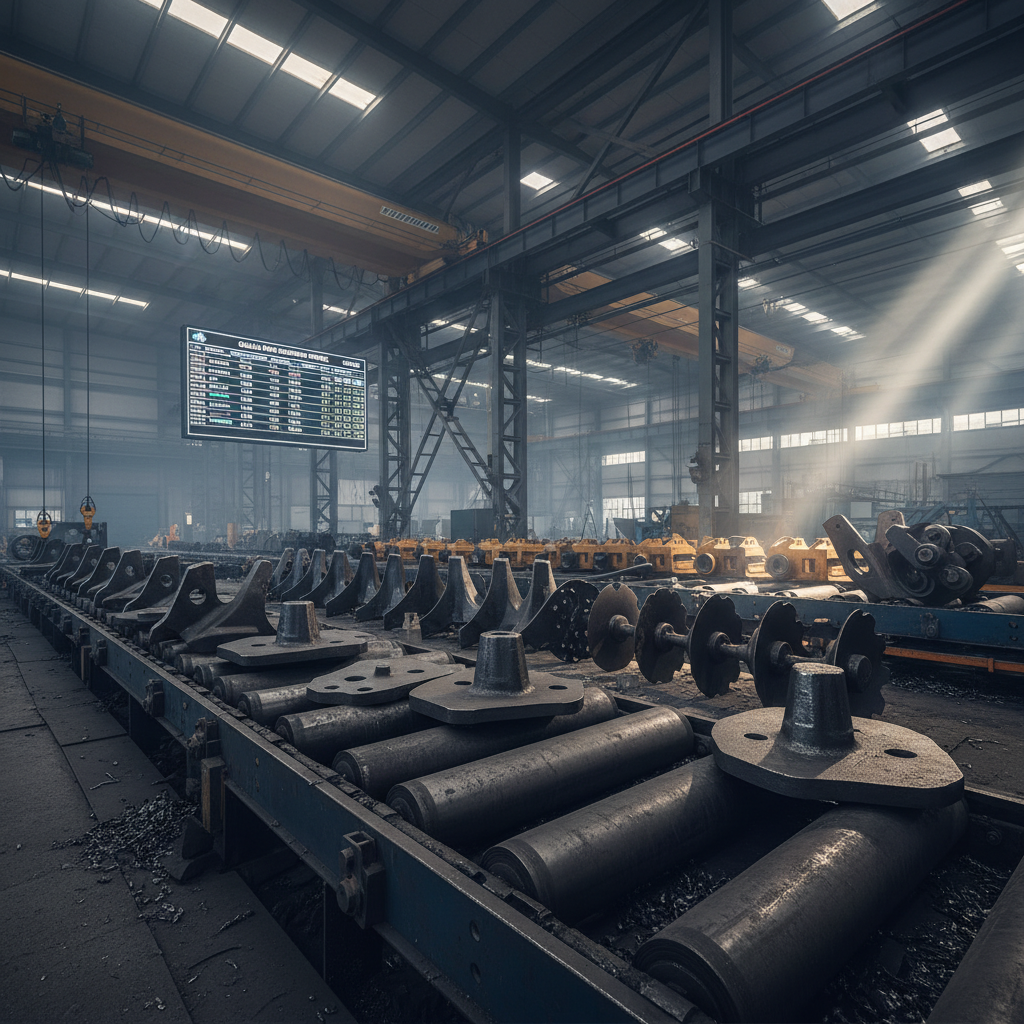
The price of super seeder is heavily influenced by global economic shifts, particularly the cost of high-grade steel and specialized alloys used in the discs and frames. With the World Bank noting increased volatility in industrial metal prices, manufacturers often adjust their pricing to reflect these overheads, making the timing of purchase a key factor for farm profitability.
Furthermore, international trade policies and subsidies for conservation agriculture play a significant role. In regions where governments incentivize "no-till" farming to combat soil erosion, the effective price of super seeder is often lowered through grants, encouraging widespread adoption of technology that would otherwise be prohibitively expensive for small-scale farmers.
Technical Specifications Driving the Cost
When evaluating the price of super seeder, one must look at the structural integrity and the grade of materials used. Higher-priced models typically feature boron steel or tungsten-carbide coatings on the tillage discs, which drastically extend the lifespan of the machine in abrasive soils, reducing the long-term cost of replacement parts.
The complexity of the seed metering system also dictates the cost. Basic gravity-fed systems are more affordable, but precision pneumatic seeders—which ensure exact spacing and depth—increase the price of super seeder. However, this added cost is often offset by the reduction in seed wastage and the subsequent increase in crop yield.
Lastly, the scale of the machine, including the number of rows and the capacity of the seed hopper, directly impacts the final quote. A wider machine covers more acreage per hour, reducing labor costs, but requires a more robust frame and a more powerful tractor, creating a holistic cost equation that the farmer must calculate carefully.
Defining Value in Seeding Equipment Investment
To truly understand the price of super seeder, we must differentiate between "price" and "value." While the initial purchase price is a capital outflow, the value is found in the elimination of multiple field operations, such as separate plowing and sowing, which saves significant time during the critical sowing window.
A competitive price of super seeder should reflect a balance of durability and efficiency. When a machine is engineered to handle heavy crop residue without clogging, it prevents costly downtime, ensuring that the agricultural calendar is strictly adhered to, which is vital for maximum harvest potential.
Investing in a mid-to-high range model often provides a better Return on Investment (ROI). While the price of super seeder may be higher upfront, the reduction in fuel consumption and the preservation of soil organic matter create a sustainable economic loop for the farm's future.
Cost Efficiency and Operational Performance
The operational efficiency of a super seeder is the primary metric used to justify its price. By combining tillage and seeding into one pass, farmers can reduce diesel consumption by up to 30-40% compared to traditional methods. This operational saving effectively lowers the "real" price of super seeder over the first few seasons of use.
Moreover, the reduction in soil compaction due to fewer passes preserves the soil's natural structure, enhancing water infiltration and root growth. This biological advantage translates into higher yields, further amortizing the initial cost of the machinery and proving that high-quality equipment pays for itself.
Operational Value Analysis by Super Seeder Tier
Regional Applications and Economic Impact
Across different geographical zones, the price of super seeder is viewed through the lens of local soil conditions. In the heavy clay soils of Central Asia or the residue-heavy fields of North America, a more rugged, heavy-duty super seeder is required, which naturally increases the purchase price but prevents frequent mechanical failures.
In emerging agricultural markets, the introduction of shared-economy models—where a community of farmers shares one high-capacity machine—has made the price of super seeder manageable. This collective approach allows smallholders to benefit from industrial-grade technology without bearing the full financial burden individually.
Long-Term Financial Advantages of Super Seeders
When calculating the total cost of ownership, the price of super seeder must be compared against the cost of traditional land preparation. Traditional methods involve multiple passes with harrows and plows, each requiring fuel, operator wages, and tractor wear. A super seeder consolidates these, leading to a rapid payback period.
Sustainability also adds a financial layer. By maintaining crop residue on the surface, these machines reduce the need for expensive chemical fertilizers and irrigation, as the soil retains moisture and nutrients more effectively. This "hidden" saving reduces the operational overhead, making the initial price of super seeder a wise long-term hedge against rising input costs.
Finally, the resale value of a well-maintained, high-quality super seeder remains strong. Machines built with premium materials hold their value better in the second-hand market, meaning the net cost over a decade of use is significantly lower than the initial sticker price suggests.
Future Innovations and Pricing Trends
The future of the price of super seeder will be shaped by the integration of IoT and AI. Automated depth control and variable rate seeding are becoming standard in high-end models. While these features increase the upfront cost, they optimize seed placement to the millimeter, drastically improving yield consistency across varying soil types.
We are also seeing a shift toward lightweight, high-strength composite materials. These innovations aim to reduce the price of super seeder by lowering manufacturing costs and reducing the horsepower requirement of the tractor, making the equipment more accessible to a broader range of farmers.
As carbon credit markets evolve, the ability to prove "no-till" practices could provide farmers with a new revenue stream. In this scenario, the investment in a super seeder becomes a prerequisite for earning carbon offsets, transforming the price of super seeder from a cost into a revenue-generating asset.
Comparative Analysis of Super Seeder Pricing and Performance Factors
| Model Category |
Price Range Index |
Durability Score (1-10) |
ROI Period (Years) |
| Entry-Level Mechanical |
Low |
5 |
3-4 |
| Mid-Range Reinforced |
Moderate |
7 |
2-3 |
| Professional Heavy-Duty |
High |
9 |
2 |
| Precision AI-Integrated |
Premium |
8 |
1.5-2 |
| Custom Large-Scale |
Variable |
10 |
2-3 |
| Eco-Light Composite |
Moderate |
6 |
3 |
FAQS
The most influential factors include the quality of steel used for discs, the sophistication of the seed metering system (mechanical vs. pneumatic), the width of the machine, and the integration of electronic precision sensors. Higher-grade materials and automation increase the upfront cost but lower the long-term maintenance expense.
Yes, in most cases. By combining multiple field operations into a single pass, farmers can reduce fuel consumption by 30% to 40%. When combined with reduced labor hours and less wear and tear on the tractor, the operational savings typically offset the higher initial investment within a few seasons.
Automatic models, featuring hydraulic depth control and automated seed adjustment, generally cost 20-50% more than manual versions. However, they offer superior seed placement and reduce human error, leading to more uniform crop emergence and higher overall yields per acre.
Many governments provide subsidies or low-interest loans for "Conservation Agriculture" or "No-Till" equipment. Depending on your region, you may be eligible for grants that cover a significant percentage of the cost, as these machines help prevent soil erosion and sequester carbon.
Often, yes. Budget models may use lower-grade steel that wears down faster in rocky or abrasive soils, leading to more frequent disc replacements. Investing in a mid-to-high range model usually results in lower annual maintenance costs and a higher resale value.
Calculate your total costs for traditional sowing (fuel + labor + tractor depreciation + seed waste) and subtract the costs of using a super seeder. Divide the initial purchase price by these annual savings to determine how many years it takes for the machine to pay for itself.
Conclusion
In summary, the price of super seeder is not a static number but a reflection of material quality, technological integration, and operational capacity. While the initial capital expenditure can be significant, the transition to combined tillage and seeding offers undeniable advantages in fuel efficiency, labor reduction, and soil health preservation. By focusing on the total cost of ownership rather than just the sticker price, farmers can secure a sustainable and profitable future for their land.
As the agricultural industry moves toward a more digital and eco-conscious era, the value proposition of the super seeder will only increase. We recommend that growers evaluate their specific soil needs and long-term yield goals before selecting a model. For those looking to invest in high-performance seeding solutions that balance cost and durability, we invite you to explore our professional range. Visit our website: www.langningam.com