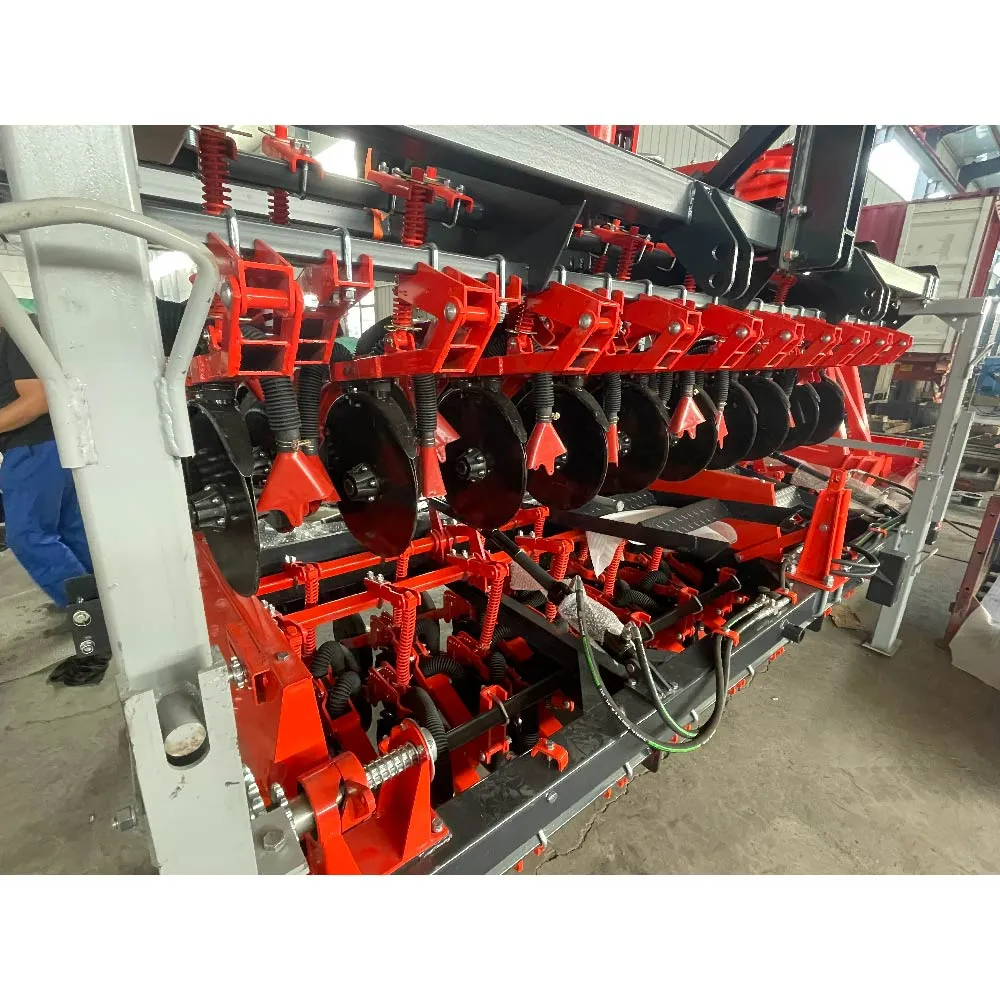
Product Description
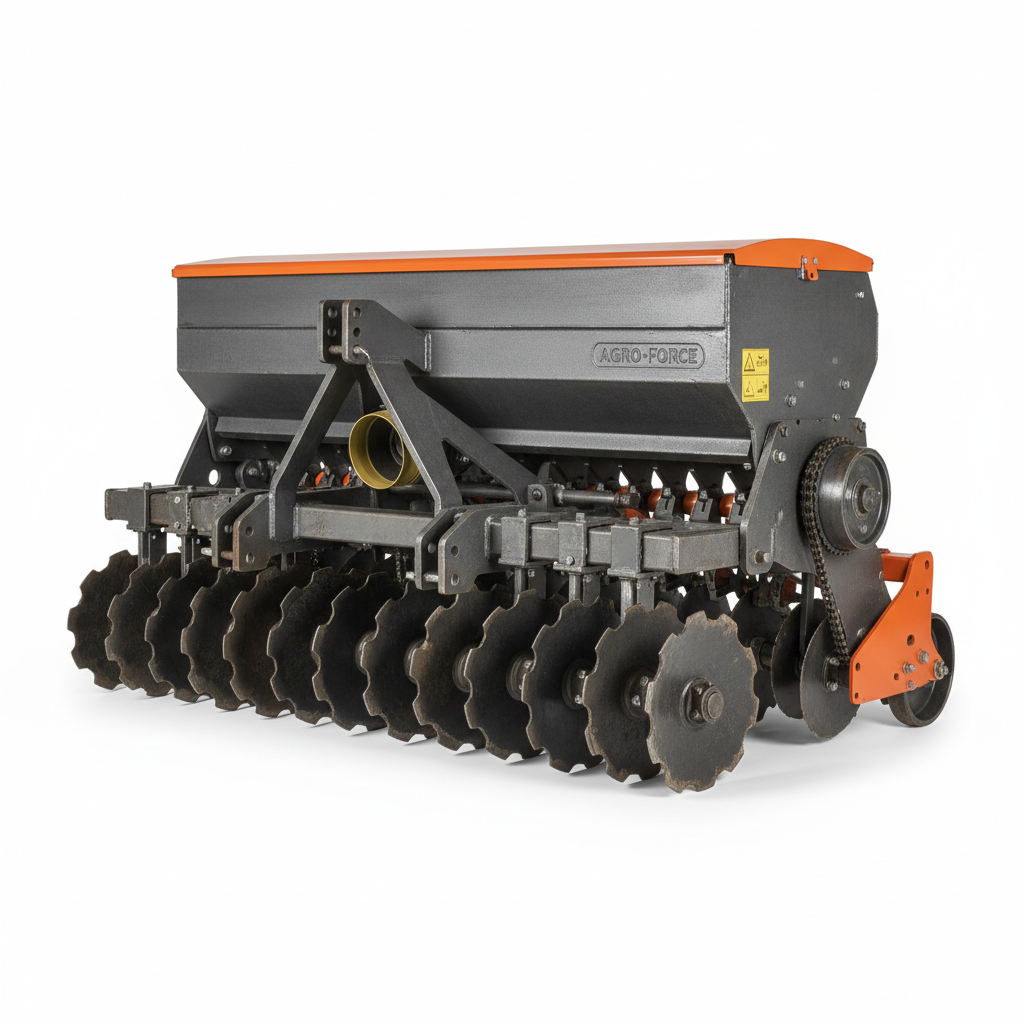
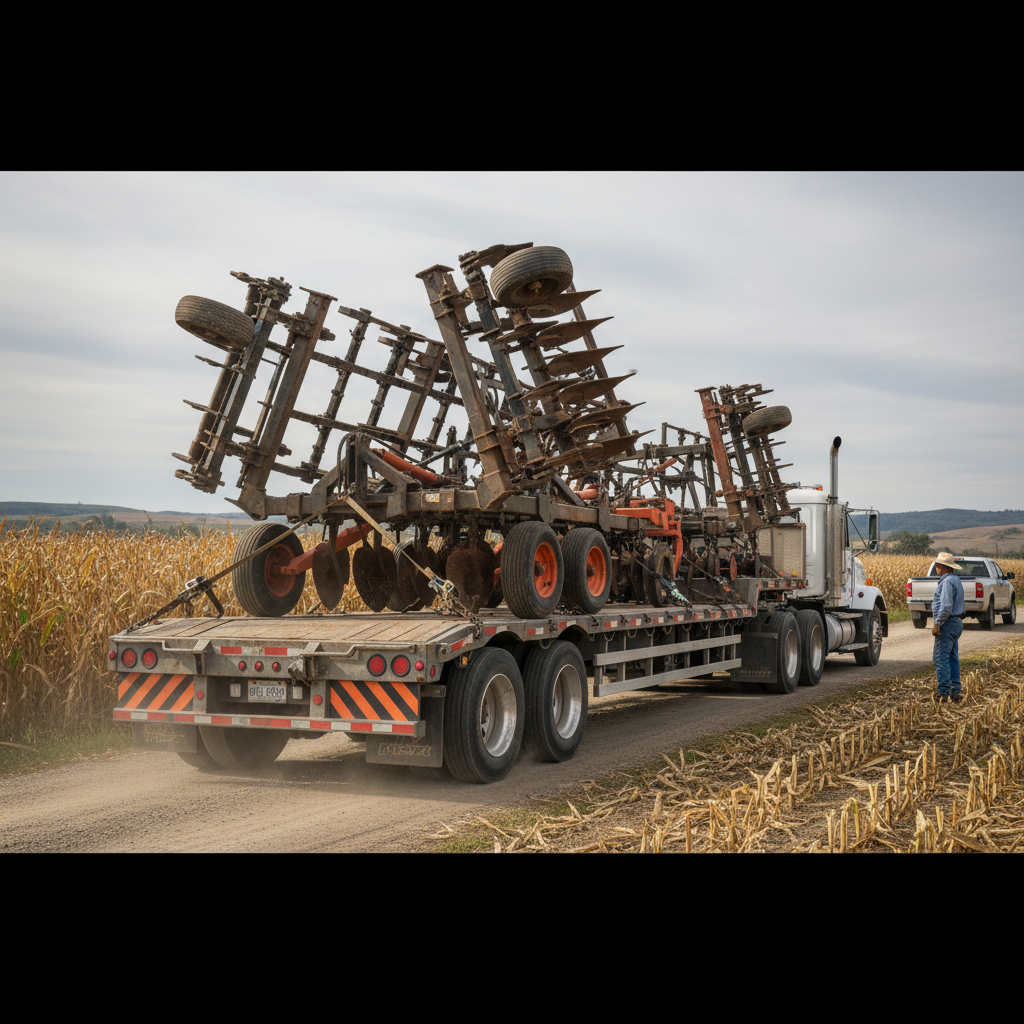
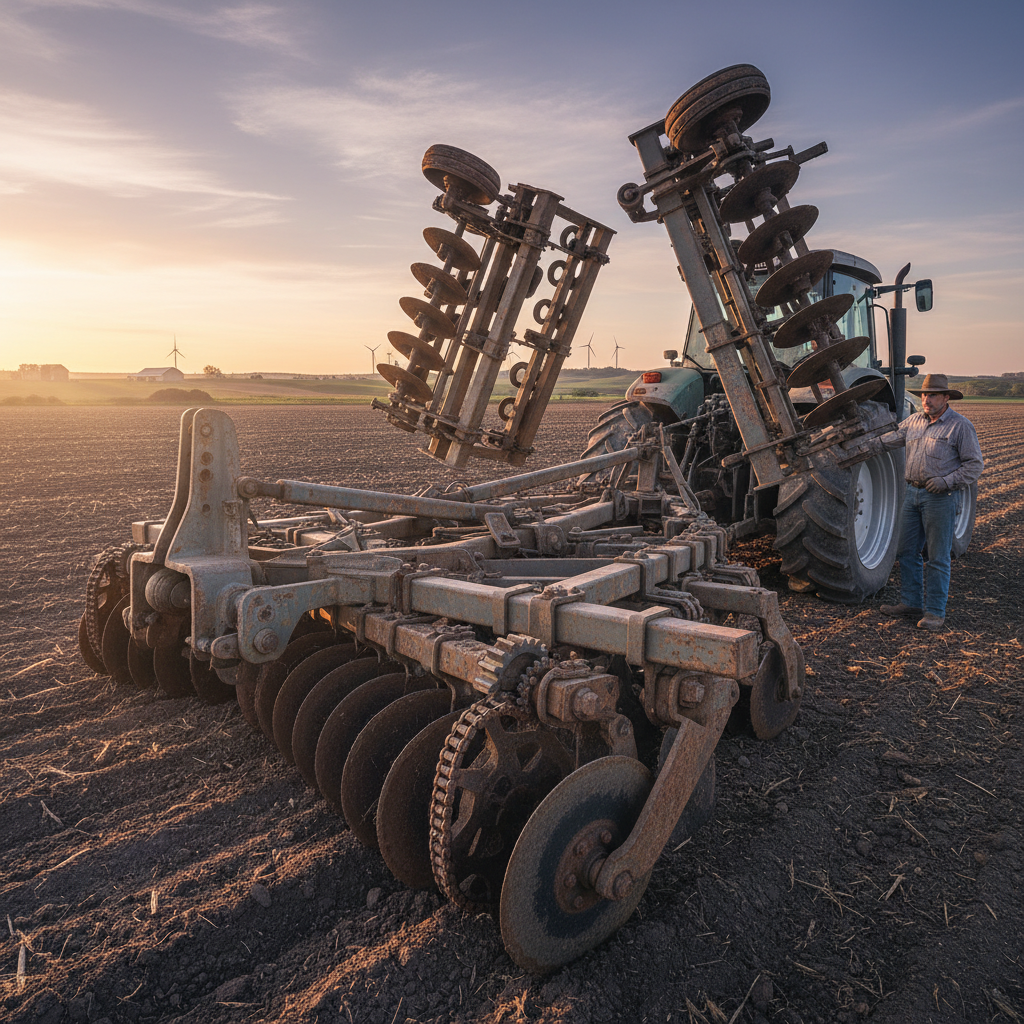
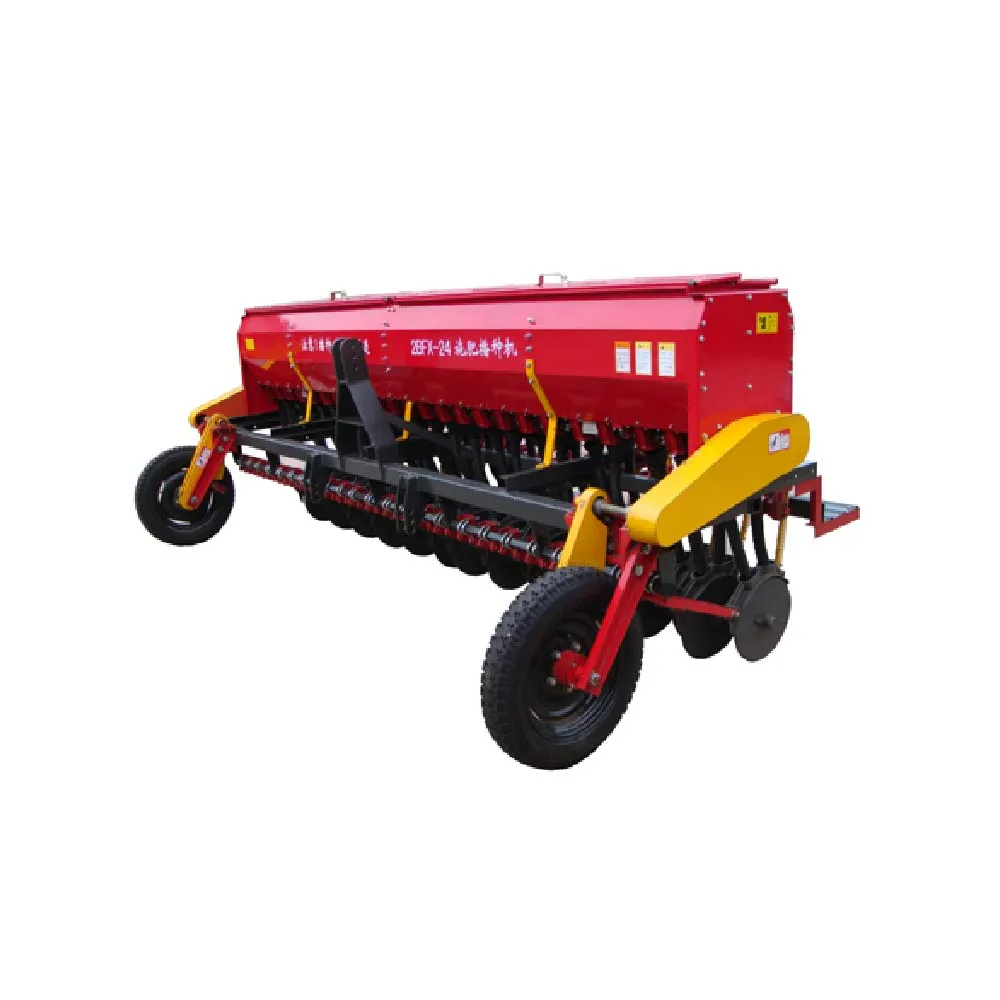
The Grain Seeder is a cutting-edge agricultural machine engineered to streamline and optimize the process of sowing various grain crops, including wheat, corn, rice, barley, and oats. Designed for both small-scale family farms and large commercial agricultural operations, this equipment integrates advanced technology with user-friendly features to ensure precise, consistent, and efficient seed placement.
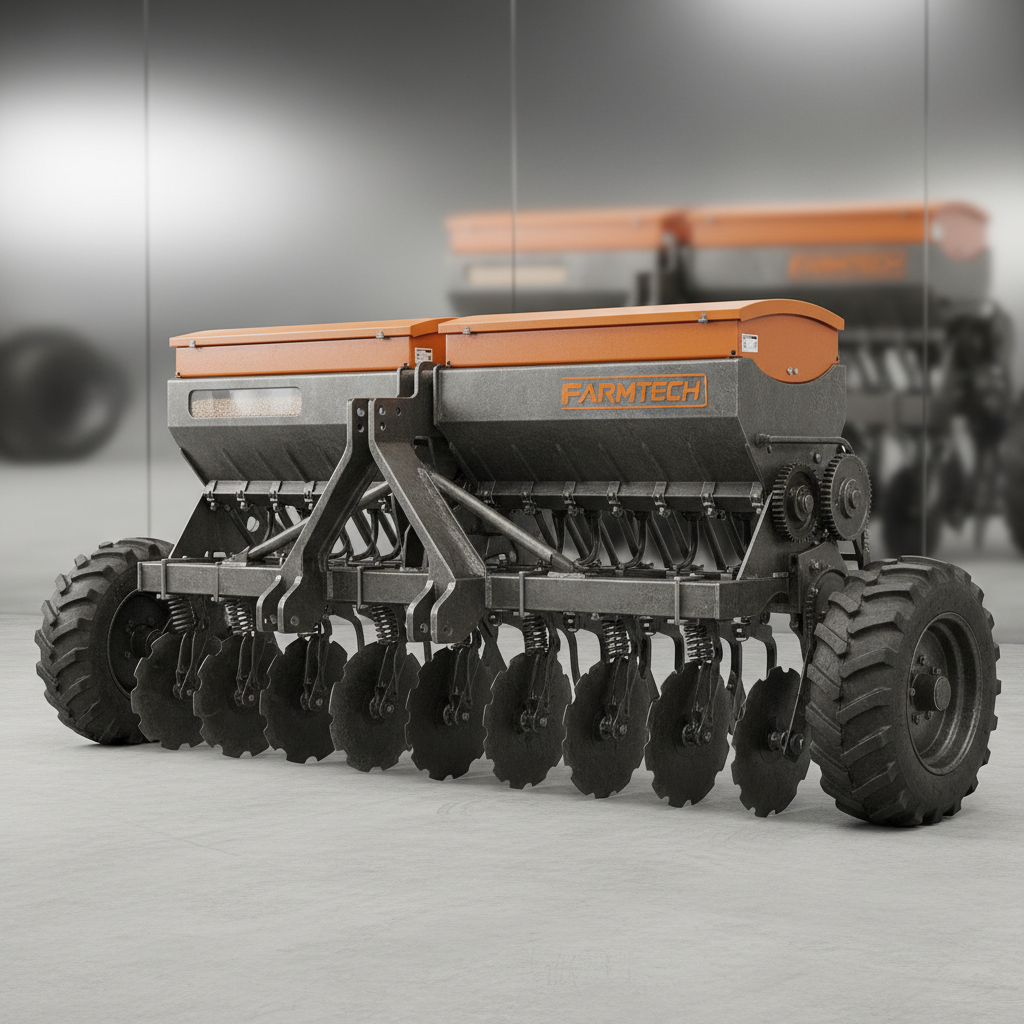
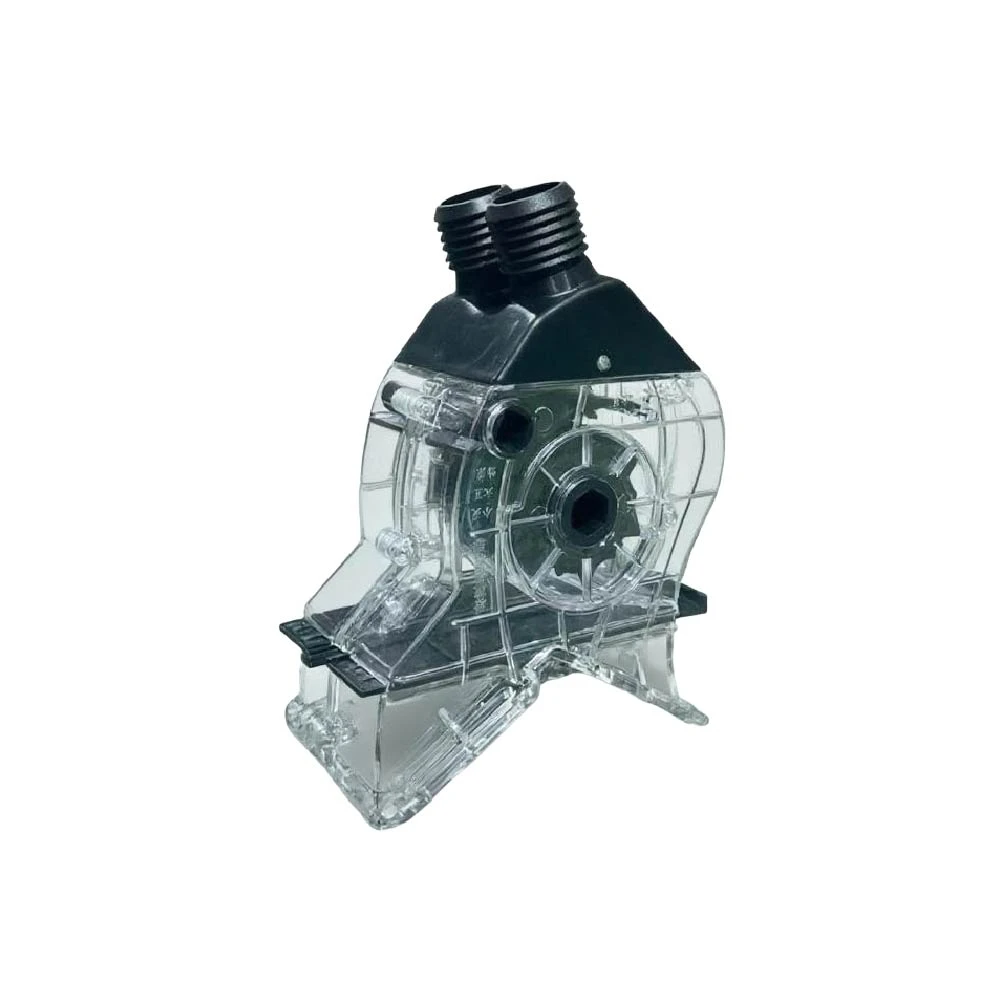
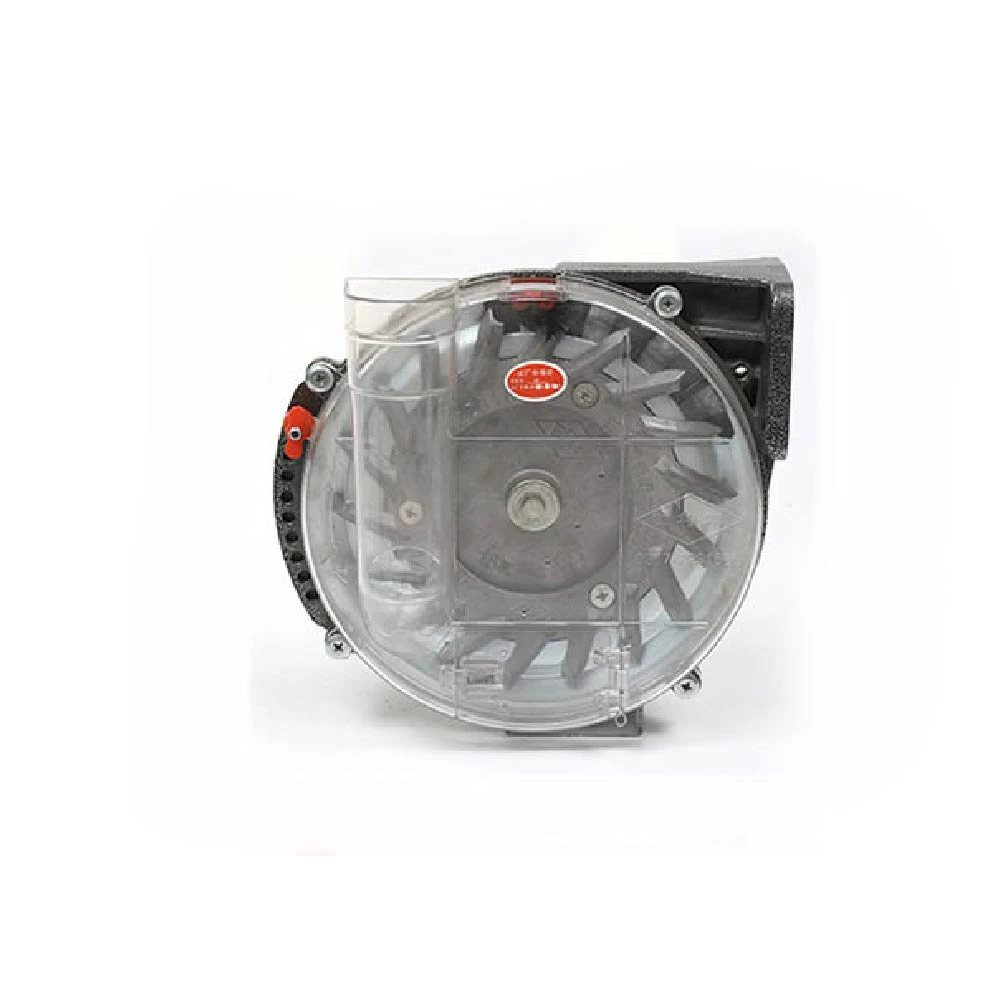
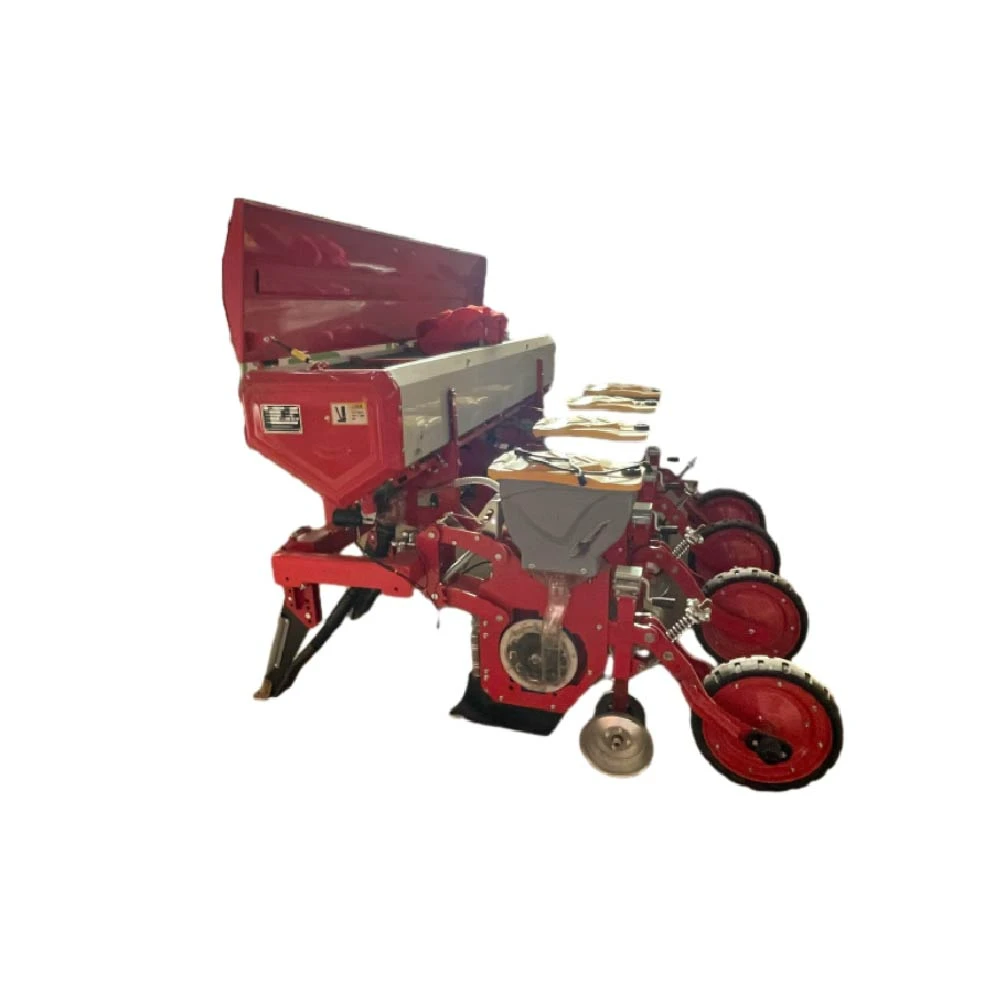
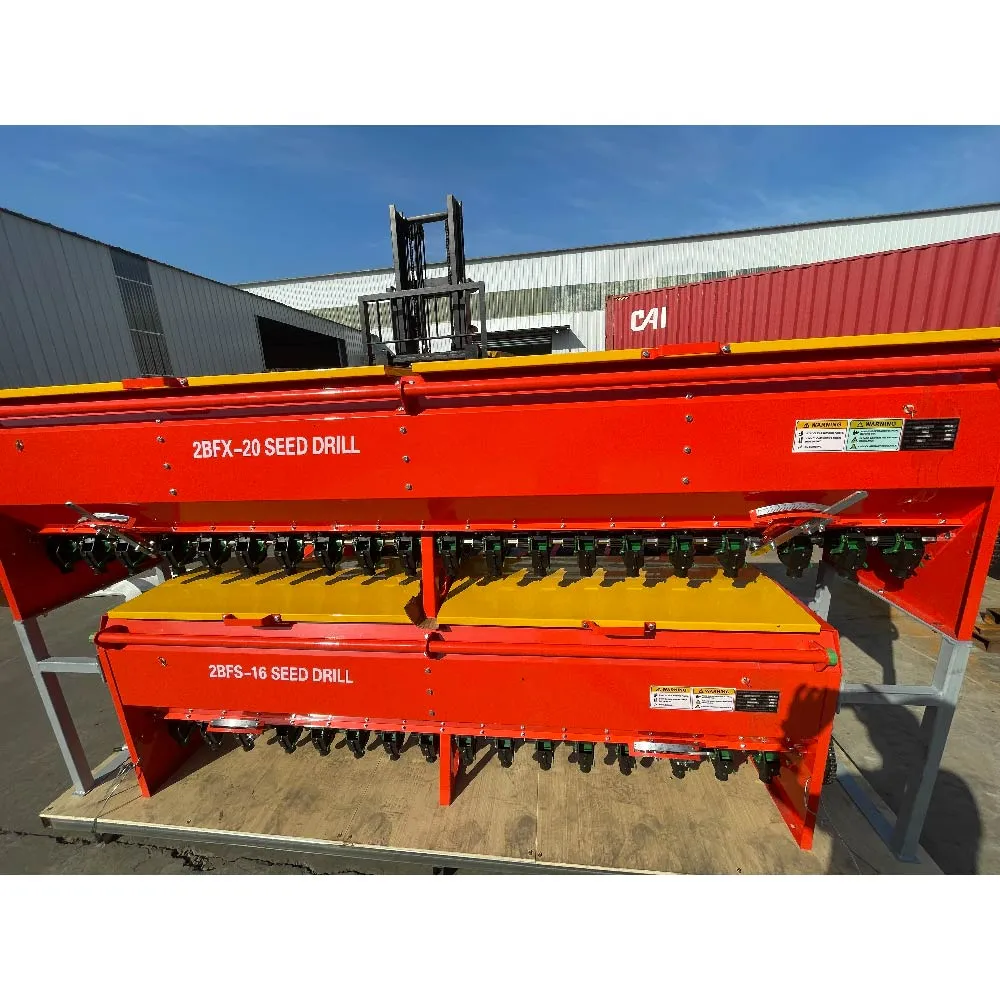
At its core, the Grain Seeder consists of a durable, corrosion-resistant frame constructed from high-grade steel, ensuring longevity even in harsh field conditions—from muddy soil after heavy rains to dry, dusty environments. The machine is equipped with a large-capacity seed hopper, ranging from 50 to 200 liters depending on the model, which minimizes the need for frequent refilling and reduces downtime during sowing. A sophisticated metering system lies at the heart of the seeder: it uses adjustable gears or electronic controls (in premium models) to regulate the seed flow, allowing farmers to set the exact seeding rate—typically between 5 and 30 kilograms per hectare—based on the specific crop type, soil quality, and local agricultural best practices.
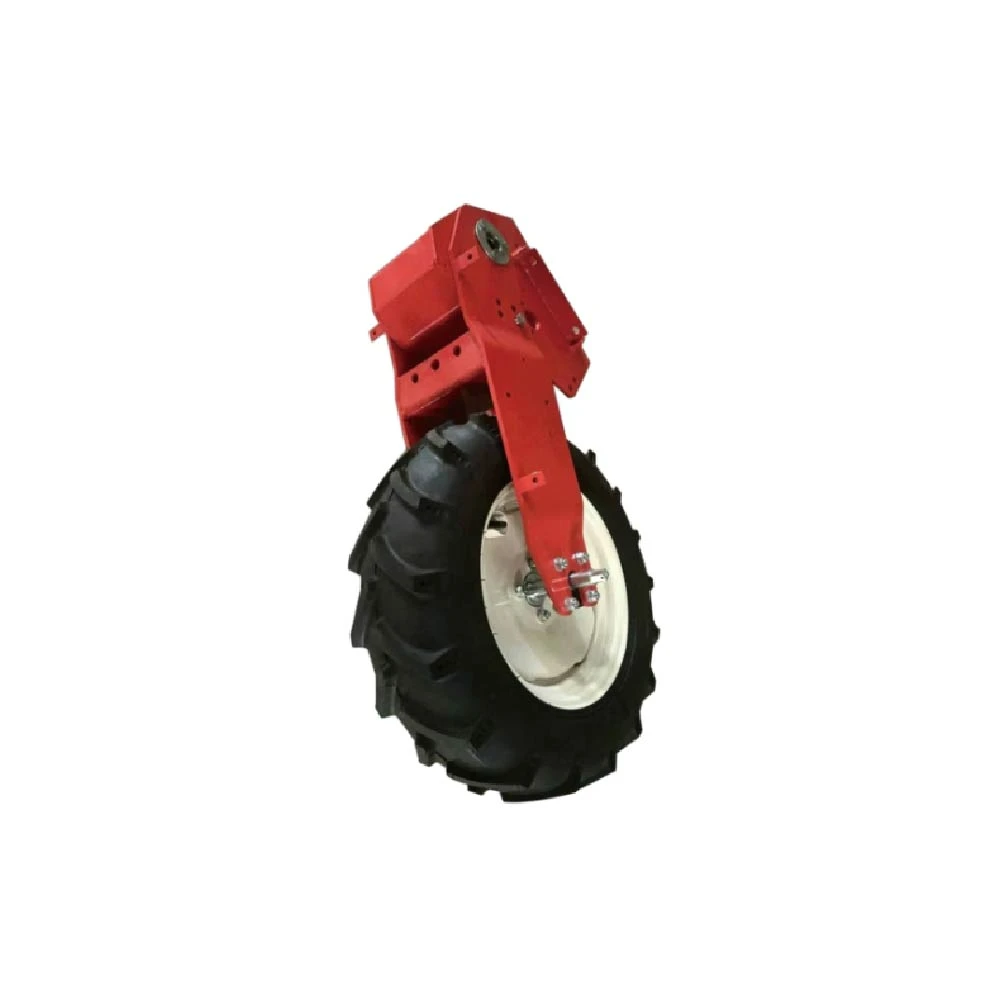
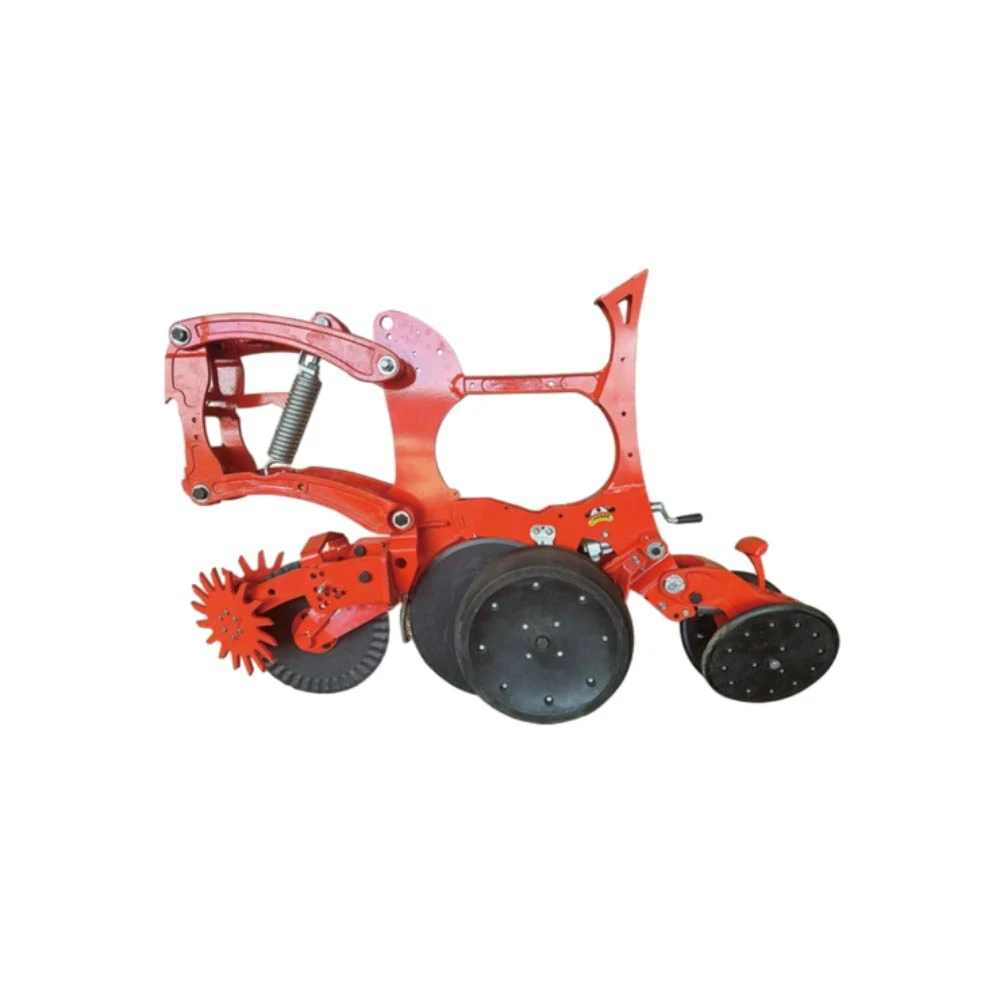
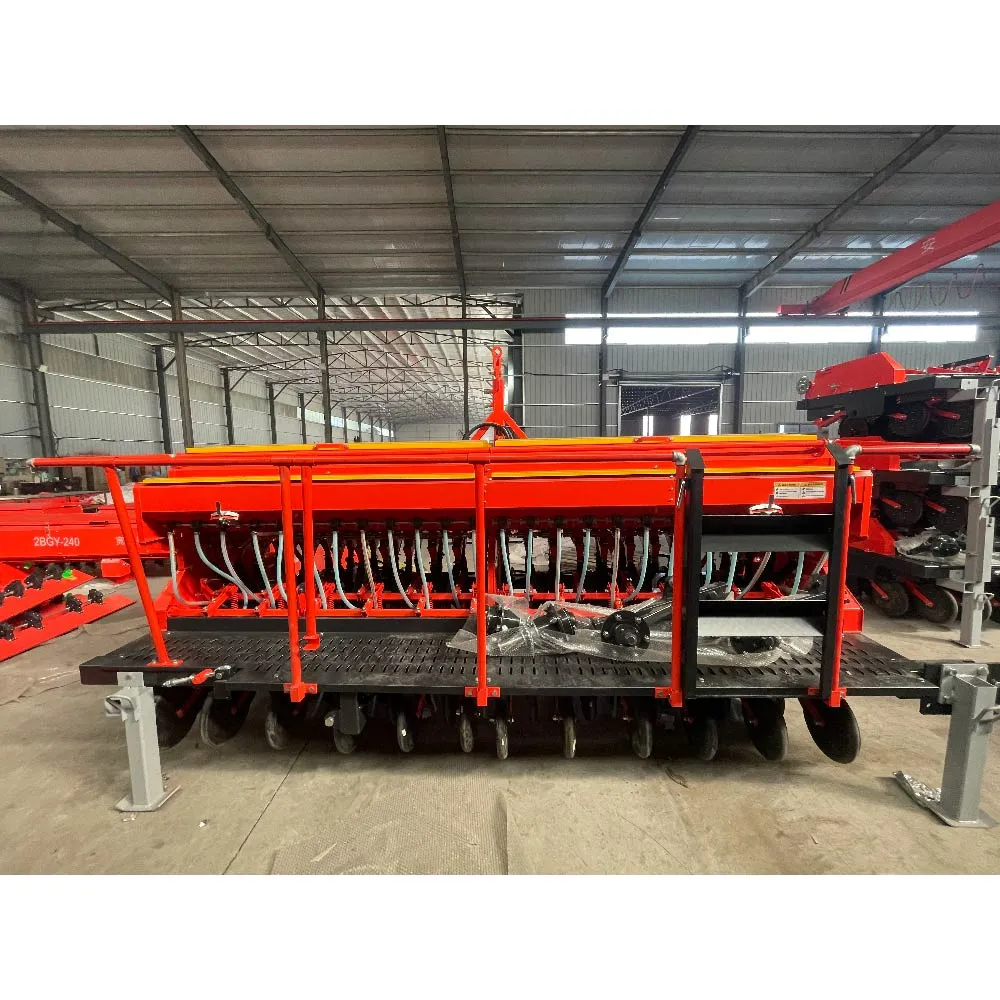
To ensure optimal seed-to-soil contact, the Grain Seeder features a set of precision sowing discs or tines that create uniform furrows in the soil, followed by a covering mechanism (such as press wheels or harrows) that gently covers the seeds with the right amount of soil. This not only protects the seeds from birds and harsh weather but also promotes faster germination by maintaining consistent soil moisture around the seeds. Many modern models are compatible with tractors of various horsepower (ranging from 20 HP for small models to 100+ HP for large, multi-row units) and can be easily attached via a three-point hitch, making them highly versatile across different farm setups. Additionally, some advanced versions come with GPS integration and digital displays, enabling farmers to monitor seeding progress, track coverage areas, and adjust settings in real time, further enhancing accuracy and reducing waste.
Product Short Description
The Grain Seeder is a high-performance agricultural tool that delivers precise, efficient sowing for a wide range of grain crops. With its durable build, adjustable seeding rates, and compatibility with most tractors, it simplifies sowing tasks, reduces seed waste, and boosts germination rates—ideal for farms seeking to improve productivity and cut operational costs.
Product Advantages
1.Exceptional Precision and Reduced Seed Waste: Unlike traditional manual sowing or outdated seeders, the Grain Seeder’s advanced metering system ensures that seeds are distributed evenly at the exact desired rate. This eliminates over-sowing (which wastes expensive seeds) and under-sowing (which leads to patchy crop growth and lower yields). In field tests, farmers using the Grain Seeder reported a 15-25% reduction in seed waste compared to conventional methods, translating to significant cost savings over a single growing season.
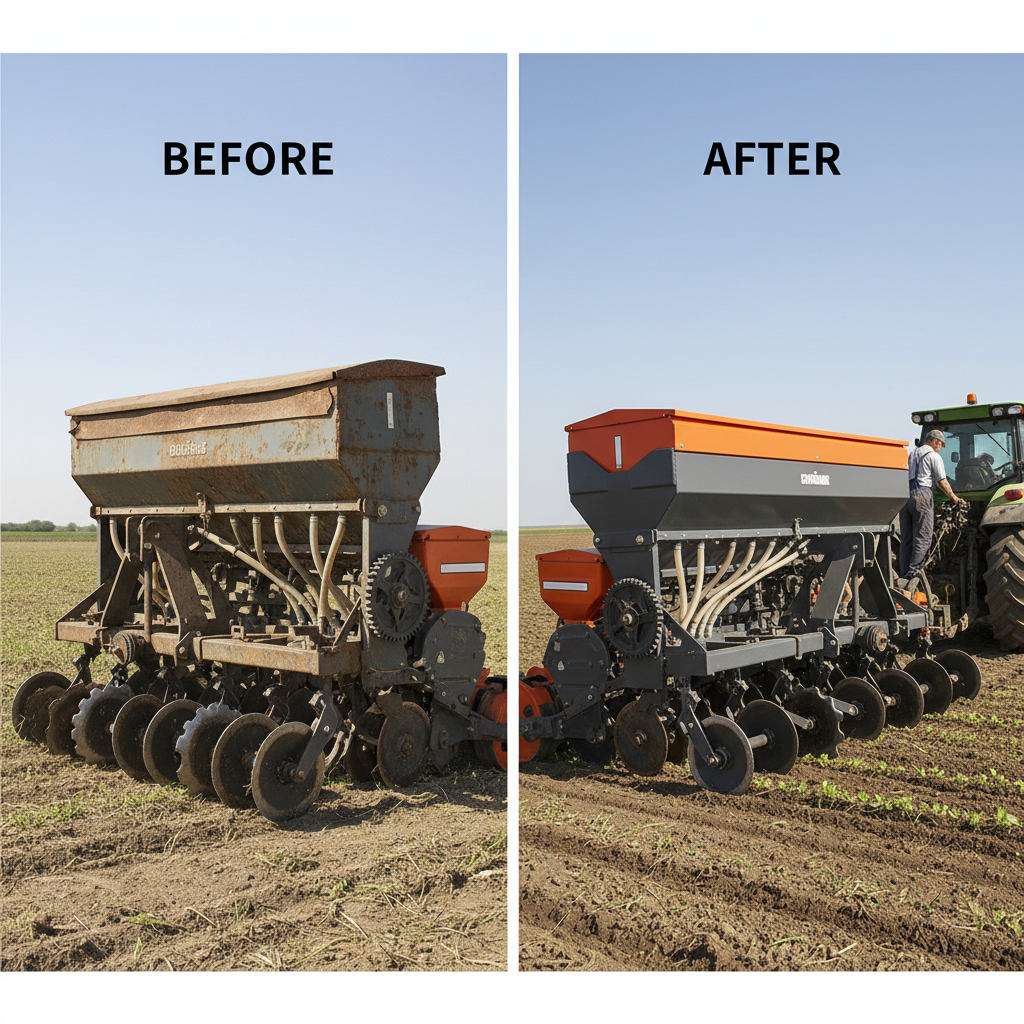
2.Durability and Long-Term Reliability: Constructed from heavy-duty steel and treated with anti-rust coatings, the Grain Seeder is built to withstand the rigors of daily farm use. The sowing discs and tines are made from hardened steel, resisting wear even when used on rocky or compacted soil. This durability means the machine requires minimal maintenance and has a lifespan of 8-12 years—far longer than cheaper, plastic-based alternatives—providing farmers with a long-term return on investment.
3.Versatility Across Crops and Farm Sizes: The Grain Seeder is highly adaptable, supporting sowing for all major grain crops, from small-seeded crops like wheat to larger seeds like corn. Its adjustable seeding rate and row spacing (most models offer row spacing options from 15 to 45 centimeters) allow it to be customized for different crop requirements and soil types. Furthermore, with models ranging from 2-row units for small farms to 12-row units for large commercial operations, there is a Grain Seeder to suit every farm’s needs, eliminating the need to invest in multiple specialized machines.
4.Time and Labor Savings: Manual sowing is labor-intensive and time-consuming, often requiring multiple workers to cover a small area. The Grain Seeder, when attached to a tractor, can cover 1-3 hectares per hour (depending on the model and tractor speed), reducing the time needed to complete sowing tasks by 70-80%. This not only frees up labor for other critical farm activities (such as fertilization or pest control) but also allows farmers to complete sowing within the optimal planting window—even during busy seasons—ensuring crops have the best chance to thrive.
5.Enhanced Germination and Yield Potential: By ensuring uniform seed depth and optimal seed-to-soil contact, the Grain Seeder creates ideal conditions for seed germination. The covering mechanism prevents seeds from being exposed to extreme temperatures or predators, while the consistent spacing reduces competition between young plants for nutrients, water, and sunlight. Farmers using the Grain Seeder have reported a 10-18% increase in germination rates, which directly translates to higher crop yields at harvest time. Additionally, the even crop stand makes subsequent tasks like weeding and harvesting easier and more efficient.
1: How to Choose the Right Grain Seeder for Your Farm: Key Factors to Consider
Selecting the appropriate Grain Seeder is critical to maximizing its benefits, as the wrong model can lead to inefficiencies, wasted money, and subpar crop performance. Several key factors should guide this decision, starting with farm size and crop type. Small-scale farms (less than 5 hectares) may benefit from a compact 2-4 row seeder, which is easier to maneuver in tight spaces and requires a lower-horsepower tractor. In contrast, large commercial farms (50+ hectares) will need a high-capacity 8-12 row model to cover large areas quickly. Crop type also matters: for small seeds like barley, a seeder with a fine metering system is essential, while larger seeds like corn may require a seeder with adjustable disc sizes to accommodate bigger seed sizes.
Another important factor is soil and terrain conditions. Farms with rocky or uneven soil should prioritize seeders with heavy-duty, wear-resistant tines or discs to avoid damage. For wet, clay-heavy soil, a seeder with a covering mechanism that uses press wheels (rather than harrows) is better, as it prevents soil compaction and ensures seeds are not washed away. Additionally, farms in hilly areas may need a seeder with a weight distribution system to maintain consistent seed depth on slopes.
Finally, budget and technology needs play a role. Basic mechanical models are more affordable and suitable for farmers who prefer simple, low-maintenance equipment. Premium models with GPS integration, digital displays, and automatic rate adjustment are more expensive but offer greater precision and data-driven insights—ideal for farmers looking to adopt smart farming practices and optimize every aspect of their operation. By evaluating these factors, farmers can select a Grain Seeder that aligns with their specific needs and delivers maximum value.
2: Maintenance Tips for Grain Seeders: Ensuring Longevity and Optimal Performance
Proper maintenance is essential to keep a Grain Seeder operating at peak efficiency and extend its lifespan. Neglecting maintenance can lead to breakdowns during critical sowing seasons, uneven seeding, and increased repair costs. Here are key maintenance practices to follow:
1. Clean the seeder thoroughly after each use. Soil, plant debris, and leftover seeds can accumulate in the hopper, metering system, and sowing discs, leading to clogs and uneven seed flow. After use, empty any remaining seeds from the hopper, then use a brush or compressed air to remove debris from the metering gears and discs. For stubborn soil buildup, rinse the seeder with water (avoiding electrical components in premium models) and dry it completely to prevent rust.
2. Inspect and replace worn parts regularly. Before each sowing season, check the sowing discs, tines, and press wheels for signs of wear, such as cracks, dull edges, or bent components. Worn discs or tines will create uneven furrows, while damaged press wheels may fail to cover seeds properly. Replace any worn parts with genuine manufacturer replacements to ensure compatibility and performance. Additionally, lubricate moving parts—such as the metering gears and hitch connections—with agricultural-grade lubricant to reduce friction and prevent premature wear.
3.Store the seeder properly during off-seasons. When not in use, store the seeder in a dry, covered area (such as a barn or shed) to protect it from rain, snow, and direct sunlight. If outdoor storage is unavoidable, use a waterproof cover and elevate the seeder off the ground to prevent rust from moisture in the soil. Before storing, also check for any loose bolts or fasteners and tighten them to prevent damage during storage.
By following these maintenance tips, farmers can ensure their Grain Seeder remains reliable, efficient, and ready to perform when the next sowing season arrives.
direct seed drill for sale
grass seed drill for sale
seed drill for sale
small no till seed drill for sale