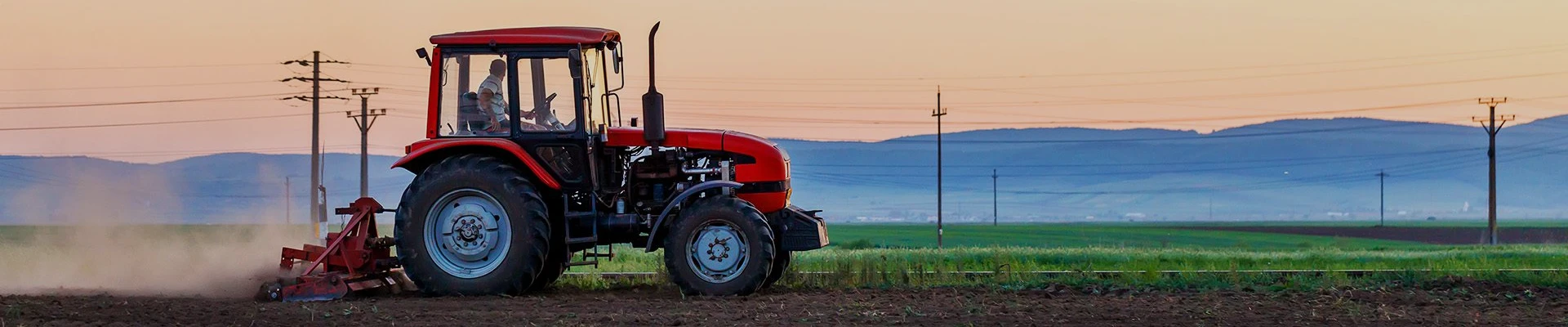
Efficient planting is the cornerstone of successful agriculture. A farm seeder machine dramatically improves planting speed, accuracy, and consistency compared to manual methods. This article provides a comprehensive overview of farm seeder machines, covering different types, key features, benefits, and how to choose the right one for your farm. We’ll explore how investing in a quality seeder can significantly boost your yields and streamline your agricultural operations. Choosing the right seeder is a critical decision for any farmer aiming to maximize productivity and efficiency.
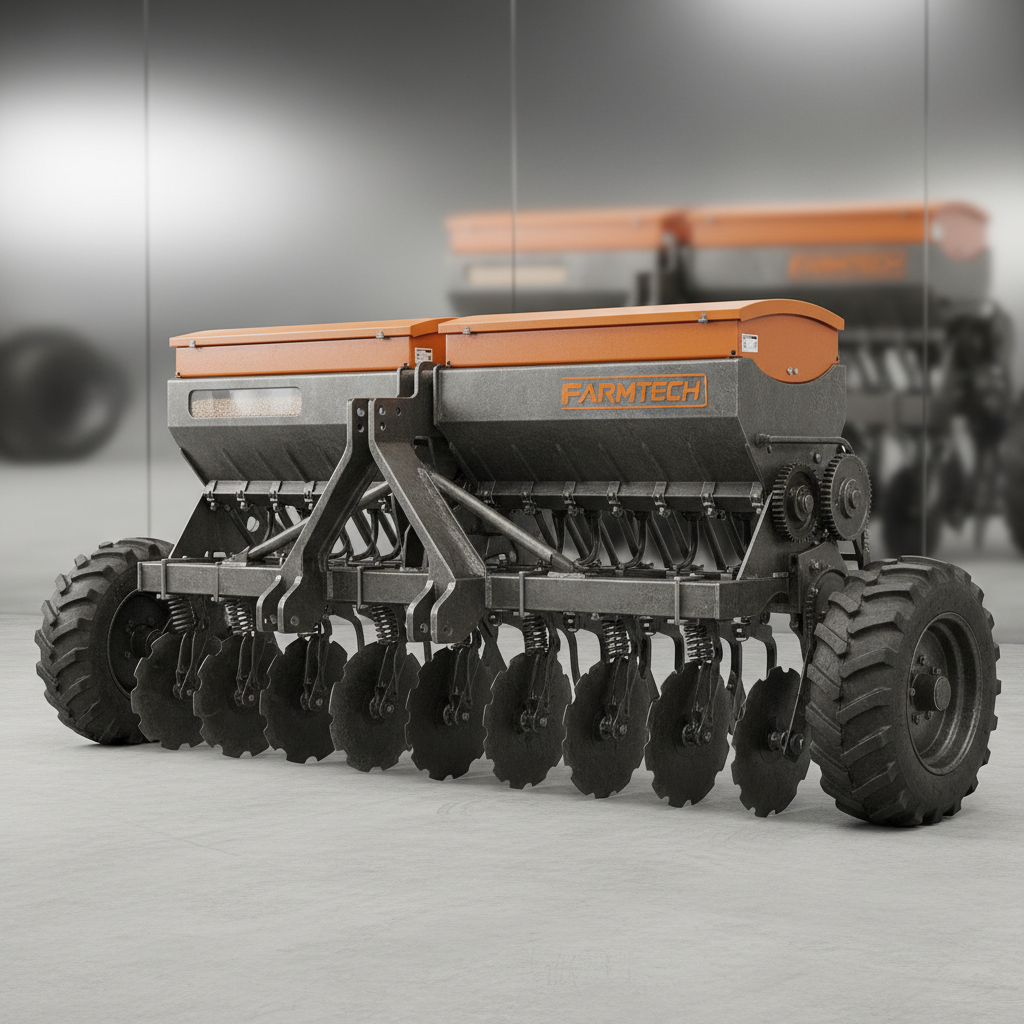
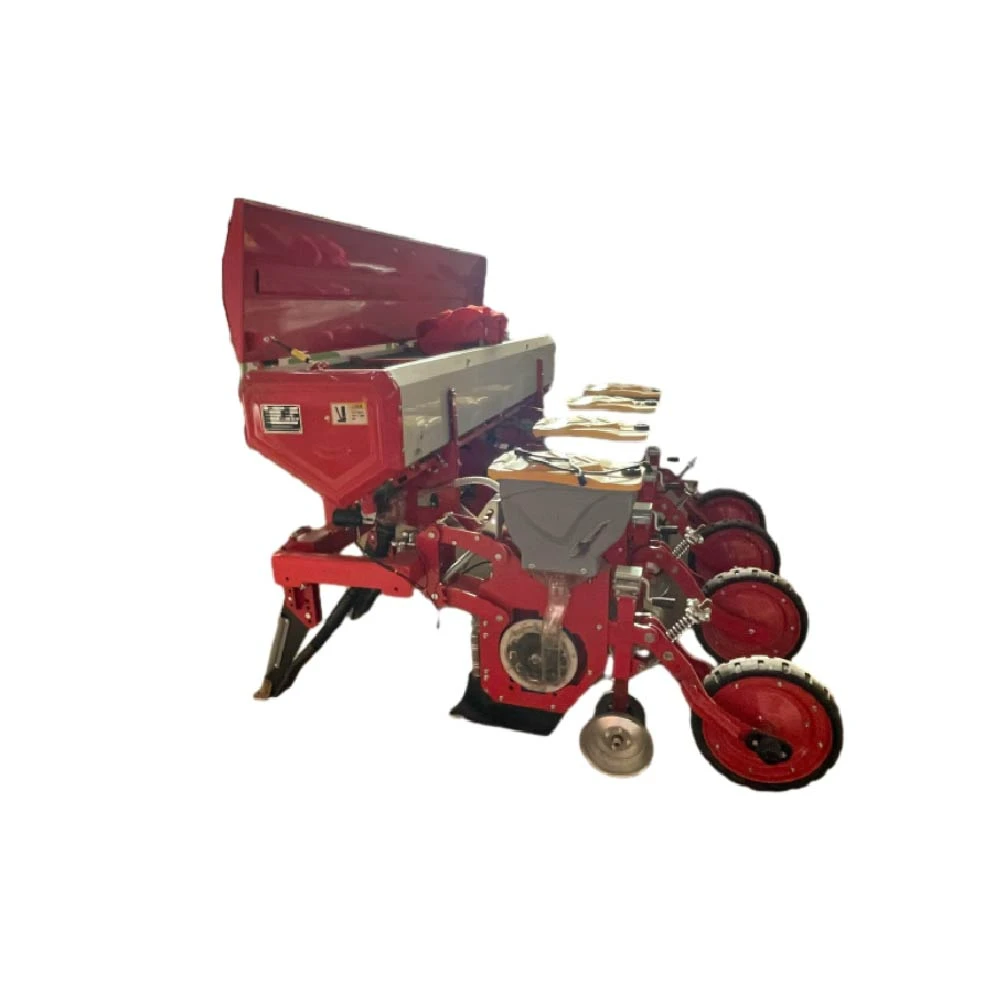
Farm seeder machines come in various configurations, each suited to specific farming needs and scales. The primary types include: Row Crop Seeders, designed for planting seeds in precise rows – ideal for crops like corn, soybeans, and wheat. Broadcast Seeders, which distribute seeds widely across a field, suitable for smaller seeds like grasses and cover crops. Precision Seeders, using advanced technology for accurate seed placement and spacing, enhancing germination rates. No-Till Seeders, enabling planting directly into undisturbed soil, promoting soil health and reducing erosion. Understanding these distinctions is the first step in selecting the machine that best aligns with your farm’s requirements.
Key Takeaway: Choosing the right type of seeder depends on the crop, farm size, and desired planting method. Langning Agricultural Machinery offers a wide range of seeders to fit every farm’s needs.
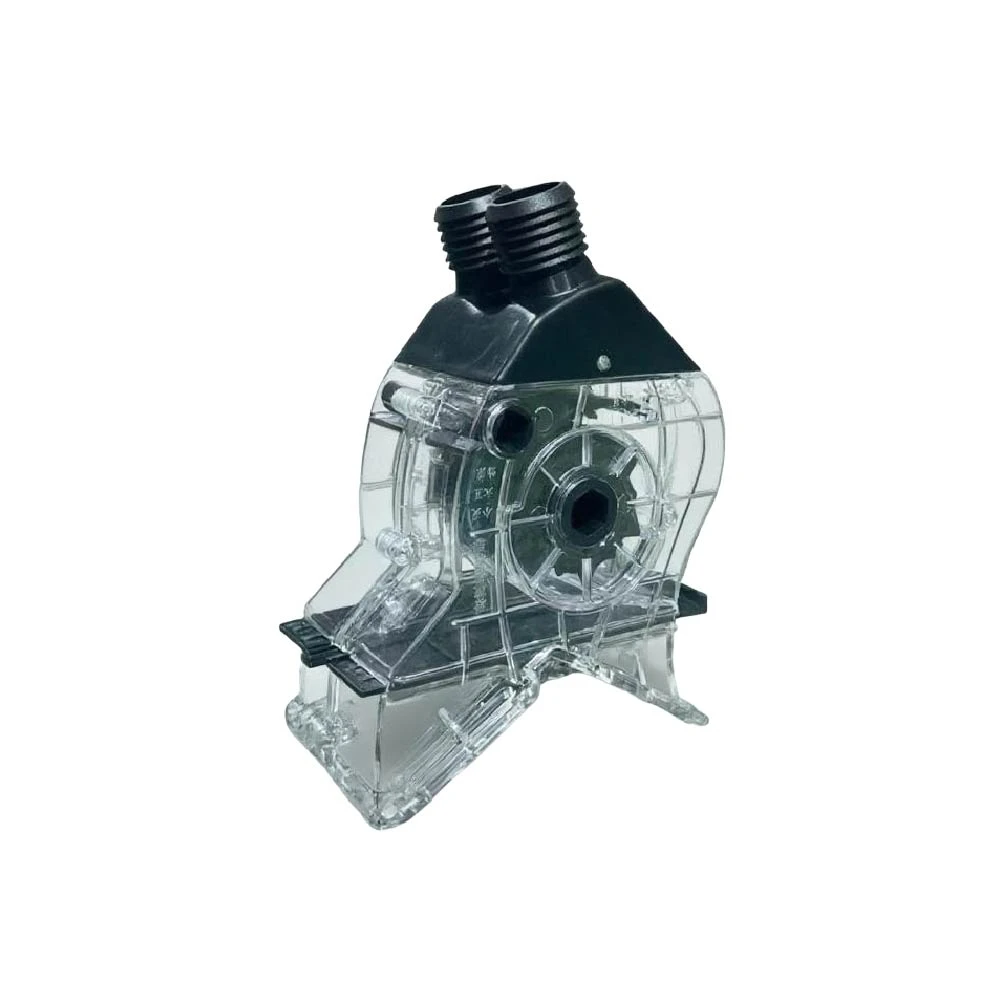
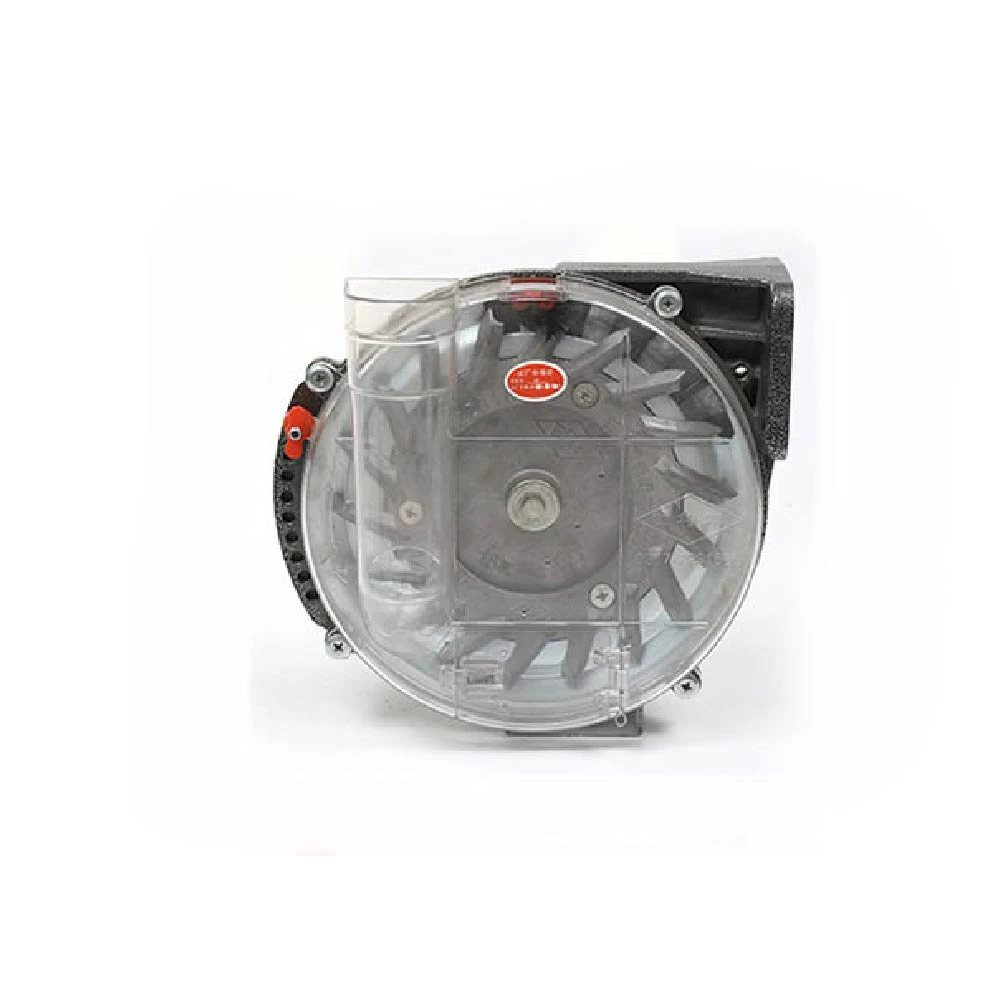
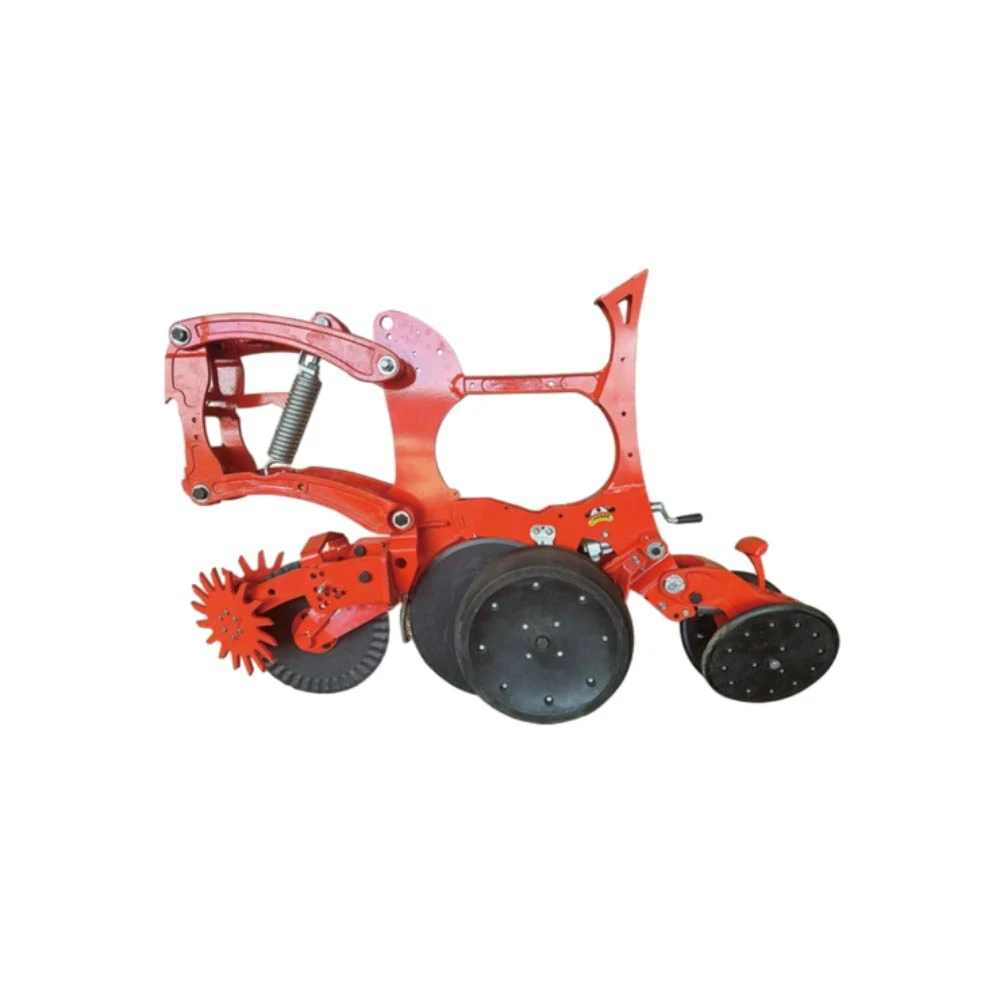
Several features contribute to a seeder's efficiency and performance. Seed Metering System: Accurate metering ensures consistent seed spacing and population. Row Unit Adjustability: Flexibility to adapt to different row spacings and crop types is vital. Hopper Capacity: A larger hopper reduces the frequency of refills, saving time. Drive System: Mechanical, hydraulic, or pneumatic drive systems offer varying levels of precision and control. GPS Integration: For precision farming, GPS technology enables variable rate seeding and automated section control. Considering these features will help you choose a seeder that maximizes your planting efficiency.
The choice between a precision seeder and a row crop seeder hinges on your farming goals and the crops you cultivate. Precision seeders offer unparalleled accuracy, placing each seed at the optimal depth and spacing for maximizing yield. Row crop seeders, while less precise, are generally more affordable and suitable for larger farms where absolute accuracy isn’t as critical. Understanding the trade-offs between cost, precision, and yield potential is crucial.
The benefits extend far beyond simple time savings. Increased planting speed translates to more acres covered per day. Improved seed placement leads to higher germination rates and more uniform plant stands. Reduced seed waste minimizes input costs. Better crop establishment contributes to higher yields and overall farm profitability. Furthermore, modern seeders often incorporate features that promote soil health and reduce environmental impact. A farm seeder machine isn’t merely a cost, it’s an investment in your farm’s future.
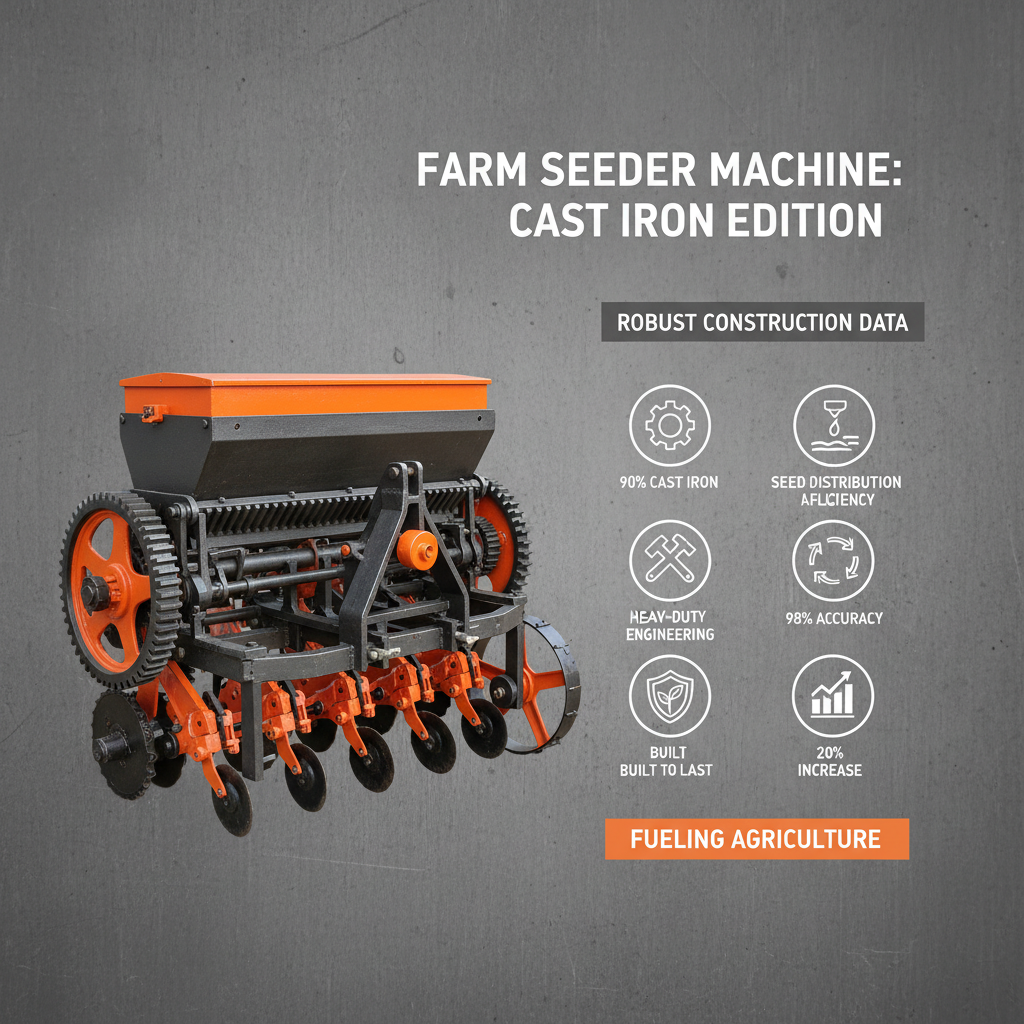
Here are the specifications for our popular LX-800 seeder:
Investing in a high-quality farm seeder machine is a strategic decision that can significantly enhance your farm's productivity and profitability. By carefully considering your needs and selecting the right type of seeder, you can ensure efficient planting, optimal seed placement, and ultimately, higher yields. Langning Agricultural Machinery is dedicated to providing farmers with innovative and reliable seeding solutions.
Regular maintenance is crucial for extending the life of your seeder. This includes cleaning the seed metering system after each use to prevent clogging, lubricating moving parts, checking and tightening bolts, and inspecting hoses and belts for wear and tear. Annual inspections by a qualified technician are recommended. Proper maintenance ensures optimal performance and minimizes downtime during critical planting seasons. Refer to your machine’s manual for specific maintenance recommendations.
Several factors come into play, including farm size, crop type, soil conditions, and budget. Consider whether you need a row crop seeder, a precision seeder, or a broadcast seeder. Evaluate the hopper capacity, row spacing adjustability, and drive system. Think about whether you require GPS integration or other advanced features. It’s also important to consider the availability of spare parts and the manufacturer’s reputation for reliability and customer support.
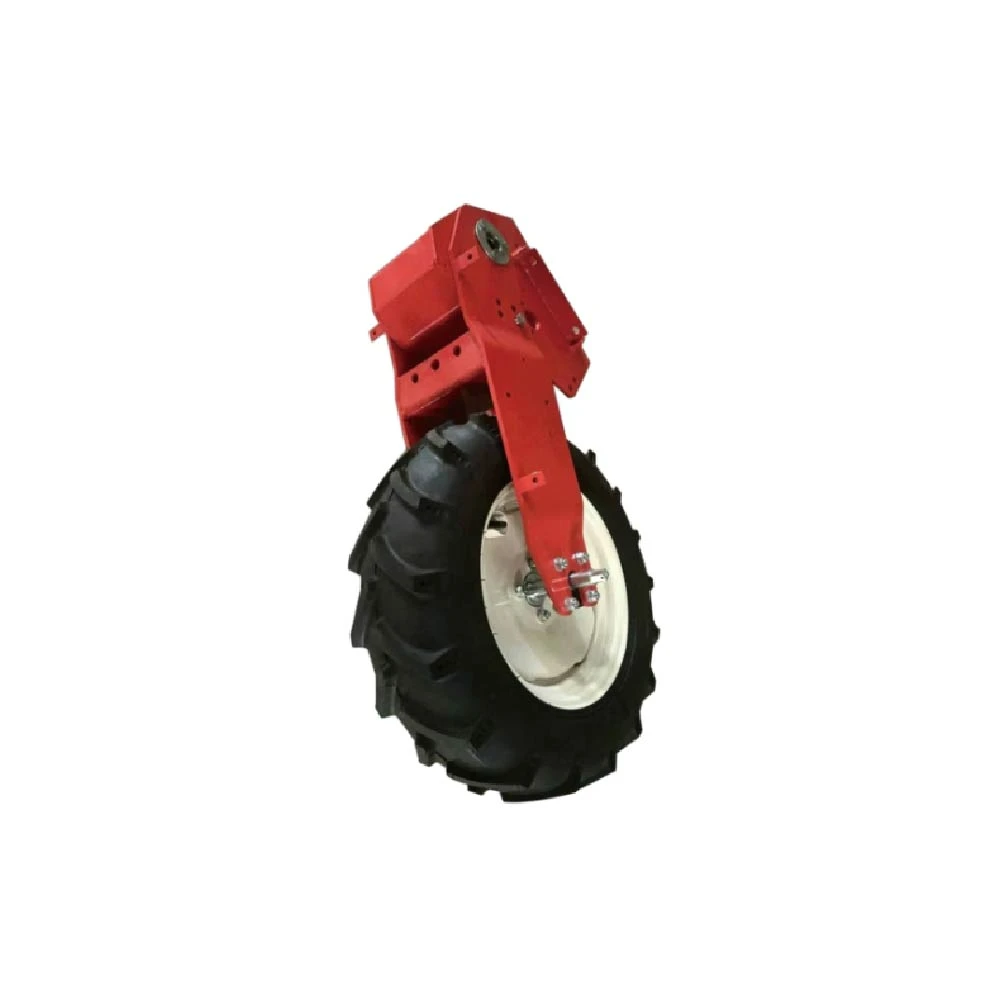
Accurate seed depth control is vital for uniform germination. Properly adjust the seed depth settings on your seeder according to the crop type and soil conditions. Regularly calibrate the seed metering system to ensure consistent seed delivery. Check the condition of the gauge wheels and ensure they are properly aligned. Monitor seed emergence in the field and make adjustments as needed to achieve optimal results.
Langning Agricultural Machinery offers a wide selection of high-quality farm seeder machines, along with expert support and reliable after-sales service. We provide comprehensive training and technical assistance to ensure you get the most out of your investment. We are dedicated to helping farmers increase their yields and improve their operational efficiency.