Selecting the right farm implement and equipment is crucial for maximizing efficiency, productivity, and profitability in modern agriculture. From preparing the land to harvesting crops, the right tools can significantly reduce labor costs and improve yields. This guide offers an in-depth look at the various types of farm machinery, their uses, and key considerations for making informed purchasing decisions. Understanding the functionalities and benefits of different equipment is essential for any farmer looking to optimize their operations.
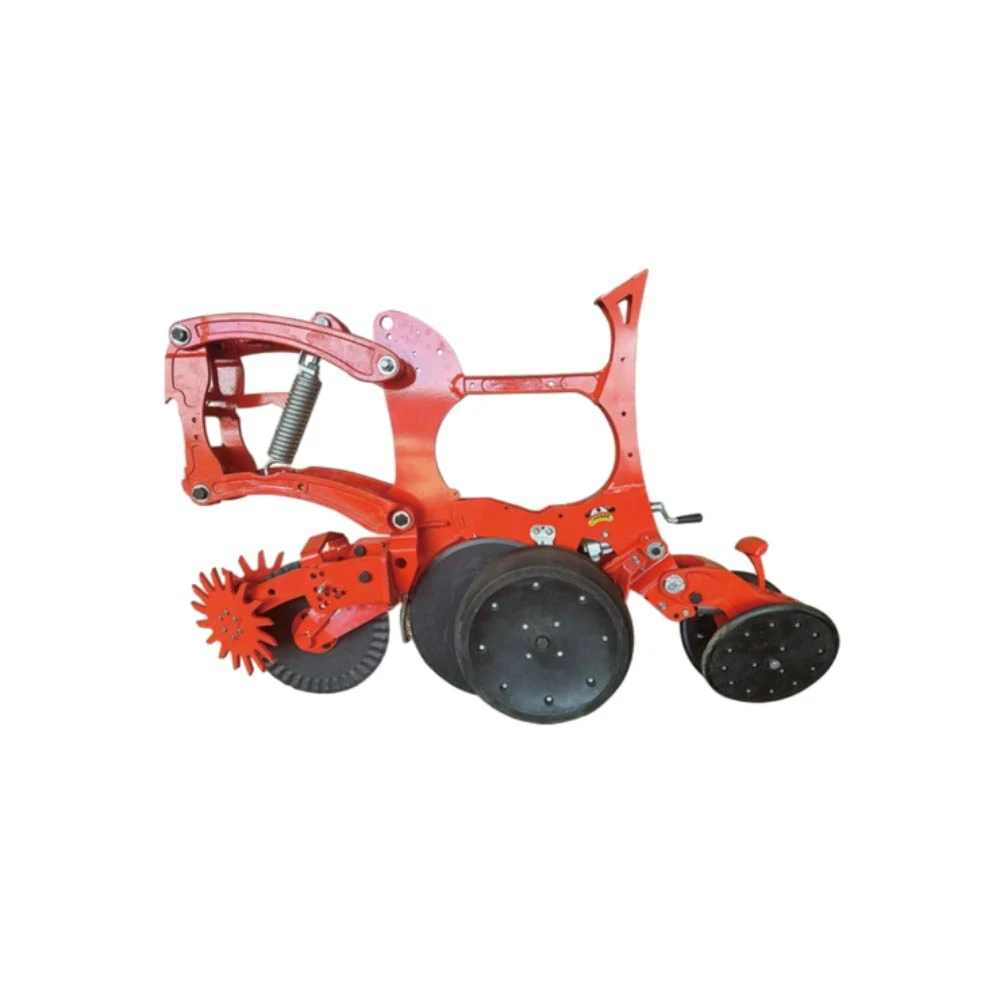
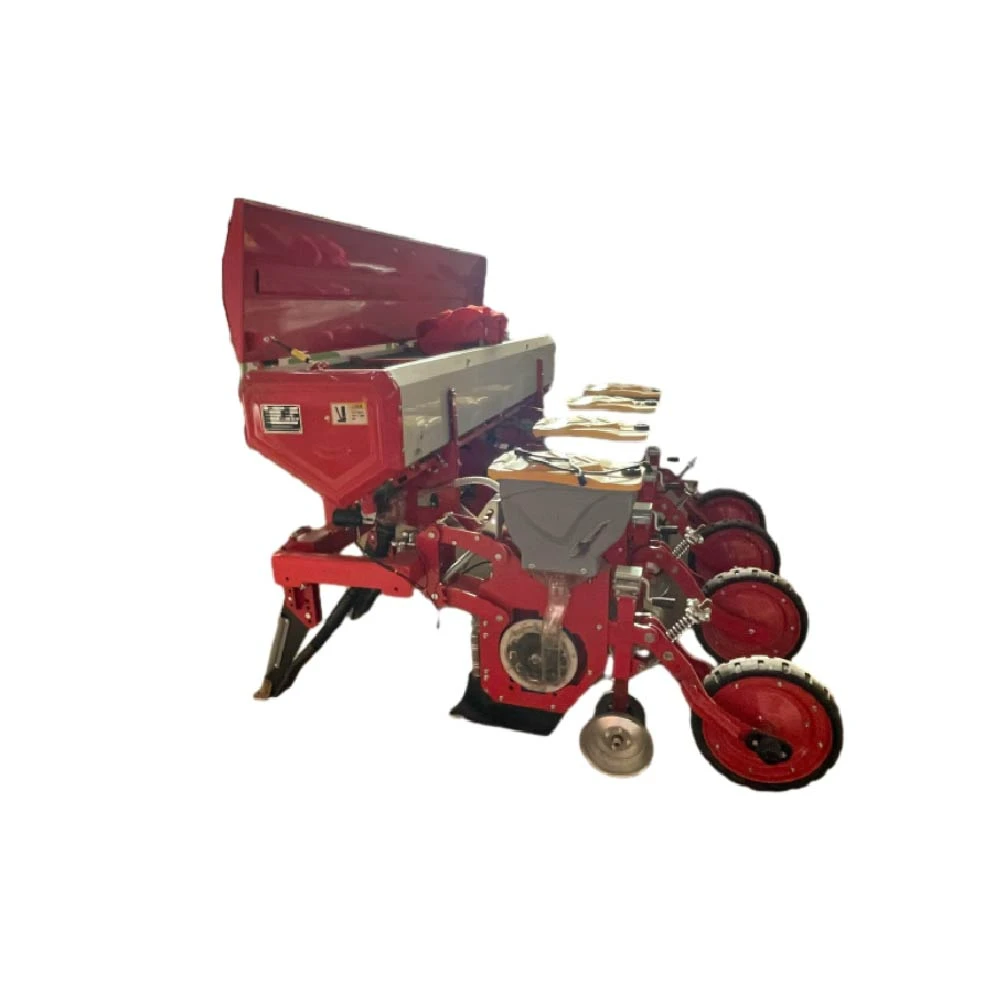
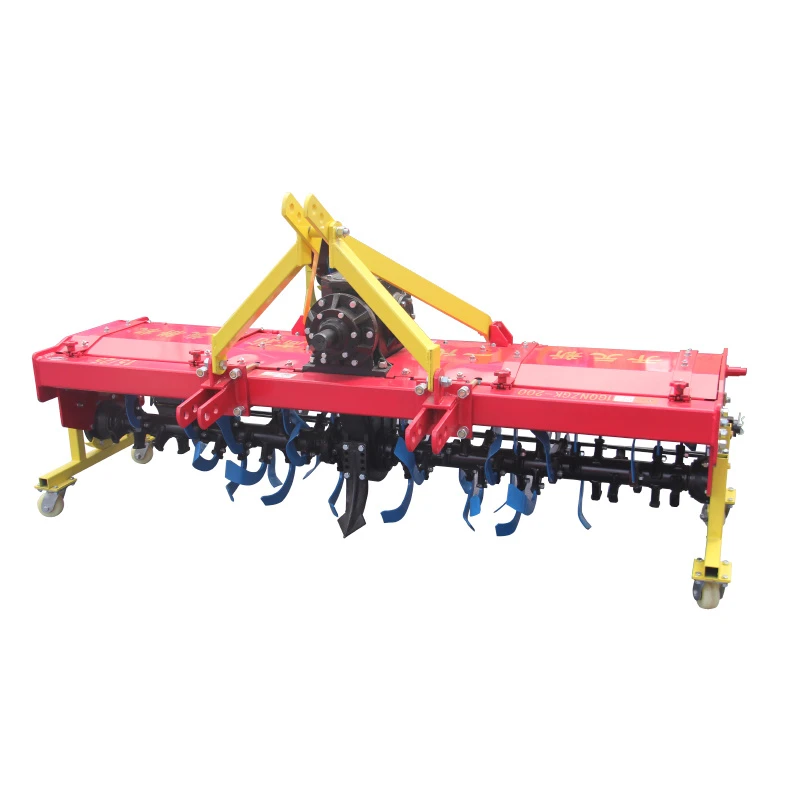
Farm implements encompass a wide range of tools designed for specific agricultural tasks. Primary tillage implements like plows prepare the soil for planting, while secondary tillage implements, such as harrows and cultivators, refine the seedbed. Planting equipment, including seed drills and planters, ensures accurate seed placement. Harvesting equipment, like combines and forage harvesters, efficiently gathers crops. Beyond these, there’s specialized equipment for irrigation, livestock management, and material handling. Choosing the right implement depends largely on the type of farming operation, soil conditions, and the crops being grown. Langningam provides a wide selection of high-quality implements.
Key Highlights: From plows and harrows to seed drills and combines, a diverse range of implements caters to every stage of the farming process. Selection depends on farm type, soil, and crops.
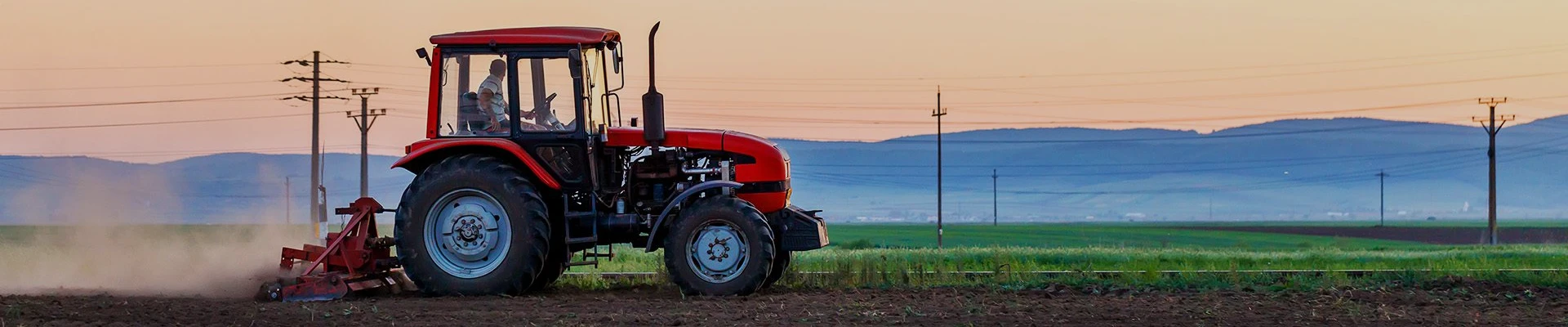
Tractors are the workhorses of modern farming, providing the power to operate various implements. It’s critical to match the tractor's horsepower and hitch type to the implement’s requirements. Underpowered tractors struggle to effectively operate larger implements, reducing efficiency and potentially causing damage. Implement compatibility also includes considerations like hitch size and hydraulic system capabilities. Understanding these factors is essential to ensuring safe and efficient operation. Langningam’s expert team can help you find the perfect tractor-implement combination for your needs.
Tractor-Implement Matching:
• Ensure adequate horsepower for the implement's demands.
• Verify hitch compatibility (e.g., 3-point linkage).
• Check hydraulic system capacity.
• Consider implement weight and tractor stability.
Choosing between different types of equipment can be challenging. Here’s a comparison of popular implements for primary tillage, showcasing their strengths and weaknesses:
Regular maintenance is vital for extending the lifespan of your farm equipment and ensuring optimal performance. This includes daily inspections, lubrication, cleaning, and timely repairs. Replacing worn parts promptly prevents further damage and downtime. Proper storage during the off-season is also crucial, protecting equipment from the elements. Investing in preventative maintenance saves money in the long run and maximizes the return on your investment. Langningam offers maintenance packages and genuine parts to keep your equipment running smoothly.
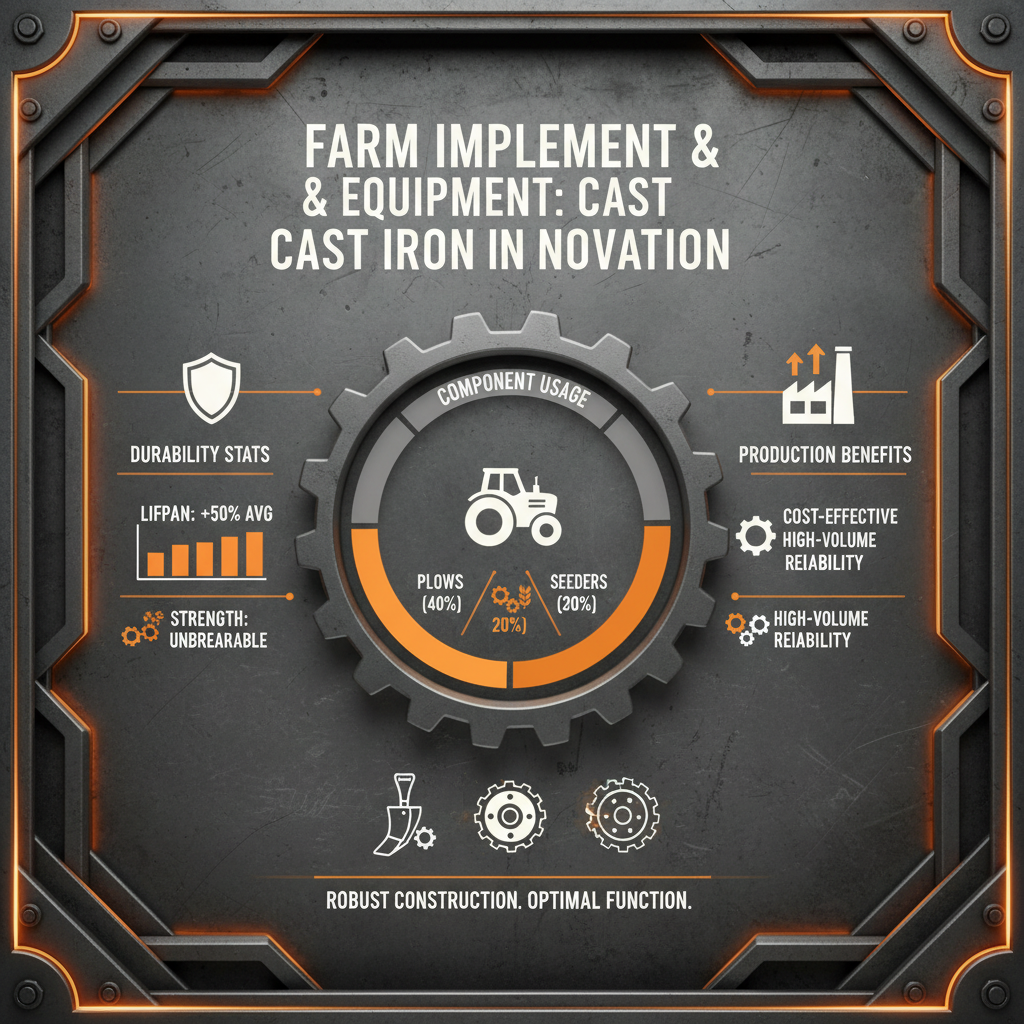
The agricultural industry is rapidly evolving, with advancements in technology driving innovation in farm equipment. Precision farming technologies, such as GPS-guided implements and variable-rate application systems, are becoming increasingly prevalent. Automation and robotics are also playing a growing role, with self-driving tractors and robotic harvesters promising to further increase efficiency and reduce labor costs. Sustainable farming practices are also influencing equipment design, with a focus on minimizing soil compaction and reducing fuel consumption. Langningam is committed to offering the latest innovations in farm technology.
Choosing the right farm implement and equipment is a significant investment in the future of your farm. By carefully considering your needs, prioritizing quality, and staying abreast of the latest technological advancements, you can optimize your operations, increase your yields, and ensure long-term profitability.
When selecting a tractor, consider the size of your farm, the types of implements you'll be using, and the terrain. Horsepower is a key factor, but also assess the tractor's weight, hydraulic capacity, and transmission type. Consider whether you need a compact tractor for smaller tasks or a larger row-crop tractor for extensive fieldwork. Compatibility with existing implements is also crucial. Langningam's experts can guide you through the selection process.
Preventative maintenance should be performed regularly, following the manufacturer's recommendations. Daily checks should include inspecting fluid levels, tire pressure, and general condition. Scheduled maintenance, such as oil changes, filter replacements, and lubrication, should be performed at recommended intervals. Address any issues promptly to prevent further damage and downtime.
Precision farming technologies, such as GPS guidance, variable-rate application, and yield monitoring, offer numerous benefits. These include increased efficiency, reduced input costs, improved yields, and enhanced environmental sustainability. By optimizing resource allocation and minimizing waste, precision farming can significantly improve profitability.
Using genuine replacement parts ensures optimal performance and longevity of your equipment. Langningam is an authorized dealer for many leading brands and offers a wide selection of genuine parts. Using non-genuine parts can void warranties and potentially damage your equipment.