
Product Description
The Intelligent Control system represents a cutting-edge solution designed to redefine how industries, homes, and commercial spaces manage and optimize operational processes through advanced automation, data analytics, and adaptive decision-making. At its core, this product integrates a suite of state-of-the-art technologies—including machine learning algorithms, real-time sensor networks, cloud-based monitoring platforms, and user-friendly interfaces—to deliver precise, efficient, and customizable control over a wide range of devices and systems. Whether deployed in manufacturing facilities to regulate production lines, in smart homes to adjust heating, ventilation, and lighting (HVAC/L) based on occupancy patterns, or in commercial buildings to optimize energy consumption and security protocols, the Intelligent Control system adapts dynamically to changing conditions, eliminating the need for manual intervention and minimizing human error.
For industrial users, the system offers granular visibility into every stage of operations: it collects data from connected sensors (e.g., temperature, pressure, speed sensors) in real time, analyzes trends using predictive analytics, and automatically adjusts parameters (such as machine speed or material flow) to maintain optimal performance and prevent downtime. In residential settings, it learns user habits over time—for example, recognizing when occupants typically wake up, leave home, or return—and adjusts environmental controls accordingly, enhancing comfort while reducing energy waste. Commercial users benefit from centralized management: facility managers can monitor multiple locations remotely via a cloud dashboard, set custom rules (e.g., dimming lights in unoccupied offices or locking doors after hours), and generate detailed reports on energy usage, maintenance needs, and system efficiency. Additionally, the system supports seamless integration with existing IoT (Internet of Things) devices, ensuring compatibility with popular smart thermostats, security cameras, and industrial machinery, making it a versatile addition to any existing infrastructure.
Product Short Description
The Intelligent Control system is an adaptive, tech-driven solution that automates, monitors, and optimizes devices/systems across industries, homes, and commercial spaces. Leveraging machine learning, real-time sensors, and cloud connectivity, it minimizes manual effort, cuts energy costs, and boosts efficiency—all through a user-friendly interface compatible with existing IoT setups.
Product Advantages
1.Unmatched Efficiency & Cost Savings: By automating routine tasks and using predictive analytics to optimize resource usage, the Intelligent Control system significantly reduces energy waste, labor costs, and equipment downtime. For example, industrial users have reported up to 30% lower energy consumption after deploying the system, while homeowners see an average 15-20% reduction in monthly utility bills. The system’s ability to anticipate maintenance needs (e.g., alerting users to a failing motor before it breaks) also eliminates costly emergency repairs.
2.Adaptive & User-Centric Design: Unlike rigid, one-size-fits-all control systems, the Intelligent Control solution learns from user behavior and environmental changes to deliver personalized performance. In smart homes, this means adjusting temperature settings based on a family’s schedule; in manufacturing, it means modifying production workflows to accommodate raw material shortages. The system’s intuitive interface—available via mobile app, web portal, or voice command—also ensures ease of use for users of all technical backgrounds, eliminating the need for specialized training.
3.Seamless Integration & Scalability: The Intelligent Control system is built to work with existing IoT ecosystems, supporting integration with thousands of third-party devices (e.g., Nest thermostats, Siemens industrial sensors, Ring security cameras). This compatibility eliminates the need for costly hardware overhauls, making it easy for users to upgrade their current setups. Additionally, the system is highly scalable: it can handle small-scale deployments (e.g., a single home) or large, enterprise-level projects (e.g., a campus with dozens of buildings) without compromising performance, making it suitable for businesses and individuals at every stage of growth.
4.Enhanced Reliability & Security: With built-in redundancy (e.g., backup power sources, failover sensors) and 24/7 real-time monitoring, the Intelligent Control system ensures uninterrupted operation even in harsh conditions (e.g., power outages, extreme temperatures). The system also prioritizes security, using end-to-end encryption to protect data transmitted between devices and the cloud, and offering features like two-factor authentication and role-based access controls to prevent unauthorized use. This makes it ideal for sensitive environments, such as healthcare facilities or industrial plants handling confidential data.
1.How Intelligent Control Systems Are Transforming Industrial Manufacturing: From Predictive Maintenance to Lean Production
This topic delves into the specific applications of Intelligent Control in the manufacturing sector, exploring how the system addresses key industry challenges—such as unplanned downtime, inefficient resource usage, and rigid production workflows. It would examine real-world case studies (e.g., a car manufacturer using the system to reduce assembly line errors) and explain how features like predictive analytics and automated process adjustment are helping manufacturers adopt lean production principles, cut waste, and improve product quality. It could also discuss future trends, such as the integration of AI-powered robotics with Intelligent Control systems to create fully autonomous factories.
2.The Role of Intelligent Control in Building Sustainable Smart Cities: Reducing Carbon Footprints Through Connected Infrastructure
This topic focuses on the impact of Intelligent Control on urban sustainability, highlighting how the system is used to optimize energy usage in public buildings (e.g., schools, hospitals), manage traffic flow, and monitor waste management systems. It would explore how cities are leveraging the system to meet carbon reduction goals—for example, by adjusting streetlight brightness based on pedestrian activity or optimizing public transit routes to reduce fuel consumption. The topic could also address challenges like data privacy and infrastructure compatibility, and discuss how collaboration between governments, tech companies, and citizens is key to successful smart city deployments.
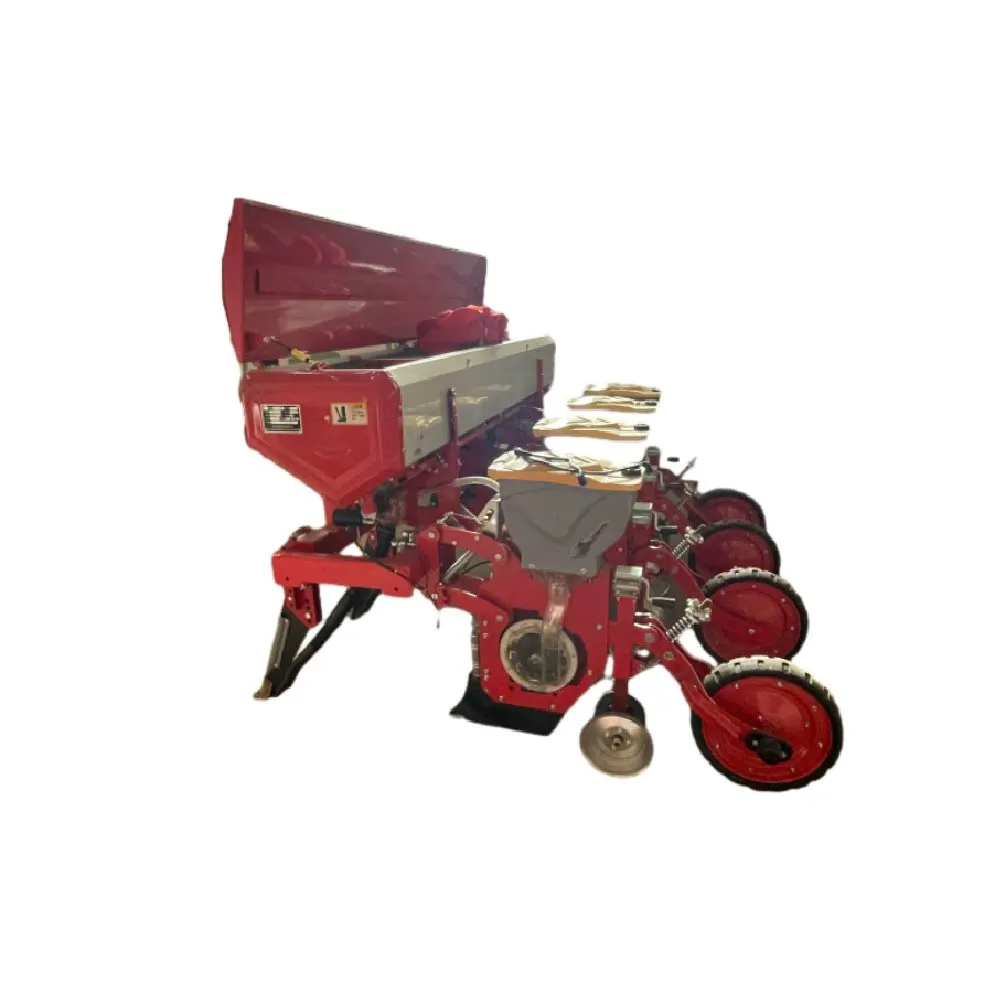
precision seeder
precision seeder for sale
rice precision seeder
woods precision seeder for sale