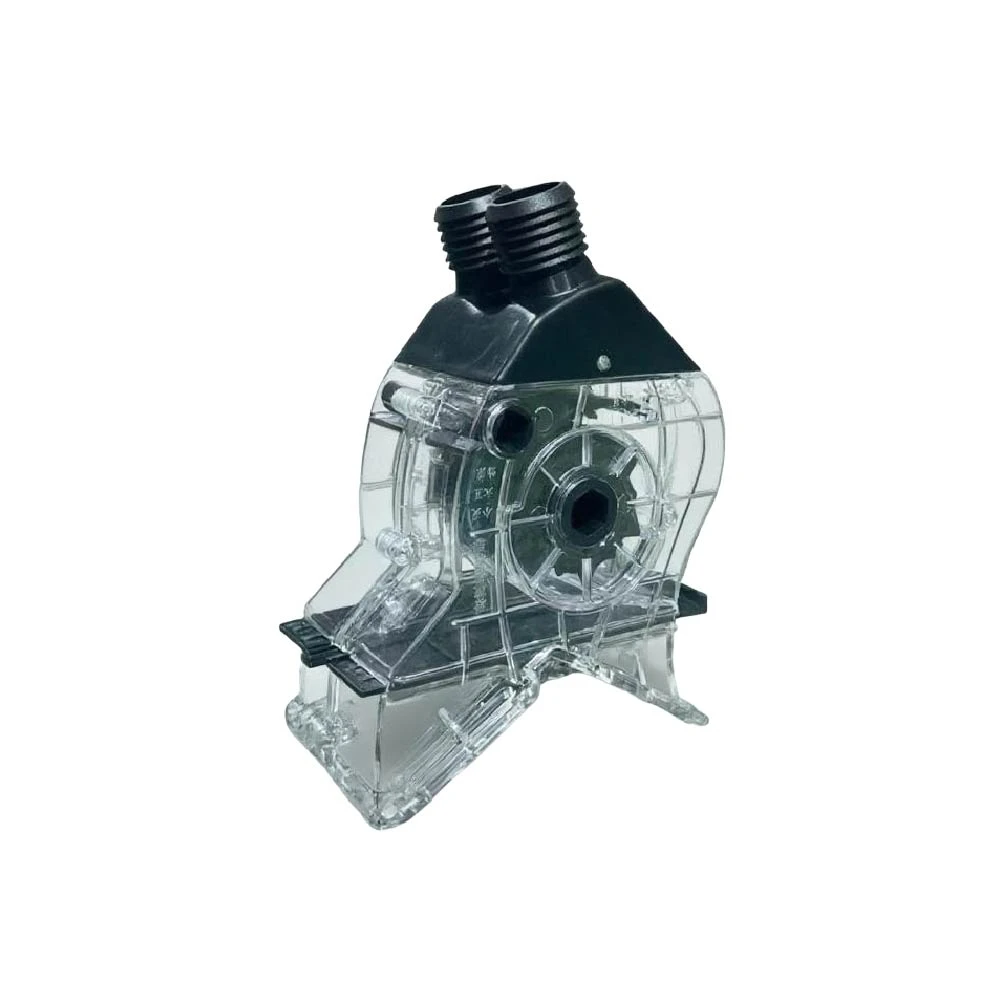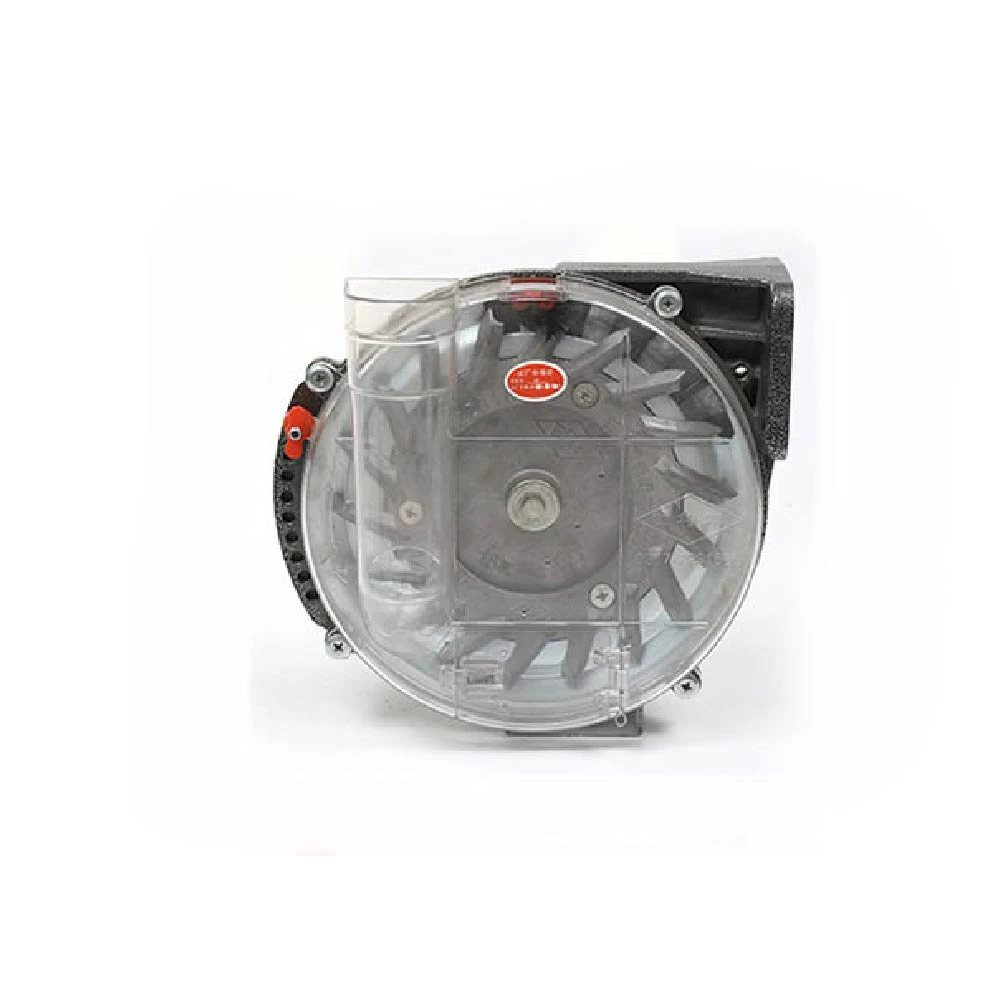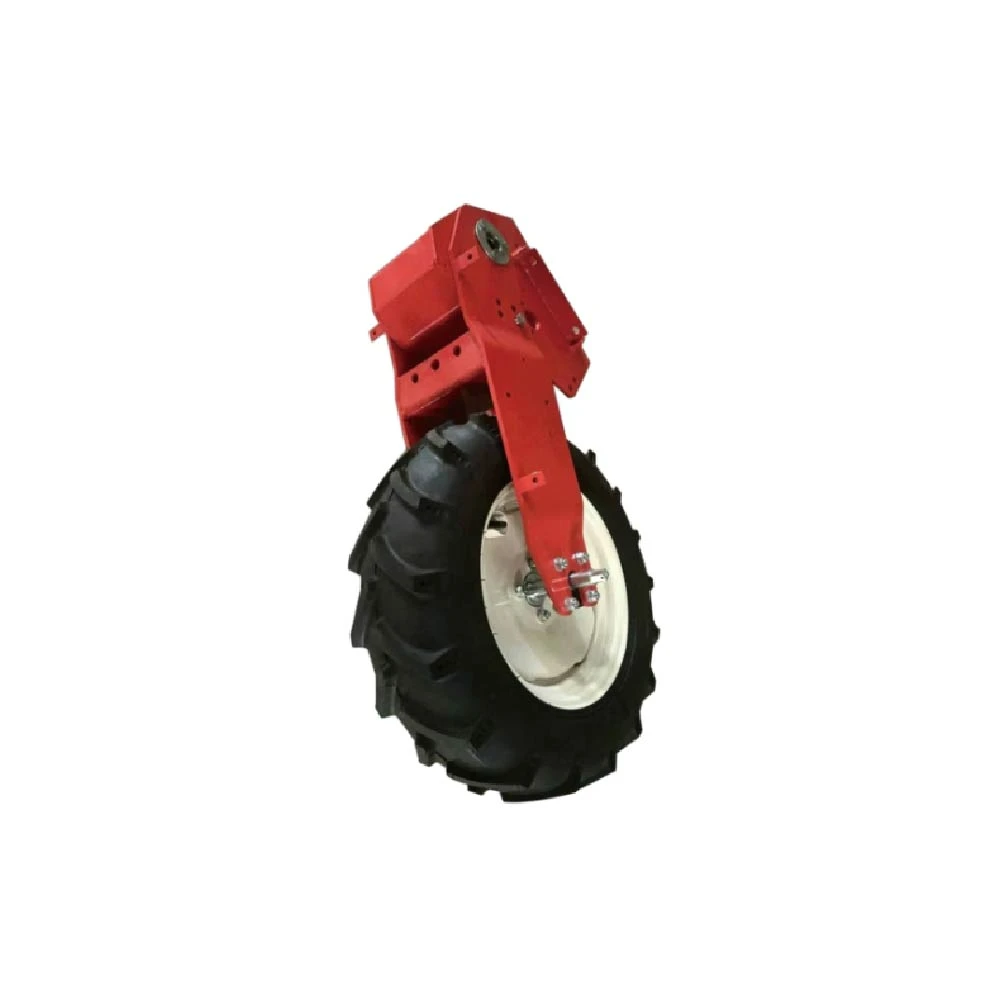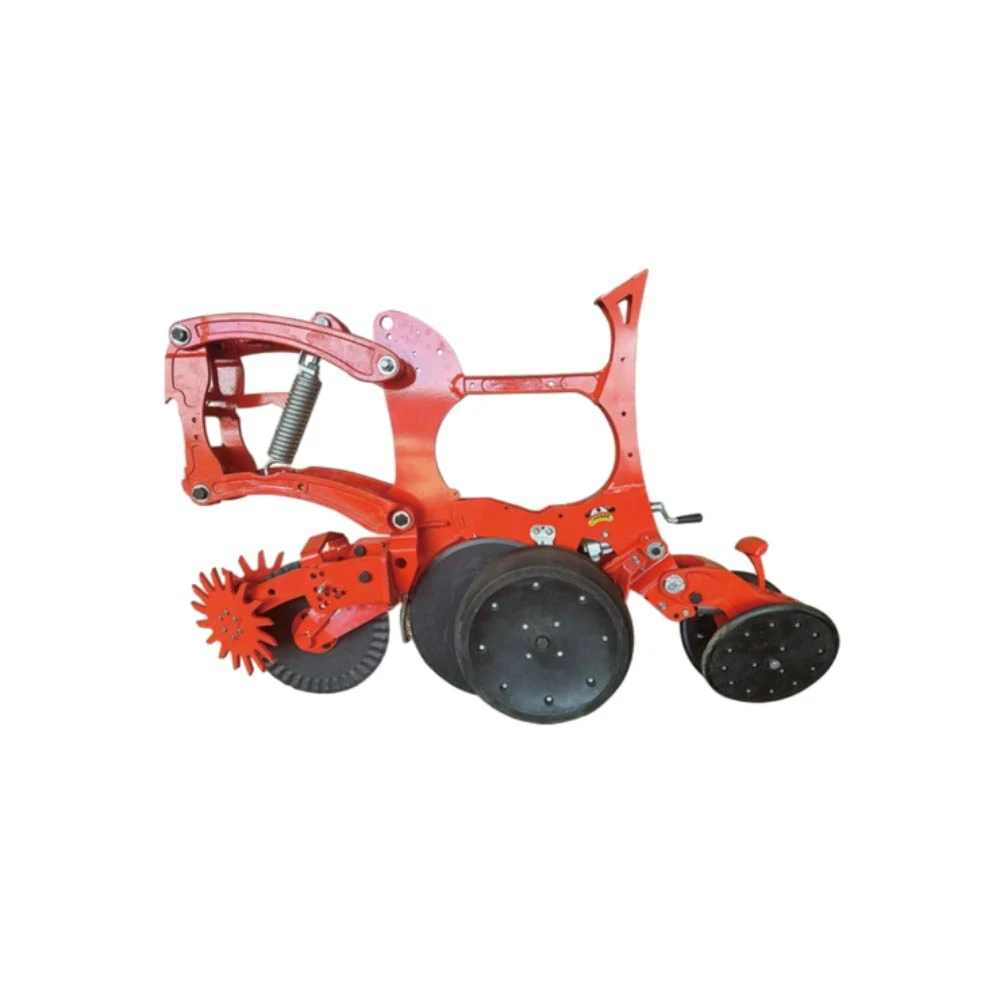
In the realm of modern agriculture, efficiency and precision are paramount. A key tool in achieving these goals is the farm seeder. From small-scale operations to large commercial farms, the right seeder can significantly impact crop yields, reduce labor costs, and improve overall productivity. This article will explore the benefits, types, and key features of farm seeders, helping you understand how to choose the best option for your agricultural needs. Investing in a quality farm seeder is an investment in the future of your farm.
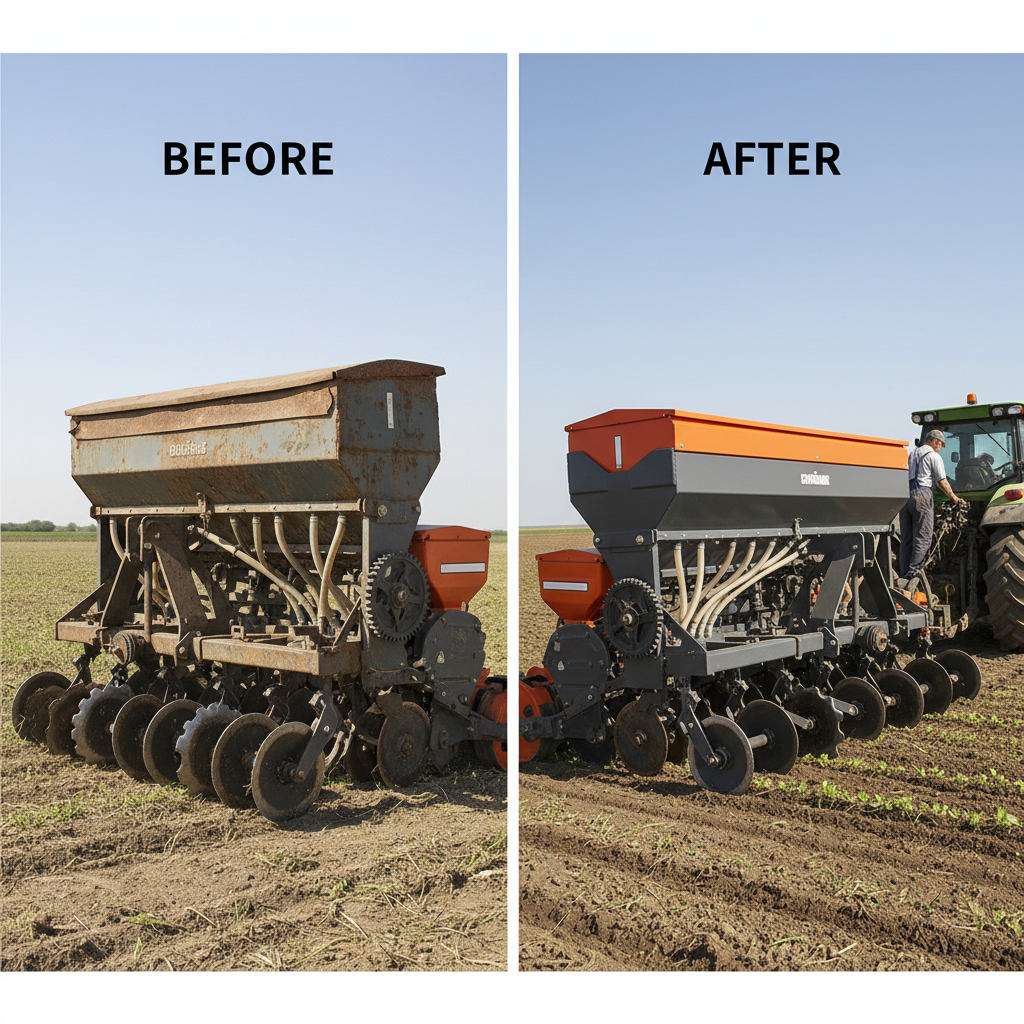
Using a farm seeder offers numerous advantages over traditional manual seeding methods. Firstly, it ensures consistent seed spacing and depth, leading to uniform germination and plant growth. This consistency translates directly into higher yields. Secondly, seeders dramatically reduce seeding time, freeing up valuable labor for other essential farm tasks. Thirdly, precise seed placement minimizes seed waste, saving you money and reducing environmental impact. Finally, many modern seeders offer features like fertilizer application alongside seeding, providing a comprehensive planting solution. These benefits collectively contribute to increased efficiency and profitability.
Key Highlights: Consistent seed spacing, reduced seeding time, minimized seed waste, and integrated fertilizer application.
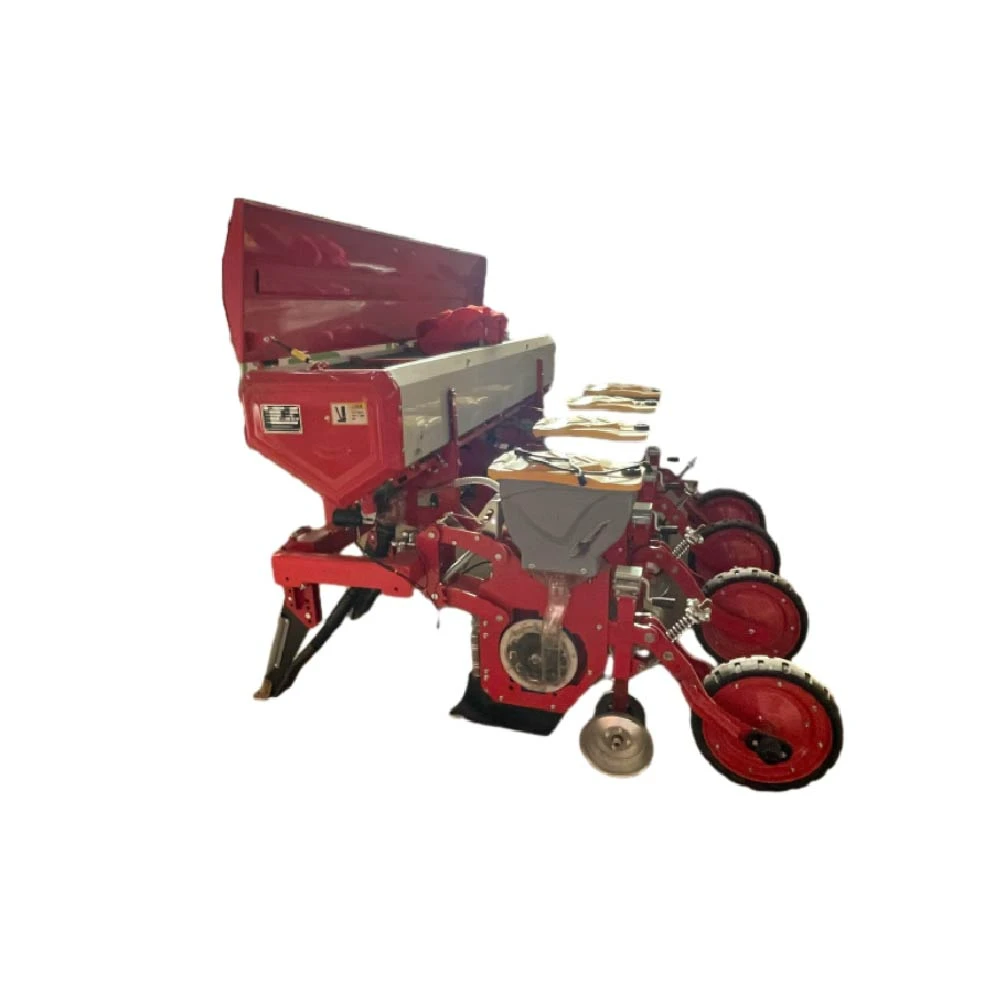
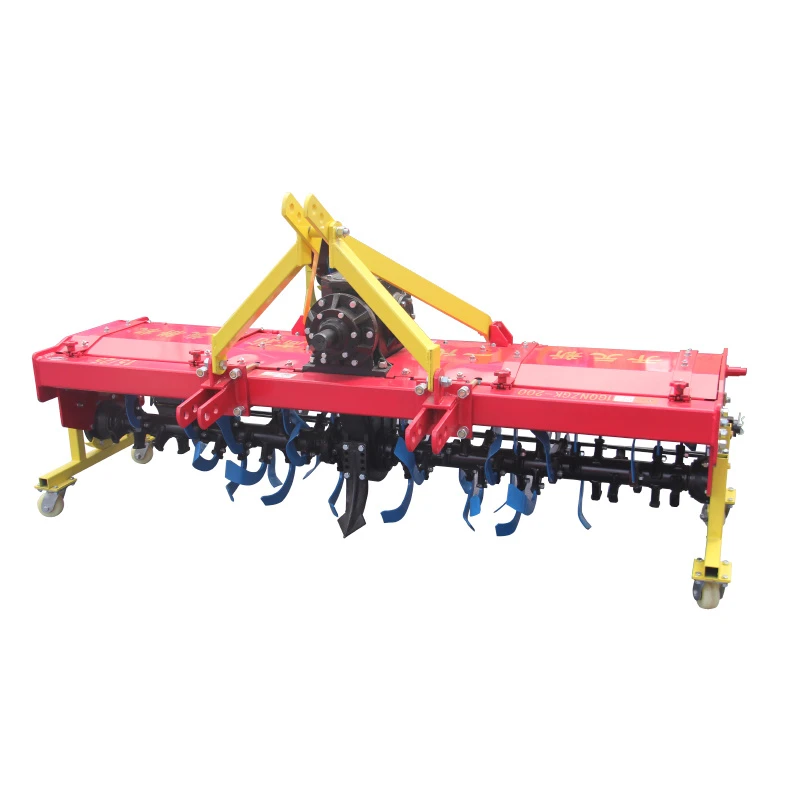
The market offers a variety of farm seeders, each designed for specific applications and farm sizes. Some common types include: Row Crop Seeders, ideal for planting crops in precise rows like corn, soybeans, and cotton; Broadcast Seeders, which spread seeds evenly over a large area, suitable for crops like wheat, barley, and oats; Precision Seeders, employing advanced technology for highly accurate seed placement, often used for high-value crops; and No-Till Seeders, designed to plant seeds directly into undisturbed soil, promoting soil health and reducing erosion. The choice depends on factors like crop type, farm size, and budget.
Seeder Type Breakdown:
• Row Crop Seeders: Precise row planting for crops like corn.
• Broadcast Seeders: Even seed distribution over large areas.
• Precision Seeders: Highly accurate seed placement for high-value crops.
• No-Till Seeders: Direct seeding into undisturbed soil.
Comparing different farm seeders can be complex. Key features to consider include hopper capacity, seeding rate adjustability, row spacing options, drive system (manual, hydraulic, or pneumatic), and compatibility with various seed types. Generally, more sophisticated seeders offer greater precision and versatility but come at a higher price point. Choosing the right seeder requires carefully evaluating your specific needs and budget.
At Langningam, we understand the challenges and opportunities facing modern farmers. We offer a comprehensive range of high-quality farm seeders designed to enhance your productivity and profitability. Our team of experts is dedicated to providing personalized solutions tailored to your specific needs. We are committed to delivering reliable equipment and exceptional customer support.
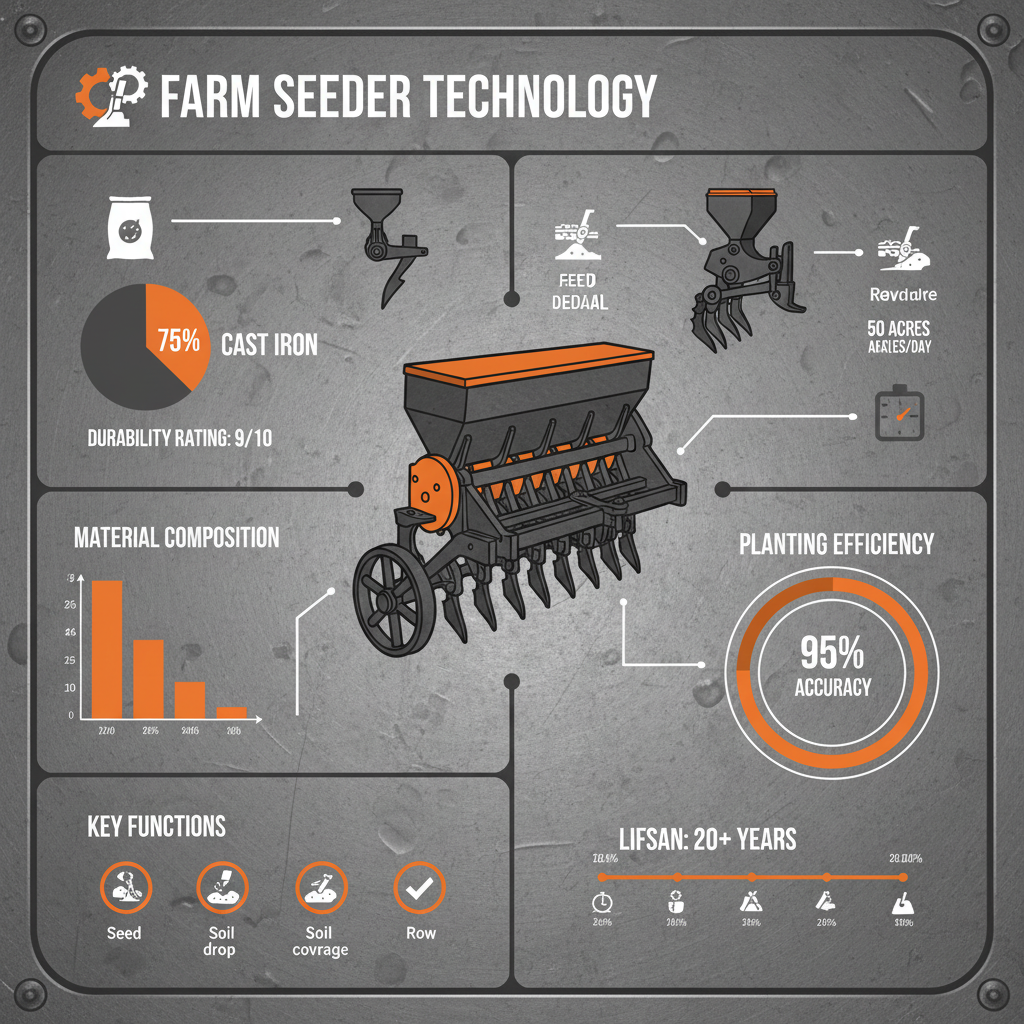
When evaluating a farm seeder, pay close attention to these key specifications:
Choosing the right farm seeder is a crucial decision that directly impacts your farm's productivity and profitability. By understanding the different types, features, and specifications available, you can make an informed choice that meets your specific needs. Langningam is dedicated to providing farmers with the innovative tools and support they need to succeed. Invest in efficiency, invest in yield – invest in a quality farm seeder.
Regular maintenance is essential for ensuring the longevity and optimal performance of your farm seeder. This includes cleaning the hopper after each use to prevent seed buildup and corrosion, lubricating moving parts to reduce friction, inspecting belts and chains for wear and tear, and checking the calibration of the seeding rate. Following the manufacturer's recommendations for maintenance schedules is crucial. Proper maintenance will minimize downtime and maximize the lifespan of your investment.
The optimal row spacing depends on the specific crop you are planting, your soil type, and your climate. Generally, wider row spacing is suitable for crops that require more sunlight and air circulation, while narrower row spacing is better for crops that benefit from shading and moisture retention. Consult with agricultural experts or refer to crop-specific guidelines to determine the most appropriate row spacing for your needs. Consider factors like plant density and potential for weed growth when making your decision.
No-till seeders offer several significant benefits, including improved soil health, reduced erosion, increased water retention, and lower fuel consumption. By planting seeds directly into undisturbed soil, no-till farming minimizes soil disturbance, preserving soil structure and organic matter. This leads to healthier soils, improved crop yields, and a more sustainable farming system. No-till seeding also reduces the need for tillage operations, saving time and money.