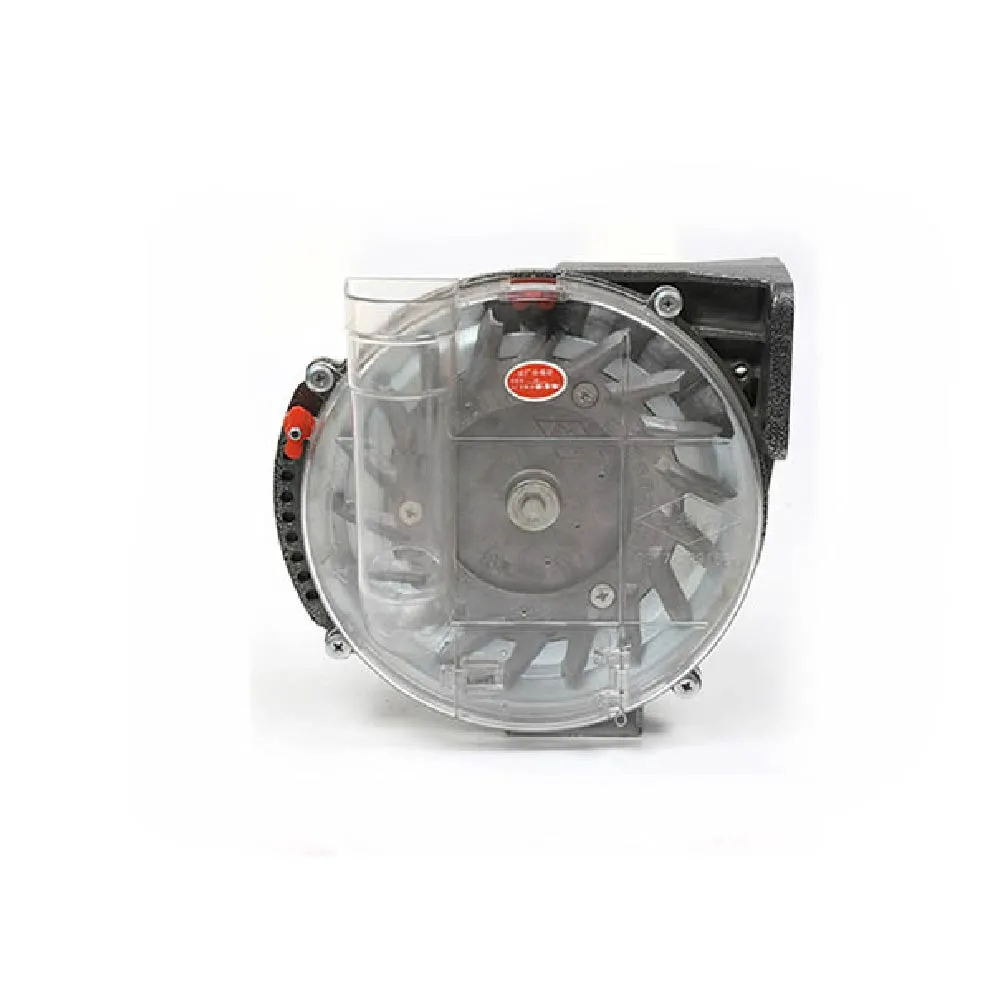
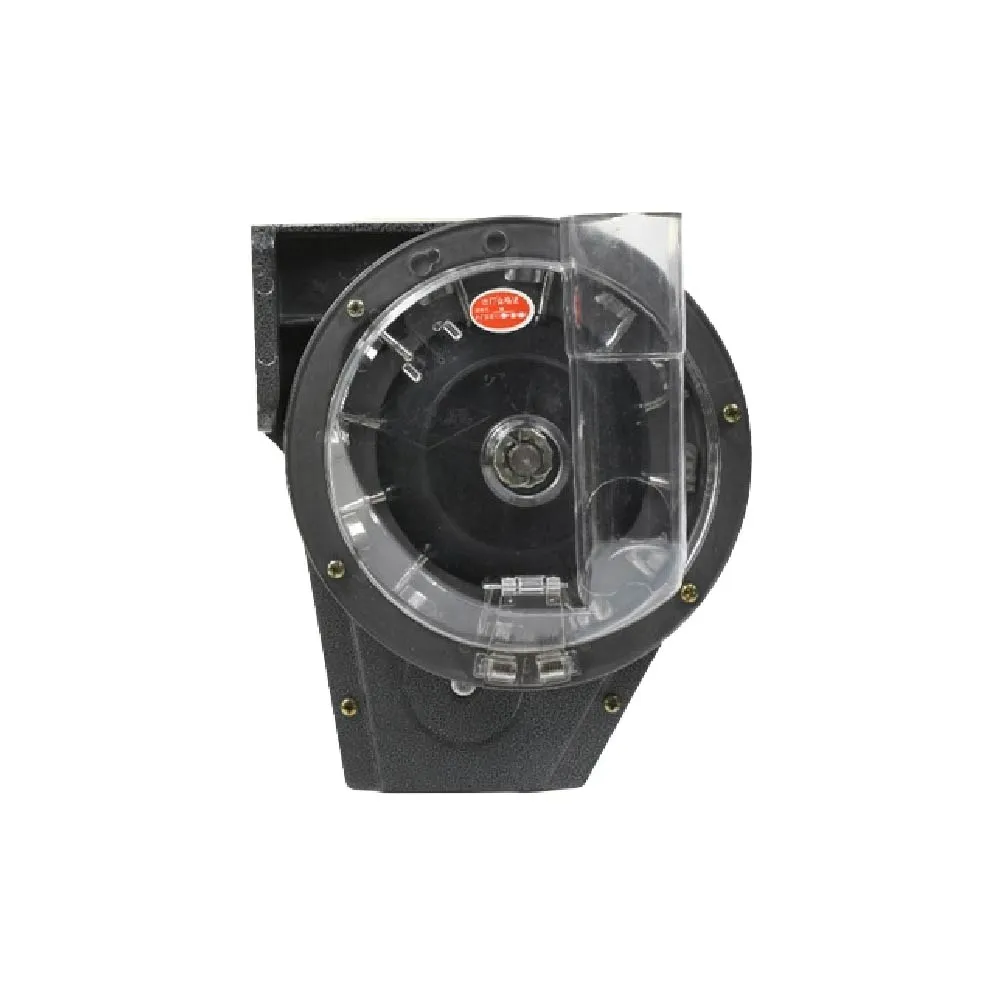
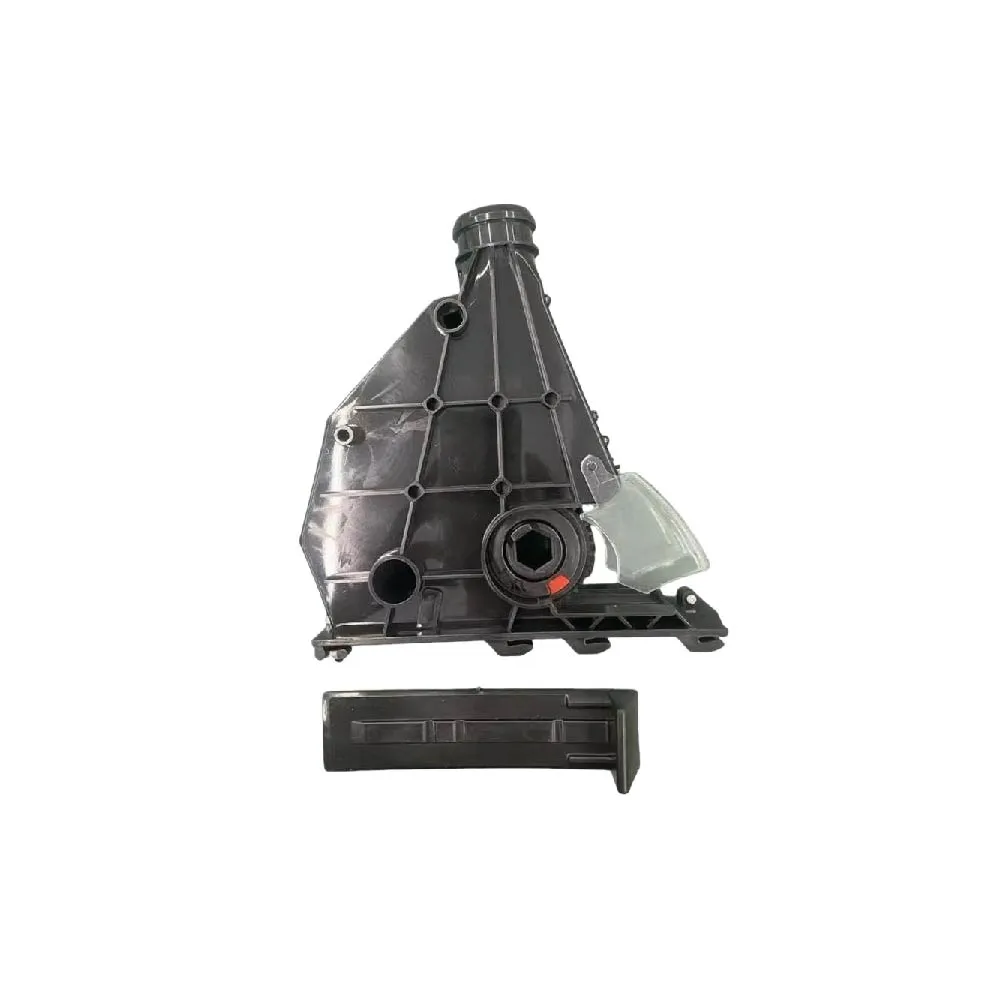
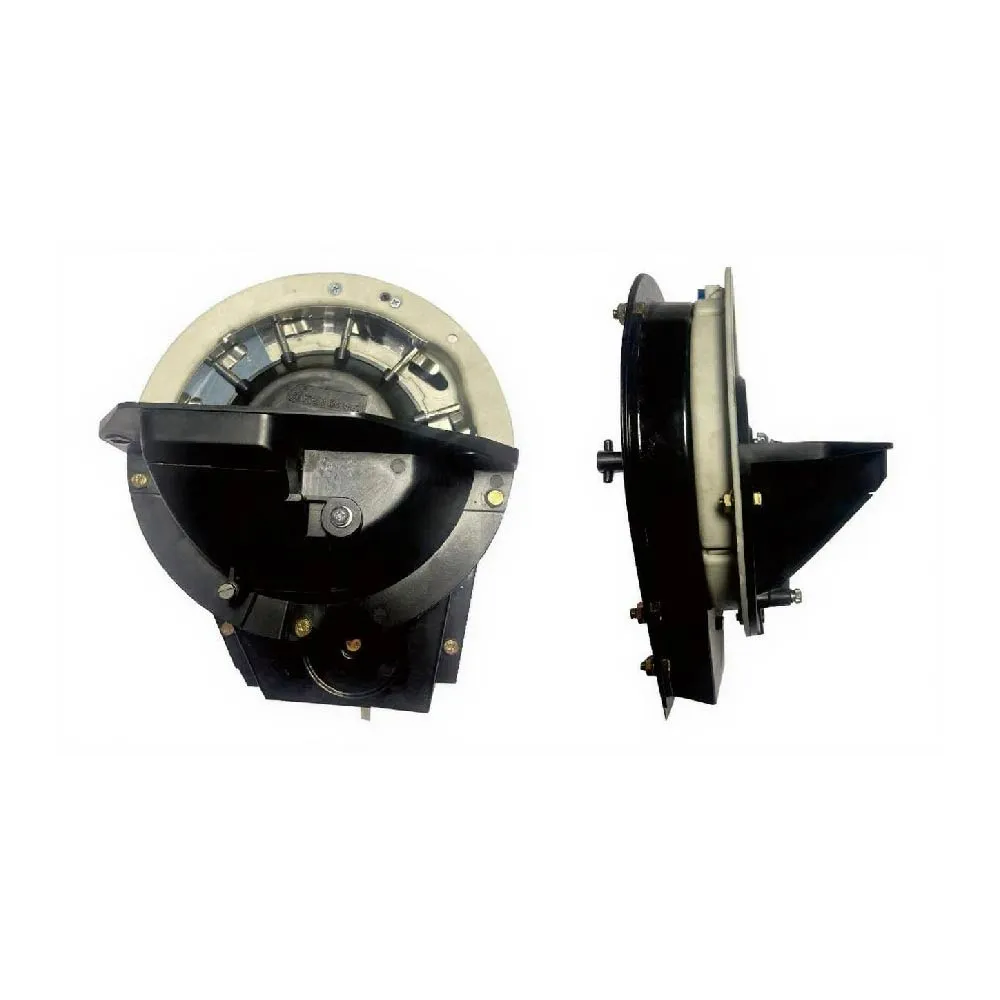
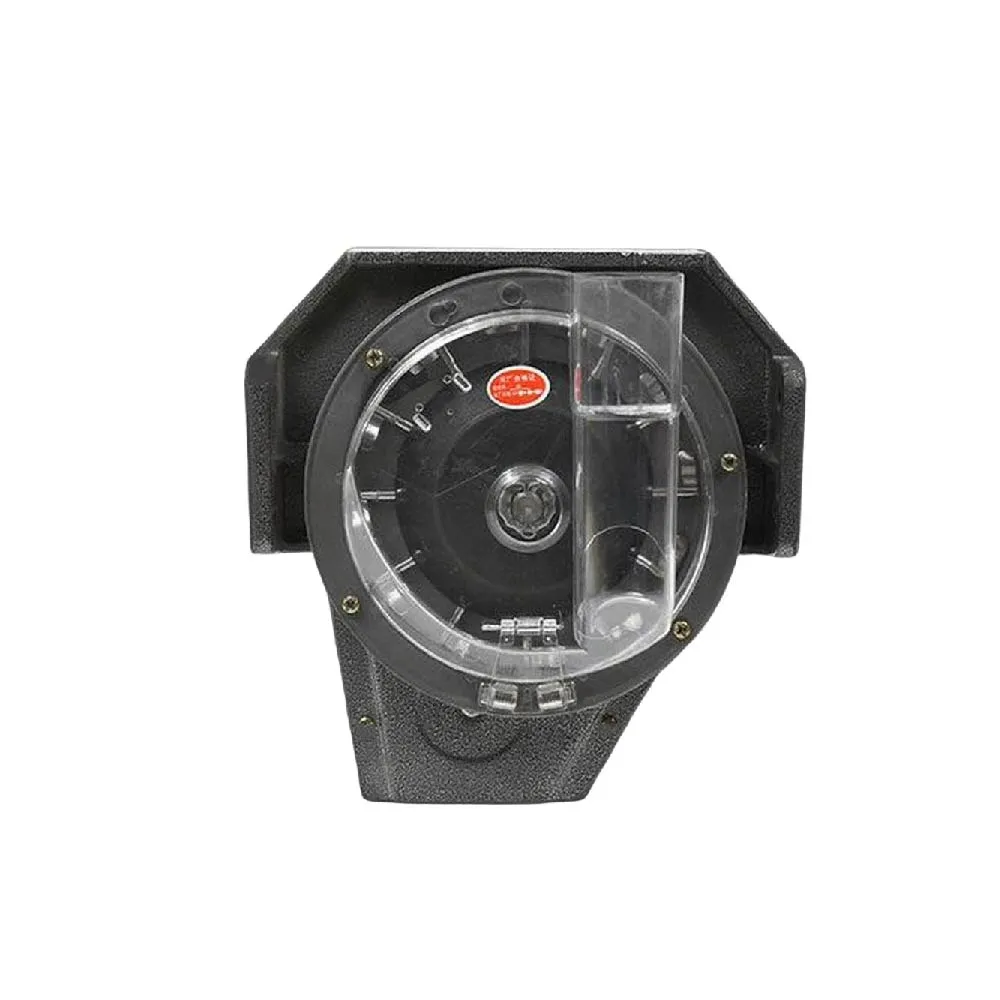
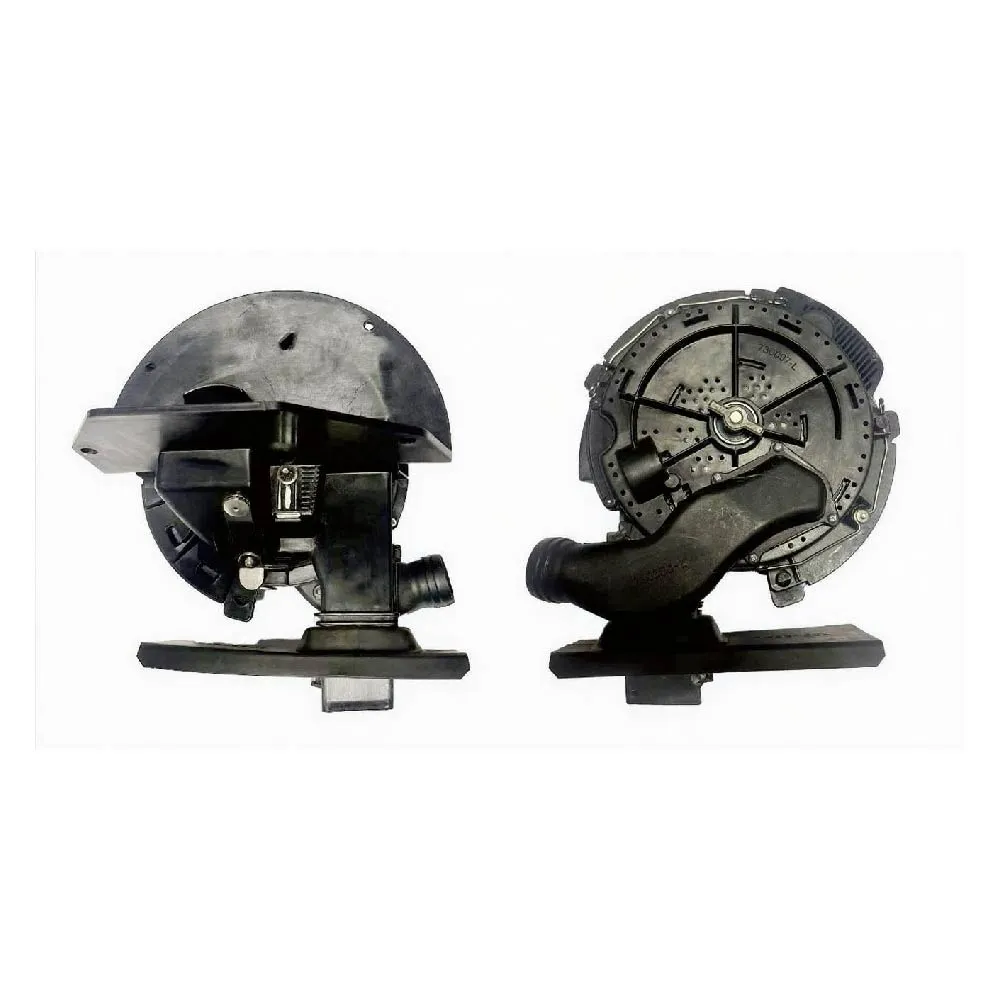
Product Description
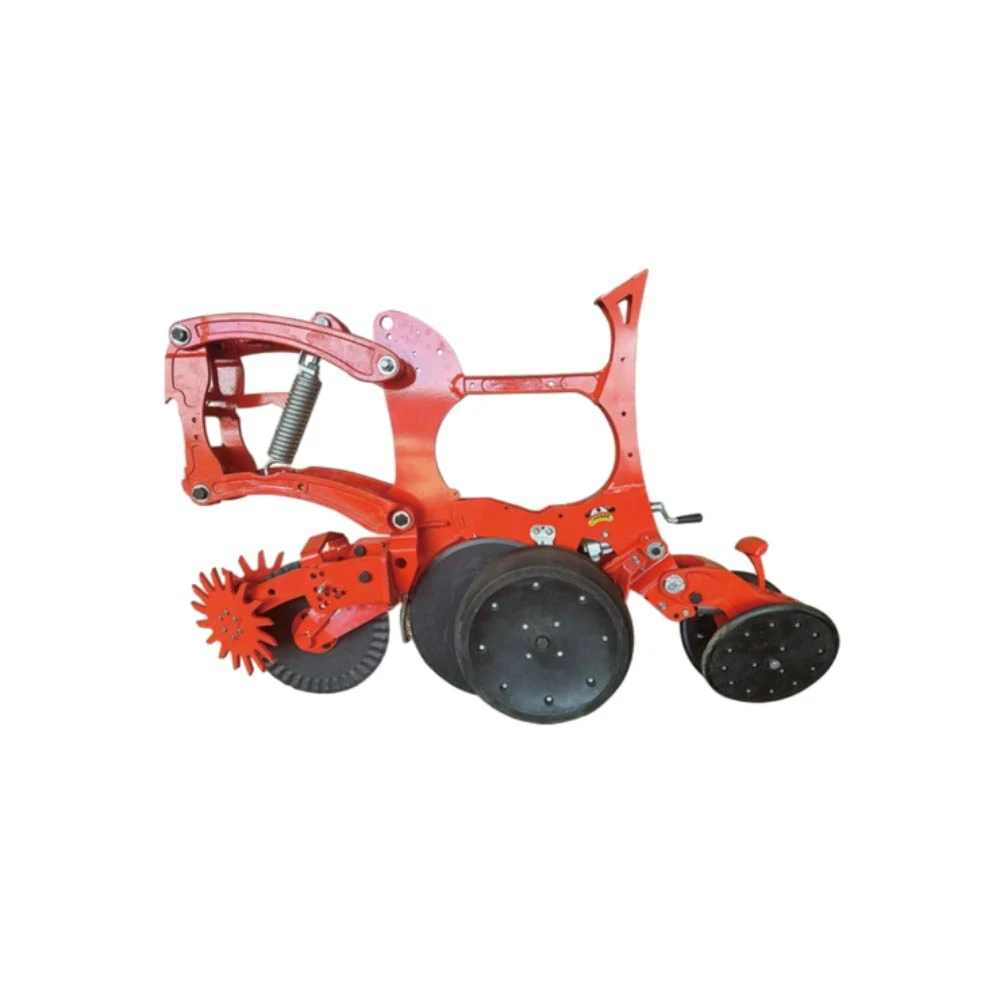
The Seeding Device is a cutting-edge agricultural tool engineered to revolutionize the way seeds are planted, combining precision, efficiency, and user-friendliness to meet the diverse needs of modern farmers, gardeners, and agricultural enterprises. Designed with both small-scale backyard gardens and large-scale commercial farms in mind, this device eliminates the inconsistencies and inefficiencies of traditional manual seeding methods, ensuring that every seed is sown at the optimal depth, spacing, and density for maximum germination rates and crop yield.
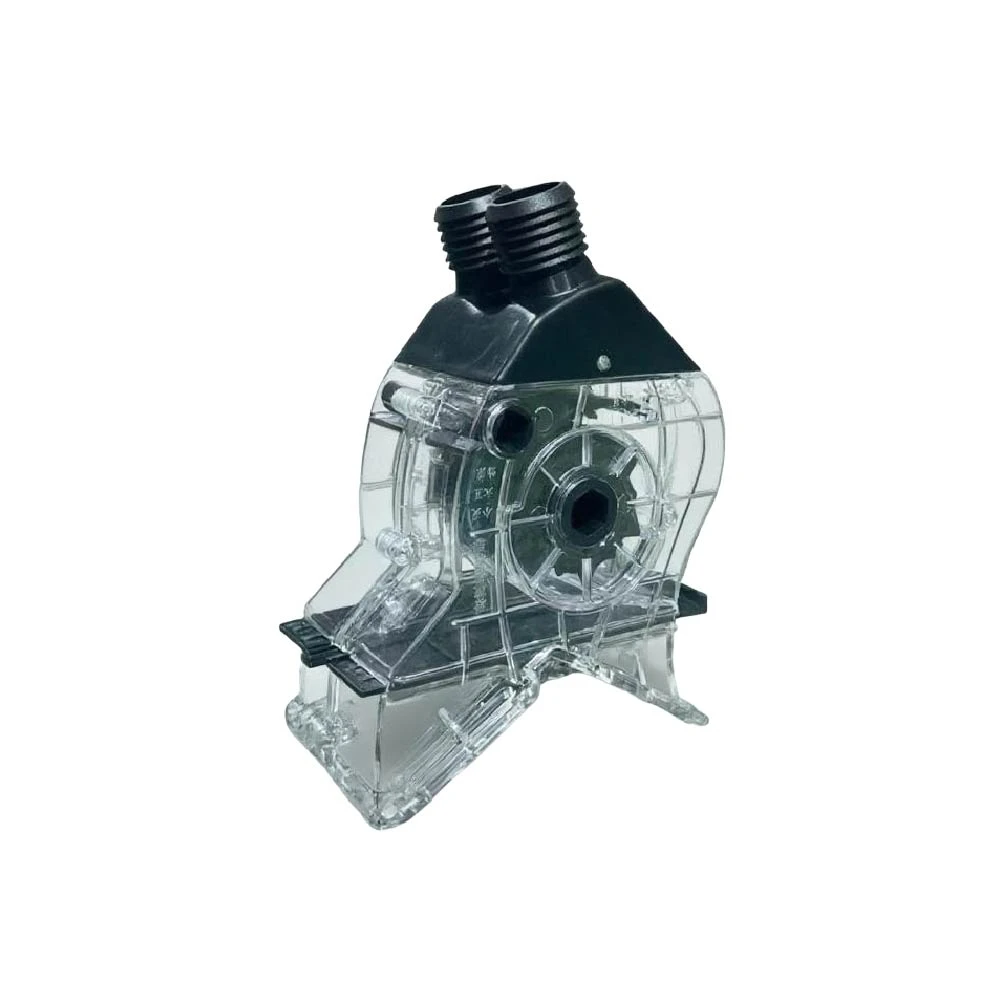
At its core, the Seeding Device features an advanced seed metering system that uses high-precision sensors and adjustable mechanisms to handle a wide range of seed types—from tiny vegetable seeds (such as lettuce, carrots, and radishes) to larger grains (like wheat, corn, and barley) and even specialty seeds (including flowers and herbs). The metering system prevents seed clogging and ensures uniform distribution, a critical factor in avoiding overcrowding (which leads to competition for nutrients and stunted growth) or sparse planting (which wastes valuable soil space).
The device is also equipped with a customizable depth control feature, allowing users to adjust the planting depth based on the specific requirements of each seed variety. For example, shallow-rooted seeds like lettuce can be planted just 0.5 inches deep, while deeper-rooted crops like corn may require a depth of 2–3 inches. This flexibility ensures that seeds are placed in the ideal soil layer, where they can access the right amount of moisture, warmth, and nutrients to sprout quickly and healthily.
In terms of design, the Seeding Device prioritizes durability and ease of use. Its body is constructed from high-quality, weather-resistant materials (such as reinforced plastic and corrosion-resistant metal) that can withstand harsh outdoor conditions, including rain, extreme temperatures, and rough handling. The ergonomic handle provides a comfortable grip, reducing fatigue during long planting sessions, and the lightweight design (typically weighing between 5–10 pounds, depending on the model) makes it easy to maneuver across different terrains—whether it’s a flat farm field, a sloped garden bed, or a rocky patch of soil.
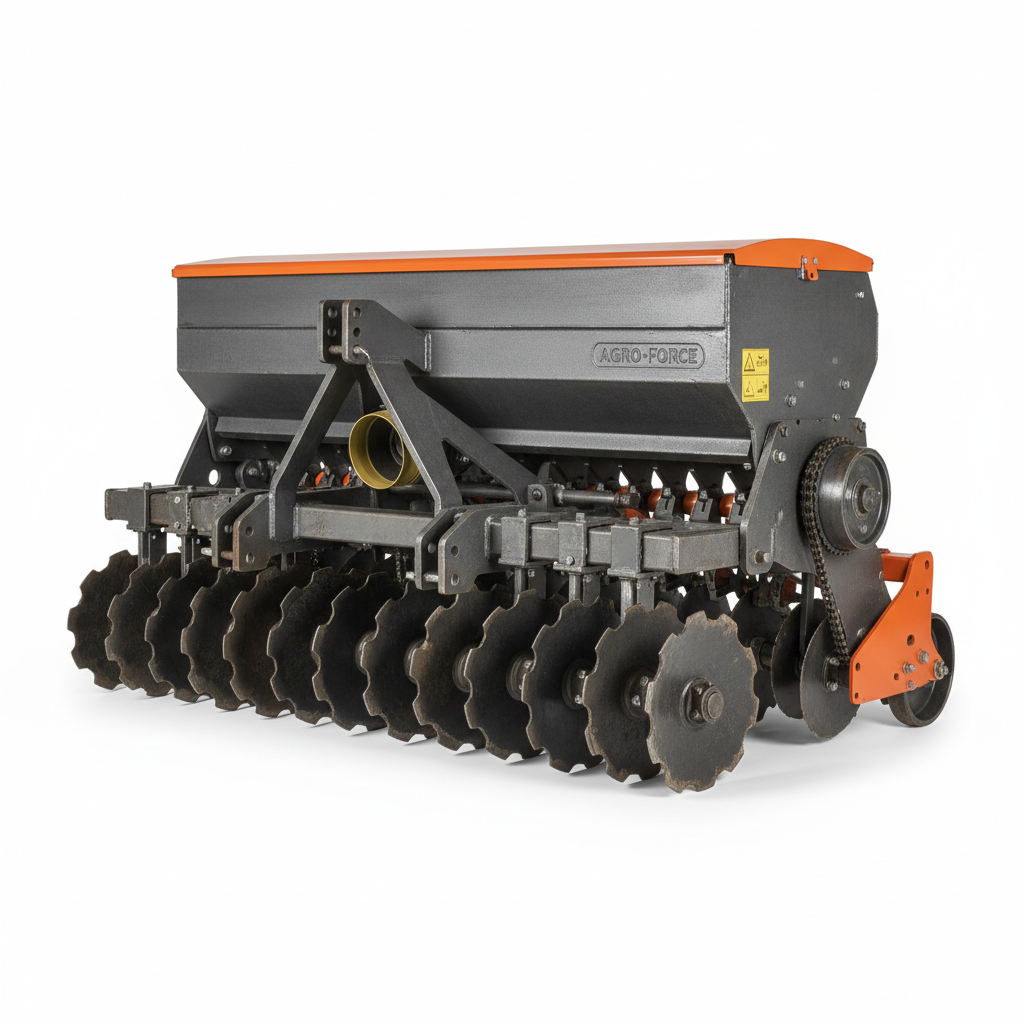
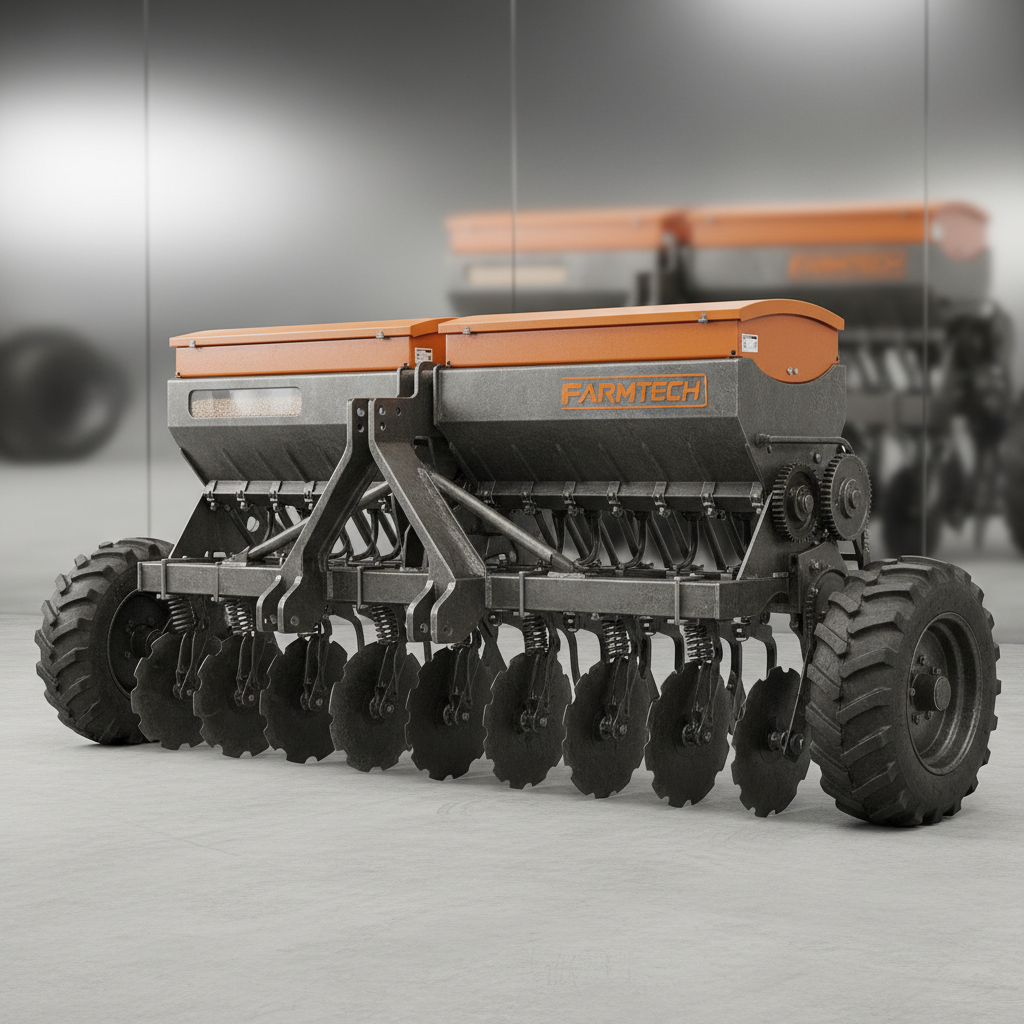
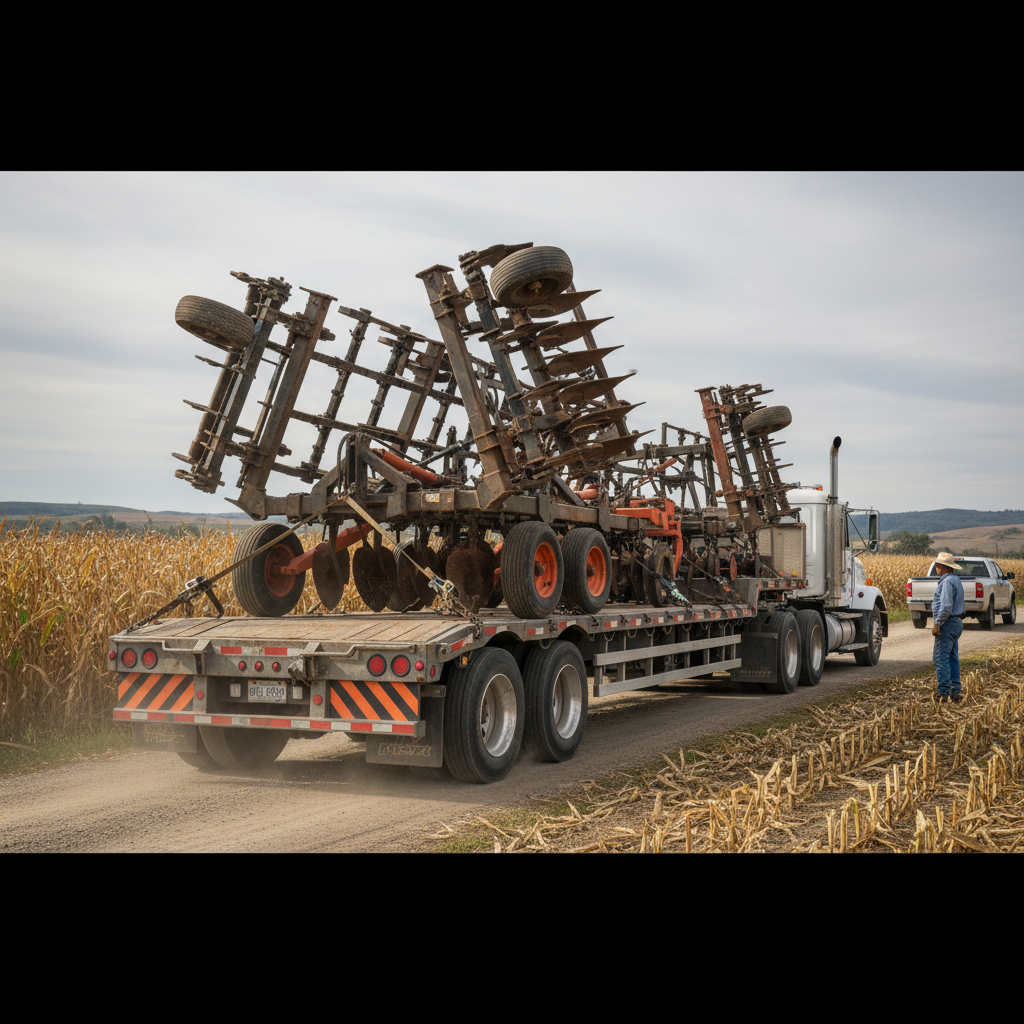
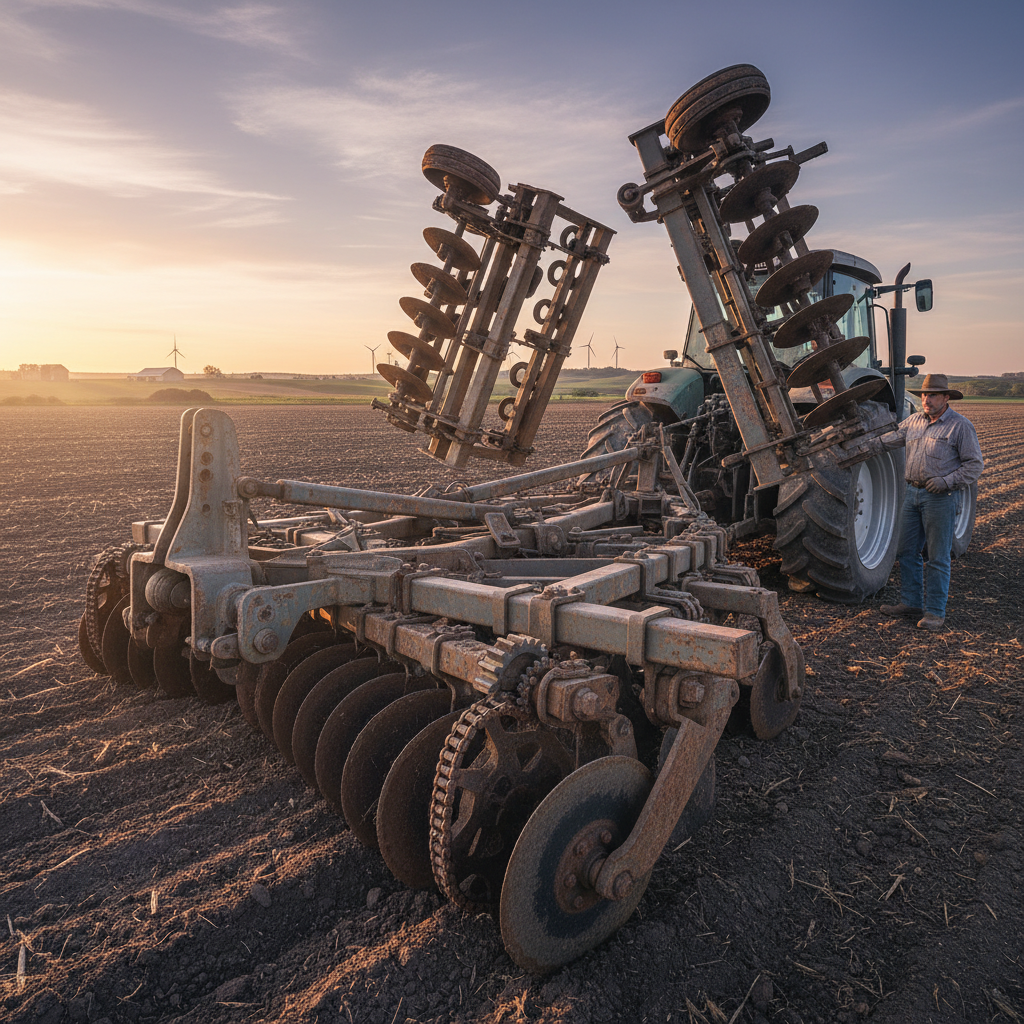
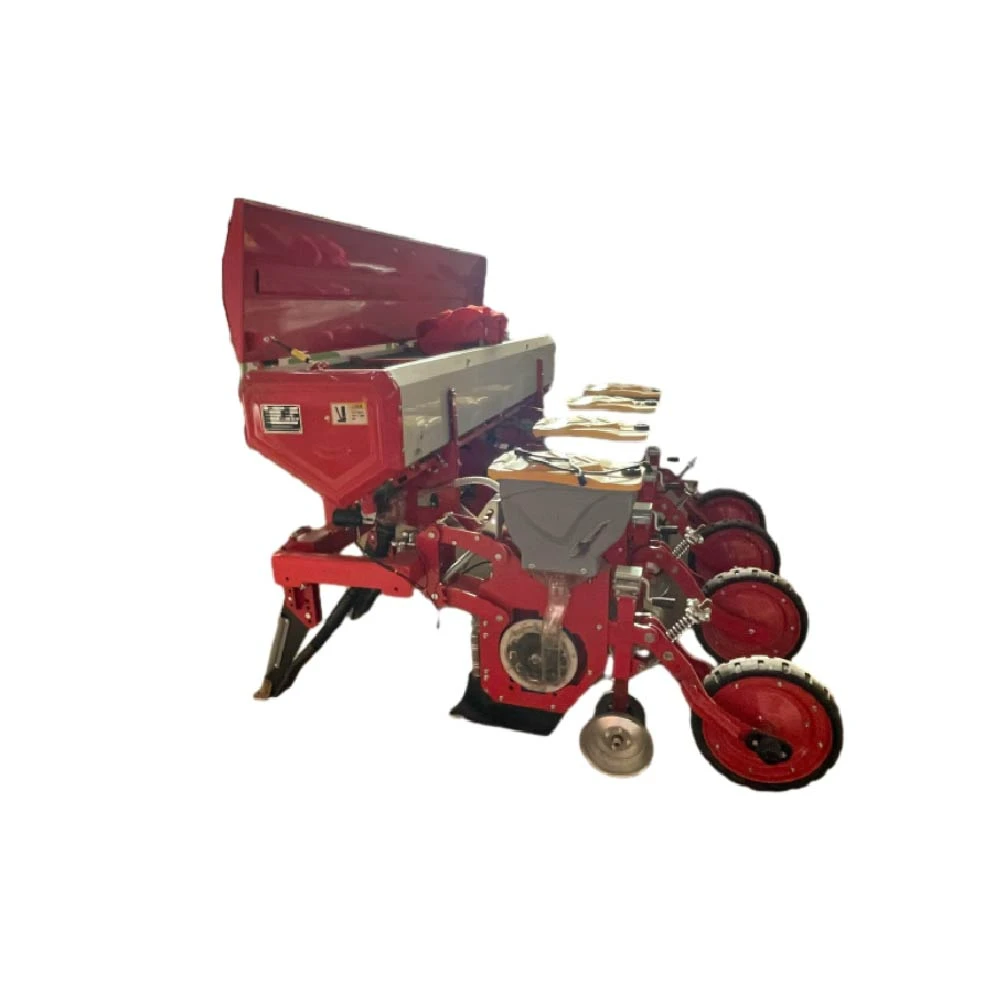
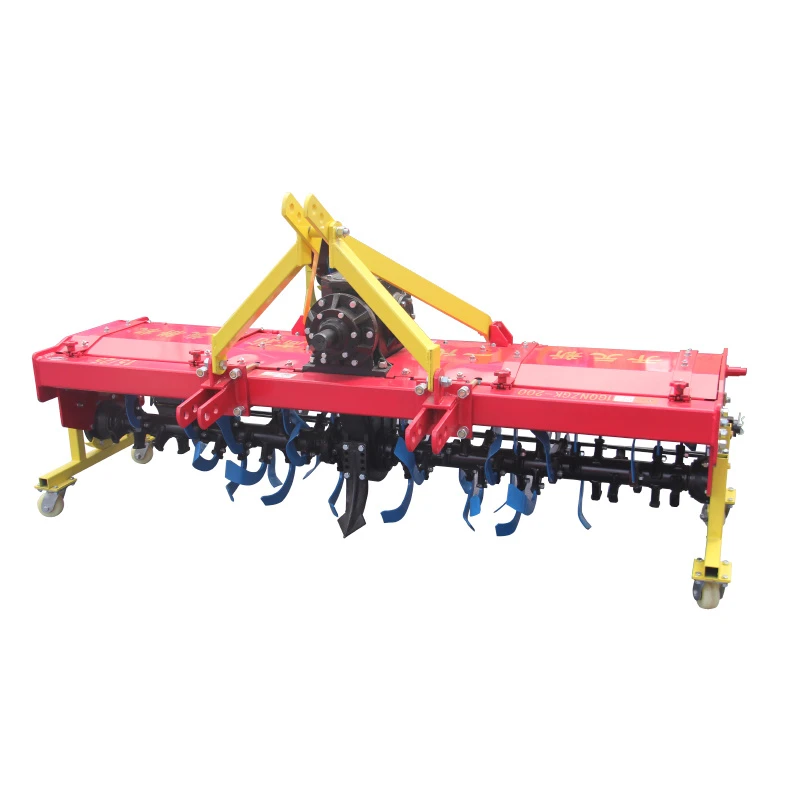
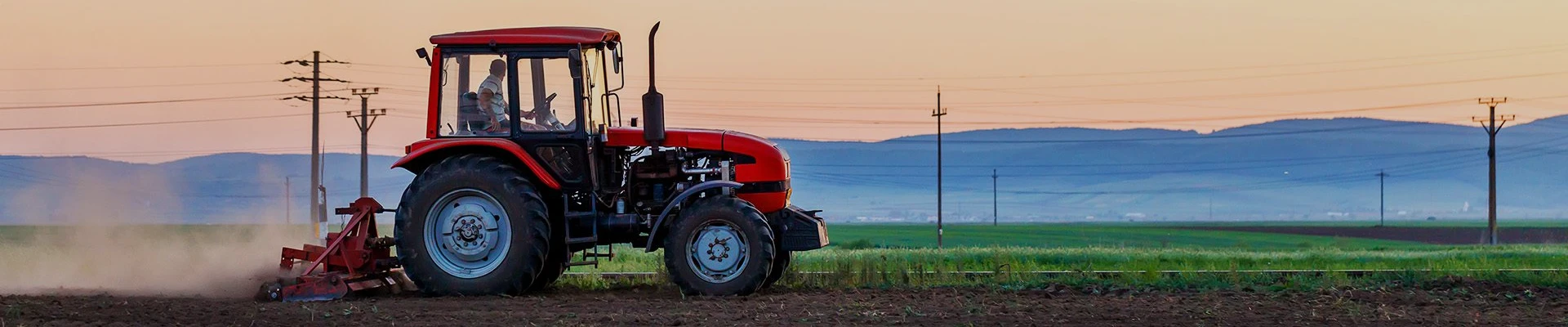
For commercial farmers, larger models of the Seeding Device can be attached to tractors or other agricultural machinery, enabling rapid planting over hundreds of acres. These industrial-grade versions come with additional features, such as GPS integration for precise row alignment, automated seed refilling alerts, and compatibility with variable-rate planting technology (which adjusts seed density based on soil fertility maps, optimizing resource use and crop output). Even small-scale users benefit from practical add-ons, like a detachable seed hopper for easy cleaning and storage, and a foldable design that saves space in garages or tool sheds.
Beyond its functional features, the Seeding Device is also designed with sustainability in mind. By ensuring accurate seed placement, it reduces the need for excess seeds (cutting down on waste and costs) and minimizes the need for post-planting thinning (which saves time and labor). Additionally, the device’s efficient design reduces soil compaction compared to traditional plowing and seeding methods, preserving soil structure and promoting long-term soil health—an essential factor in sustainable agriculture. Whether used for growing food crops, ornamental plants, or cover crops to protect soil during off-seasons, the Seeding Device is a versatile tool that adapts to a wide range of agricultural and horticultural needs.
Product Short Description
The Seeding Device is a precision-engineered tool that simplifies and optimizes seed planting for farmers, gardeners, and agricultural professionals. Compatible with all seed types—from small vegetables to large grains—it ensures uniform seed spacing, adjustable planting depth, and minimal waste, boosting germination rates and crop yields. Available in lightweight, handheld models for small gardens and tractor-mountable, industrial versions for large farms, it features durable, weather-resistant construction, ergonomic design, and sustainability-focused features to reduce seed waste and soil compaction. Perfect for anyone seeking to save time, cut costs, and achieve consistent, successful planting results.
Product Advantages
1.Unmatched Precision for Higher Germination Rates
The Seeding Device’s advanced seed metering system and adjustable depth control eliminate the guesswork of manual planting. By ensuring every seed is placed at the exact depth and spacing required for its variety, it significantly increases germination rates—often by 20–30% compared to traditional methods. This precision also reduces overcrowding, which means seedlings have more access to nutrients, water, and sunlight, leading to stronger, healthier plants and higher overall crop yields. For example, a gardener planting carrots with the device will avoid the common issue of uneven spacing that forces tedious thinning later, while a farmer planting corn will ensure rows are perfectly aligned for easier irrigation and harvesting.
2.Time and Labor Savings
Manual seeding is a labor-intensive, time-consuming task—especially for large areas. The Seeding Device streamlines this process: handheld models can plant up to 500 square feet per hour, while tractor-mounted industrial models can cover hundreds of acres in a single day. This efficiency frees up users to focus on other critical tasks, such as soil preparation, pest control, and crop maintenance. Additionally, the device’s easy-to-clean design and low maintenance requirements reduce downtime; unlike traditional seeding tools that often get clogged with soil or seeds, the Seeding Device’s detachable hopper and smooth internal mechanisms make cleaning quick and hassle-free.
3.Versatility Across Seed Types and Applications
One of the Seeding Device’s key strengths is its ability to handle virtually any seed type, from tiny herb seeds (as small as 1mm) to large bean or corn seeds. This versatility makes it a one-tool solution for diverse planting needs: a home gardener can use it to plant a mix of lettuce, tomatoes, and flowers in the same session, while a commercial farmer can switch between wheat, soybeans, and cover crops without needing multiple tools. The device also adapts to different terrains—flat fields, sloped gardens, and even raised beds—thanks to its lightweight design (for handheld models) or tractor compatibility (for large-scale use), making it suitable for urban gardens, rural farms, and everything in between.
4.Cost-Effective and Sustainable
By reducing seed waste (up to 40% less seed is needed compared to broadcasting or manual planting), the Seeding Device lowers input costs for users. It also minimizes the need for post-planting thinning, which saves on labor costs and reduces plant loss. Additionally, the device’s design promotes soil health: its gentle planting action reduces soil compaction, preserving soil structure and fertility over time. For farmers and gardeners focused on sustainability, this means less reliance on chemical fertilizers (since healthy soil naturally provides nutrients) and a reduced environmental footprint—aligning with modern agricultural practices that prioritize long-term ecological health.
5.Durability and User-Friendly Design
Built to withstand the rigors of outdoor use, the Seeding Device is constructed from high-quality, weather-resistant materials that resist rust, cracking, and wear. The ergonomic handle reduces hand and arm fatigue during extended use, and the intuitive controls make it easy for users of all skill levels—from beginner gardeners to experienced farmers—to operate. For commercial users, features like GPS integration and automated alerts further enhance usability, ensuring that planting is not only efficient but also accurate and reliable.
1: How to Choose the Right Seeding Device for Your Agricultural Needs
Selecting the ideal Seeding Device requires careful consideration of your specific planting goals, scale of operation, and seed types—factors that directly impact the device’s performance and your overall success. For small-scale users, such as backyard gardeners or urban farmers, handheld Seeding Devices are the most practical choice. These models are lightweight (usually 5–7 pounds), easy to store, and designed for planting in small beds or containers. When evaluating handheld options, look for features like adjustable seed size settings (to accommodate everything from lettuce seeds to pea seeds) and a clear seed hopper that lets you monitor seed levels at a glance. Additionally, a comfortable, non-slip handle is essential for reducing fatigue during long planting sessions, especially if you have a large garden.
For medium-scale operations, such as community gardens or small farms (1–10 acres), a push-behind Seeding Device may be more suitable. These models typically have larger seed hoppers (holding 1–2 pounds of seed) and wider planting widths (2–3 rows at a time), allowing you to cover more area without frequent refills. Push-behind devices often come with additional features like depth control levers (for easy adjustments on the go) and wheel alignment guides (to ensure straight rows), making them a step up from handheld models in terms of efficiency.
For large-scale commercial farmers (10+ acres), tractor-mounted or pull-behind Seeding Devices are the only viable option. These industrial-grade models are designed to attach to standard farm tractors and can plant 10–20 rows at once, covering hundreds of acres per day. When choosing a tractor-mounted device, prioritize features like GPS integration (for precise row spacing and alignment, which is critical for large fields), variable-rate planting technology (to adjust seed density based on soil fertility), and automated seed level sensors (to alert you when the hopper needs refilling). Durability is also a key factor—look for models with reinforced steel frames and corrosion-resistant components that can withstand heavy use and harsh weather conditions.
Another important consideration is the type of seeds you plan to plant. If you primarily grow small, delicate seeds (like herbs or carrots), choose a Seeding Device with a fine metering system that prevents clogging and ensures uniform distribution. For larger seeds (like corn or beans), a device with a more robust metering mechanism (such as a rotary disc or vacuum system) will handle the seeds without damage. Some advanced models even come with interchangeable metering plates, allowing you to switch between seed types quickly—ideal for users who grow a diverse range of crops.
Finally, consider your budget and long-term needs. Handheld Seeding Devices are the most affordable (ranging from 50–200), while push-behind models cost between 200–500, and tractor-mounted versions can range from 1,000–10,000 or more. While it may be tempting to opt for a cheaper model, investing in a higher-quality device with durable construction and useful features will save you money in the long run by reducing maintenance costs and increasing efficiency. Additionally, look for brands that offer warranties (1–5 years) and good customer support, as this ensures you can get help if the device needs repairs or adjustments. By taking the time to assess your needs and compare different models, you can choose a Seeding Device that will meet your planting goals for years to come.
2: Maintenance Tips to Extend the Lifespan of Your Seeding Device
Proper maintenance is essential to keep your Seeding Device operating at peak performance and extend its lifespan—ensuring that it continues to deliver precise, efficient planting results for years. Whether you own a handheld model or an industrial tractor-mounted device, following a regular maintenance routine will prevent breakdowns, reduce repair costs, and preserve the device’s key components (such as the seed metering system, depth control mechanisms, and moving parts). Below are key maintenance tips tailored to different types of Seeding Devices, along with best practices for long-term care.
1. Clean the Device After Every Use
One of the most critical maintenance steps is cleaning the Seeding Device immediately after planting—before soil, seed debris, or moisture can build up and cause damage. For handheld and push-behind models:
•Start by emptying any remaining seeds from the hopper. Use a soft brush (like a paintbrush or toothbrush) to remove loose debris from the hopper’s interior, paying special attention to the seed metering opening (which can easily become clogged with dirt or small seed fragments).
•Wipe down the exterior of the device with a damp cloth to remove soil and grime. Avoid using harsh chemicals or pressure washers, as these can damage the device’s plastic components or corrode metal parts.
•For the depth control mechanism (usually a metal rod or lever), apply a small amount of lubricating oil (such as vegetable oil or machine oil) to keep it moving smoothly. Be sure to wipe off any excess oil to prevent attracting dirt.
For tractor-mounted Seeding Devices:
•After use, detach the device from the tractor (following the manufacturer’s instructions) and inspect the entire unit for damage, such as bent metal frames or cracked hoppers.
•Use a compressed air blower to clear debris from hard-to-reach areas, such as the GPS sensor (if equipped) and the seed delivery tubes.
•Clean the seed metering system thoroughly—many industrial models have removable metering plates or rollers that can be soaked in warm, soapy water to remove stubborn debris. Dry these components completely before reattaching them to prevent rust.
2. Inspect and Replace Wearable Parts Regularly
Over time, certain parts of the Seeding Device will wear out due to regular use—especially the seed metering components, gaskets, and wheels (for push-behind models). To avoid unexpected breakdowns, inspect these parts every 10–15 hours of use (or at the end of each planting season, whichever comes first):
•Seed Metering System: Check for signs of wear, such as cracks in the metering plate or worn rubber rollers. If the device is no longer distributing seeds uniformly, it may be time to replace these parts. Most manufacturers sell replacement metering kits that include all necessary components.
•Gaskets and Seals: These parts prevent seed leakage and moisture from entering the device’s internal components. If you notice seeds leaking from the hopper or moisture buildup inside, replace the gaskets immediately to avoid damage to the metering system.
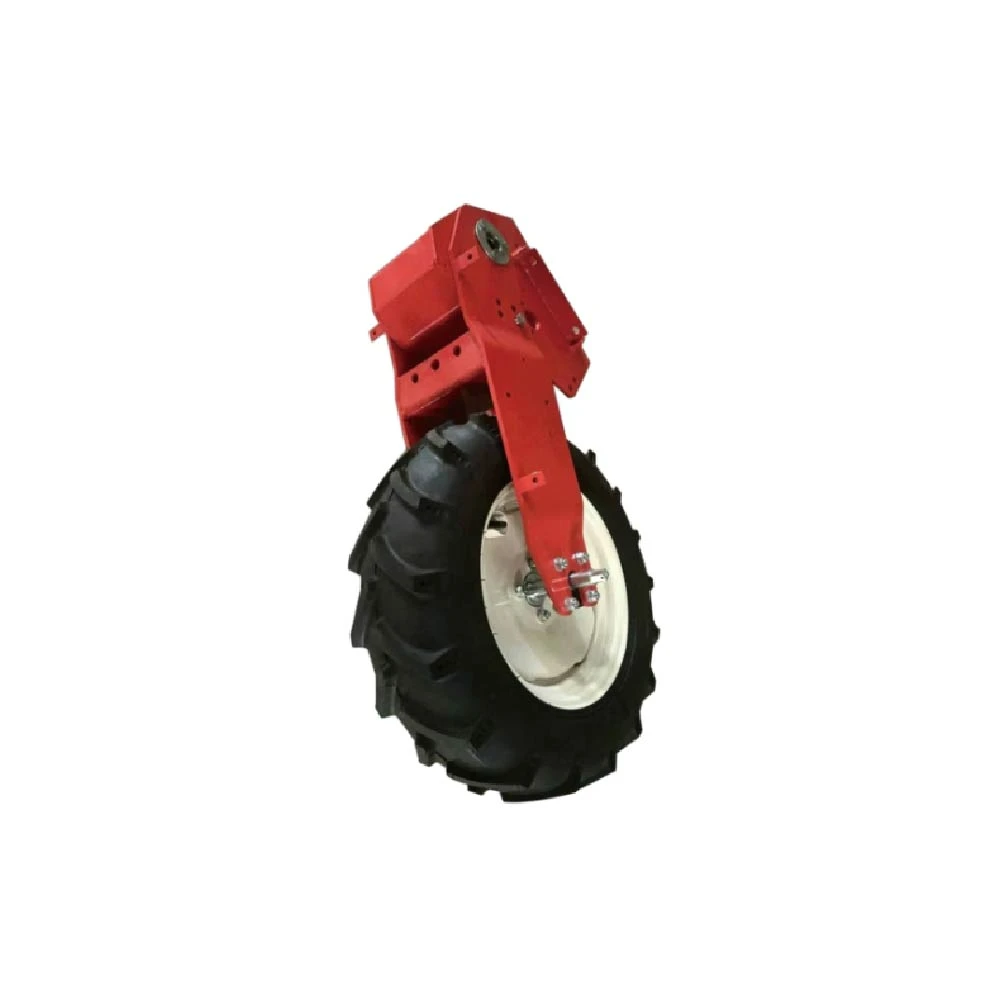
•Wheels and Axles: For push-behind models, inspect the wheels for cracks or excessive wear. If the wheels are no longer rolling smoothly, replace them with compatible replacements. Lubricate the axles with oil every few uses to prevent rust and ensure smooth movement.
3. Store the Device Properly During Off-Seasons
Proper storage is key to protecting your Seeding Device from damage during periods of non-use (such as winter for most farmers). Follow these storage tips:
•Clean Thoroughly First: Before storing, ensure the device is completely clean and dry. Any remaining soil or moisture can lead to rust, mold, or pest infestations (such as mice nesting in the hopper).
•Disassemble (If Possible): For handheld models, remove the seed hopper and store it separately to save space. For tractor-mounted models, detach any removable components (like GPS sensors or metering plates) and store them in a dry, protected area (such as a toolbox) to prevent loss or damage.
•Choose a Dry, Cool Location: Store the device in a garage, shed, or storage room that is free from moisture, extreme temperatures, and direct sunlight. Avoid storing it on the ground (where it can absorb moisture) — instead, place it on a shelf or hang it on a wall using hooks (for handheld models).
•Protect Against Rust: For metal components, apply a light coat of rust-inhibiting spray (such as WD-40) before storage. For plastic parts, avoid exposing them to direct sunlight for extended periods, as this can cause fading and cracking.
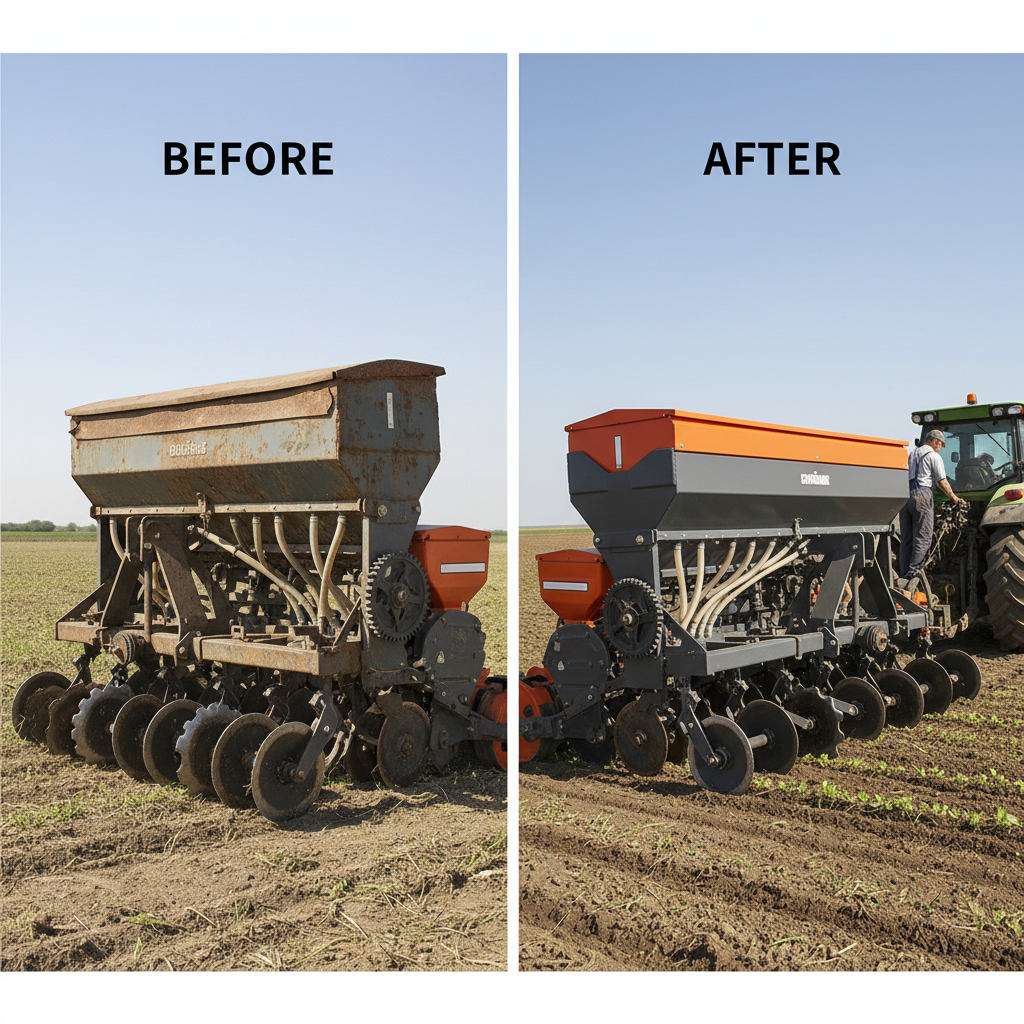
By following these maintenance tips, you can ensure that your Seeding Device remains in top condition, delivering reliable performance season after season. Regular cleaning, inspection, and proper storage will not only extend the device’s lifespan but also save you time and money on repairs—allowing you to focus on what matters most: growing healthy, productive crops.
corn sowing
direct sow corn
maize sowing machine
sow sweet corn