
Modern agriculture relies heavily on efficient and reliable farm machinery to maximize yields and minimize labor costs. From planting and harvesting to soil preparation and livestock management, a wide array of equipment is essential for successful farming operations. This article provides a detailed look at the types of farm machinery used in agriculture, their benefits, advancements, and factors to consider when investing in this vital equipment. Understanding the role of these machines is crucial for optimizing agricultural practices and ensuring food security.
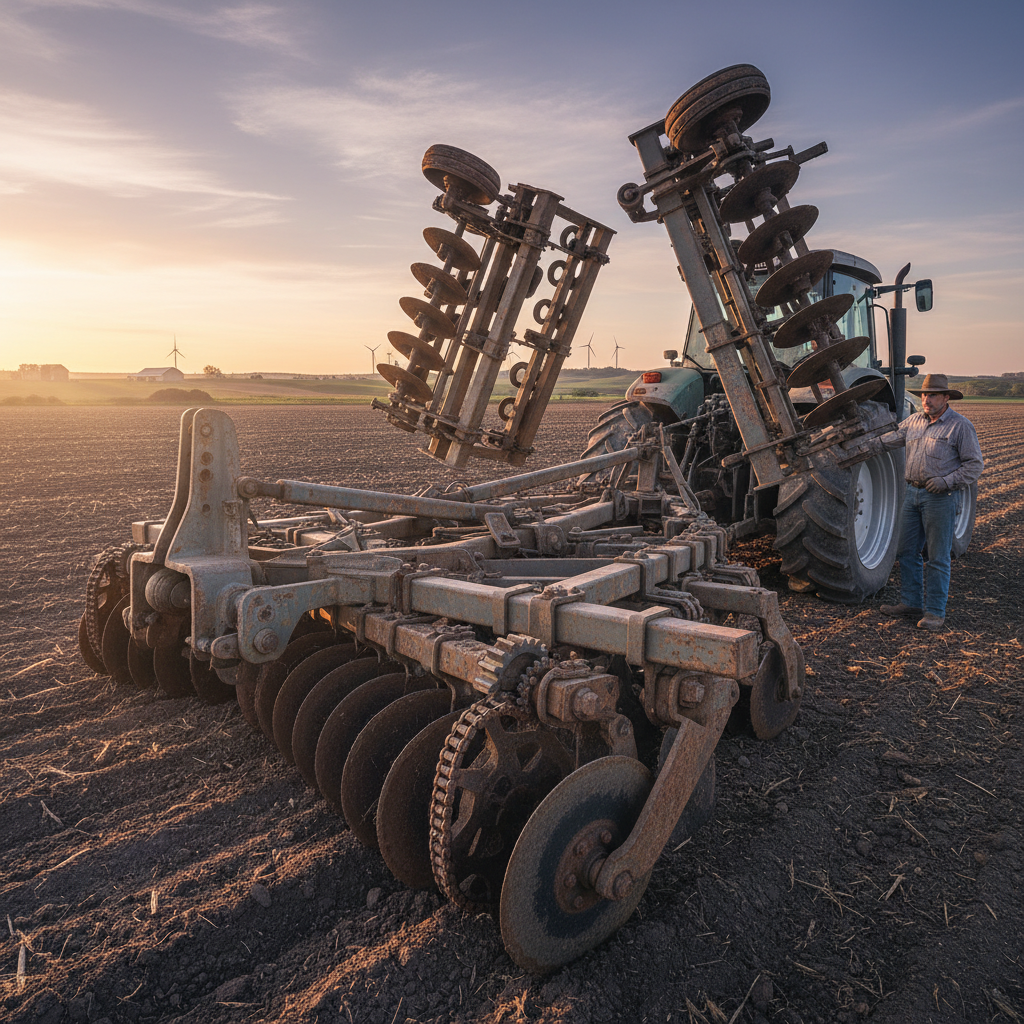
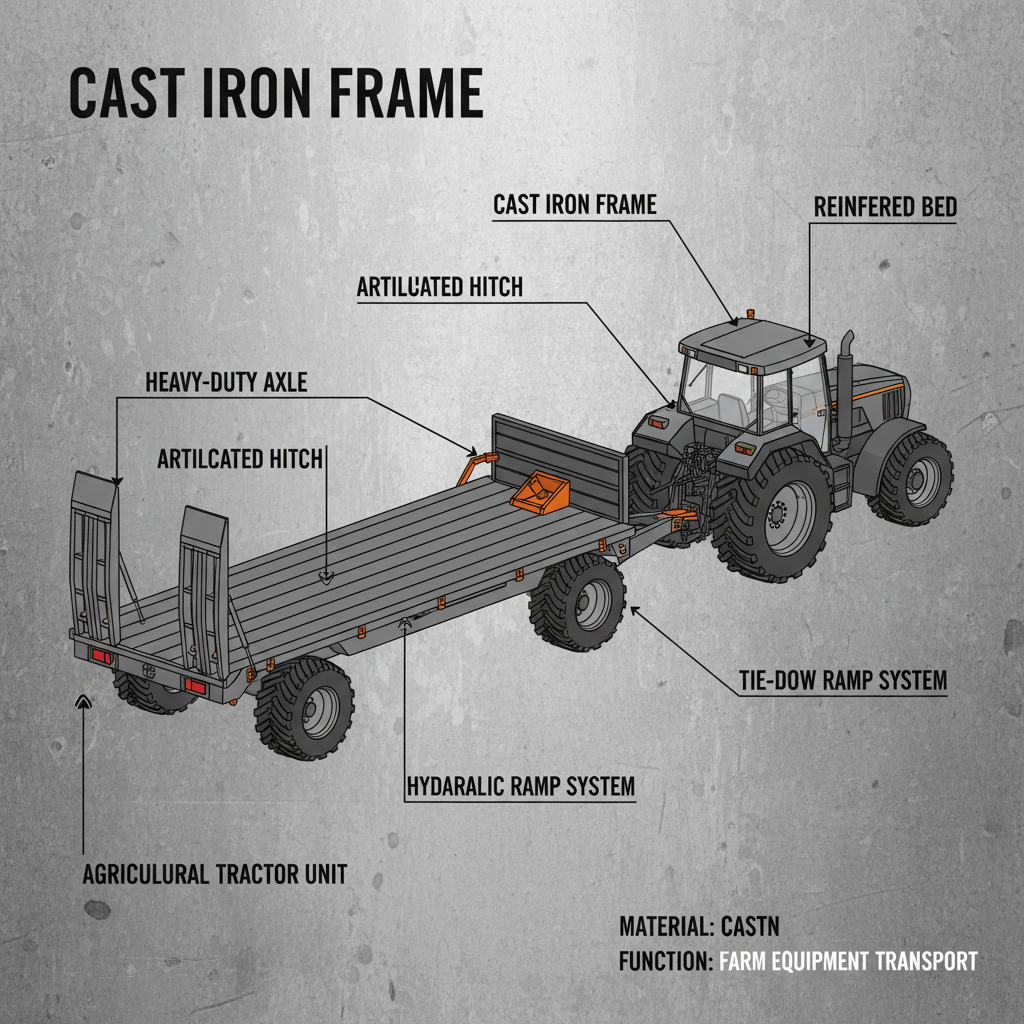
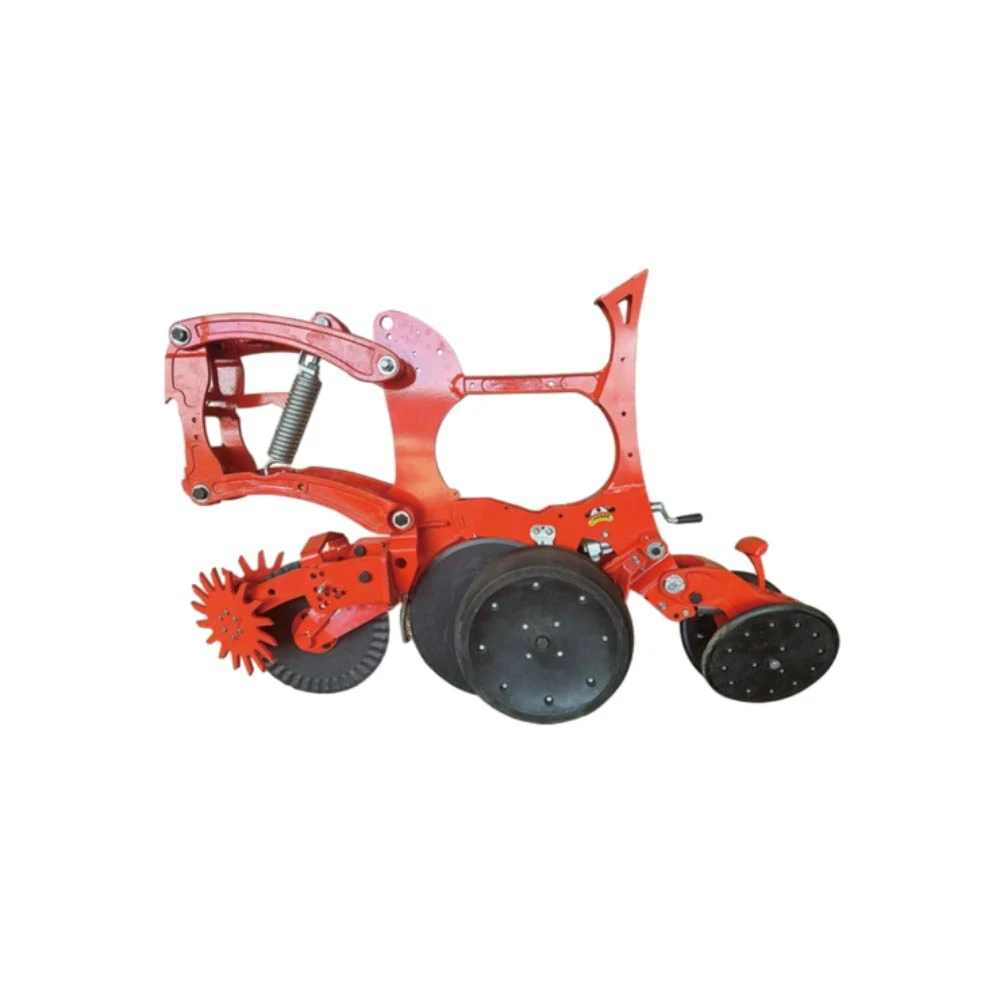
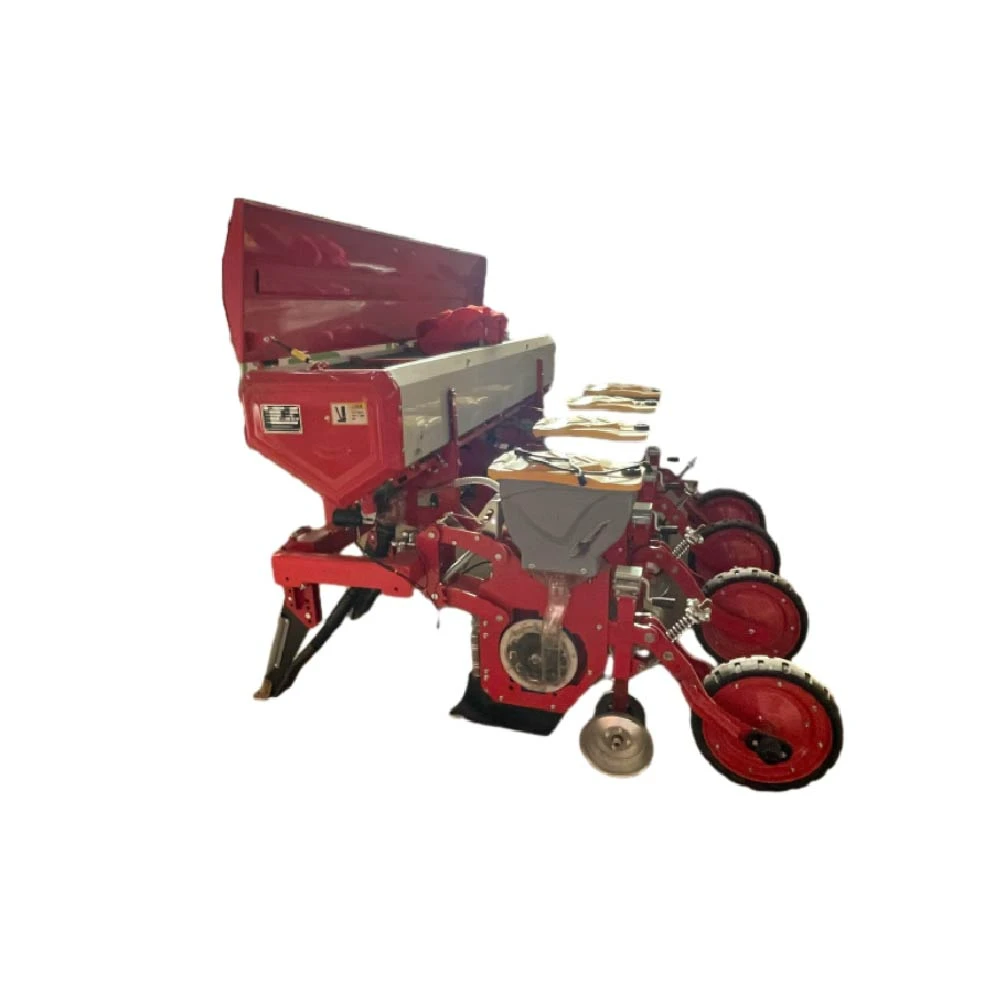
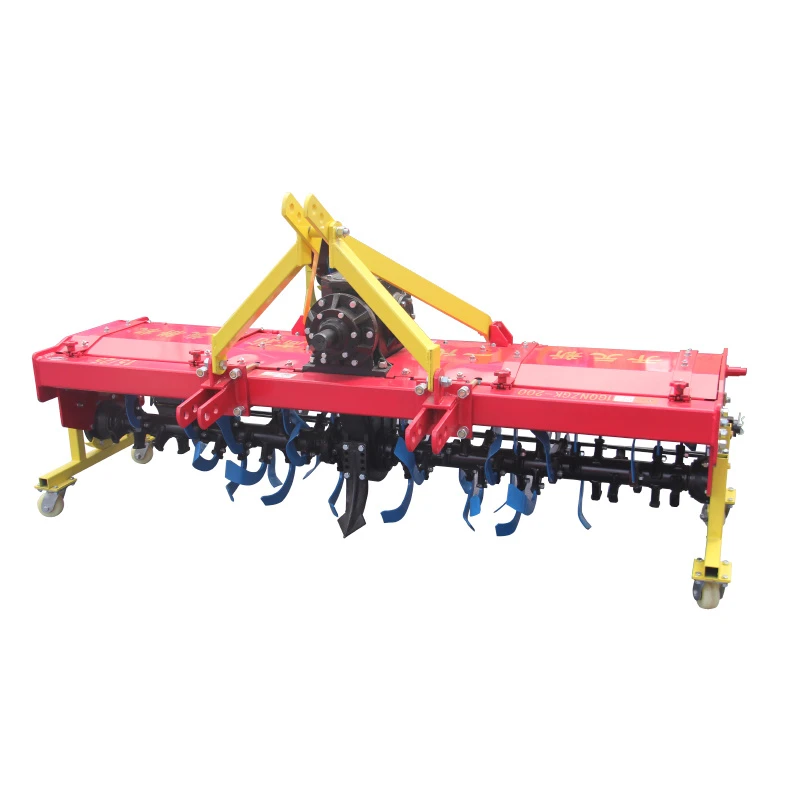
The world of farm machinery is diverse, encompassing tools for every stage of the agricultural process. Tractors are arguably the most versatile piece of equipment, used for a multitude of tasks like plowing, harrowing, planting, and hauling. Combines efficiently harvest crops like wheat, corn, and soybeans. Planters and seed drills precisely sow seeds for optimal growth. Other crucial equipment includes sprayers for applying fertilizers and pesticides, balers for hay and straw, and various implements for soil preparation and cultivation. Advancements in technology are continually introducing more specialized and efficient machines, tailored to specific crop types and farming practices.
Key Takeaway: Modern agriculture is impossible without a diverse range of specialized farm machinery designed to increase efficiency and productivity.
Implementing farm machinery offers substantial benefits to agricultural operations. Increased efficiency is a primary advantage, allowing farmers to complete tasks much faster than with manual labor. This leads to higher yields and increased profitability. Machinery also reduces the physical strain on farmworkers, improving their safety and well-being. Precision farming techniques, enabled by advanced machinery, minimize waste of resources like seeds, fertilizers, and water. Furthermore, efficient harvesting and processing reduce post-harvest losses, ensuring more of the crop reaches the market.
Benefits of Farm Machinery:
• Increased Efficiency & Productivity
• Reduced Labor Costs
• Improved Crop Yields
• Enhanced Precision & Resource Management
The farm machinery industry is experiencing rapid technological advancements. Precision agriculture technologies, such as GPS-guided tractors and variable-rate applicators, allow for targeted application of inputs, maximizing efficiency and minimizing environmental impact. Autonomous machinery, including self-driving tractors and drones, is becoming increasingly prevalent, promising to further reduce labor costs and improve efficiency. Data analytics and sensor technologies provide valuable insights into crop health, soil conditions, and machinery performance, enabling data-driven decision-making. The rise of IoT (Internet of Things) in agriculture connects machines and sensors, facilitating remote monitoring and control.
Selecting the appropriate farm machinery requires careful consideration of several factors. Farm size, crop types, soil conditions, and budget are all important determinants. It's crucial to assess your specific needs and prioritize equipment accordingly. Consider the long-term costs, including maintenance, repairs, and fuel consumption. Look for reliable brands with a proven track record and readily available parts and service. Finally, explore financing options and consider whether buying new or used equipment is the most cost-effective solution.
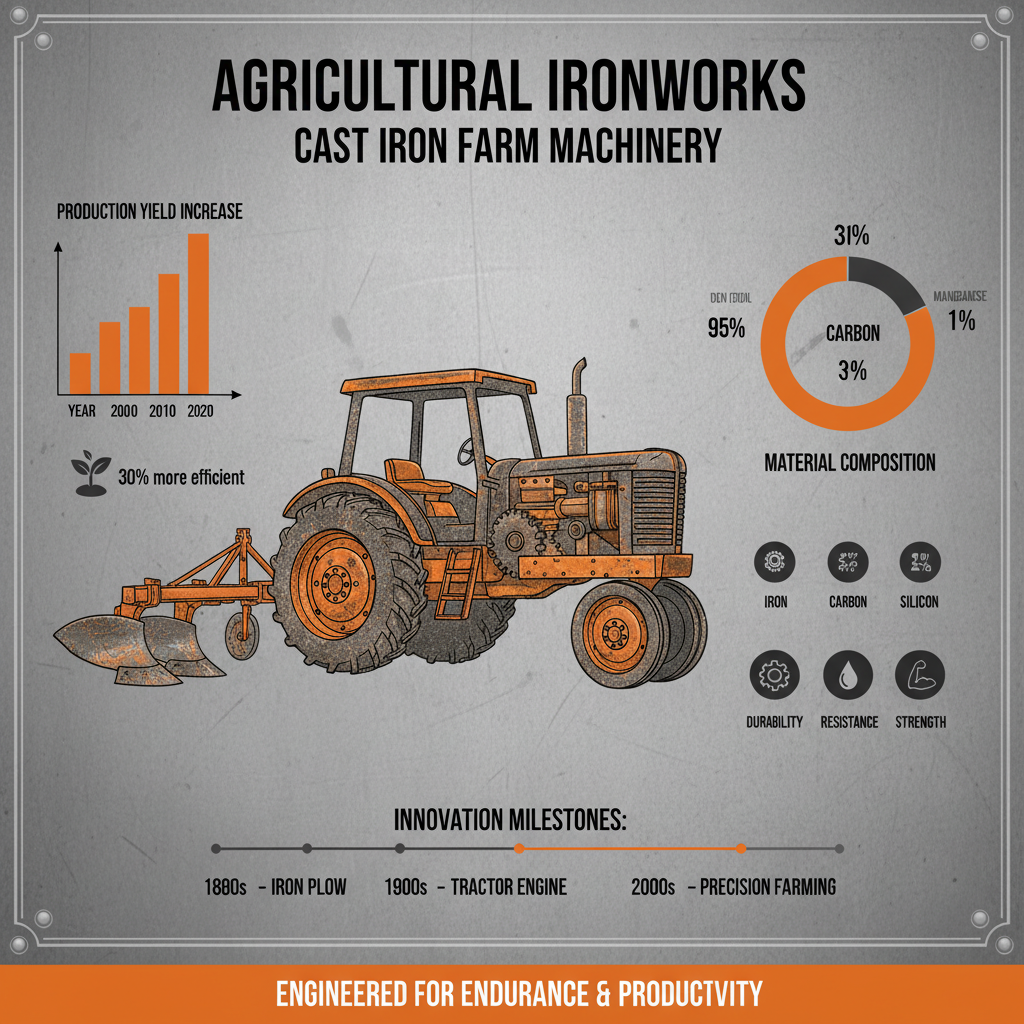
Proper maintenance is essential for maximizing the lifespan and performance of farm machinery. Regular inspections, lubrication, and cleaning can prevent costly repairs and downtime. Following the manufacturer's recommended maintenance schedule is crucial. Promptly address any issues or warning signs. Proper storage during the off-season can also protect equipment from the elements. Investing in quality parts and utilizing qualified technicians ensures that machinery remains in optimal working condition.
Investing in modern farm machinery is crucial for the sustainability and efficiency of agricultural operations. By embracing technological advancements and prioritizing proper maintenance, farmers can unlock significant benefits in terms of productivity, profitability, and environmental stewardship. Staying informed about the latest innovations and making strategic equipment choices will be key to thriving in the evolving agricultural landscape.
The cost of farm machinery varies greatly depending on the type, size, and features. A small tractor can range from $20,000 to $50,000, while a combine harvester can cost upwards of $300,000 or more. Additional costs include maintenance, repairs, fuel, insurance, and potential financing charges. It’s important to create a detailed budget and factor in all associated expenses when making a purchasing decision. Leasing options can also help manage costs, particularly for expensive machinery used seasonally. Understanding total cost of ownership is vital.
Safety should be a top priority. Thorough training is essential for all operators, covering proper operating procedures, hazard identification, and emergency protocols. Regular inspections of machinery are crucial to identify and address potential safety issues. Ensure all safety guards and devices are in place and functioning correctly. Enforce the use of personal protective equipment (PPE) such as helmets, gloves, and safety glasses. Implement a clear lockout/tagout procedure for maintenance and repairs. Promote a safety-conscious culture within your operation.
Data analytics plays a critical role in optimizing farm operations. Modern machinery generates vast amounts of data on factors like fuel consumption, engine performance, yield mapping, and soil conditions. Analyzing this data provides valuable insights into efficiency, identifies areas for improvement, and supports data-driven decision-making. Farmers can use data analytics to optimize fertilizer application, irrigation schedules, and harvesting strategies, ultimately increasing yields and reducing costs. Data-driven insights enable precision agriculture practices.