
Transporting farm equipment requires careful planning and execution. Whether you’re moving tractors, combines, or planters, ensuring the safety and legality of your transport is paramount. This article delves into the intricacies of farm equipment transport, covering legal requirements, logistical considerations, and best practices. We’ll explore how to choose the right transport method, comply with regulations, and protect your valuable assets. Effective planning minimizes risks and ensures a smooth, efficient move.
Farm equipment often exceeds standard vehicle dimensions and weight limits, triggering specific regulations. These vary significantly by state and country, making thorough research crucial. Generally, oversized loads require permits, escort vehicles, and adherence to specific route restrictions. Understanding height, width, and weight limitations is the first step. Ignorance of these rules can lead to hefty fines, delays, and even legal repercussions. Always check with the relevant transportation authorities in each jurisdiction through which the equipment will travel. Langningam provides expert guidance on navigating these complexities.
Key Considerations: Permits, Escort Vehicles, Route Restrictions, Size and Weight Limits. Adhering to these details are crucial for safe and legal transport.
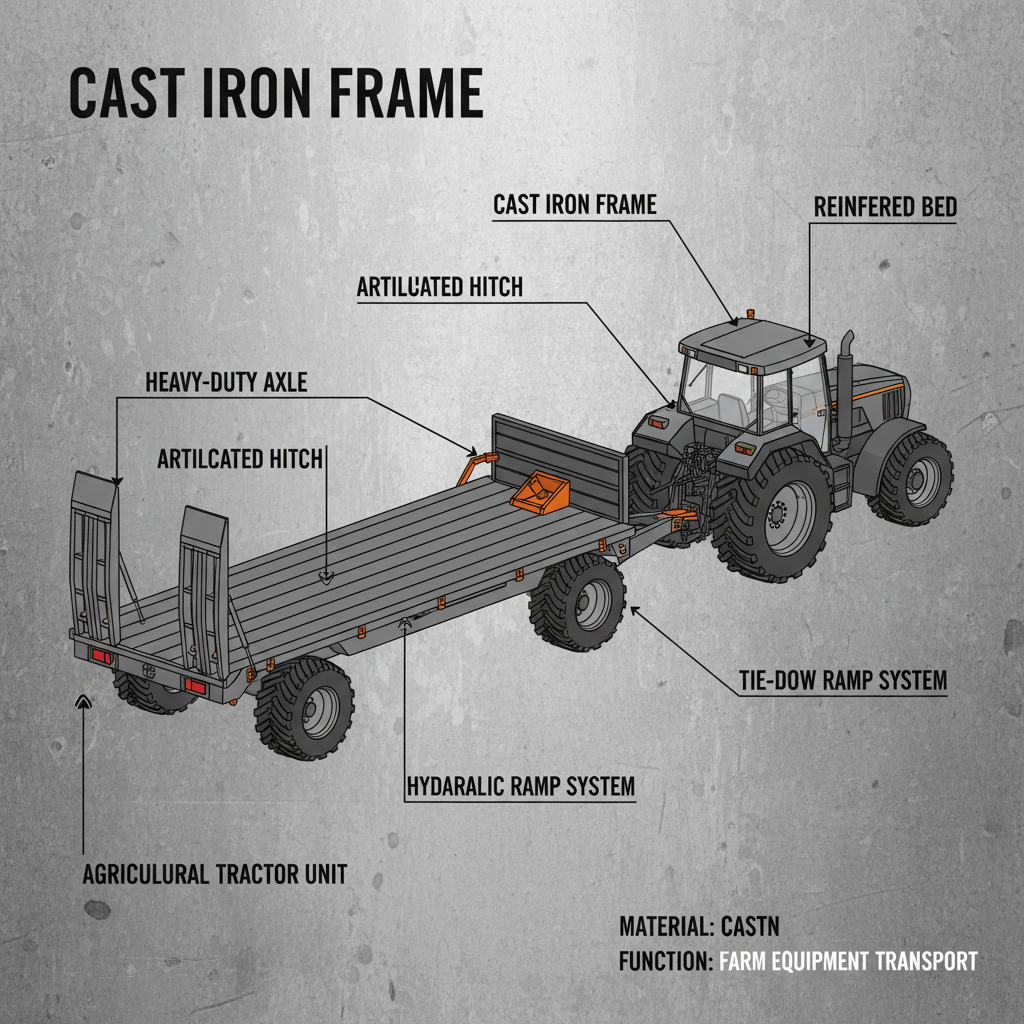
Several transport options are available, each with its own advantages and disadvantages. Flatbed trailers are a common choice, offering versatility for various equipment types. Lowboy trailers are ideal for exceptionally tall or heavy machinery. Step-deck trailers provide a lower loading height, simplifying the loading process. Self-propelled transport, where the equipment drives itself (if road legal), is another option. The best method depends on the equipment’s dimensions, weight, distance, and budget. A professional transport company can assess your needs and recommend the most efficient and cost-effective solution.
Transport Method Benefits:
• Flatbed Trailers: Versatile, Cost-effective.
• Lowboy Trailers: Handles Heavy & Oversized Loads.
• Step-Deck Trailers: Easy Loading
• Self-Propelled: Potentially Fastest (if legal)
Selecting the most appropriate transport method necessitates a careful comparison of cost, speed, and suitability for the specific equipment being moved. Consider the terrain, distance, and equipment fragility when making your decision. Partnering with a logistics provider like Langningam ensures a well-informed choice tailored to your needs.
Adequate insurance coverage is non-negotiable during farm equipment transport. This should include cargo insurance to protect against damage or loss, as well as liability insurance to cover potential accidents. Verify that the transport company carries sufficient insurance and understands the value of the equipment. Carefully review the terms and conditions of the insurance policy to ensure it covers all potential risks. A reputable carrier will provide proof of insurance upon request. Don't overlook the importance of documenting the equipment’s condition before transport with photos and a detailed inventory.
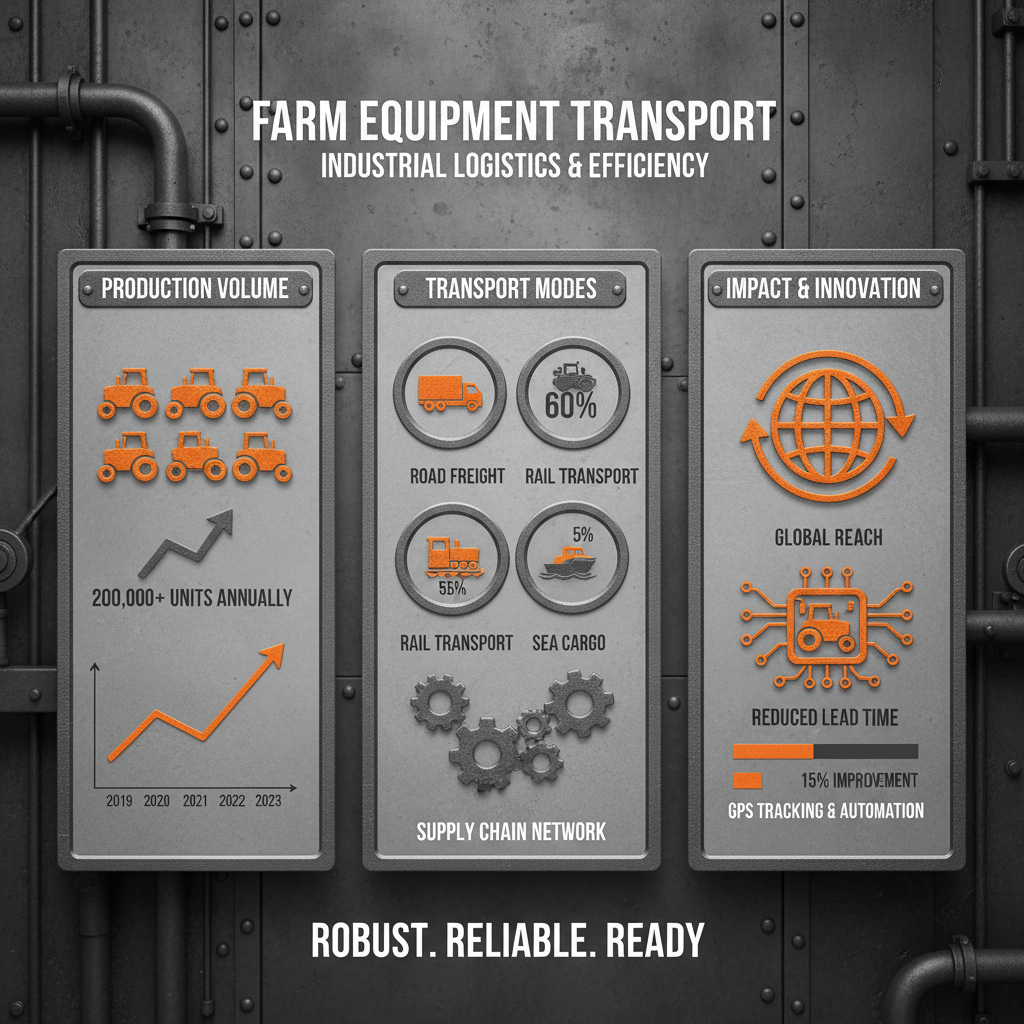
Proper preparation is key to a successful transport. This includes securing the equipment properly, disconnecting batteries, draining fluids, and removing any loose parts. Thoroughly inspect the equipment for any existing damage and document it before transport. Communicate clearly with the transport company regarding loading and unloading procedures. Tracking the shipment in real-time provides peace of mind and allows for proactive problem-solving. Langningam emphasizes a meticulous approach to ensure your equipment arrives safely and on schedule.
Successfully transporting farm equipment requires expertise, planning, and attention to detail. By understanding the legal requirements, choosing the right transport method, and prioritizing safety, you can minimize risks and ensure a smooth move. Langningam is your trusted partner for reliable and efficient farm equipment transport.
Typically, you'll need the equipment's title or proof of ownership, a bill of sale, a detailed inventory, and any necessary permits for oversized loads. Depending on the states through which the equipment travels, you may also need to provide dimensions and weight specifications, and potentially, a route survey. The transport company will usually guide you through the specific documentation requirements, and Langningam can assist with this process.
The time required to obtain transport permits varies significantly depending on the state and the complexity of the load. Simple permits may be issued within a few hours, while more complex permits can take several days or even weeks. It’s crucial to apply for permits well in advance of the scheduled transport date to avoid delays. A professional transport company will often handle the permitting process on your behalf.
Ensure the loading and unloading areas are level and stable. Use appropriate ramps and lifting equipment with sufficient capacity. Secure the equipment properly with straps, chains, or other tie-downs. Never stand under a suspended load. Wear appropriate personal protective equipment (PPE), such as hard hats and safety shoes. Finally, supervise the loading and unloading process closely to ensure it's performed safely and efficiently.
Yes, absolutely. Langningam has extensive experience in route planning for oversized and overweight loads. We can identify the most efficient and compliant routes, considering height restrictions, bridge clearances, and other potential obstacles. Our team will ensure your equipment is transported safely and legally to its destination.