Combine farm equipment, encompassing machines like harvesters, threshers, and winnowers integrated into a single unit, has revolutionized agricultural practices globally. From small family farms to large-scale commercial operations, these machines significantly increase efficiency and reduce labor requirements during harvest. This technological advancement directly impacts food security, economic stability in agricultural regions, and the ability to feed a growing world population. The ongoing development of combine technology, driven by innovations in automation and precision agriculture, promises even greater improvements in yields and sustainability.
The importance of combine farm equipment extends beyond just crop production. It impacts the entire agricultural supply chain, influencing commodity prices, trade patterns, and the livelihoods of millions of farmers worldwide. Regions heavily reliant on agriculture, particularly in developing nations, benefit immensely from access to efficient harvesting technology, as it reduces post-harvest losses and enhances market competitiveness. However, accessibility, affordability, and maintenance of these complex machines remain significant challenges.
Understanding the evolution, operation, and future trends in combine farm equipment is crucial for agricultural professionals, policymakers, and anyone involved in the food industry. The integration of digital technologies, such as GPS-guided steering and yield monitoring, is transforming harvesting into a data-driven process, allowing for optimized resource allocation and informed decision-making. Continued innovation in this area is essential to address the evolving demands of a sustainable and resilient agricultural system.
The Global Significance of Combine Farm Equipment
Globally, agricultural output relies heavily on efficient harvesting, making combine farm equipment indispensable. According to the Food and Agriculture Organization (FAO) of the United Nations, roughly one-third of all food produced for human consumption is lost or wasted along the supply chain, with significant losses occurring during harvest. Combine technology minimizes these losses through rapid and precise collection of crops. The increasing global population—projected to reach nearly 10 billion by 2050 (UN Department of Economic and Social Affairs)—demands a corresponding increase in food production, making advancements in combine farm equipment critical.
A key challenge lies in ensuring equitable access to this technology. While developed nations have widely adopted advanced combine machinery, many developing countries still rely on manual harvesting methods, leading to lower yields, higher labor costs, and increased food insecurity. Bridging this technological gap requires investment in infrastructure, training, and financing options to make combine farm equipment more accessible to farmers in these regions. The future of global food security is inextricably linked to the continued innovation and equitable distribution of combine farm equipment.
Defining Combine Farm Equipment
Combine farm equipment is a versatile harvesting machine designed to efficiently reap, thresh, gather, and winnow grain crops. The name "combine" stems from its ability to combine multiple harvesting operations—previously performed separately—into a single process. Modern combines are complex machines featuring a rotating header that gathers the crop, a threshing mechanism that separates the grain from the stalk, and a cleaning system that removes chaff and debris.
This integration dramatically increases harvesting speed and reduces labor requirements compared to traditional methods. Combine technology isn’t merely about agricultural productivity; it’s fundamentally tied to modern food systems and humanitarian needs. In areas prone to famine or food shortages, efficient harvesting—facilitated by combine equipment—can be the difference between scarcity and sustenance.
The evolution of combine technology reflects a continuous pursuit of efficiency and automation. From the early, self-propelled models of the early 20th century to the sophisticated, sensor-equipped machines of today, the goal remains the same: to maximize crop yield while minimizing resource consumption and labor costs.
Key Components and Operational Principles
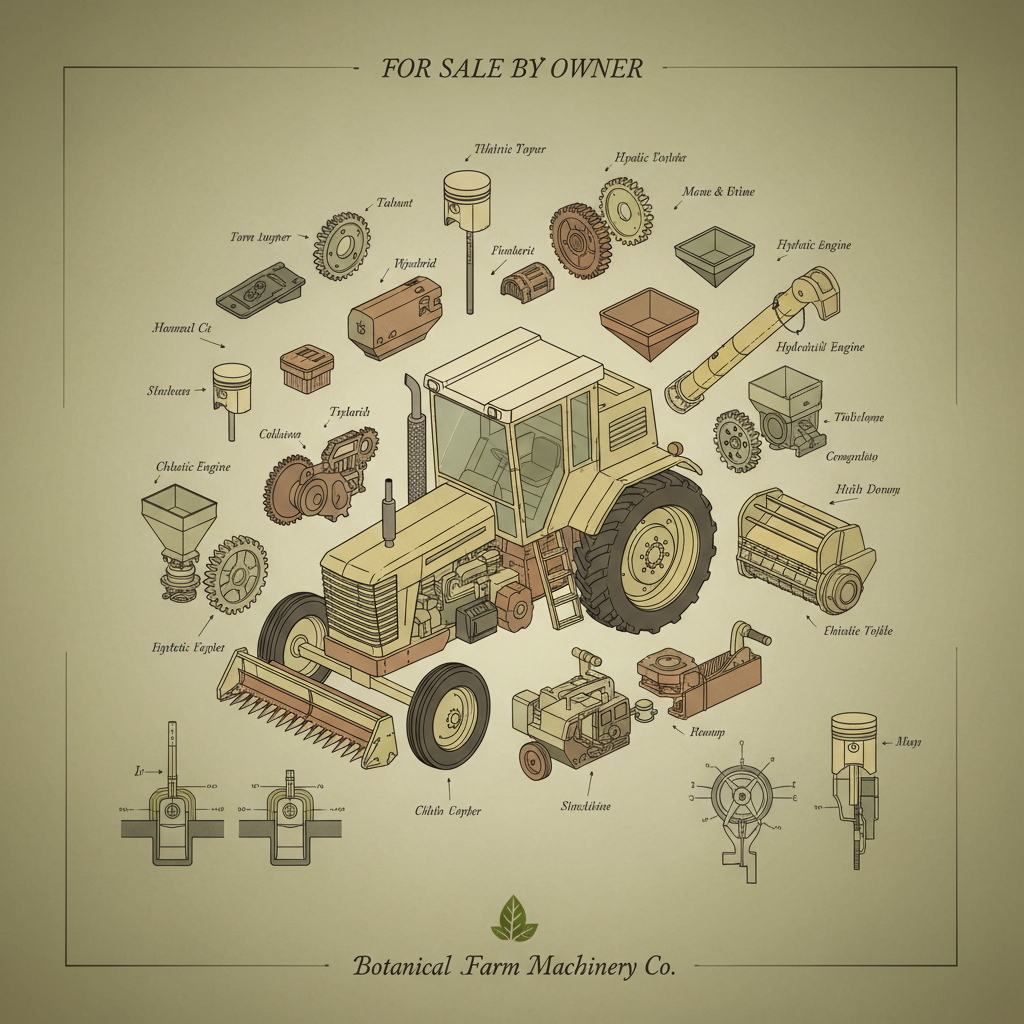
Several key components contribute to the functionality of combine farm equipment. The header, typically equipped with a rotating reel and cutter bar, gathers the crop and feeds it into the machine. The threshing system, often utilizing a rotating cylinder and concave, separates the grain from the stalk. The cleaning system employs a series of sieves and fans to remove chaff, straw, and other debris, resulting in a cleaner grain sample. The grain tank stores the harvested grain until it can be unloaded into a truck or wagon.
The operational principle revolves around a coordinated sequence of processes. As the combine moves through the field, the header cuts and gathers the crop. The crop then passes through the threshing system, where the grain is separated from the stalk. The cleaning system removes impurities, and the clean grain is deposited into the grain tank. Sensors and control systems monitor various parameters, such as grain moisture content and header height, to optimize performance and minimize losses. Understanding these components and their interactions is crucial for efficient operation and maintenance.
Modern combines often incorporate advanced technologies like GPS guidance for precise field coverage and yield monitoring systems to track crop production in real-time. These technologies provide valuable data for optimizing farming practices and maximizing profitability. Furthermore, advancements in engine technology and hydraulic systems contribute to improved fuel efficiency and overall machine performance.
Performance Metrics and Efficiency Factors
Evaluating the performance of combine farm equipment requires considering several key metrics. Grain loss, measured as the amount of grain that passes through the machine without being collected, is a critical indicator of efficiency. Harvesting speed, typically measured in acres per hour, determines the overall productivity of the machine. Fuel consumption, expressed as gallons per acre, impacts operating costs and environmental sustainability.
Several factors influence these metrics. Crop condition (moisture content, maturity), field topography, operator skill, and machine settings all play a role. Proper calibration and maintenance are essential to ensure optimal performance.
Combine Farm Equipment Efficiency Comparison
Global Applications and Regional Variations
Combine farm equipment is utilized globally across diverse agricultural landscapes. In North America, large-scale wheat, corn, and soybean production relies heavily on high-capacity combines equipped with advanced technologies. In Europe, combines are adapted for smaller fields and diverse crops, such as rapeseed, barley, and sugar beets. In Asia, rice harvesting is often performed using specialized combines designed to handle flooded paddies.
Regional variations reflect differences in crop types, field sizes, and farming practices. For example, in Australia, combines are often equipped with tracks or wide tires to navigate sandy soils and prevent compaction. In South America, combines are used extensively in soybean and sugarcane production, often operating in challenging terrain and climatic conditions.
Economic and Environmental Impacts
The economic impact of combine farm equipment is substantial. Increased harvesting efficiency translates to reduced labor costs, lower post-harvest losses, and higher profitability for farmers. Access to combine technology can also stimulate local economies by creating jobs in manufacturing, maintenance, and related services.
However, the use of combine farm equipment also has environmental implications. Large-scale harvesting can contribute to soil compaction, erosion, and greenhouse gas emissions. Efforts to mitigate these impacts include adopting conservation tillage practices, utilizing fuel-efficient engines, and implementing precision agriculture techniques. Sustainable combine operation is essential to minimize environmental footprint and ensure long-term agricultural viability.
The cost-benefit analysis of combine use also considers the impact on biodiversity and ecosystem health. Responsible land management practices, coupled with innovative harvesting technologies, are crucial for achieving a balance between agricultural production and environmental preservation.
Future Innovations and Technological Advancements
The future of combine farm equipment is poised for significant innovation. Autonomous combines, guided by GPS and sensors, are already being tested and deployed in some regions, promising increased efficiency and reduced labor costs. Data analytics and artificial intelligence (AI) are being integrated into combine systems to optimize harvesting parameters, predict machine failures, and improve decision-making.
Furthermore, advancements in sustainable materials and alternative fuels are reducing the environmental impact of combine operation. Electric combines, powered by renewable energy sources, are being developed to eliminate emissions and reduce reliance on fossil fuels. Precision agriculture technologies, such as variable-rate harvesting and yield mapping, are enabling farmers to optimize resource allocation and minimize waste.
The convergence of these technologies—automation, AI, and sustainability—is driving a new era of combine farm equipment, promising to revolutionize agricultural practices and address the challenges of feeding a growing population while protecting the environment.
Summary of Key Technological Advancements in Combine Farm Equipment
| Technology Category |
Description |
Impact on Efficiency |
Sustainability Benefits |
| Autonomous Operation |
Combines that operate without a human driver, guided by GPS and sensors. |
Increased uptime, reduced operator fatigue, optimized harvesting routes. |
Reduced fuel consumption through optimized routes and speed control. |
| AI-Powered Optimization |
Algorithms that analyze real-time data to adjust harvesting parameters for maximum yield. |
Reduced grain loss, improved grain quality, increased overall yield. |
Minimized resource waste through precise application of settings. |
| Electric Propulsion |
Combines powered by electric motors instead of internal combustion engines. |
Potential for increased efficiency and reduced maintenance. |
Zero tailpipe emissions, reduced reliance on fossil fuels. |
| Precision Harvesting |
Variable-rate harvesting based on real-time yield maps and crop conditions. |
Optimized harvesting speed and settings for varying crop densities. |
Reduced soil compaction and minimized nutrient runoff. |
| Predictive Maintenance |
Sensors and data analytics used to predict machine failures and schedule maintenance proactively. |
Reduced downtime, minimized repair costs, extended machine lifespan. |
Reduced waste of parts and resources. |
| Advanced Sensor Technology |
Integration of sophisticated sensors for monitoring crop conditions, grain quality, and machine performance. |
Improved decision-making, enhanced precision, and increased overall efficiency. |
Reduced input costs and environmental impact. |
FAQS
The lifespan of combine farm equipment depends on several factors, including operating hours, maintenance schedule adherence, storage conditions, and the severity of the operating environment. Regular maintenance—such as oil changes, filter replacements, and lubrication—is critical. Exposure to harsh weather conditions and abrasive materials can accelerate wear and tear. With proper care, a modern combine can reliably operate for 5,000-10,000 hours, often spanning a decade or more. Utilizing high-quality parts and adhering to the manufacturer’s recommendations will maximize longevity.
GPS technology enhances combine harvesting efficiency in numerous ways. It enables auto-steering, ensuring precise field coverage and minimizing overlaps, which reduces fuel consumption and harvesting time. GPS-based yield mapping allows farmers to identify areas of high and low productivity within a field, informing future fertilization and irrigation strategies. Furthermore, GPS data can be used for variable-rate harvesting, adjusting combine settings based on real-time crop conditions. This optimization leads to reduced grain loss and improved overall harvest quality.
Common maintenance tasks include daily inspections for leaks and wear, regular oil and filter changes, lubrication of moving parts, and cleaning of the cooling system. It’s crucial to check and adjust belt tension, inspect tires for damage, and ensure proper operation of the threshing and cleaning systems. Periodically, more extensive maintenance is needed, such as replacing worn bearings, sharpening blades, and calibrating sensors. Following the manufacturer's recommended maintenance schedule is essential for preventing breakdowns and maximizing machine performance.
Safety is paramount when operating combine farm equipment. Operators should always wear appropriate personal protective equipment (PPE), including safety glasses, hearing protection, and a dust mask. Before starting the machine, ensure all guards and shields are in place. Be aware of surroundings, including obstacles, power lines, and other people. Never attempt repairs or adjustments while the machine is running. Regular safety training and adherence to established safety protocols are crucial for preventing accidents.
Minimizing grain loss requires careful combine setup and operation. Adjust header height and speed to match crop conditions. Properly calibrate the threshing cylinder and concave to achieve optimal separation without damaging the grain. Ensure the cleaning system is functioning correctly, with properly adjusted sieves and fan speed. Monitor grain loss levels regularly and make adjustments as needed. Also, consider the crop's moisture content, as excessively wet or dry crops can increase loss.
The costs of owning and operating combine farm equipment are significant. Initial purchase price can range from $300,000 to $700,000 or more, depending on size and features. Ongoing costs include fuel, maintenance, repairs, insurance, and storage. Labor costs for operators and mechanics must also be considered. Financing options, such as loans and leases, are often used to manage these expenses. Proper maintenance and efficient operation can help minimize long-term costs.
Conclusion
Combine farm equipment remains a cornerstone of modern agriculture, driving efficiency, enhancing productivity, and contributing to global food security. From its humble beginnings as a collection of separate harvesting operations to the sophisticated, technologically advanced machines of today, the combine has undergone a remarkable evolution. The key to maximizing its benefits lies in understanding its components, optimizing its operation, and embracing sustainable practices.
Looking ahead, continued innovation in areas like automation, artificial intelligence, and renewable energy will further enhance the performance and environmental sustainability of combine farm equipment. By addressing the challenges of accessibility, affordability, and responsible land management, we can unlock the full potential of this vital technology to feed a growing world population while preserving our planet for future generations. Visit our website at Langningam to explore a wide range of combine farm equipment options.