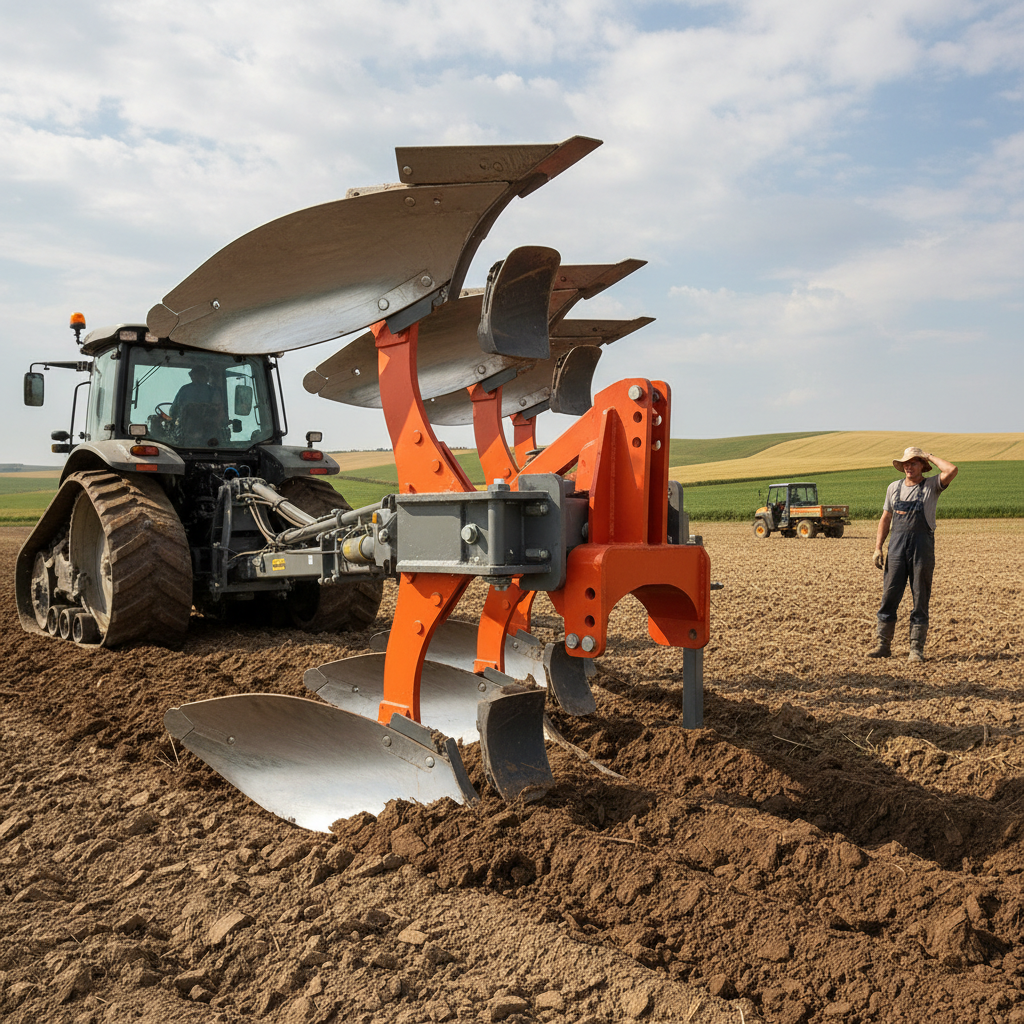
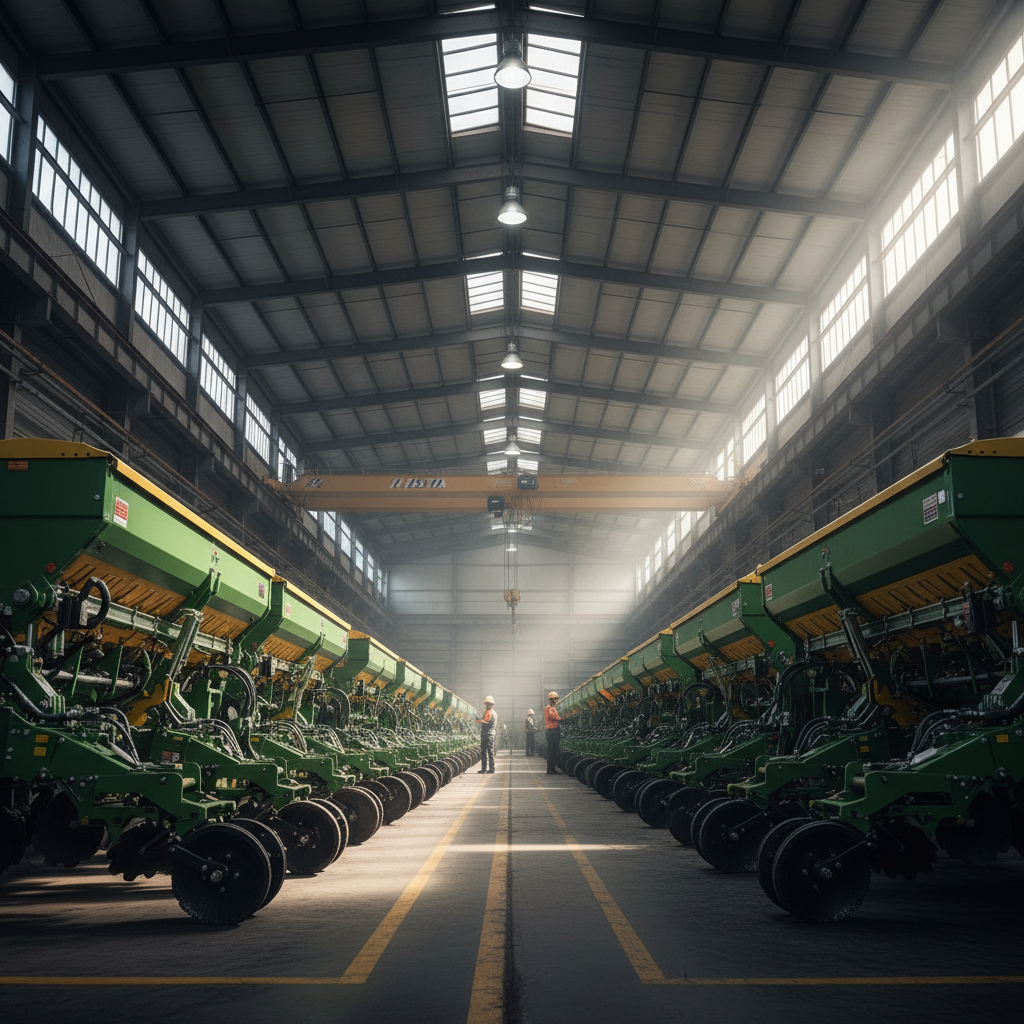
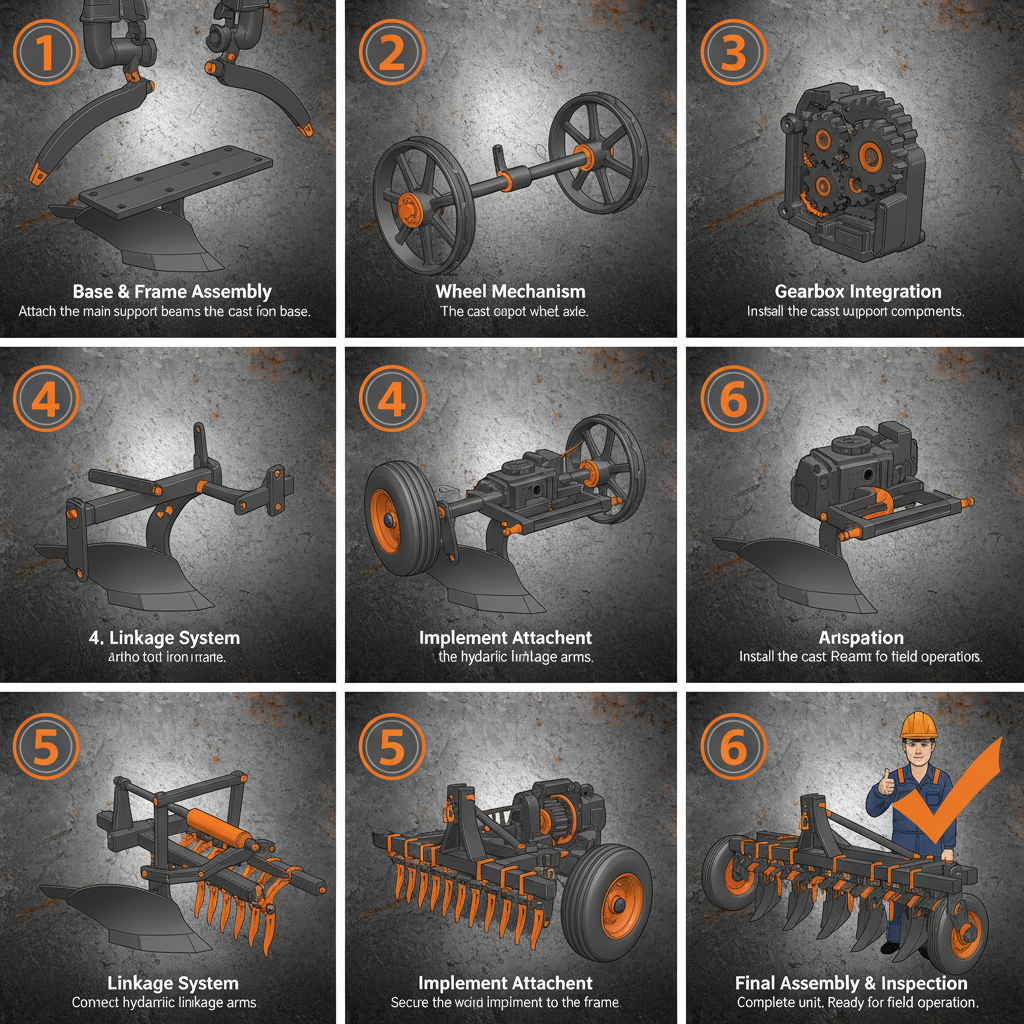
Commercial farming equipment plays a pivotal role in modern agriculture, driving efficiency, increasing yields, and ultimately contributing to global food security. From advanced planting and harvesting machinery to sophisticated irrigation systems and precision farming technologies, this equipment is essential for meeting the ever-growing demand for food while minimizing environmental impact. Understanding the nuances of commercial farming equipment is vital for farmers, agricultural businesses, and policymakers alike.
The global market for commercial farming equipment is experiencing substantial growth, fueled by factors such as population increases, changing dietary habits, and the need for sustainable agricultural practices. According to the UN, global food production will need to increase by 70% by 2050 to feed a projected population of 9.7 billion people. This necessitates the adoption of advanced technologies and efficient equipment within the agricultural sector. The World Bank also highlights the importance of investment in agricultural machinery to boost productivity and reduce poverty in developing countries.
The effective implementation of these technologies isn’t without challenges. Factors like initial investment costs, the need for skilled operators, and access to maintenance and spare parts can create barriers to adoption, particularly for smaller farms. Addressing these challenges is key to unlocking the full potential of commercial farming equipment and ensuring a sustainable future for agriculture.
Introduction to Commercial Farming Equipment
Commercial farming equipment encompasses a vast array of machinery designed to streamline and optimize agricultural processes. These tools are critical for large-scale farming operations, enabling efficient planting, harvesting, and resource management. The shift toward larger, more mechanized farms has driven innovation in this field, resulting in highly specialized and technologically advanced equipment.
The impact of this equipment extends beyond simply increasing production. Modern commercial farming equipment often incorporates features designed to minimize environmental impact, such as precision application of fertilizers and pesticides, and reduced soil compaction. This contributes to more sustainable farming practices and helps to protect valuable natural resources.
Defining Commercial Farming Equipment
Commercial farming equipment can be defined as any machinery, tool, or technology specifically designed for use in large-scale agricultural production. This includes items ranging from tractors and combines to irrigation systems, planting equipment, and livestock handling facilities. These tools are fundamentally different from those used in subsistence farming, as they are intended to maximize output and profitability.
The connection to modern industry is strong, as the manufacturing of commercial farming equipment is a significant economic sector in many countries. This industry relies on advancements in engineering, materials science, and automation. Furthermore, commercial farming equipment plays a crucial role in meeting the humanitarian need for food security by enabling the efficient production of crops and livestock.
Understanding the scope of this definition is key to appreciating the breadth of innovation within the agricultural technology landscape. The term encompasses not only the physical machines but also the software and data analytics used to optimize their performance and inform farming decisions.
Key Factors of Commercial Farming Equipment
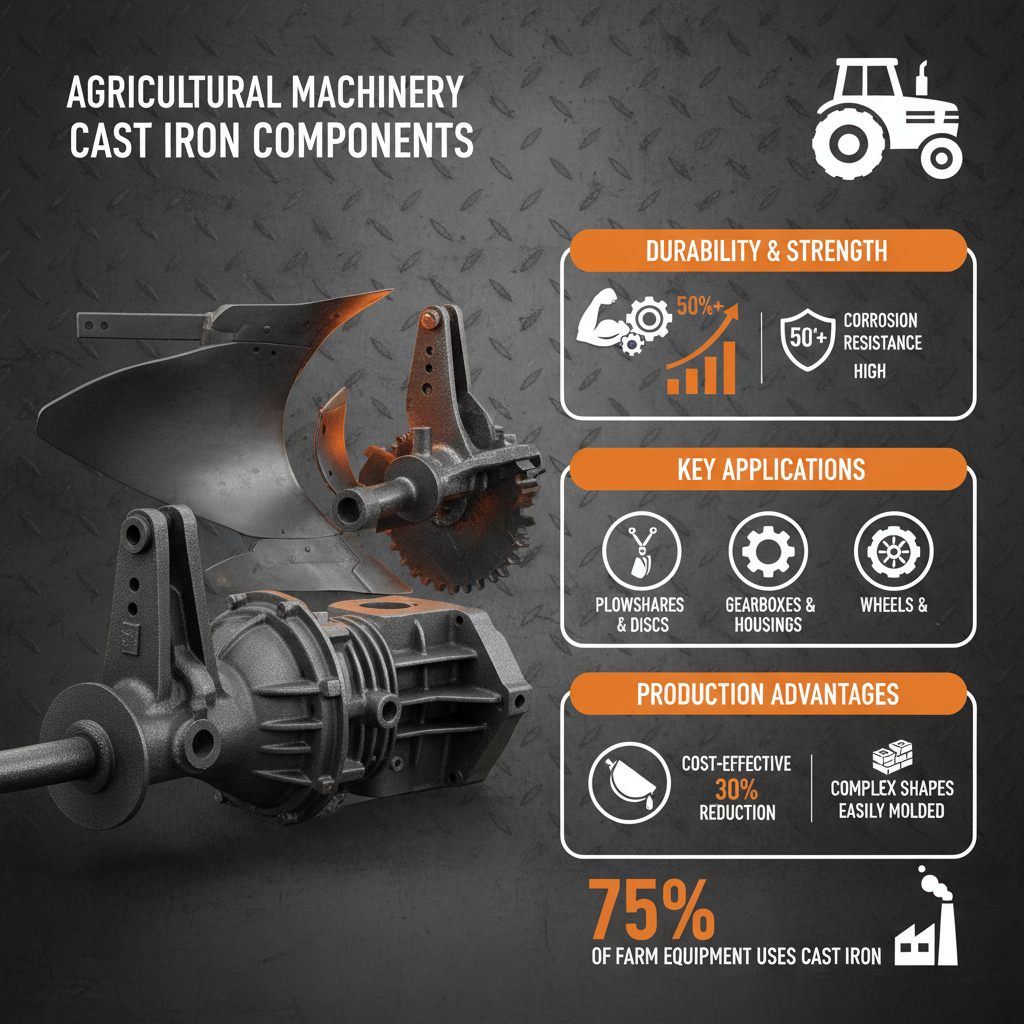
Durability is paramount. Commercial farming equipment operates in harsh conditions and must withstand prolonged use. Equipment constructed from high-quality materials and engineered for robust performance ensures minimal downtime and reduces lifecycle costs.
Scalability allows farmers to adapt to changing needs. Modular designs and equipment that can be easily upgraded or expanded are essential for accommodating growth and evolving agricultural practices. This is particularly important for farms looking to increase their operational capacity.
Cost Efficiency isn't just about the initial purchase price. Factors like fuel consumption, maintenance requirements, and operational efficiency all contribute to the overall cost of ownership. Equipment that minimizes these costs provides a significant long-term financial advantage.
Applications & Use Cases Globally
Commercial farming equipment is utilized across diverse agricultural landscapes globally. In North America, large-scale grain farms rely heavily on combines, planters, and sprayers to maximize yields of crops like corn and soybeans. In South America, equipment designed for tropical climates and specific crop requirements, such as sugarcane harvesters, is prevalent.
Across Europe, precision farming techniques utilizing GPS-guided tractors and variable-rate applicators are gaining popularity, particularly in arable farming. In Asia, smaller-scale commercial farms are increasingly adopting mechanized solutions to improve efficiency and reduce labor costs. In post-disaster relief operations, quick deployment of irrigation systems can rapidly restore agricultural productivity.
Organizations like the Food and Agriculture Organization (FAO) actively promote the use of appropriate commercial farming equipment in developing countries to enhance food security and empower local farming communities. The types of equipment recommended vary based on regional needs and available resources.
Commercial Farming Equipment Performance Metrics
Advantages and Long-Term Value
The advantages of utilizing commercial farming equipment are significant and multifaceted. Tangible benefits include reduced labor costs, increased crop yields, and improved resource efficiency. These factors translate directly into higher profitability for farmers. Moreover, modern equipment often incorporates features that enhance sustainability, minimizing environmental impact.
From a logistical perspective, advanced equipment can dramatically reduce harvest times, allowing farmers to capitalize on market opportunities and minimize post-harvest losses. The long-term value extends beyond financial gains; improved working conditions and increased safety for farmworkers are also critical considerations. Investing in reliable commercial farming equipment fosters trust and strengthens the entire agricultural supply chain.
Future Trends & Innovations
The future of commercial farming equipment is poised for radical transformation driven by several key trends. Automation and robotics are becoming increasingly prevalent, with self-driving tractors, drones for crop monitoring, and robotic harvesters poised to revolutionize agricultural operations. Digital transformation, fueled by data analytics and the Internet of Things (IoT), will further optimize efficiency and resource management.
Sustainability is another key driver of innovation. The development of electric and hybrid-powered farming equipment is gaining momentum, reducing reliance on fossil fuels and minimizing carbon emissions. Moreover, advancements in materials science are leading to the creation of lighter, more durable, and eco-friendly equipment components.
Challenges & Solutions
Despite the many benefits, the adoption of commercial farming equipment faces several challenges. High upfront costs can be prohibitive for smaller farms, and the need for specialized skills to operate and maintain complex machinery requires investment in training and education. Furthermore, access to spare parts and reliable maintenance services can be limited in certain regions.
Solutions include innovative financing models such as equipment leasing and shared ownership programs, which make advanced technology more accessible. Developing robust training programs and providing remote diagnostic support can address skill gaps and maintenance challenges. Embracing open-source hardware and software can also lower costs and promote collaboration within the industry.
Finally, the development of more adaptable equipment that can operate effectively in diverse environments and with a wider range of crops is critical for maximizing the impact of commercial farming equipment globally.
Summary of Solutions to Challenges in Commercial Farming Equipment Implementation
| Challenge |
Solution Category |
Implementation Approach |
Expected Impact |
| High Initial Costs |
Financial Assistance |
Equipment Leasing, Subsidized Loans |
Increased Accessibility |
| Skill Gap |
Training & Education |
Vocational Programs, Online Courses |
Improved Operational Proficiency |
| Maintenance Access |
Remote Support |
Tele-diagnostics, Mobile Repair Services |
Reduced Downtime |
| Spare Parts Availability |
Supply Chain Optimization |
Local Distribution Networks |
Faster Repair Times |
| Environmental Concerns |
Sustainable Equipment |
Electric/Hybrid Machines |
Reduced Carbon Footprint |
| Adaptability to Diverse Farms |
Modular Design |
Configurable Attachments |
Increased Versatility |
FAQS
The lifespan of commercial farming equipment varies significantly depending on the type of equipment, usage intensity, and maintenance practices. However, with regular maintenance and proper care, many modern machines, such as tractors and combines, can reliably operate for 5,000 to 10,000 hours or more. Larger, more complex systems like irrigation equipment may have a lifespan of 15-20 years with diligent upkeep. Proper storage during off-seasons also significantly extends longevity.
Precision farming equipment leverages technologies like GPS, sensors, and data analytics to optimize resource allocation. By precisely applying fertilizers, pesticides, and water only where needed, it minimizes waste and maximizes crop uptake. Variable rate application adjusts inputs based on soil conditions and plant health, resulting in healthier crops and higher yields. Real-time data monitoring allows for timely interventions to address issues like pest infestations or nutrient deficiencies.
When selecting a supplier, consider factors such as their reputation, product quality, after-sales service, and parts availability. Look for suppliers with a proven track record and a strong commitment to customer support. Evaluate their ability to provide training, maintenance services, and prompt repair assistance. Also, assess their financial stability and their network of distributors and service centers in your region.
Automation is poised to revolutionize commercial farming by increasing efficiency, reducing labor costs, and improving precision. Self-driving tractors, robotic harvesters, and automated irrigation systems are already emerging as viable solutions. Automation allows for continuous operation, minimizing downtime and maximizing productivity. It also enables data-driven decision-making, optimizing resource utilization and improving crop quality.
Calculating ROI involves comparing the cost of the equipment (including purchase price, maintenance, and fuel) to the benefits it provides, such as increased yields, reduced labor costs, and improved efficiency. Farmers should consider factors like the equipment's expected lifespan, projected crop prices, and potential savings in input costs. Conducting a thorough cost-benefit analysis before making a purchase is crucial for ensuring a positive ROI.
Sustainable equipment trends include the development of electric and hybrid-powered machines, the use of bio-based materials, and the implementation of precision farming technologies to minimize environmental impact. Manufacturers are also focusing on designing equipment that reduces soil compaction, conserves water, and promotes biodiversity. The integration of renewable energy sources to power farming operations is another growing trend.
Conclusion
Commercial farming equipment is the cornerstone of modern agriculture, driving productivity, sustainability, and food security. The advancements in machinery, automation, and data analytics are transforming the industry, enabling farmers to meet the growing global demand for food while minimizing environmental impact. Investing in innovative and efficient equipment is crucial for long-term success in the agricultural sector.
Looking ahead, continued innovation in areas like electric power, robotics, and precision agriculture will be vital for addressing future challenges. Embracing these technologies and fostering collaboration between manufacturers, farmers, and researchers will unlock the full potential of commercial farming equipment and build a more resilient and sustainable food system. Visit our website at commercial farming equipment to explore our range of solutions.