Commercial hydroseeding equipment represents a significant advancement in erosion control, vegetation establishment, and land restoration. Globally, the need for effective and efficient land management solutions is growing due to factors like climate change, urbanization, and increased infrastructure development. Commercial hydroseeding equipment addresses these challenges by providing a cost-effective, environmentally friendly, and rapid method for establishing vegetation cover on diverse terrains.
The demand for robust and scalable hydroseeding solutions is particularly pronounced in regions undergoing rapid development or facing ecological damage. According to the UN Environment Programme, land degradation affects over 3.2 billion people worldwide. This highlights the critical role of technologies like hydroseeding in combating desertification, restoring degraded lands, and ensuring sustainable environmental practices. Furthermore, the ISO 14001 standards increasingly emphasize environmentally conscious practices, driving demand for solutions like hydroseeding.
Investing in understanding commercial hydroseeding equipment isn’t just about adopting a technology; it’s about investing in a more sustainable future. From large-scale construction projects to post-disaster restoration, the benefits of faster vegetation establishment, reduced soil erosion, and enhanced biodiversity are substantial. This understanding translates directly into cost savings, improved environmental outcomes, and increased resilience for communities worldwide.
Introduction to Commercial Hydroseeding Equipment
Commercial hydroseeding equipment encompasses a range of machinery designed for the rapid and efficient application of a slurry containing seeds, mulch, fertilizer, and tackifiers. This process is a vital tool in land restoration, erosion control, and vegetation establishment across diverse landscapes. Understanding the capabilities and benefits of this technology is crucial for professionals in construction, landscaping, environmental management, and disaster relief.
The effectiveness of commercial hydroseeding equipment lies in its ability to create a protective microclimate for seeds, promoting germination and growth even in challenging conditions. Unlike traditional seeding methods, hydroseeding offers superior seed-to-soil contact, reducing seed loss and improving establishment rates. It’s a proactive approach to environmental stewardship and long-term land health.
Defining Commercial Hydroseeding Equipment
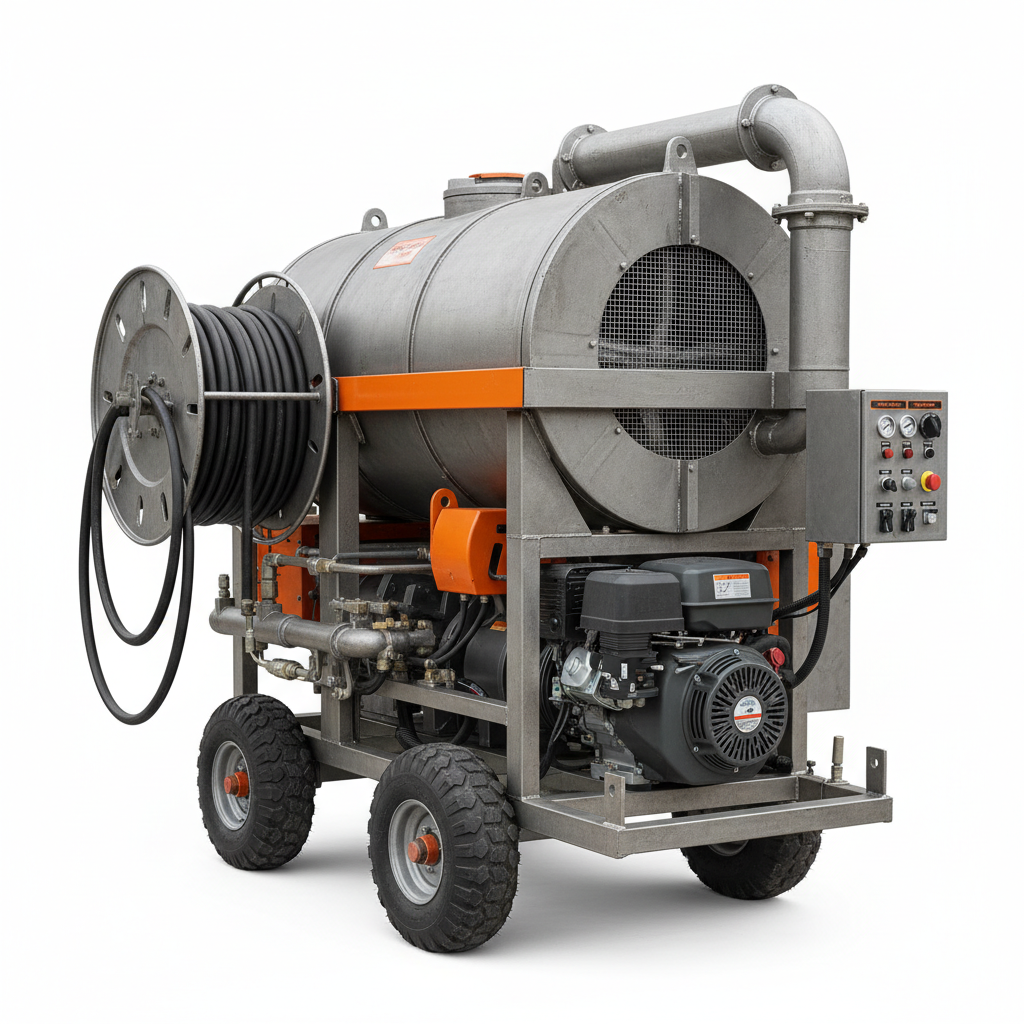
Commercial hydroseeding equipment isn’t simply a seed sprayer; it’s a comprehensive system designed to deliver a precisely formulated slurry to the target area. This slurry typically consists of seed, mulch (often wood fiber or straw), fertilizer, tackifiers (binding agents), and water. The equipment blends these components thoroughly, ensuring uniform distribution and optimal growing conditions.
The connection to modern industry is significant. Construction companies utilize it for stabilizing slopes and establishing vegetation after projects. Environmental remediation firms employ it for restoring damaged ecosystems. And governmental agencies depend on it for erosion control on highways and public lands. The versatility of hydroseeding makes it an indispensable tool for responsible land management.
Furthermore, commercial hydroseeding aligns with growing humanitarian needs, offering a rapid and effective solution for re-vegetating areas affected by natural disasters, enabling faster recovery and improved resilience for impacted communities. It offers a sustainable alternative to traditional methods that can be costly and environmentally damaging.
Key Factors of Commercial Hydroseeding Equipment
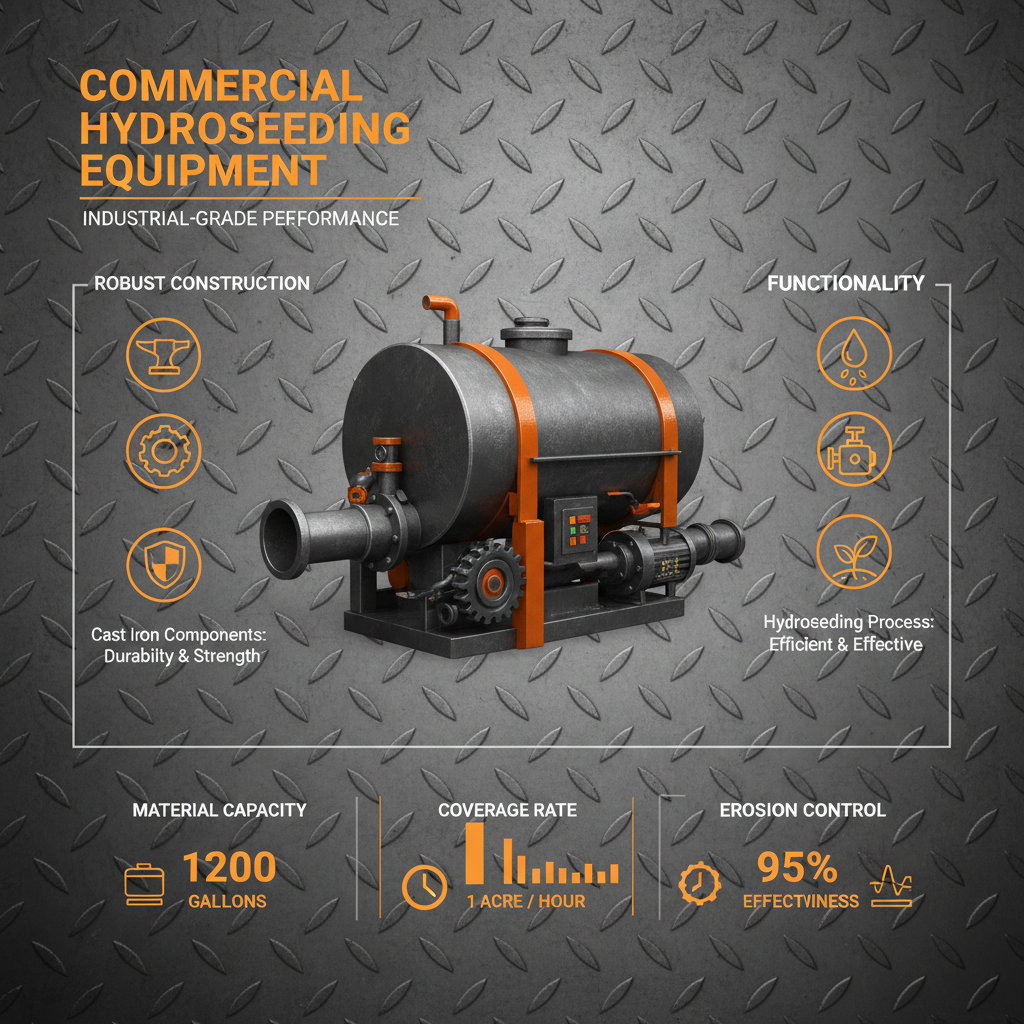
Several key factors distinguish high-quality commercial hydroseeding equipment. These include tank capacity, pump performance, agitation system effectiveness, nozzle design, and overall build quality. Tank capacity dictates the amount of slurry that can be applied per load, influencing efficiency on larger projects.
Pump performance is critical for achieving consistent spray pressure and uniform coverage. The agitation system ensures the slurry remains homogenous, preventing seed settling and ensuring even distribution of all components. Nozzle design influences spray pattern and range, optimizing application for different terrain types.
Finally, robust build quality and durable materials are essential for withstanding the rigors of frequent use in diverse environmental conditions. Choosing equipment designed for longevity and reliability minimizes downtime and maximizes return on investment. A well-maintained machine delivers consistent, high-quality results.
Durability and Scalability
Durability is paramount when considering commercial hydroseeding equipment. Heavy-duty construction, corrosion-resistant materials, and reliable components are essential for withstanding demanding field conditions. Regular maintenance, as recommended by the manufacturer, is crucial for extending the lifespan of the equipment and minimizing repair costs.
Scalability is equally important, allowing businesses to adapt to projects of varying sizes. Equipment with adjustable tank capacities, pump rates, and nozzle configurations offers the flexibility to tackle everything from small-scale landscaping projects to large-scale erosion control initiatives.
Commercial Hydroseeding Equipment Performance Metrics
Global Applications of Commercial Hydroseeding Equipment
Commercial hydroseeding equipment finds application across a diverse range of industries and geographical regions. In post-disaster relief operations, it plays a crucial role in stabilizing slopes and re-vegetating damaged areas after landslides, wildfires, or floods. In remote industrial zones, it’s used to establish vegetation cover on disturbed land resulting from mining or construction activities.
Across North America, it’s a standard practice for erosion control on highway construction projects, golf course development, and residential landscaping. In Australia, it’s utilized for revegetating areas affected by bushfires and for large-scale environmental restoration projects. Throughout Europe, it's becoming increasingly popular due to its environmentally friendly nature and ability to meet stringent environmental regulations.
Furthermore, commercial hydroseeding equipment is seeing increased adoption in developing countries for combating desertification, restoring degraded agricultural land, and creating sustainable landscapes. Its efficiency and cost-effectiveness make it an ideal solution for addressing land degradation challenges in resource-constrained environments.
Advantages and Long-Term Value
The advantages of commercial hydroseeding equipment extend beyond immediate erosion control and vegetation establishment. The long-term value lies in its sustainability, cost-effectiveness, and positive environmental impact. Compared to traditional seeding methods, hydroseeding typically requires less labor, reduces water consumption, and minimizes seed waste.
From a social impact perspective, successful vegetation establishment improves air quality, enhances biodiversity, and creates more aesthetically pleasing landscapes. These factors contribute to community well-being and foster a sense of environmental stewardship. The reliability of hydroseeding ensures project success, building trust and reputation for contractors and land managers.
Future Trends and Innovations
The future of commercial hydroseeding equipment is focused on greater automation, precision, and sustainability. Developments in drone technology are enabling aerial application of hydroseed slurries, expanding accessibility to remote or difficult-to-reach areas. Integration of sensor technology allows for real-time monitoring of soil conditions and adjustments to slurry composition, maximizing germination rates.
Furthermore, research is ongoing to develop biodegradable mulch alternatives and bio-stimulants that enhance seed performance and promote faster growth. The integration of green energy sources, such as solar power, to operate hydroseeding equipment is another emerging trend, reducing carbon footprint and promoting environmental responsibility. Digital transformation and data analytics will also play a significant role in optimizing hydroseeding operations and tracking project outcomes.
These innovations will further solidify the position of commercial hydroseeding equipment as a leading solution for sustainable land management and environmental restoration in the years to come.
FAQS
Commercial hydroseeding offers several advantages over traditional seeding. It provides superior seed-to-soil contact, resulting in higher germination rates and reduced seed loss. The slurry mixture protects seeds from erosion, birds, and harsh weather conditions. It's also more efficient, requiring less labor and often less water compared to manual seeding. This results in faster vegetation establishment and reduced project costs.
Commercial hydroseeding is remarkably versatile and can be applied to a wide range of terrains, including slopes, embankments, ditches, and large open areas. It’s particularly effective on challenging sites with steep gradients or limited access, where traditional seeding methods are difficult or impractical. The ability to adjust slurry composition and spray pressure allows for optimal application on various soil types and conditions.
Hydroseeding promotes environmental sustainability in several ways. It helps to prevent soil erosion, protecting waterways from sediment pollution. It enhances biodiversity by establishing vegetation cover and creating habitats for wildlife. It can reduce the need for chemical fertilizers and pesticides, promoting healthier ecosystems. Furthermore, the use of biodegradable mulches minimizes environmental impact.
The lifespan of commercial hydroseeding equipment depends on factors such as the quality of construction, frequency of use, and maintenance practices. However, with proper care and regular maintenance, a well-built hydroseeding unit can reliably operate for 10-15 years or even longer. Investing in durable equipment and adhering to manufacturer recommendations is crucial for maximizing longevity.
Regular maintenance is essential for keeping commercial hydroseeding equipment in optimal working condition. This includes cleaning the tank and pump after each use, lubricating moving parts, inspecting hoses and nozzles for wear and tear, and performing routine engine maintenance (if applicable). Following the manufacturer's maintenance schedule and addressing any issues promptly will prevent costly repairs and downtime.
The cost of commercial hydroseeding includes the initial investment in the equipment, as well as ongoing expenses such as seed, mulch, fertilizer, tackifiers, and maintenance. While the initial investment may be higher than traditional seeding methods, the long-term cost savings associated with reduced labor, increased efficiency, and improved vegetation establishment often outweigh the upfront costs. It is also important to consider the value of environmental benefits and reduced erosion control costs.
Conclusion
Commercial hydroseeding equipment has emerged as a vital tool for sustainable land management, offering a cost-effective, environmentally friendly, and efficient solution for erosion control, vegetation establishment, and land restoration. From large-scale construction projects to post-disaster recovery efforts, its versatility and effectiveness are undeniable. The long-term benefits extend beyond immediate environmental improvements, encompassing economic advantages, social responsibility, and enhanced community resilience.
Looking ahead, continued innovation in automation, precision application, and sustainable materials will further enhance the capabilities of commercial hydroseeding equipment. Investing in this technology is not merely an operational decision; it is an investment in a healthier, more sustainable future. For those seeking reliable and innovative solutions for land management challenges, Langningam provides cutting-edge equipment and expert support.