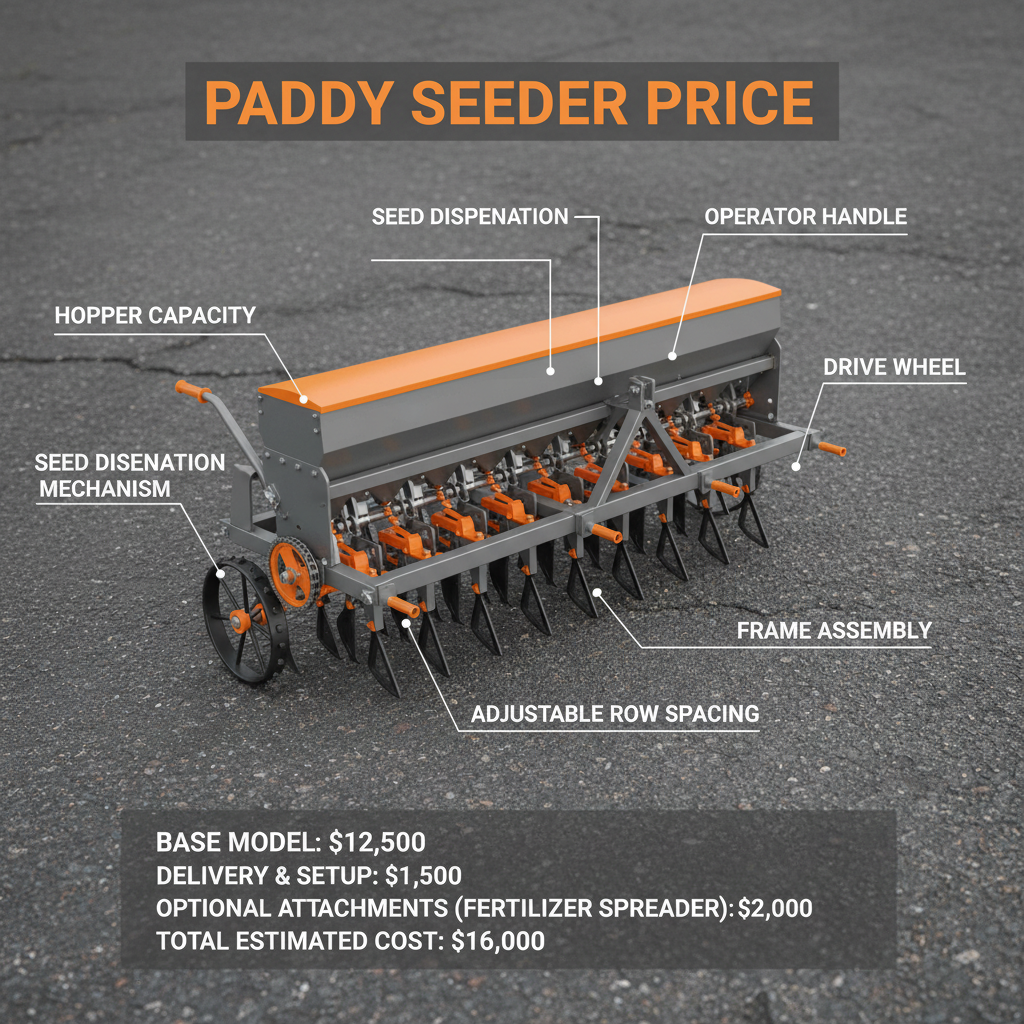
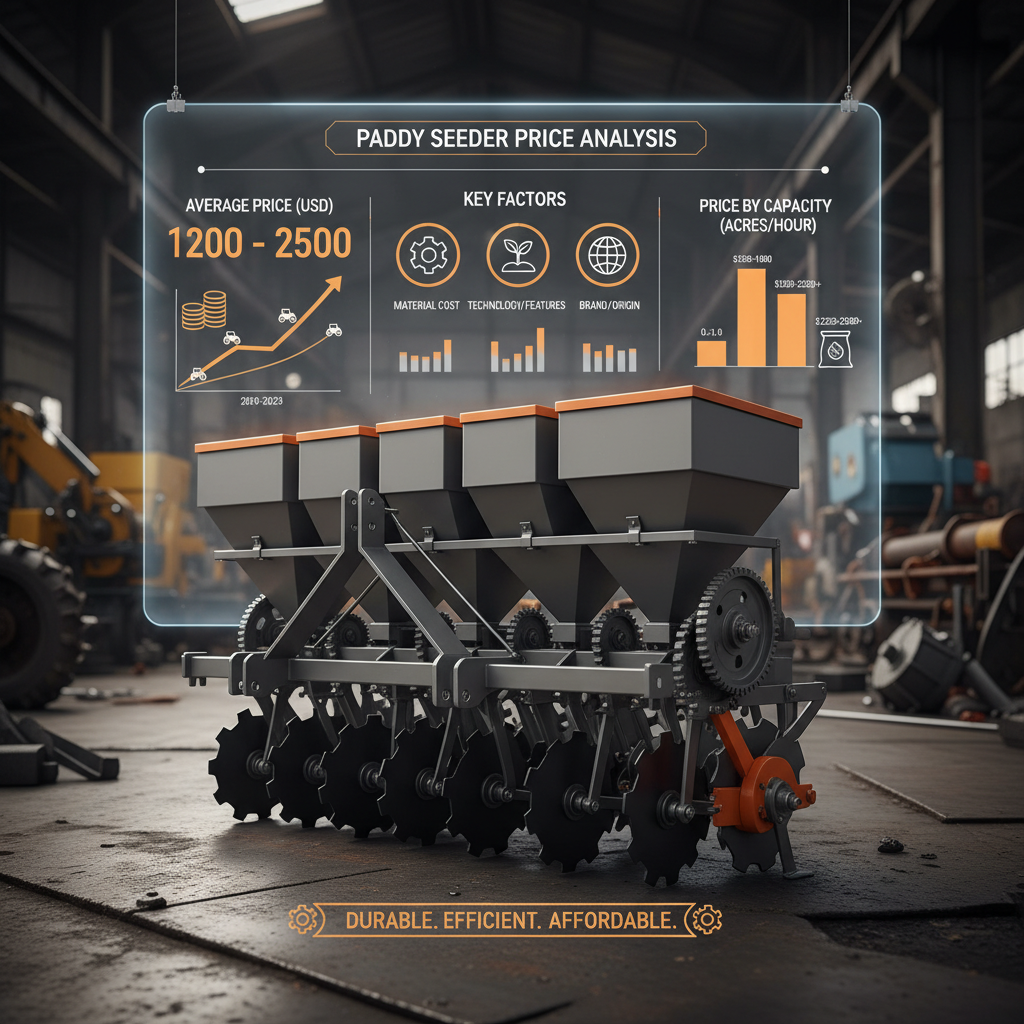
Understanding the fluctuations in paddy seeder price is essential for modern farmers aiming to optimize their planting efficiency and reduce manual labor costs. In an era where food security is a global priority, the transition from traditional broadcasting to precision seeding represents a critical shift in agricultural productivity, directly impacting the bottom line of rice production.
Across the globe, the variance in paddy seeder price is often dictated by the level of automation, the durability of the chassis, and the specific soil conditions of the region. Whether it is a manual push-seeder for small-scale plots or a tractor-mounted precision system for industrial farms, the investment in the right equipment can lead to significant increases in crop yield and resource conservation.
By analyzing the factors that influence the paddy seeder price, agricultural stakeholders can make informed procurement decisions that balance initial capital expenditure with long-term operational gains. This guide explores the intricate relationship between machine specifications, market trends, and the overall value proposition of modern seeding technology.
Global Market Dynamics of Paddy Seeder Price
The global landscape for rice cultivation is undergoing a massive transformation, driven by the need to feed a growing population with dwindling arable land. Consequently, the paddy seeder price has become a key metric for farmers in Southeast Asia and Africa, where the shift toward mechanized agriculture is most pronounced. Data from international agricultural organizations suggest that precision seeding can reduce seed waste by up to 30%, making the initial investment more justifiable.
Market volatility, fluctuating steel prices, and shipping logistics continue to play a role in how manufacturers set the paddy seeder price. However, the rise of localized manufacturing in emerging markets is beginning to lower the barrier to entry, providing farmers with high-quality, affordable alternatives to expensive imports.
Defining Value in Paddy Seeder Price Structures
When discussing the paddy seeder price, it is important to differentiate between "cost" and "value." The cost is the immediate financial outlay required to purchase the machine, whereas value encompasses the increased yield, labor savings, and reduced seed consumption over the lifetime of the equipment. A lower upfront price may often lead to higher maintenance costs or lower precision, which can negatively impact the overall harvest.
In modern industry terms, the paddy seeder price is often categorized by the machine's capacity and its integration with other farm machinery parts. For instance, a seeder designed for wet-direct seeding requires specialized materials to prevent corrosion and clogging, which naturally elevates the price point compared to dry-seeding equipment.
Ultimately, understanding the price structure helps farmers align their procurement with their specific land size and budget. By focusing on the Return on Investment (ROI), a slightly higher paddy seeder price for a high-durability model often proves to be the more economical choice over a five-year operational cycle.
Core Components Influencing Equipment Cost
One of the primary drivers of the paddy seeder price is the quality of the metering mechanism. Precision seed plates and adjustable metering rollers ensure that seeds are spaced evenly, which is crucial for avoiding nutrient competition between plants and maximizing the output per hectare.
Material durability also plays a significant role; machines constructed from reinforced alloy steel or anti-corrosive polymers command a higher paddy seeder price but offer far greater longevity in the harsh, humid environments typical of paddy fields. This durability reduces the frequency of replacement parts and downtime during the critical planting window.
Furthermore, the integration of smart technology—such as GPS-guided seeding and automated depth control—has introduced a new tier of pricing. While these advanced features increase the initial paddy seeder price, they drastically reduce overlapping and skipped areas, ensuring optimal land utilization.
Comparing Price Efficiency Across Seeder Types
Different agricultural needs lead to different equipment choices, and thus a wide range of paddy seeder price points. Manual seeders are highly affordable and ideal for smallholders, while semi-automatic and fully automatic tractor-mounted seeders target large-scale commercial operations. The efficiency of these machines is measured not just by speed, but by the accuracy of seed placement.
To better visualize how different tiers of equipment compare in terms of value and investment, we can look at their performance ratings relative to their market positioning.
Investment Value vs. Efficiency for Paddy Seeder Price Tiers
Global Applications and Regional Pricing Trends
In regions like India and Vietnam, the paddy seeder price is often influenced by government subsidies designed to promote mechanization. These programs allow farmers to access high-end seeding equipment at a fraction of the cost, accelerating the adoption of precision agriculture and increasing national grain reserves.
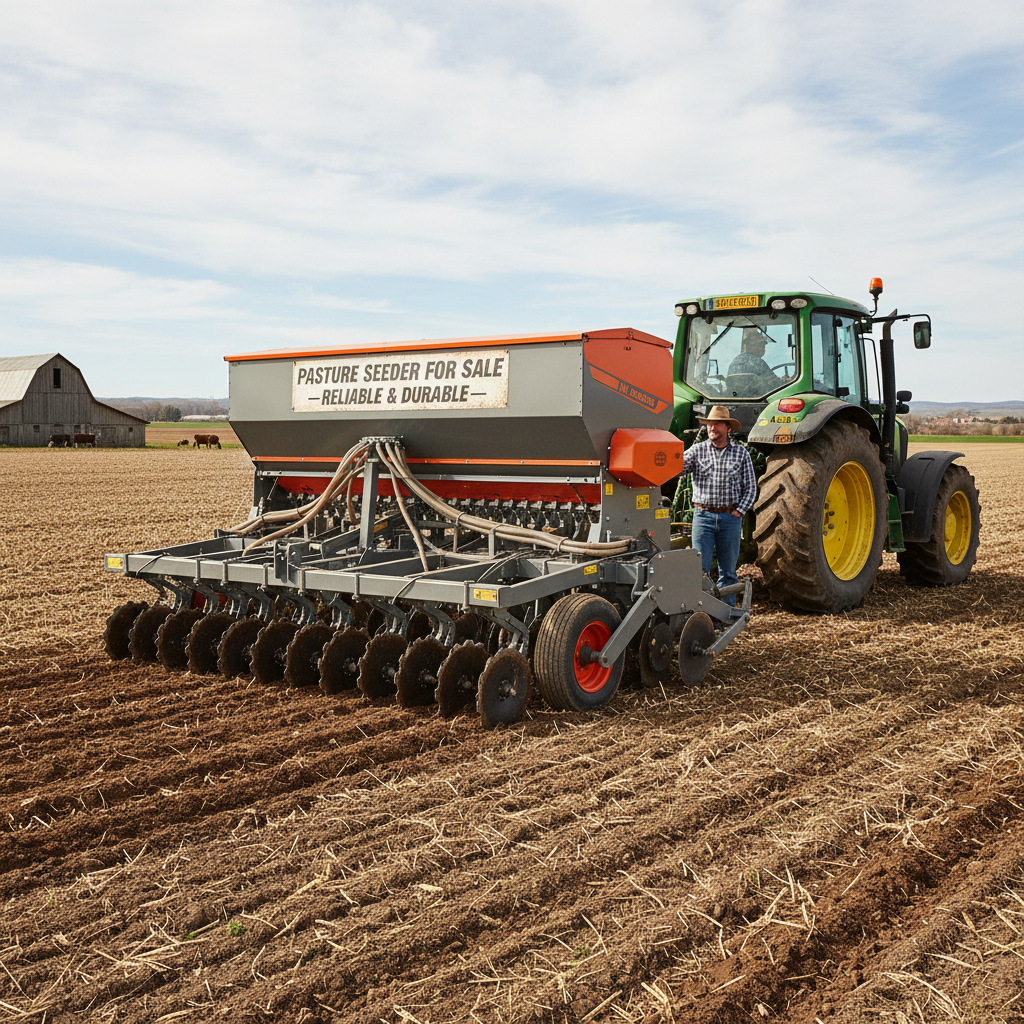
Conversely, in the Americas or Australia, where farm sizes are significantly larger, the focus shifts toward heavy-duty, multi-row seeders. In these markets, the paddy seeder price reflects the integration of advanced telemetry and soil sensors, which allow for real-time adjustments to seeding depth based on soil moisture levels.
Long-Term Economic Benefits of Precision Seeding
Investing in a quality seeder, despite a higher initial paddy seeder price, yields tangible long-term benefits. The most immediate gain is the reduction in seed consumption. By placing each seed at the optimal depth and distance, farmers can reduce their seed requirements by 15-25%, which significantly lowers the cost of inputs per season.
Beyond material savings, there is a profound social and emotional impact. Reduced reliance on manual labor alleviates the physical burden on farming families and addresses the challenge of labor shortages in rural areas. This shift allows farmers to focus on crop management and innovation rather than the grueling task of hand-planting.
Reliability also plays a key role in value. A machine with a fair paddy seeder price that is backed by a strong warranty and available spare parts ensures that the planting window is never missed. In agriculture, a delay of just one week in seeding can result in a significant percentage drop in total yield.
Future Innovations and Price Projections
The future of seeding technology is leaning heavily toward automation and green energy. We are seeing the emergence of electric-powered seeders and autonomous robotic planters. While these innovations may initially drive up the paddy seeder price, the reduction in fuel costs and the extreme precision of robotic placement will eventually lower the total cost of ownership.
Digital transformation is also playing a part, with "Seeding-as-a-Service" models emerging. In this scenario, small farmers may not buy the machine but instead pay a subscription or a per-hectare fee, effectively decoupling the high paddy seeder price from the access to the technology.
As sustainable farming policies become more stringent, we expect a surge in demand for seeders that can integrate bio-fertilizers and cover crops simultaneously. This multi-functionality will likely redefine how we perceive the paddy seeder price, moving from a single-purpose tool to a comprehensive soil-health management system.
Analysis of Future Seeding Technology and Cost Impact
| Technology Type |
Price Impact |
Efficiency Gain |
Sustainability Score |
| Electric Drive Seeders |
Moderate Increase |
High |
9/10 |
| AI-Guided Robotic Planters |
Significant Increase |
Very High |
8/10 |
| Variable Rate Tech (VRT) |
Moderate Increase |
High |
7/10 |
| Bio-Polymer Chassis |
Stable/Decrease |
Medium |
10/10 |
| IoT Soil Sensors |
Low Increase |
High |
8/10 |
| Modular Multi-Crop Systems |
Moderate Increase |
High |
9/10 |
FAQS
The variation in paddy seeder price is primarily due to the level of mechanization and the materials used. Manual seeders use basic plastics and metals, whereas professional-grade seeders utilize corrosion-resistant alloys and precision-engineered metering systems. Additionally, the inclusion of GPS, automatic depth control, and multi-row capabilities significantly increases the cost but also increases the operational efficiency for larger farms.
Not necessarily, but generally yes. While brand prestige can inflate the paddy seeder price, higher-priced models typically offer better seed spacing accuracy, more durable chassis, and comprehensive after-sales support. The key is to evaluate the specific technical parameters—such as seed waste percentage and frame material—rather than looking at the price tag alone.
To calculate the ROI, compare the total cost of manual planting (labor hours + seed waste) against the paddy seeder price plus its annual maintenance cost. Most farmers find that the reduction in seed waste (15-30%) and the drastic decrease in labor costs allow the machine to pay for itself within 2 to 3 planting seasons.
Yes, semi-automatic seeders often provide the best balance. They offer significantly more precision than manual tools but avoid the expensive electronic components of fully autonomous systems. These options keep the paddy seeder price manageable while still delivering a professional level of seed placement.
This varies by manufacturer. Many premium suppliers include a setup guide and basic operator training in the paddy seeder price to ensure the machine is calibrated correctly for the local seed variety. It is always recommended to clarify whether delivery and calibration services are bundled or billed separately.
In many developing nations, agricultural subsidies can cover 30% to 70% of the paddy seeder price. This makes high-efficiency machinery accessible to small-scale farmers, enabling them to modernize their operations without incurring unsustainable debt. Always check with your local agricultural department for available grant programs.
Conclusion
Navigating the complexities of the paddy seeder price requires a holistic view of agricultural economics. By understanding that the true cost is a blend of initial expenditure, maintenance, and seed efficiency, farmers can move beyond the sticker price to find equipment that truly enhances their productivity. From the basic manual seeder to the high-tech autonomous system, the right choice depends on balancing land scale with the desired level of precision.
Looking forward, the integration of AI and sustainable materials will continue to evolve the pricing landscape, making precision agriculture more accessible. We encourage farmers and distributors to prioritize long-term durability and seed-saving capabilities over the lowest possible entry price. For those looking to upgrade their equipment, exploring modular and scalable options is the smartest path toward a sustainable and profitable harvest. Visit our website: www.langningam.com