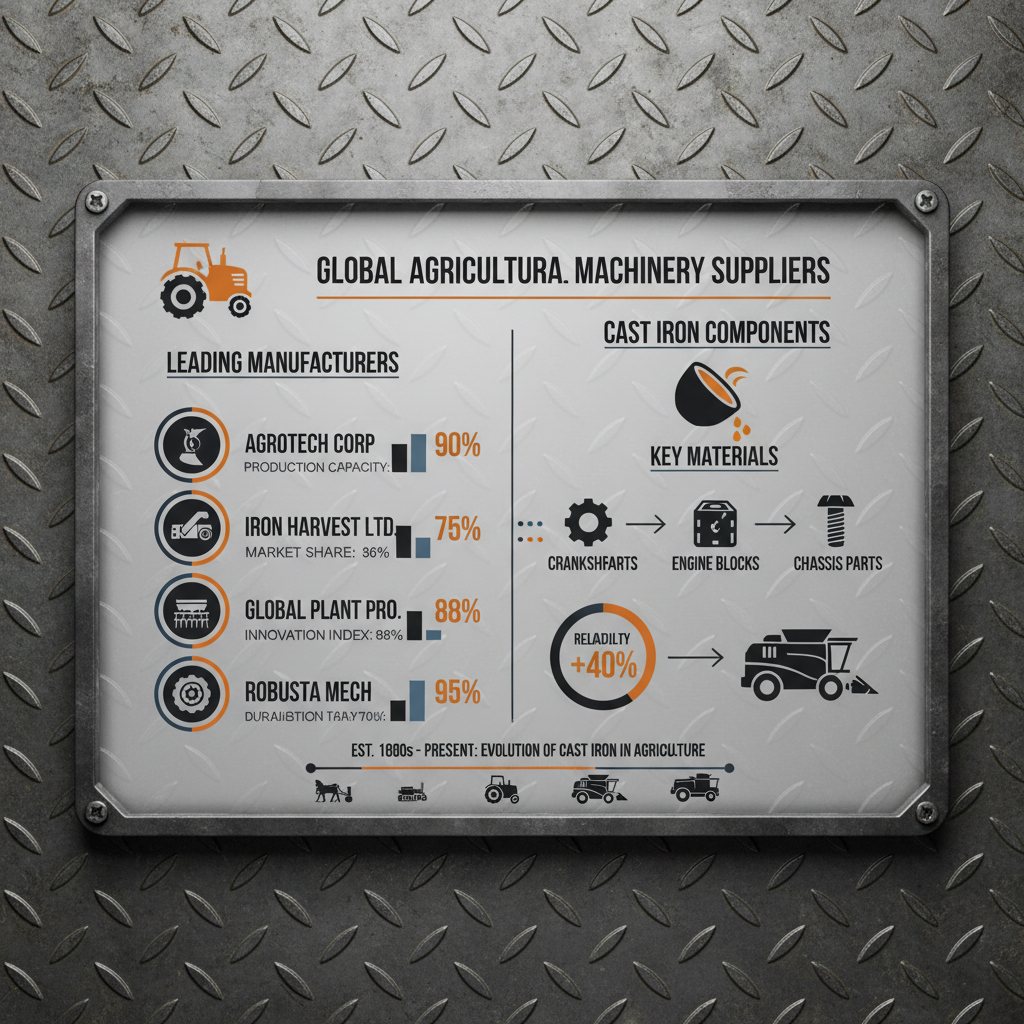
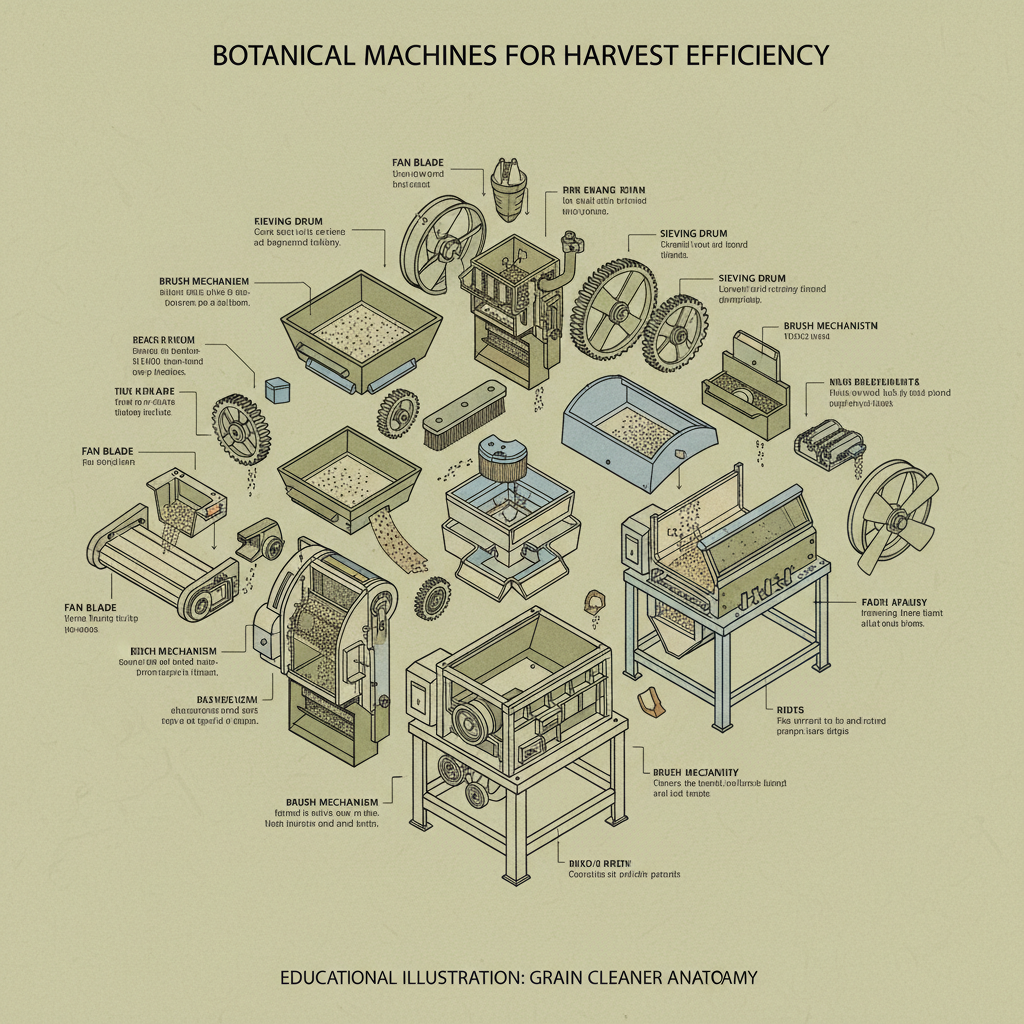
Agricultural machinery suppliers play a pivotal role in the global food supply chain, providing the essential equipment needed for efficient and productive farming. These suppliers range from large multinational corporations to smaller, specialized manufacturers, catering to a diverse range of agricultural needs worldwide. Understanding the landscape of these suppliers is crucial for farmers, agricultural businesses, and policymakers alike, impacting everything from food security to economic development.
The importance of reliable agricultural machinery suppliers extends beyond simply providing equipment; it encompasses maintenance, parts, and ongoing support. Modern agriculture demands increasingly sophisticated machinery, requiring specialized expertise for operation and repair. A robust network of suppliers ensures that farmers can access the tools they need to optimize yields and maintain sustainable farming practices. This is especially vital in developing nations where access to advanced technology can significantly improve agricultural output.
The global agricultural machinery market is a multi-billion dollar industry, driven by factors such as population growth, changing dietary habits, and the need for increased agricultural efficiency. Selecting the right agricultural machinery supplier is a critical decision for any farming operation, impacting profitability, productivity, and long-term sustainability. This requires careful consideration of factors like product quality, price, after-sales service, and technological innovation.
Introduction: Global Context
The global market for agricultural machinery is substantial and growing, estimated at over $160 billion in 2023, according to a report by the Food and Agriculture Organization (FAO) of the United Nations. This growth is fueled by the increasing global population, rising demand for food, and the need for improved agricultural efficiency. Agricultural machinery suppliers are therefore vital to meeting these demands and ensuring food security worldwide.
However, access to modern agricultural machinery remains unevenly distributed. Many developing countries struggle to afford the latest technologies, hindering their agricultural productivity. This disparity underscores the importance of affordable and accessible solutions, as well as the role of international aid organizations in providing support. Suppliers who can cater to the specific needs of these regions, offering appropriate technology and financing options, are critical for promoting sustainable agricultural development.
The market is also facing challenges such as fluctuating commodity prices, geopolitical instability, and environmental concerns. Agricultural machinery suppliers must adapt to these challenges by investing in research and development, offering innovative solutions, and promoting sustainable practices. The future success of the industry hinges on its ability to address these complex issues and deliver value to farmers around the world.
Defining Agricultural Machinery Suppliers
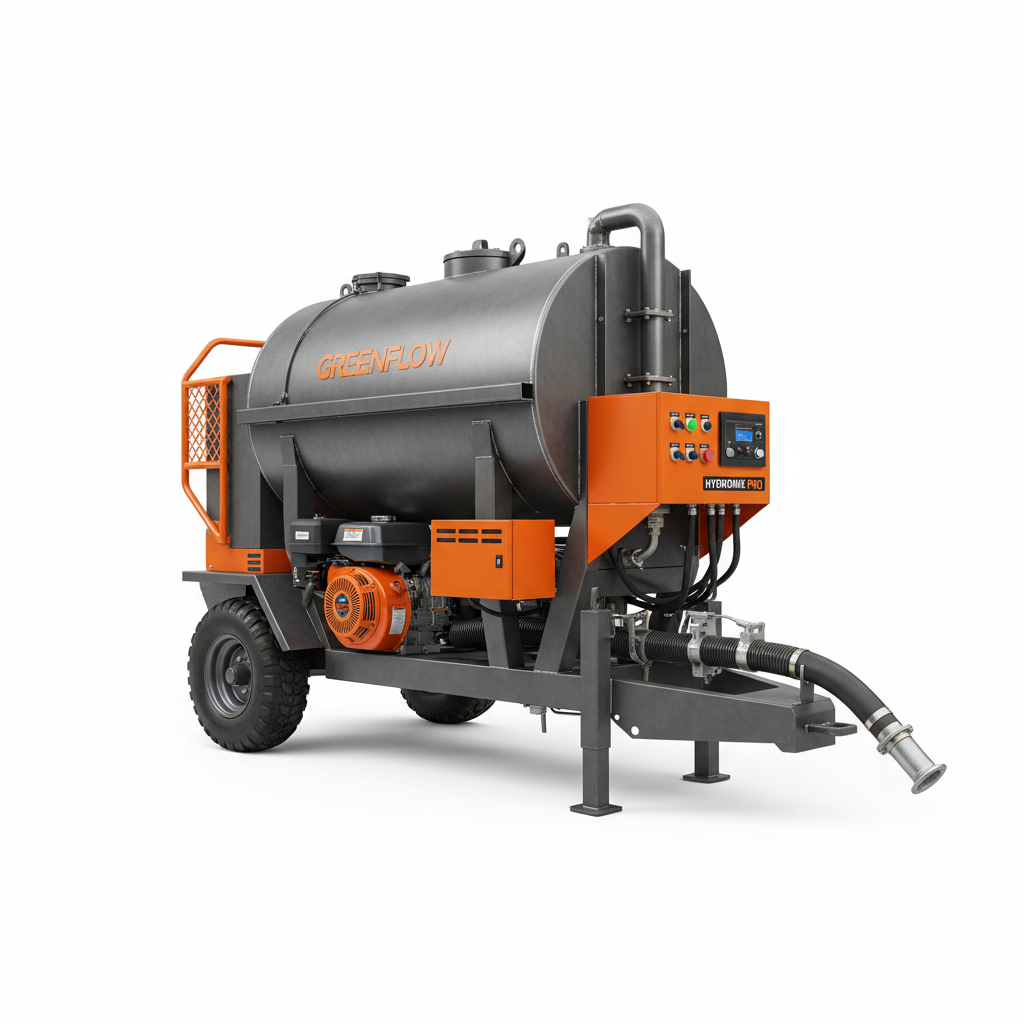
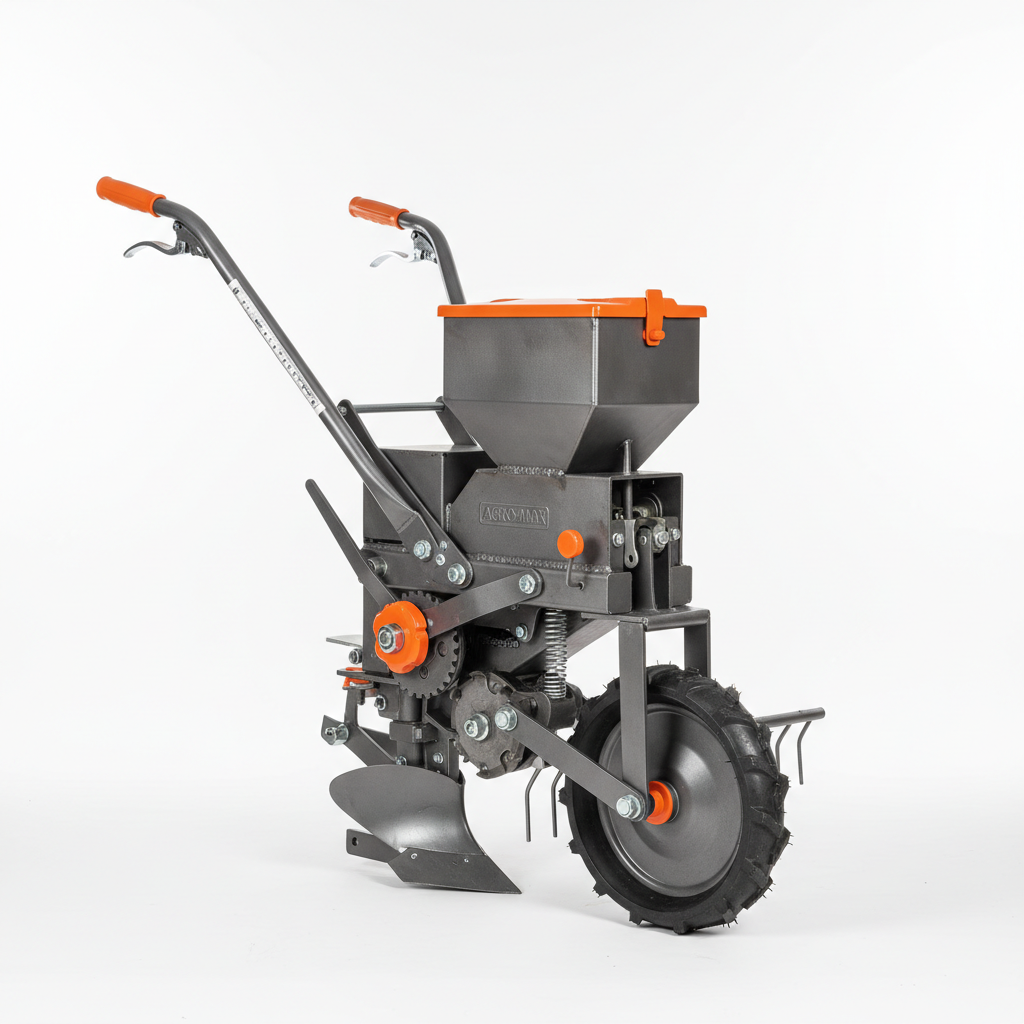
Agricultural machinery suppliers are businesses that manufacture, distribute, and service the equipment used in modern farming operations. This encompasses a wide range of products, from large-scale machinery like tractors, combines, and harvesters, to smaller, specialized equipment like planters, sprayers, and irrigation systems. These suppliers are not simply product vendors; they often provide comprehensive solutions, including financing, training, and ongoing maintenance support.
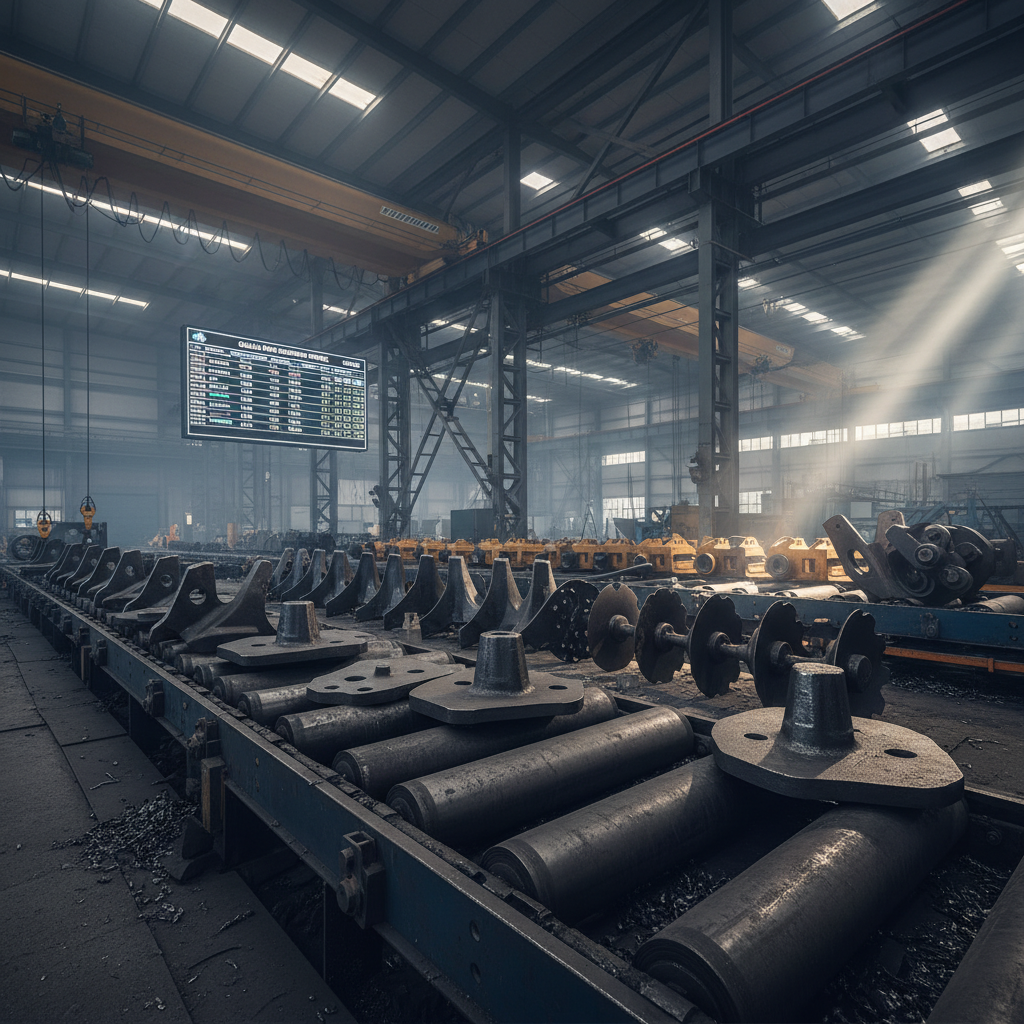
The connection to modern industry is deeply ingrained, involving complex supply chains, advanced manufacturing techniques, and sophisticated engineering. Many suppliers also integrate precision agriculture technologies, such as GPS guidance, sensor technology, and data analytics, into their offerings, helping farmers optimize yields and reduce input costs. This convergence of agriculture and technology is driving innovation and transforming the industry.
In terms of humanitarian needs, reliable agricultural machinery suppliers are essential for ensuring food security in vulnerable regions. Providing access to efficient farming equipment can empower local communities, improve livelihoods, and reduce reliance on food aid. Organizations like the World Food Programme frequently partner with suppliers to deliver agricultural solutions to areas affected by conflict, natural disasters, or poverty.
Key Factors for Selection
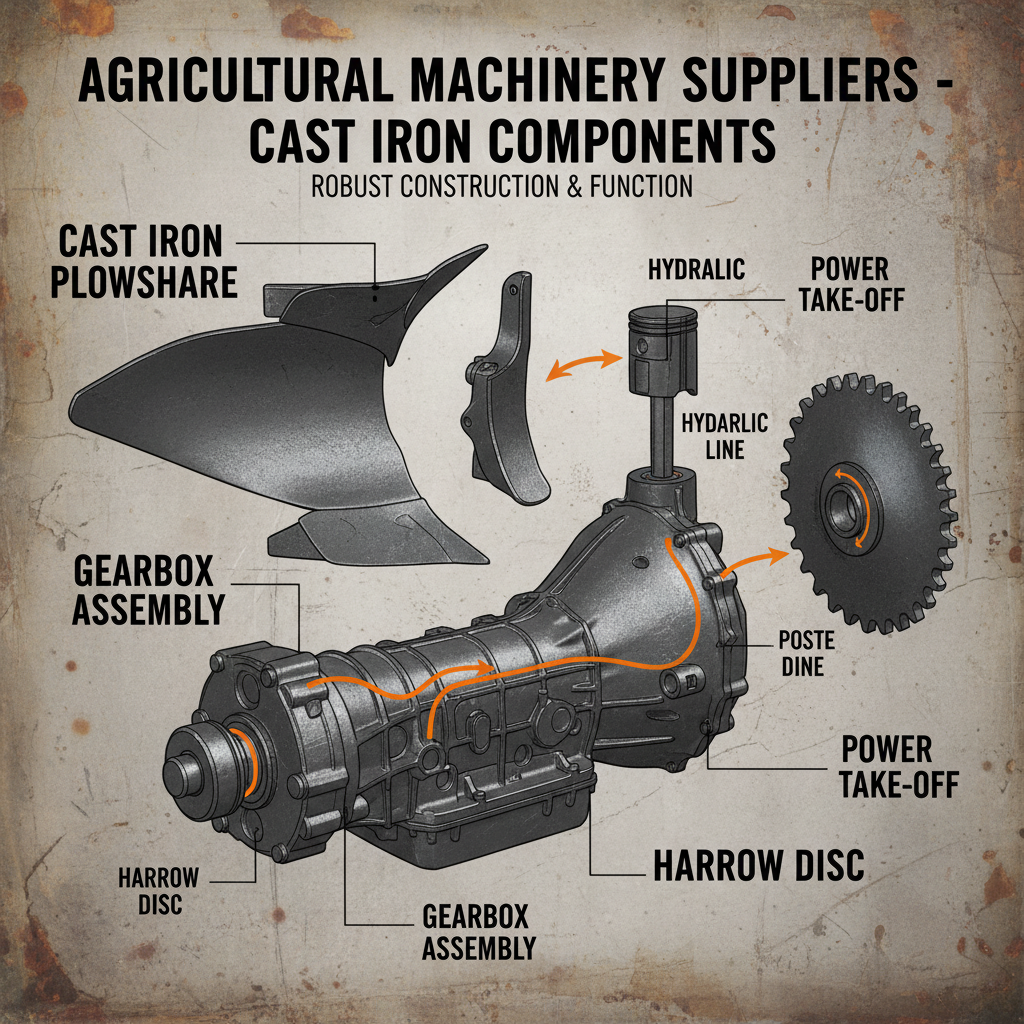
When selecting an agricultural machinery supplier, several key factors come into play. Durability is paramount, as farm equipment operates in harsh conditions and requires a long service life. Suppliers who use high-quality materials and robust construction techniques are essential. A machine's ability to withstand continuous use and environmental stressors directly impacts a farmer's bottom line.
Cost Efficiency isn't just about the initial purchase price. It encompasses total cost of ownership, including fuel consumption, maintenance costs, and potential downtime. Suppliers who offer energy-efficient machinery and comprehensive service packages can help farmers minimize long-term expenses. Scalability also matters, especially for growing farms. A supplier should be able to provide equipment that can adapt to changing needs and expand along with the operation. Technological Integration is another critical aspect, as modern agriculture increasingly relies on data-driven insights and precision farming techniques. Suppliers who offer equipment with advanced features and connectivity options can help farmers maximize efficiency and profitability. Furthermore, strong After-Sales Support including readily available spare parts and trained technicians is vital to minimizing downtime and ensuring continuous operation. Reputation and Reliability are also vital considerations; farmers need to partner with suppliers who have a proven track record of delivering quality products and excellent service.
Global Applications and Impact
Agricultural machinery suppliers have a significant impact across diverse global contexts. In North America and Europe, they primarily serve large-scale, commercial farms, providing high-tech equipment and precision agriculture solutions. These regions often represent the leading edge of agricultural innovation. In contrast, in many parts of Africa and Asia, suppliers cater to smallholder farmers, offering smaller, more affordable machinery designed for specific local conditions.
In post-disaster relief operations, suppliers often provide essential equipment for restoring agricultural production and supporting affected communities. For example, after a hurricane or flood, tractors, plows, and irrigation systems can help farmers rebuild their fields and resume farming. Similarly, in remote industrial zones, reliable machinery suppliers are crucial for supporting large-scale agricultural projects that contribute to economic development.
Organizations like USAID and the World Bank frequently collaborate with agricultural machinery suppliers to implement development programs in developing countries. These programs aim to improve agricultural productivity, enhance food security, and promote sustainable farming practices. The success of these initiatives often hinges on the availability of reliable and appropriate agricultural machinery.
Agricultural Machinery Suppliers - Method Comparison
Advantages and Long-Term Value
The advantages of partnering with reputable agricultural machinery suppliers are multifaceted. Economically, access to efficient machinery translates to increased yields, reduced labor costs, and improved profitability for farmers. Sustainable practices are also fostered through the use of fuel-efficient equipment and technologies that minimize environmental impact. This ensures long-term viability of agricultural operations.
From a social impact perspective, reliable machinery suppliers contribute to improved livelihoods for farmers and rural communities. Increased productivity empowers farmers to earn a better income, invest in their families, and contribute to local economies. The safety and dignity of farm workers are also enhanced through the use of modern, ergonomically designed equipment. Furthermore, innovation in agricultural machinery drives continuous improvement in farming practices and fosters a culture of progress.
Future Trends and Innovations
The future of agricultural machinery suppliers will be heavily influenced by several key trends. Automation and robotics are rapidly transforming the industry, with the development of self-driving tractors, automated harvesters, and precision spraying systems. These technologies promise to further increase efficiency, reduce labor costs, and improve crop yields. Digital transformation is also playing a critical role, with the integration of IoT sensors, data analytics, and cloud-based platforms.
Sustainability is becoming an increasingly important driver of innovation. Suppliers are investing in the development of electric and hybrid machinery, as well as equipment that utilizes alternative fuels. Precision agriculture technologies are also helping farmers optimize resource use, reducing water consumption, fertilizer application, and pesticide usage. Green energy solutions and a circular economy approach will become more prevalent.
Challenges and Solutions
Despite the advancements, agricultural machinery suppliers face several challenges. The high cost of new equipment can be a barrier for smallholder farmers, particularly in developing countries. Supply chain disruptions, such as those experienced during the COVID-19 pandemic, can also create delays and increase costs. Furthermore, the increasing complexity of machinery requires skilled technicians for maintenance and repair.
Innovative financing models, such as leasing and shared ownership programs, can help make equipment more accessible to smallholder farmers. Diversifying supply chains and investing in local manufacturing capacity can mitigate the risk of disruptions. Providing comprehensive training programs for technicians and developing remote diagnostic tools can address the skills gap. Collaboration between suppliers, governments, and research institutions is crucial for overcoming these challenges and ensuring the long-term sustainability of the industry.
Investing in research and development to create more affordable, durable, and environmentally friendly machinery is also essential. This includes exploring new materials, manufacturing techniques, and energy sources. Furthermore, fostering a culture of innovation and collaboration within the industry can accelerate the development and adoption of new technologies.
Summary of Challenges and Potential Solutions for Agricultural Machinery Suppliers
| Challenge Area |
Impact on Suppliers |
Potential Solution |
Implementation Difficulty (1-10) |
| High Equipment Costs |
Reduced market access for small farms |
Leasing programs, shared ownership models |
6 |
| Supply Chain Disruptions |
Production delays, increased costs |
Diversification of suppliers, local manufacturing |
7 |
| Skills Gap for Maintenance |
Increased downtime, higher repair costs |
Training programs, remote diagnostic tools |
5 |
| Environmental Concerns |
Regulatory pressure, brand reputation risk |
Development of electric/hybrid machinery |
8 |
| Technological Complexity |
Increased R&D costs, need for specialized expertise |
Collaboration with tech companies, investment in AI |
9 |
| Market Competition |
Price pressure, reduced margins |
Differentiation through innovation, superior service |
7 |
FAQS
When selecting agricultural machinery suppliers, prioritize factors such as product durability, cost-effectiveness (including maintenance costs), technological integration, the availability of after-sales support and spare parts, and the supplier’s overall reputation. Consider your specific farming needs and the scale of your operation. A reliable supplier should offer solutions tailored to your requirements and provide ongoing support to ensure optimal performance and minimize downtime.
Thoroughly research potential suppliers and their product offerings. Seek out customer reviews, testimonials, and case studies. Request detailed product specifications and compare them across different brands. If possible, visit supplier facilities or attend industry trade shows to inspect equipment firsthand. Consider conducting field trials or requesting demonstrations to evaluate performance under real-world conditions.
Reputable agricultural machinery suppliers should provide comprehensive after-sales service, including timely access to spare parts, skilled technicians for maintenance and repair, and readily available technical support. Training programs for your staff are also highly valuable. A good supplier will offer warranty coverage and proactively address any issues that may arise. Look for suppliers with a well-established service network and a commitment to customer satisfaction.
Many agricultural machinery suppliers offer financing options, such as loans, leases, and hire purchase agreements. These options can help farmers spread the cost of equipment over time and improve cash flow. Government programs and agricultural banks may also provide financing assistance. Be sure to carefully evaluate the terms and conditions of any financing agreement before making a commitment.
Agricultural machinery suppliers are increasingly integrating precision agriculture technologies into their products. This includes features such as GPS guidance, sensor technology, variable rate application, and data analytics. These technologies help farmers optimize resource use, improve crop yields, and reduce environmental impact. Suppliers are also developing software platforms that allow farmers to collect, analyze, and manage data from their equipment.
Sustainability is becoming a critical consideration for agricultural machinery suppliers. This includes developing more fuel-efficient equipment, utilizing alternative fuels, and reducing emissions. Suppliers are also focusing on designing machinery that minimizes soil compaction and promotes biodiversity. The adoption of circular economy principles, such as remanufacturing and recycling, is also gaining traction.
Conclusion
In conclusion, agricultural machinery suppliers are integral to the global food system, playing a vital role in increasing productivity, enhancing sustainability, and improving the livelihoods of farmers. Selecting the right supplier requires careful consideration of factors such as durability, cost-effectiveness, technological integration, and after-sales support. The future of the industry is poised for further innovation, driven by automation, digitalization, and a growing emphasis on environmental responsibility.
Investing in strong relationships with reliable agricultural machinery suppliers is a strategic decision that can yield significant long-term benefits for farmers and the agricultural sector as a whole. We encourage you to explore the latest technologies, consider your specific needs, and partner with a supplier who can help you achieve your agricultural goals. To learn more about our comprehensive range of agricultural machinery and services, please visit our website: agricultural machinery suppliers.