Farm equipment suppliers are the backbone of modern agriculture, providing the tools and machinery necessary to feed a growing global population. These suppliers range from large multinational corporations to smaller, local businesses, all playing a crucial role in ensuring efficient and sustainable food production. Understanding the landscape of farm equipment suppliers is paramount for farmers, agricultural businesses, and policymakers alike, as access to reliable and innovative equipment directly impacts crop yields, operational costs, and environmental sustainability.
The global demand for farm equipment is steadily increasing, driven by factors such as population growth, changing dietary habits, and the need to enhance agricultural productivity. According to the UN, the world population is projected to reach nearly 10 billion by 2050, necessitating a significant increase in food production. This translates to a greater reliance on advanced agricultural technologies and a robust network of farm equipment suppliers to meet these demands. Furthermore, the World Bank highlights the importance of investing in agricultural mechanization, particularly in developing countries, to improve food security and reduce poverty.
However, challenges remain in ensuring equitable access to farm equipment, particularly for smallholder farmers in developing regions. Supply chain disruptions, rising input costs, and the need for specialized maintenance and repair services all contribute to this challenge. Addressing these issues requires collaborative efforts between governments, suppliers, and financial institutions to facilitate affordable access to essential agricultural technologies.
Introduction to Farm Equipment Suppliers
Farm equipment suppliers are companies that manufacture, distribute, and service the machinery and tools used in agricultural operations. This encompasses a vast range of products, from tractors and harvesters to irrigation systems and precision farming technologies. Effective farm equipment suppliers don’t merely sell equipment; they provide comprehensive solutions, including financing options, maintenance programs, and technical support.
The role of these suppliers has evolved significantly over time, driven by advancements in technology and a growing focus on sustainable agricultural practices. Modern suppliers are increasingly incorporating data analytics, automation, and connectivity into their products, enabling farmers to optimize their operations and reduce their environmental footprint. Selecting the right farm equipment suppliers is critical for long-term agricultural success.
Defining Farm Equipment Suppliers
At its core, a farm equipment supplier bridges the gap between manufacturers and the end-user – the farmer. These suppliers can operate at various levels, including direct sales from manufacturers, regional dealerships, and specialized service providers. They are responsible for not only providing the physical equipment but also for offering the necessary expertise and support to ensure its effective use.
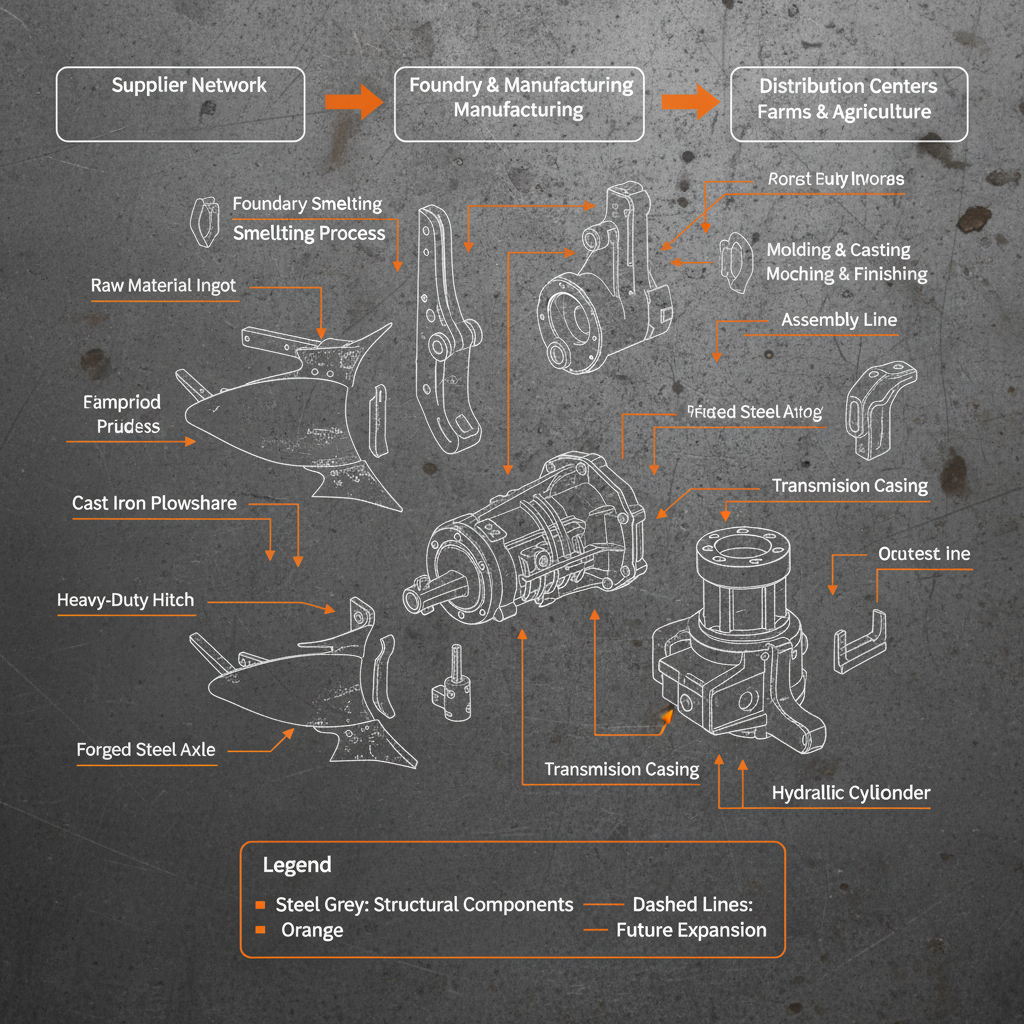
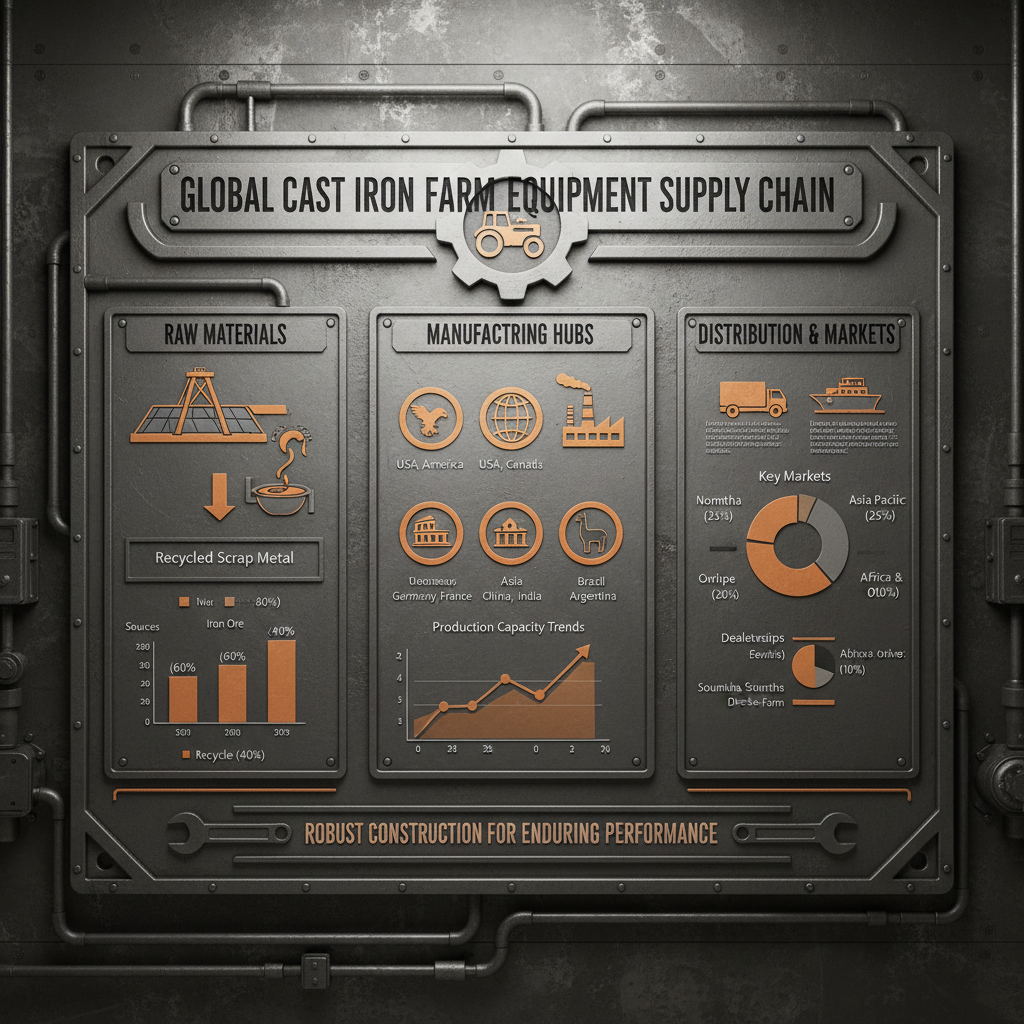
The connection to modern industry is clear: farm equipment suppliers are integral to the agricultural supply chain, facilitating the production of food, fiber, and fuel. Their contributions extend beyond simply providing machinery; they contribute to advancements in agricultural technology and the development of more sustainable farming practices.
The humanitarian needs aspect lies in their ability to support food security, particularly in regions facing challenges related to climate change, resource scarcity, and population growth. Reliable access to farm equipment empowers farmers to increase yields, improve efficiency, and build more resilient agricultural systems.
Key Factors in Selecting Suppliers
When choosing a farm equipment supplier, several key factors should be considered. Durability is paramount, as agricultural equipment is subjected to harsh operating conditions and requires a long service life. Suppliers offering robust, well-engineered equipment, backed by strong warranties, are essential.
Scalability refers to the supplier’s ability to meet evolving needs. As a farm expands or adopts new technologies, the supplier should be able to provide the appropriate equipment and support. A supplier with a diverse product portfolio and a commitment to innovation is crucial for long-term growth.
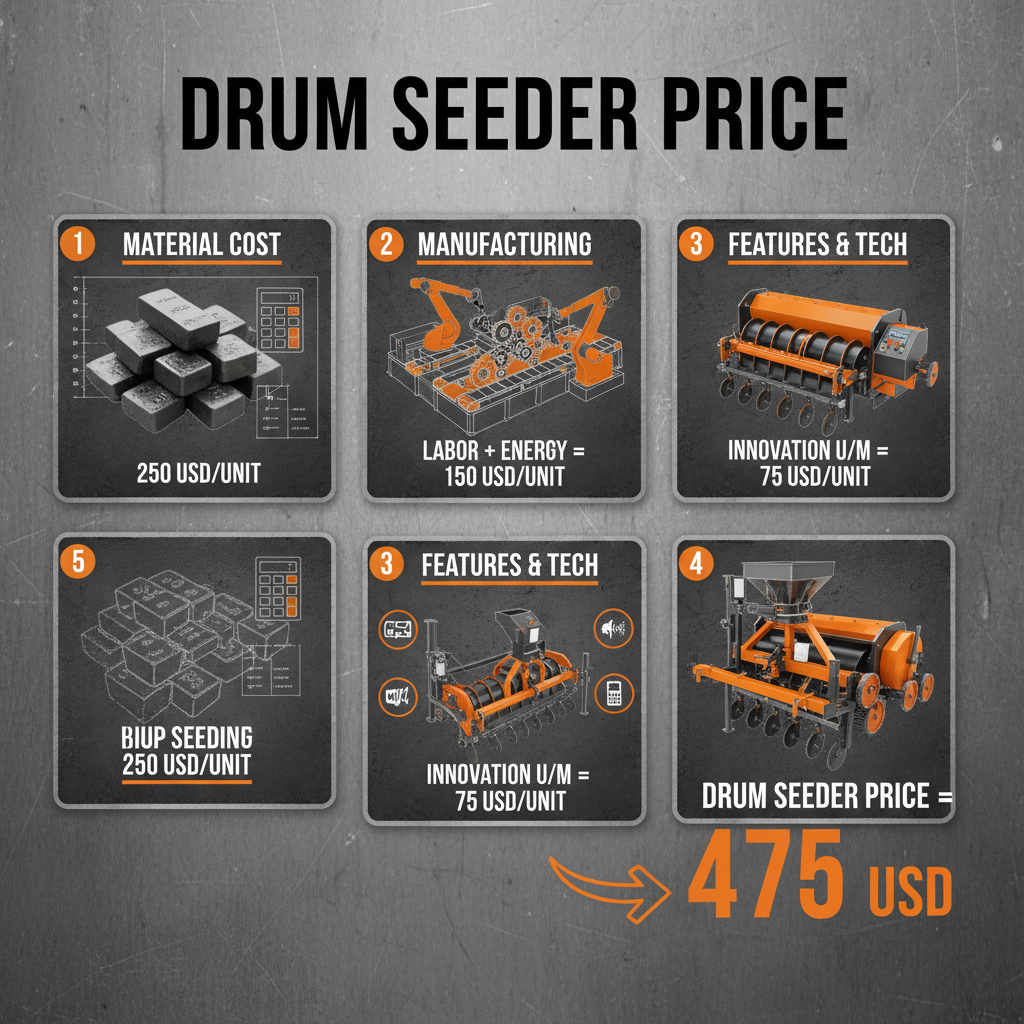
Cost Efficiency isn’t just about the initial purchase price; it encompasses the total cost of ownership, including maintenance, repairs, fuel consumption, and downtime. Suppliers offering competitive pricing and comprehensive service packages can significantly reduce overall operating costs. Reliability and Reputation also weigh heavily – seeking recommendations from other farmers and researching supplier reviews is highly advisable. Finally, Technical Support is a key element; prompt and effective support minimizes downtime and maximizes productivity.
Global Applications and Impact
Farm equipment suppliers play a vital role in agricultural production across the globe. In North America and Europe, they support large-scale, highly mechanized farming operations. In regions like Brazil and Argentina, they are crucial for the expansion of soybean and corn production.
In developing countries, suppliers are contributing to increased food security by providing access to affordable and reliable equipment. For example, in India, the introduction of small-scale tractors and irrigation systems has significantly improved crop yields and livelihoods for smallholder farmers. In Africa, suppliers are working to adapt equipment to local conditions and provide training to farmers on its proper use.
In post-disaster relief operations, farm equipment suppliers can provide essential machinery for clearing land, rebuilding infrastructure, and restoring agricultural production. They also play a crucial role in remote industrial zones, such as mining operations, where they supply equipment for land management and environmental remediation.
Supplier Performance Comparison
Advantages and Long-Term Value
The tangible benefits of working with reputable farm equipment suppliers are substantial. Cost savings are realized through increased efficiency, reduced downtime, and lower maintenance expenses. Sustainability is enhanced through access to fuel-efficient and environmentally friendly equipment.
From a social impact perspective, reliable equipment empowers farmers, improves livelihoods, and strengthens rural communities. The emotional benefits include peace of mind knowing that operations are supported by dependable equipment and expert service, contributing to the dignity of labor and a more secure future. Trust in the supplier builds strong relationships and ensures long-term support.
Future Trends and Innovations
The future of farm equipment suppliers is inextricably linked to technological advancements. Automation and robotics are poised to revolutionize agricultural operations, with self-driving tractors, drones, and automated harvesting systems becoming increasingly commonplace. Digital transformation, fueled by data analytics and the Internet of Things (IoT), will enable farmers to make more informed decisions and optimize their resource utilization.
Sustainability will continue to be a driving force, with suppliers developing equipment powered by renewable energy sources and designed to minimize environmental impact. Precision farming technologies, such as variable-rate application and sensor-based monitoring, will become more sophisticated, allowing farmers to tailor their inputs to specific crop needs and reduce waste.
Challenges and Solutions for Suppliers
One of the primary challenges facing farm equipment suppliers is the increasing complexity of agricultural technology. Keeping pace with advancements in automation, data analytics, and precision farming requires significant investment in research and development, as well as ongoing training for service technicians.
Another challenge is the need to address supply chain disruptions and rising input costs. Diversifying sourcing strategies, building stronger relationships with suppliers, and exploring alternative materials are crucial steps to mitigate these risks. Finally, providing affordable financing options and tailored service packages to meet the needs of smallholder farmers remains a key challenge.
Innovative solutions include offering subscription-based equipment access, providing remote diagnostics and maintenance services, and developing modular equipment that can be easily upgraded and adapted to changing needs. Collaboration between suppliers, manufacturers, and research institutions is essential to overcome these challenges and drive innovation in the agricultural sector.
Key Analysis of Supplier Performance Metrics
| Supplier Name |
Product Reliability (Scale 1-10) |
Service Responsiveness (Hours) |
Customer Satisfaction (Scale 1-5) |
| AgriTech Solutions |
9 |
4 |
4.8 |
| FarmMaster Equipment |
8 |
8 |
4.5 |
| Precision Agro Inc. |
7 |
12 |
4.2 |
| Global Harvest Systems |
10 |
2 |
5.0 |
| RuralTech Enterprises |
6 |
24 |
3.8 |
| HarvestPro Solutions |
8.5 |
6 |
4.6 |
FAQS
When selecting a farm equipment supplier, prioritize durability, scalability, cost efficiency (including long-term maintenance), and the quality of their technical support. Consider the supplier’s reputation, customer reviews, and ability to meet your evolving needs. Look for suppliers offering comprehensive solutions beyond just the initial equipment purchase, such as financing options and training programs. Thoroughly research various suppliers to ensure you're making an informed decision that aligns with your long-term agricultural goals.
Assessing supplier reliability involves several steps. Check their track record by seeking references from other farmers. Review online customer reviews and ratings. Inquire about their warranty policies and service agreements. Evaluate the quality of their equipment and the availability of spare parts. A reputable supplier will be transparent about their processes and willing to address your concerns. Don't hesitate to ask for demonstrations or site visits to see their equipment in action.
Local farm equipment suppliers often provide quicker response times for repairs and maintenance, offering personalized service and a deeper understanding of regional agricultural needs. They can build stronger relationships with farmers, providing tailored solutions and support. Supporting local businesses also contributes to the economic vitality of the community. However, it’s important to compare their offerings with those of larger national or international suppliers to ensure competitive pricing and a comprehensive product range.
After-sales service and support are crucial for maximizing the lifespan and efficiency of your farm equipment. Prompt access to spare parts, skilled technicians, and timely repairs minimizes downtime and ensures continued productivity. A good supplier will offer comprehensive maintenance programs, remote diagnostics, and training resources. The quality of after-sales support can significantly impact the total cost of ownership and your overall return on investment.
Automation, precision farming technologies, and data analytics are driving significant changes. Expect to see more self-driving tractors, drones for crop monitoring, and sensor-based systems for optimized input application. IoT connectivity will enable remote equipment monitoring and predictive maintenance. Suppliers are also exploring alternative power sources, such as electric and hybrid technologies, to reduce environmental impact and improve fuel efficiency.
Stay updated by attending agricultural trade shows and conferences. Subscribe to industry publications and online newsletters. Follow leading farm equipment suppliers on social media. Engage with agricultural extension services and research institutions. Networking with other farmers is also a valuable way to learn about new technologies and best practices. Regular industry research will help you make informed decisions and optimize your farm operations.
Conclusion
In conclusion, farm equipment suppliers are vital partners in the success of modern agriculture. Selecting the right supplier requires careful consideration of factors such as durability, scalability, cost efficiency, and after-sales support. The future of the industry is marked by technological innovation, with automation, precision farming, and sustainability leading the way.
Investing in strong relationships with reliable suppliers and staying informed about emerging technologies will be crucial for farmers seeking to enhance productivity, reduce costs, and build resilient agricultural systems. We encourage you to explore our comprehensive range of farm equipment solutions and experience the difference a trusted partner can make. Visit our website today: www.langningam.com.