Modern farming relies heavily on efficient and reliable farm machinery. From planting and harvesting to livestock management, the right equipment can significantly increase productivity and reduce labor costs. This article will explore the various types of farm machinery available, their applications, and how to choose the best options for your agricultural needs. Understanding the latest advancements and considering your specific farm requirements are crucial for maximizing your return on investment. Langningam provides a comprehensive selection of high-quality farm machinery to meet diverse farming operations.
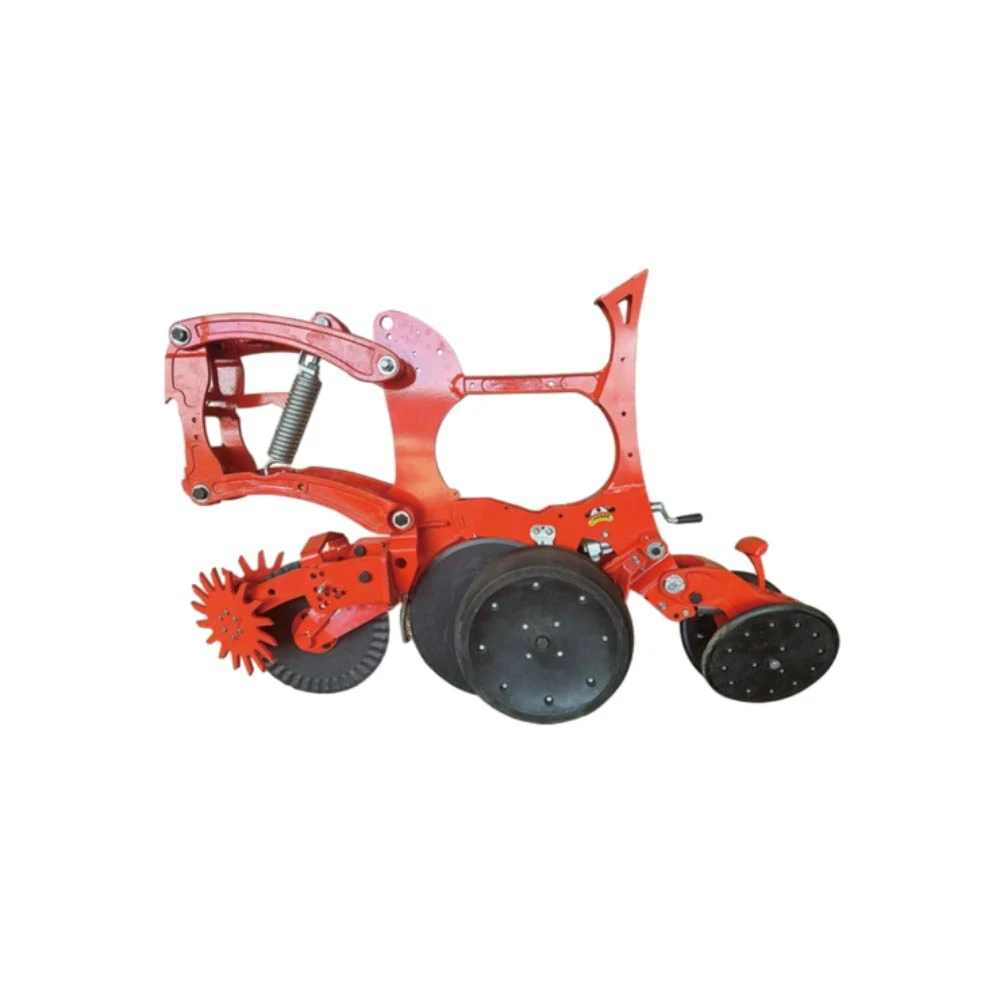
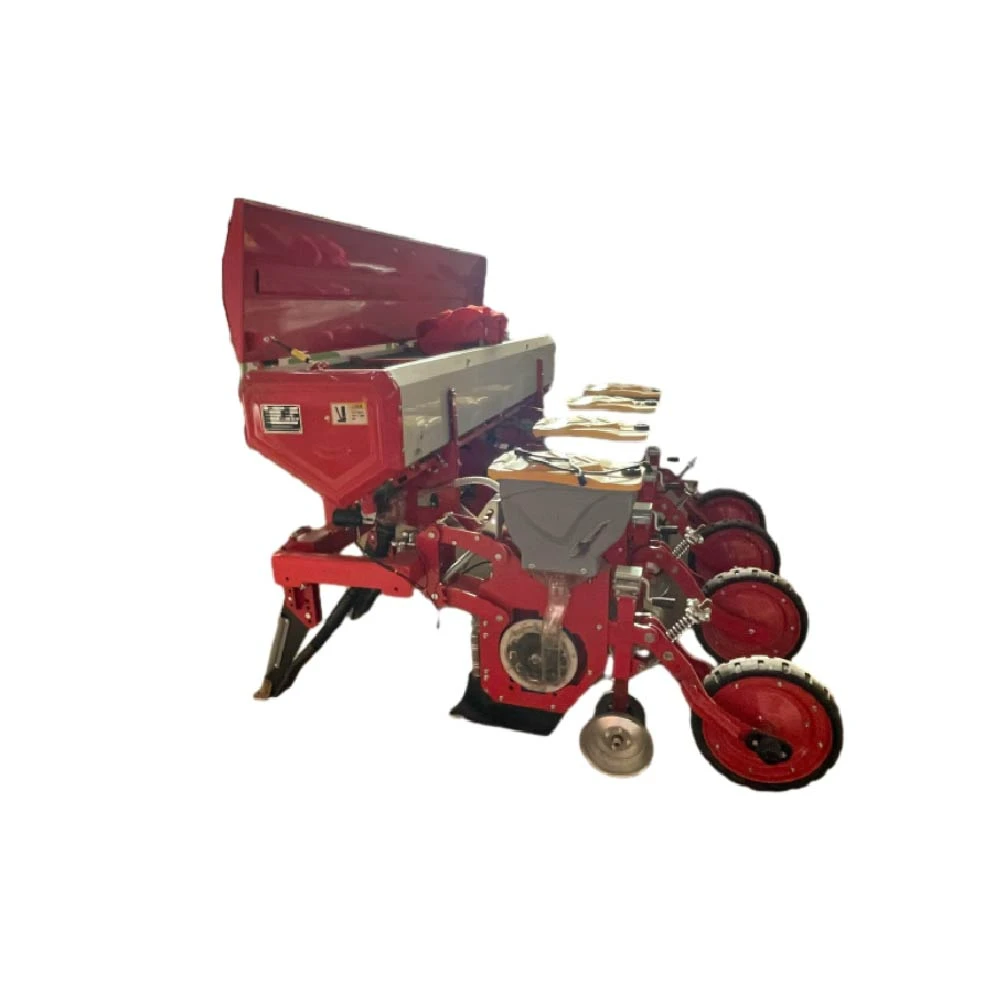
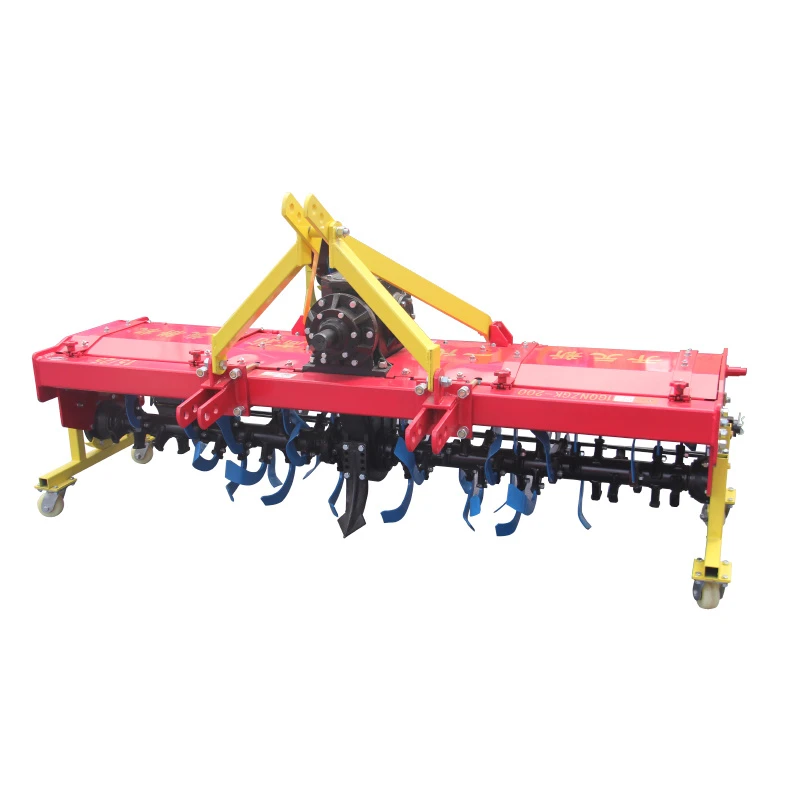
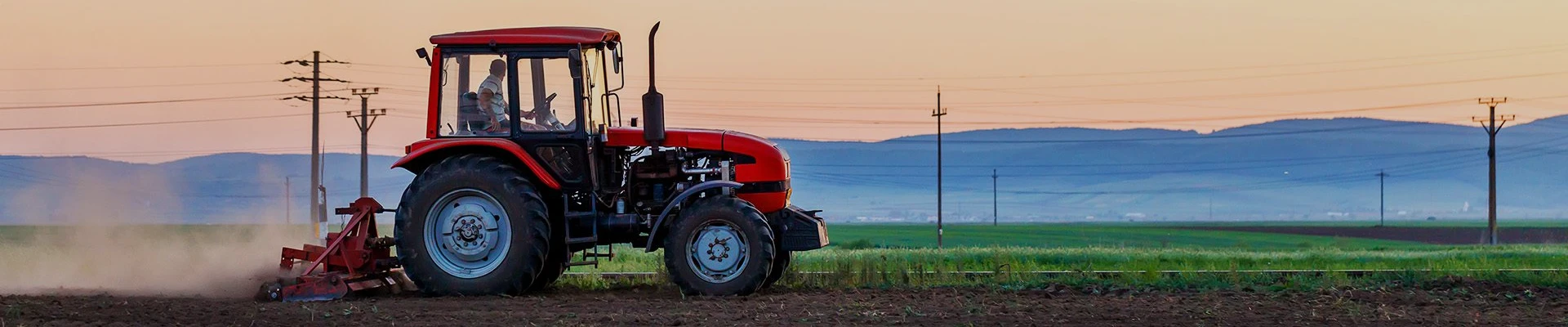
The world of farm machinery is vast, encompassing a wide range of tools and equipment. Here are some essential categories: Tractors are the workhorses of most farms, used for a variety of tasks like plowing, planting, and hauling. Planters and Seeders precisely sow seeds, ensuring optimal spacing and depth for healthy growth. Harvesters efficiently gather crops, minimizing losses and speeding up the harvesting process. Balers compress hay or straw into manageable bales for storage and feeding livestock. Sprayers apply fertilizers, pesticides, and herbicides, protecting crops and promoting yields. Cultivators prepare soil for planting by loosening the soil and removing weeds. Choosing the right machinery depends on the specific crops grown, the size of the farm, and the available budget.
Key Highlights: Farm machinery significantly boosts productivity, reduces labor costs, and improves crop yields. Investing in the right equipment is critical for the success of any modern farming operation.
Selecting the appropriate farm machinery requires careful consideration of several factors. Farm Size: Larger farms typically require larger, more powerful machinery. Crop Type: Different crops necessitate specific equipment for planting, harvesting, and processing. Terrain: Hilly or uneven terrain may require specialized tractors or all-terrain vehicles. Budget: Machinery can be a significant investment, so it's crucial to establish a realistic budget. Maintenance: Consider the cost of maintenance and repairs when choosing equipment. Technological Advancements: Modern machinery often incorporates GPS, sensors, and automation features that can enhance efficiency and precision.
Key Considerations:
• Farm size and terrain
• Crop type and specific needs
• Budget and long-term costs
• Maintenance requirements and availability of parts
Tractors are central to most farm operations. Different tractor types cater to varying needs. Understanding their strengths and weaknesses is vital. Here's a comparison of popular tractor types:
Precision agriculture is revolutionizing the farming industry. This approach utilizes technology like GPS, sensors, and data analytics to optimize farming practices. Autonomous tractors, drones for crop monitoring, and variable-rate applicators are becoming increasingly common. These technologies enable farmers to make data-driven decisions, improving efficiency, reducing waste, and increasing yields. Langningam is committed to providing innovative and cutting-edge farm machinery solutions to help farmers embrace the benefits of precision agriculture.
Don't hesitate to contact us for expert advice and tailored solutions.
Regular maintenance is crucial for ensuring the longevity and optimal performance of your farm machinery. This includes daily checks for fluid levels, tire pressure, and wear and tear. Scheduled servicing, such as oil changes, filter replacements, and lubrication, should be performed according to the manufacturer's recommendations. Proper storage during the off-season is also essential, protecting equipment from the elements. Addressing minor issues promptly can prevent them from escalating into costly repairs. Keeping a detailed maintenance log can help track service intervals and identify potential problems.
Several financing options are available for farm machinery purchases. Traditional agricultural loans from banks and credit unions are common. Government-backed loan programs, such as those offered by the Farm Service Agency (FSA), can provide favorable terms. Leasing is another option, allowing you to use the machinery without the upfront cost of ownership. Equipment manufacturers often offer financing plans. It’s important to compare interest rates, repayment terms, and any associated fees before making a decision. A solid business plan and financial projections will strengthen your loan application.
GPS technology offers numerous benefits for farm machinery operations. It enables precision guidance, allowing tractors and other equipment to navigate fields with greater accuracy, reducing overlap and minimizing fuel consumption. GPS-based variable-rate application systems optimize the use of fertilizers, pesticides, and seeds, improving efficiency and reducing environmental impact. Data collected through GPS can be analyzed to create yield maps, identifying areas of high and low productivity. GPS also facilitates automated steering, reducing operator fatigue and improving overall productivity.
Automation streamlines many farming tasks, leading to significant efficiency gains. Autonomous tractors can operate around the clock, increasing productivity and reducing labor costs. Automated irrigation systems optimize water usage, conserving resources and improving crop yields. Robotic harvesting systems can selectively pick ripe produce, minimizing waste and improving quality. Automation also reduces the risk of human error, leading to more consistent and predictable results. By automating repetitive tasks, farmers can focus on more strategic aspects of their operations.