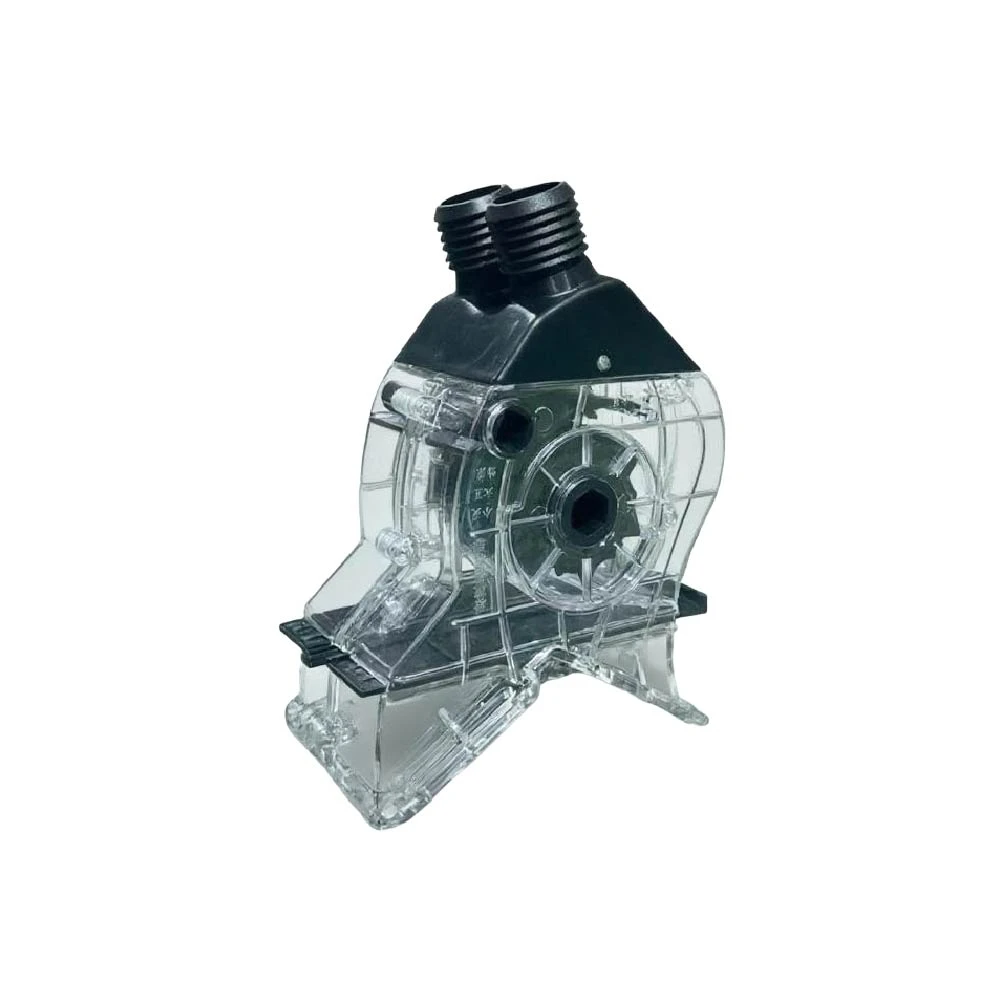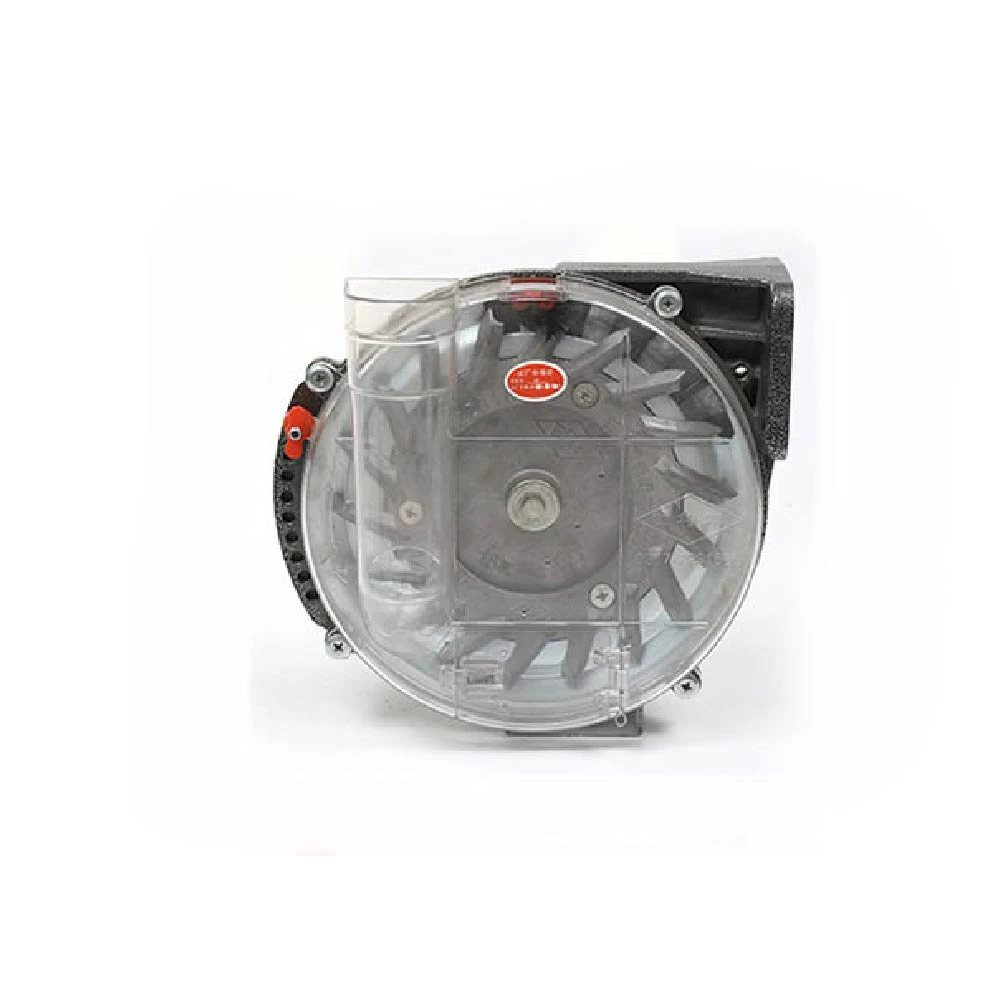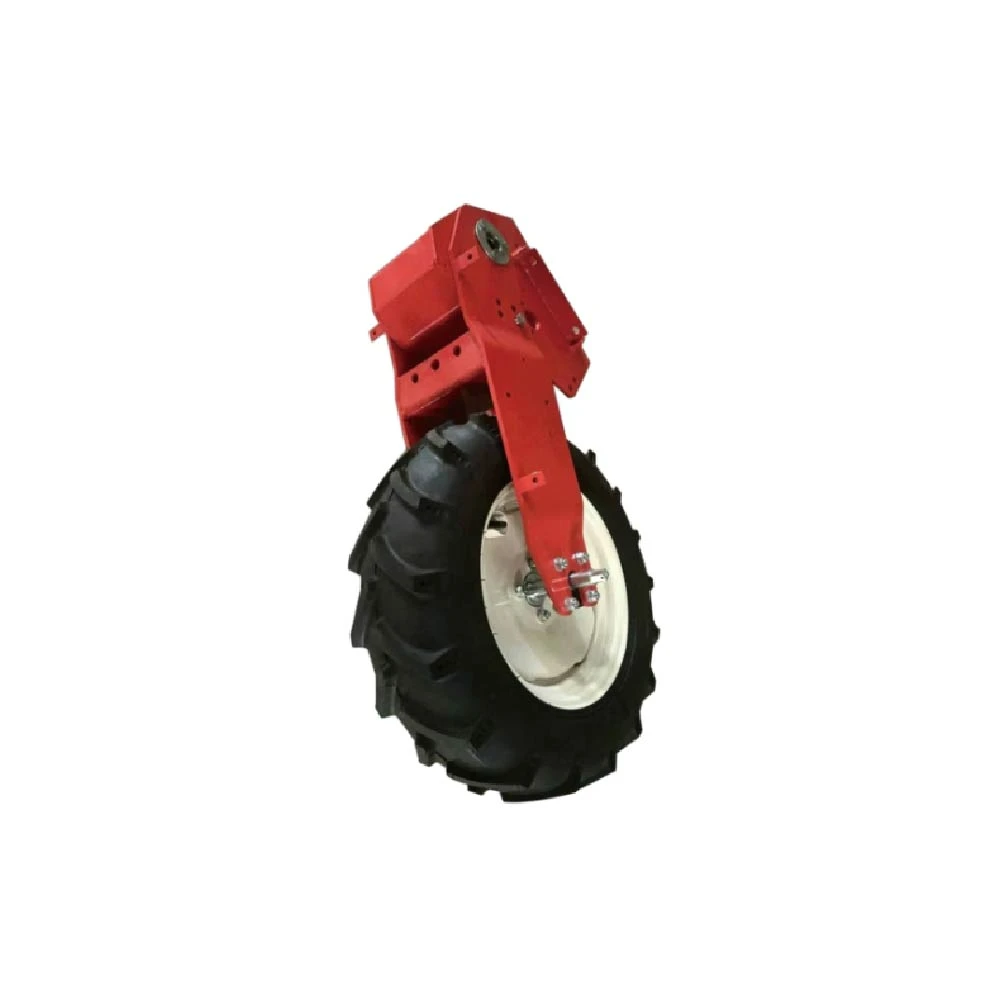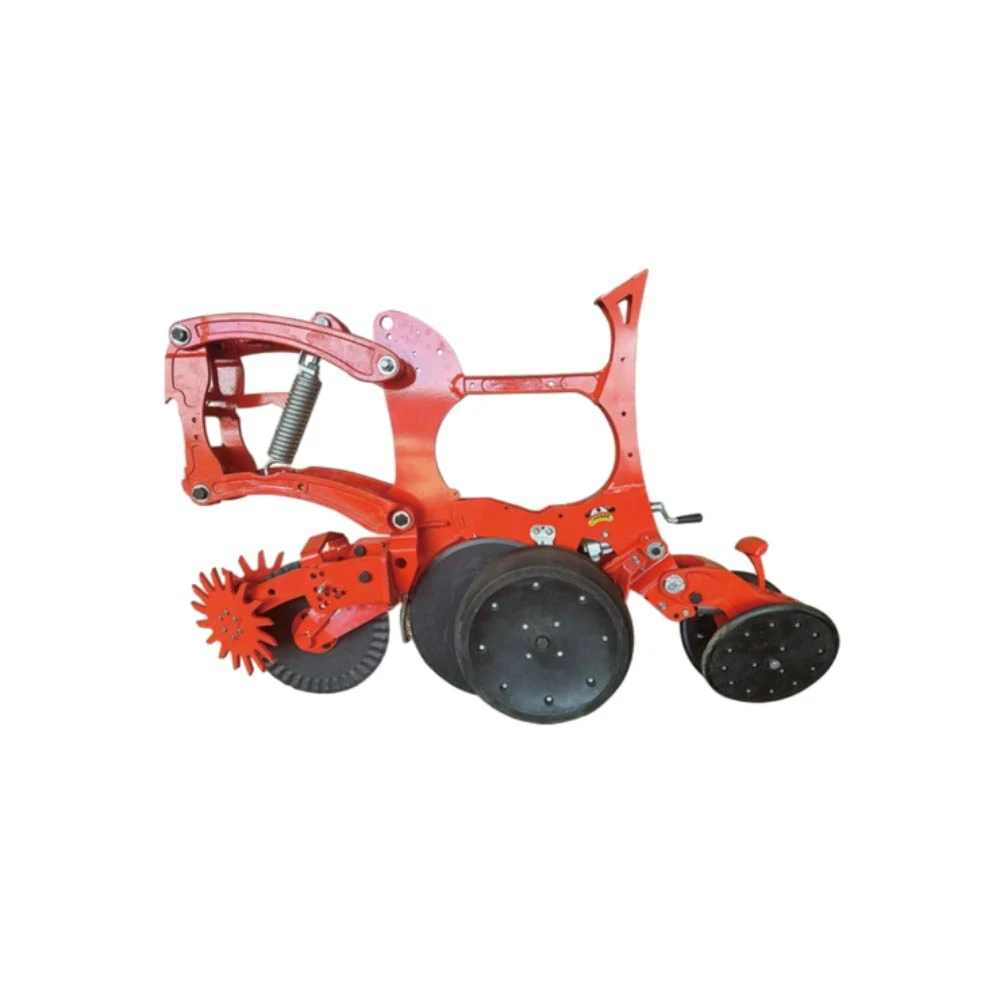
At first glance, a vegetable seeder for sale might just seem like another piece of farm equipment. Yet, it embodies a quiet revolution in how crops are sown, efficiency is boosted, and poverty reduced on a global scale. Food security remains a pressing issue worldwide — according to the UN’s Food and Agriculture Organization, roughly 690 million people were undernourished in 2022. Efficient seeding technology plays a pivotal role in addressing this challenge.
Understanding vegetable seeders and their availability for purchase illuminates a path toward increased yields, sustainability, and effective use of labor—a boon not just for farmers but for economies and societies at large.
Worldwide, the agricultural industry faces increasing pressure to produce more food on less land with fewer resources. The World Bank highlights that smallholder farmers constitute 75% of the world's food producers, but many lack access to modern machinery that could ease their workloads and increase output. That’s where the vegetable seeder for sale becomes relevant. These tools mechanize the otherwise tedious task of planting seeds uniformly and at optimum depths, which is crucial for healthy crop development.
In regions grappling with labor shortages, climate unpredictability, or economic constraints, affordable and effective seeding machines can make a real difference. The market for vegetable seeders continues expanding, powered by innovations that reduce costs and improve usability.
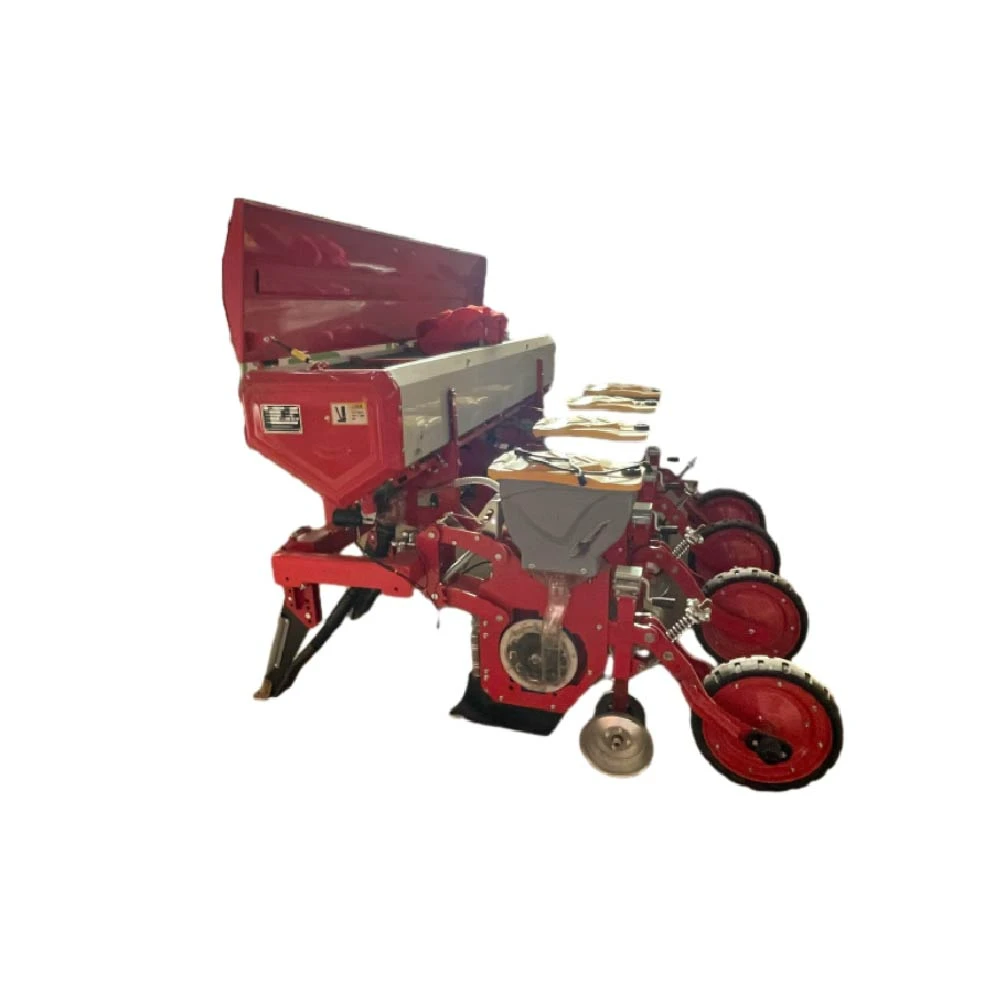
Put simply, a vegetable seeder is a device used to plant vegetable seeds into the soil systematically. It ensures seeds are spaced correctly and sown to a consistent depth, significantly improving germination rates and crop uniformity. These range from handheld models used in backyard gardens to tractor-mounted or walk-behind types employed by small to medium farms.
From an industrial and humanitarian viewpoint, vegetable seeders contribute to food production efficiency and stability. They help communities recover from crop failures and famine, playing a role in nutrition programs and sustainable development goals.
Simply put, these machines need to withstand rough fields and the elements. Many seeders use high-grade steel and corrosion-resistant coatings to last season after season.
Some models accommodate a few rows at a time, perfect for small plots. Others can handle up to six rows or more — ideal for medium farms aiming for higher yields.
The best seeders can adjust for different seed sizes, from tiny carrot seeds to larger corn kernels, meaning versatility across vegetable types.
Price obviously matters, especially for small landholders. Seeders that combine affordability with long service life create substantial value.
Simple controls and easy assembly encourage wider adoption, especially in developing regions where technical support might be limited.
Advanced models feature mechanisms to ensure precise seed spacing which improves overall crop uniformity and quality.
Mini takeaway: When choosing a vegetable seeder for sale, consider how durability, scale, cost, and ease factor into your specific agricultural needs.
| Feature | Specification |
|---|---|
| Model | VS-2024 |
| Row Capacity | 4 Rows |
| Seed Diameter Range | 1mm to 10mm |
| Material | Galvanized steel with ABS components |
| Weight | 25 kg |
| Price Range (USD) | $350 - $500 |
Seeders have found homes in a variety of settings across continents:
Overall, the adaptability of these machines lends itself to varied contexts — from temperate zones to tropical climates.
Mini takeaway: Vegetable seeders are not just machines; they’re lifelines for food security in diverse environments.
From a practical perspective, these machines reduce the time and labor costs of planting, freeing farmers to focus on other tasks. They also help conserve seeds by minimizing waste and ensuring optimal spacing — essential for farmers whose margins are tight.
There’s a social dimension too: mechanized planting can empower women and youth by removing physical burdens, enhancing dignity and participation in agriculture. Plus, reliable seeding promotes consistent crop growth, which can translate into improved market access and economic stability.
The agricultural technology sector is buzzing with innovation. We’re seeing the integration of:
These innovations promise to make vegetable seeders more accessible and efficient globally.
Oddly enough, despite the obvious benefits, some farmers hesitate to adopt seeders due to upfront costs or a lack of technical know-how. Others struggle with maintenance or spare parts availability, especially in remote areas.
Solutions include:
Partnering with trusted suppliers who offer after-sales support is often key to long-term satisfaction.
| Brand | Price Range (USD) | Row Capacity | Warranty | Support |
|---|---|---|---|---|
| AgroSeed | $300 - $450 | 3-4 Rows | 1 Year | Online & Phone |
| FarmPro | $400 - $600 | 4-6 Rows | 2 Years | On-site Available |
| GreenGrow | $350 - $500 | 2-4 Rows | 1 Year | Email Support Only |
Ultimately, purchasing a vegetable seeder is more than acquiring a tool — it’s investing in sustainable farming, bolstering food security, and empowering farmers worldwide. Whether you’re a smallholder in rural Africa or a commercial grower in South America, securing one of these machines means better yields, convenience, and lasting social impact.
If you’re interested, explore our extensive range of vegetable seeder for sale today and join the ranks driving agricultural progress, one seed at a time.
Here’s to smarter planting and a healthier planet.
Quick takeaway: The journey to better harvests starts with the right seeder—invest smartly and watch your fields flourish.