Transporting farm machinery requires careful planning and execution to ensure the safety of both the equipment and the public. Efficient farm machinery transport is crucial for modern agricultural operations, minimizing downtime and maximizing productivity. This article will delve into the key considerations, regulations, and best practices for transporting agricultural machinery, offering insights for farmers and transport professionals alike. Proper transport also preserves the value of your investment, preventing damage during transit.
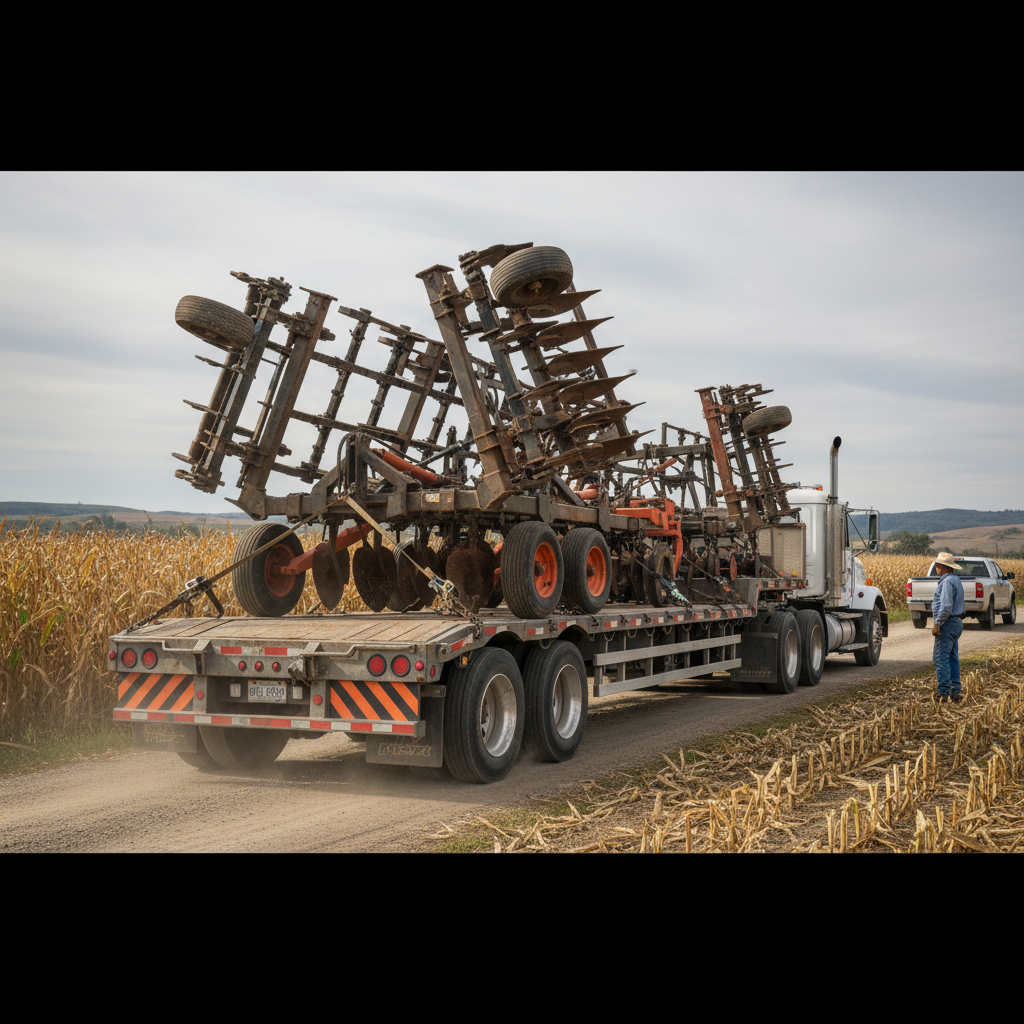
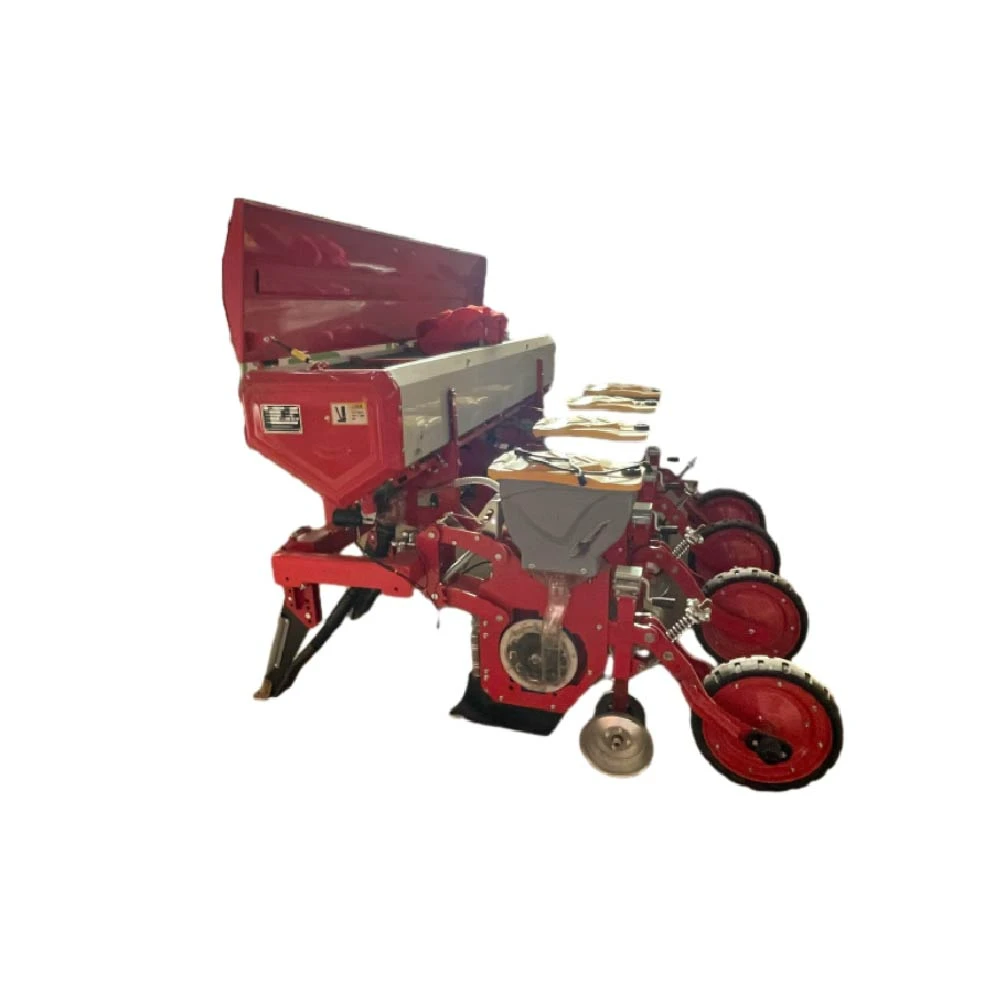
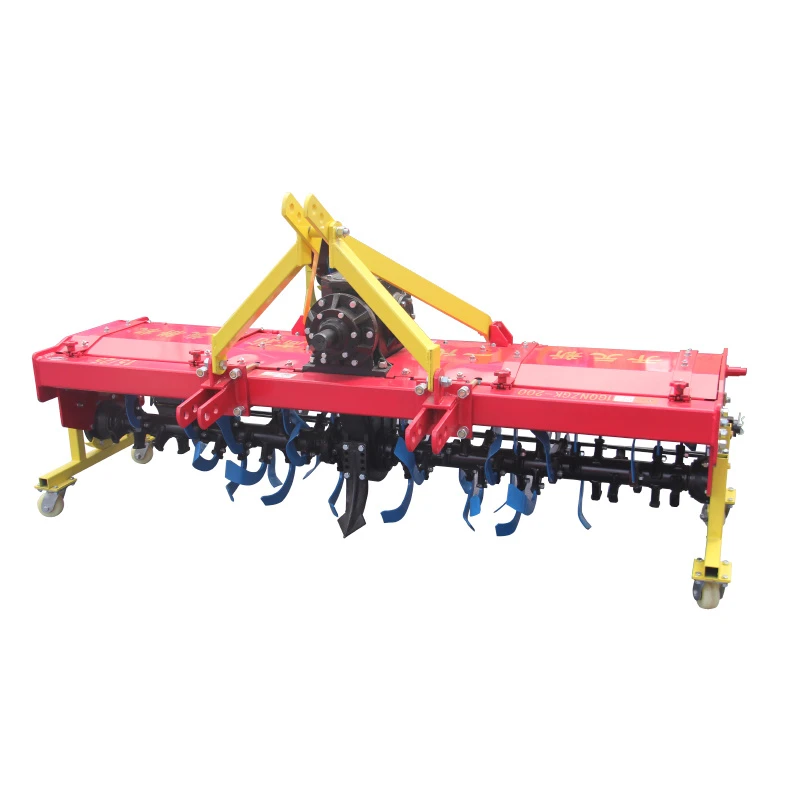
Farm machinery, by its nature, is often large, heavy, and oddly shaped. This presents unique challenges for transportation, including obtaining the necessary permits, securing the load properly, and navigating roads and bridges with weight and height restrictions. The sheer size of equipment like tractors, combines, and planters necessitates specialized trailers and often, pilot car escorts. Furthermore, the seasonal nature of agricultural work often creates time pressures, requiring swift and reliable transport solutions. Ignoring these challenges can lead to costly delays, damage to equipment, or even legal repercussions.
Key Considerations: Understanding size and weight limitations, permit requirements, and proper load securing techniques are essential for successful farm machinery transport.
The transport of farm machinery is subject to a complex web of regulations that vary by state and even by county. These regulations typically cover aspects such as maximum vehicle dimensions, weight limits, lighting requirements, and the need for special permits for oversized loads. Generally, exceeding standard size or weight limits requires obtaining an oversize/overweight permit. It's critical to research the specific regulations of each state through which the machinery will be transported. Ignoring these regulations can result in significant fines and delays. Langningam specializes in navigating these complex regulations.
Permit Considerations:
• Oversize/Overweight permits are often required.
• Pilot car escorts may be necessary for extremely large loads.
• Route surveys are crucial to identify potential obstacles.
• State-specific regulations must be adhered to.
Proper load securing is paramount to prevent shifting or damage during transit. This involves utilizing appropriate tie-down straps, chains, and blocking materials. The number and strength of tie-downs required depend on the weight and dimensions of the machinery. It's essential to distribute the load evenly across the trailer and to inspect the tie-downs regularly throughout the journey. Furthermore, consider using wheel chocks to prevent rolling. A well-secured load ensures the safety of everyone on the road and protects your valuable investment.
Selecting the appropriate transport equipment is crucial for safe and efficient farm machinery transport. This includes choosing the right trailer – flatbed, lowboy, or step-deck – based on the size and weight of the machinery. Consider the trailer's load capacity, axle configuration, and braking system. For very heavy or oversized loads, a lowboy trailer is often the best choice. Regular maintenance of the transport equipment is also essential, ensuring that all components are in good working order. Langningam offers a variety of transportation solutions tailored to agricultural needs.
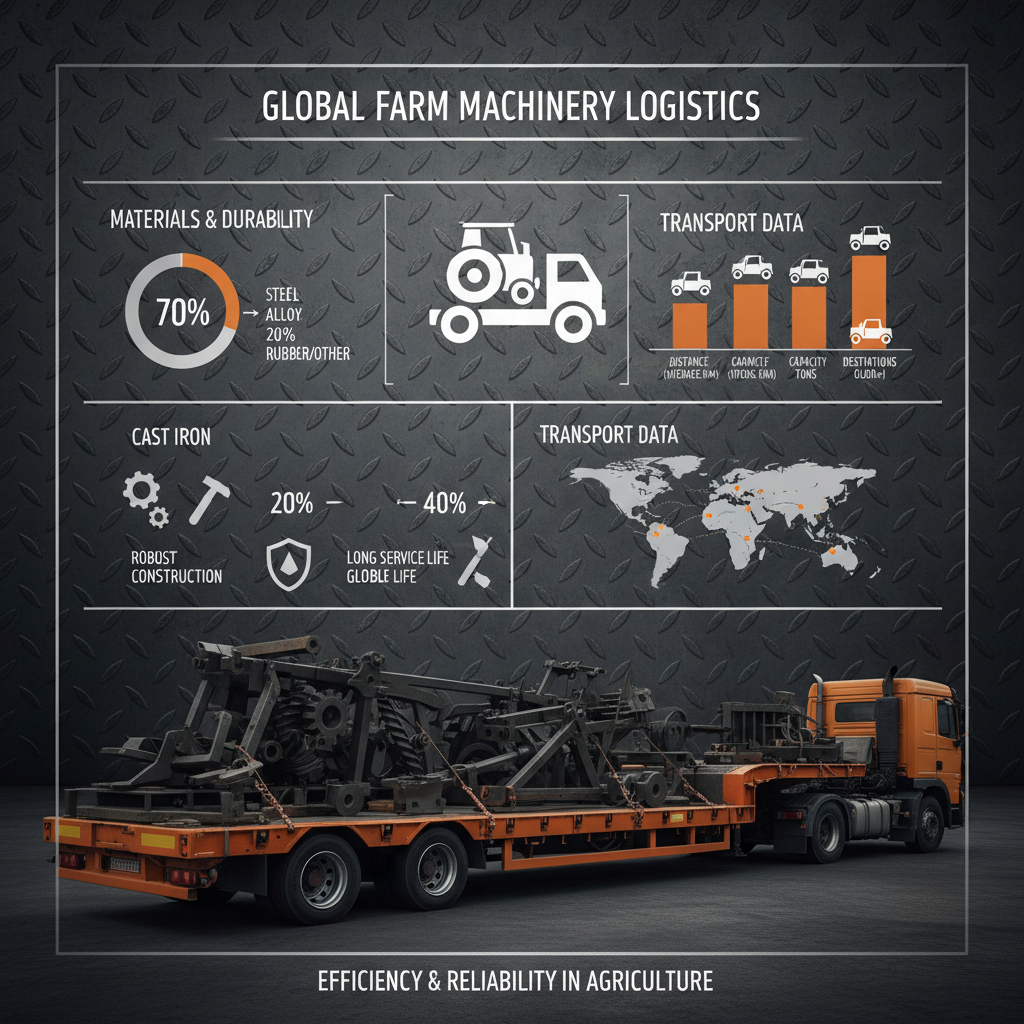
Careful route planning is key to minimizing delays and ensuring a smooth transport process. This involves considering road conditions, bridge heights and weight limits, and potential traffic congestion. Utilizing GPS navigation systems and online mapping tools can help identify the most efficient route. It's also important to communicate with local authorities to be aware of any road closures or construction projects. Proactive planning and communication can significantly reduce the risk of unexpected delays.
Successful farm machinery transport requires a thorough understanding of regulations, meticulous planning, and a commitment to safety. By adhering to best practices for load securing, equipment selection, and route optimization, you can ensure that your valuable machinery arrives at its destination safely and on time. Partnering with an experienced transport provider like Langningam can further streamline the process and provide peace of mind.
The cost of transporting farm machinery varies significantly based on several factors, including the distance, weight, dimensions, and the need for permits and escorts. Generally, rates are calculated per mile, with additional charges for oversized loads and specialized services. Obtaining quotes from multiple transport providers is recommended to compare pricing. Expect to pay more for urgent deliveries or difficult-to-access locations. A typical transport can range from $5 to $20 per mile, but complex moves can be considerably higher.
The time it takes to obtain a transport permit varies depending on the state and the complexity of the load. Routine permits can sometimes be obtained within a few hours, while oversized or overweight permits may require several days or even weeks. It’s best to apply for permits well in advance of the planned transport date to avoid delays. Experienced transport companies can often expedite the permit process.
Transport companies are legally required to carry liability insurance to cover potential damages to the machinery or other property during transit. It's also advisable to verify that the transport company has adequate cargo insurance to cover the full value of the equipment. Farmers should also review their own insurance policies to ensure they are adequately protected during transport.