
Having worked in the industrial equipment sector for over a decade, I can tell you, talking about agriculture machine price isn’t just about slapping a tag on a piece of metal and calling it a day. It’s a whole world of design, testing, materials, and supplier choices that all funnel down to what farmers eventually pay. Frankly, I’ve seen firsthand how nuanced and dynamic these prices can be—shaped not only by raw costs, but also innovations, market fluctuations, and even seasonal demand.
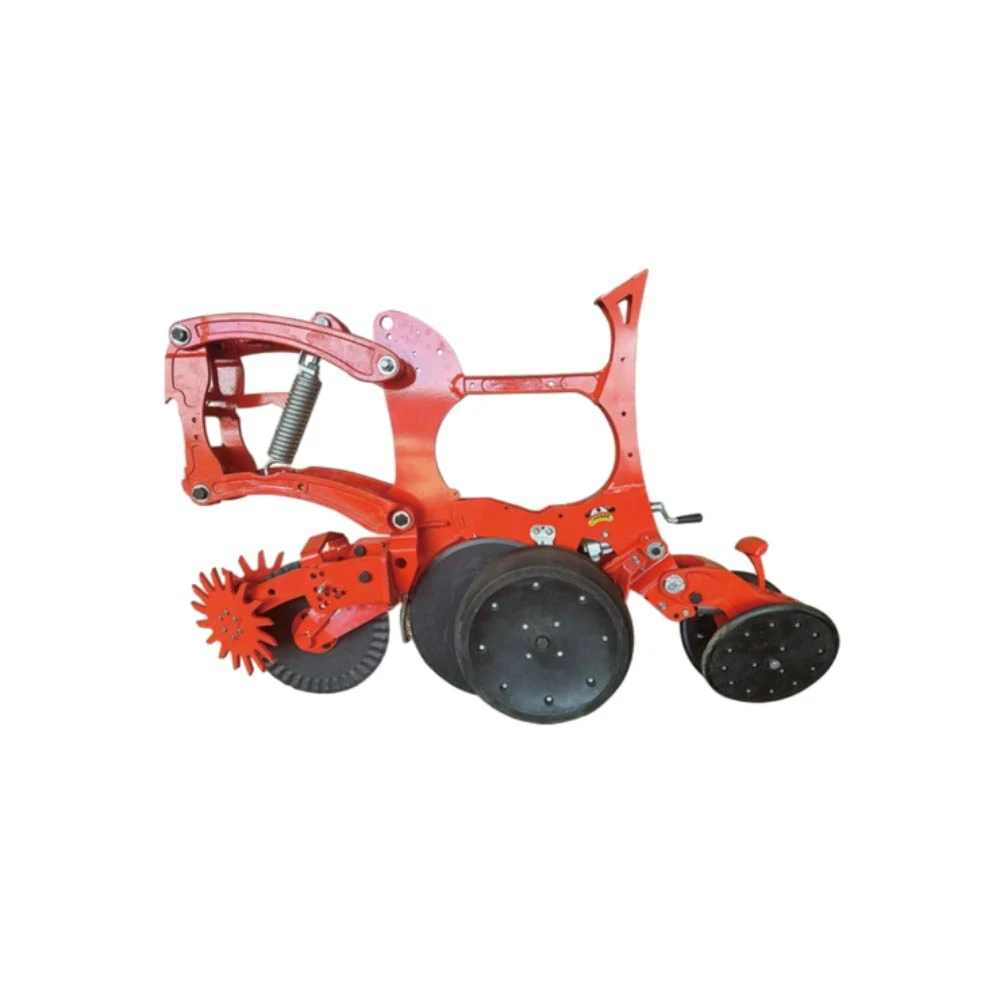
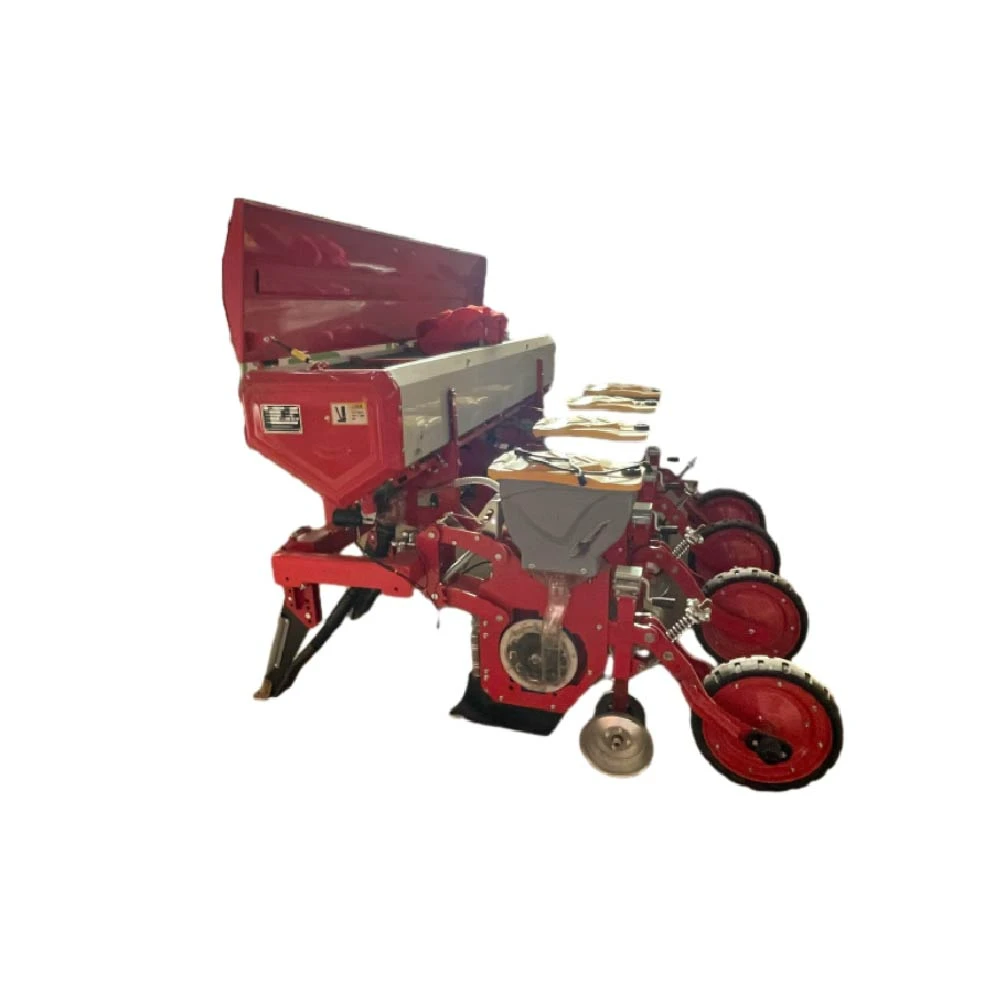
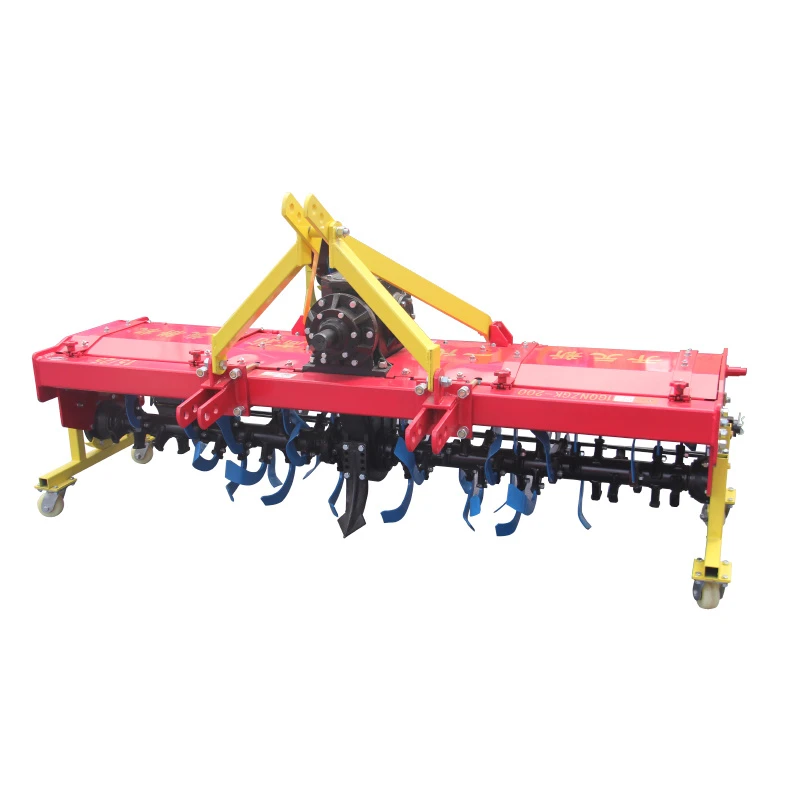
Let’s unpack this a bit. When we say “agriculture machines,” we usually mean stuff like tractors, combine harvesters, plows, seeders, and sprayers. Their complexity ranges wildly—from simple mechanical contraptions to fully integrated, GPS-enabled giant beasts of engineering. And that complexity drives price.
One thing I often notice is how the choice of materials can jolt a machine's price up or down. Stainless steel components or advanced polymers (good for corrosion resistance) can cost more but last longer. In some test sessions I attended, we’d watch machines endure harsh dust and moisture simulations to ensure durability—testing wasn’t just a checkbox, but critical for guaranteeing the product’s value for money. You get what you invest here.
| Feature | Description | Typical Range |
|---|---|---|
| Engine Power | Measured in horsepower (HP), drives machine efficiency | 50 - 400 HP |
| Material Quality | Steel grades, corrosion resistant alloys, composite parts | Standard to premium |
| Technology Integration | GPS, auto-steering, data collection | Basic to advanced |
| Capacity | Load or coverage area per hour | Low to high volume |
| Customization Options | Add-ons, specific farming needs, climate resilience | Minimal to extensive |
Determining the right balance between specs and price often feels like a puzzle. After all, not every farmer needs a high-horsepower tractor or GPS tech if they're running small plots or less tech-savvy operations. I remember a client once who preferred a simpler, rugged machine with easy maintenance over a flashy one with lots of digital bells and whistles.
| Vendor | Starting Price (USD) | Customization | Tech Features | Service Network |
|---|---|---|---|---|
| John Deere | $25,000 | High | GPS, Auto-Steer | Global |
| Kubota | $20,000 | Moderate | Basic GPS | Regional |
| Mahindra | $18,000 | Basic | Limited | Growing |
| Langningam | $22,000 | Customizable | GPS & IoT Ready | Expanding |
Of course, prices and features aren't everything; the after-sales service and local support really matter. It’s these ins and outs that I’ve noticed make a machine’s true value. You can buy a cheaper tractor, but if parts take weeks to arrive and engineers aren’t nearby, productivity can take a hit.
Oddly enough, the agriculture machine market keeps evolving but also respecting tradition. Many engineers I know swear by steel’s toughness but marvel at new composites' lightness. It’s a balance, and sometimes that’s reflected most clearly in price.
To wrap this up, whether you’re a farmer or procurement professional, understanding what shapes agriculture machine price will help you make a smarter investment. Look beyond just sticker tags—consider specs, customizations, vendor reliability, and local support.
In real terms, it’s about finding the machine that suits your land, your work style, and your budget—because frankly, that’s what keeps the wheels turning on any farm.
Thanks for reading—hope these insights help next time you’re sizing up agricultural machinery.
References: