Understanding the Rise of the Big Seeder in Modern Agriculture
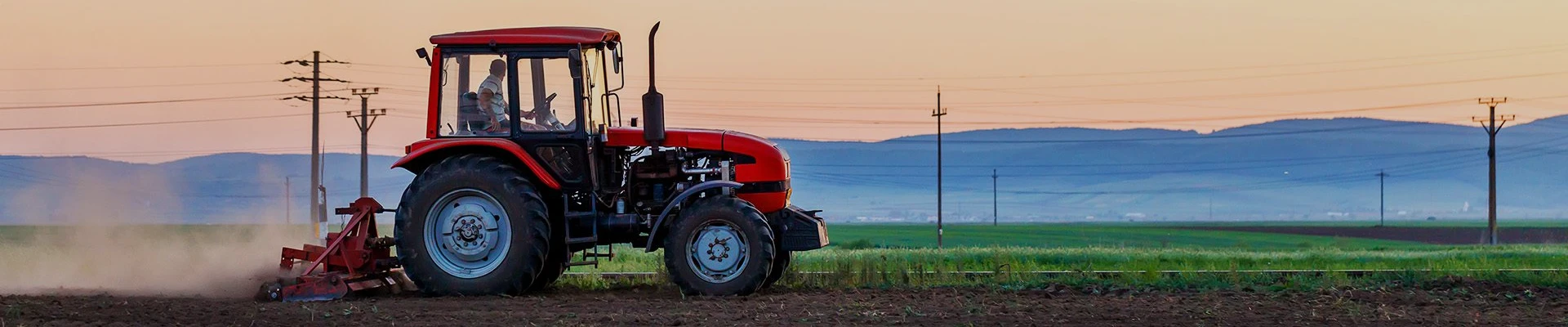
Look, I’ve been working around industrial equipment for… well, let’s just say a while. And there’s been a quiet revolution happening in the last few years, driven largely by the need for precision and efficiency in large-scale agriculture. That revolution, frankly, centers around equipment like the Big Seeder. It's not sexy, you know, it’s not a drone or a robot, but it’s fundamentally changing how things get planted. We're talking about yield optimization, reduced seed waste, and ultimately, feeding a growing world. It used to be all about brute force – getting seeds in the ground, any way possible. Now? It’s a science. A surprisingly complex one, at that. I remember early pneumatic seeders… they were clunky, inconsistent. These are a different beast altogether.
Precision Planting: What Makes a Big Seeder Tick?
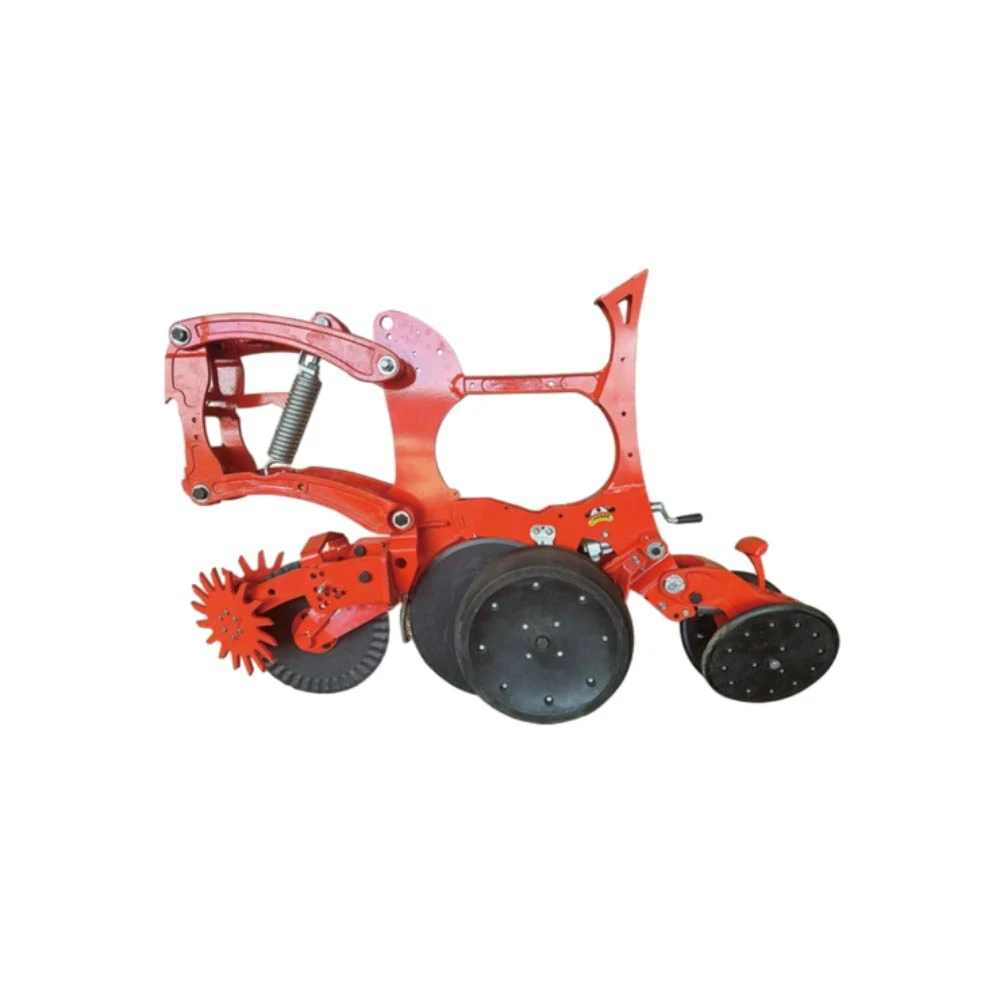
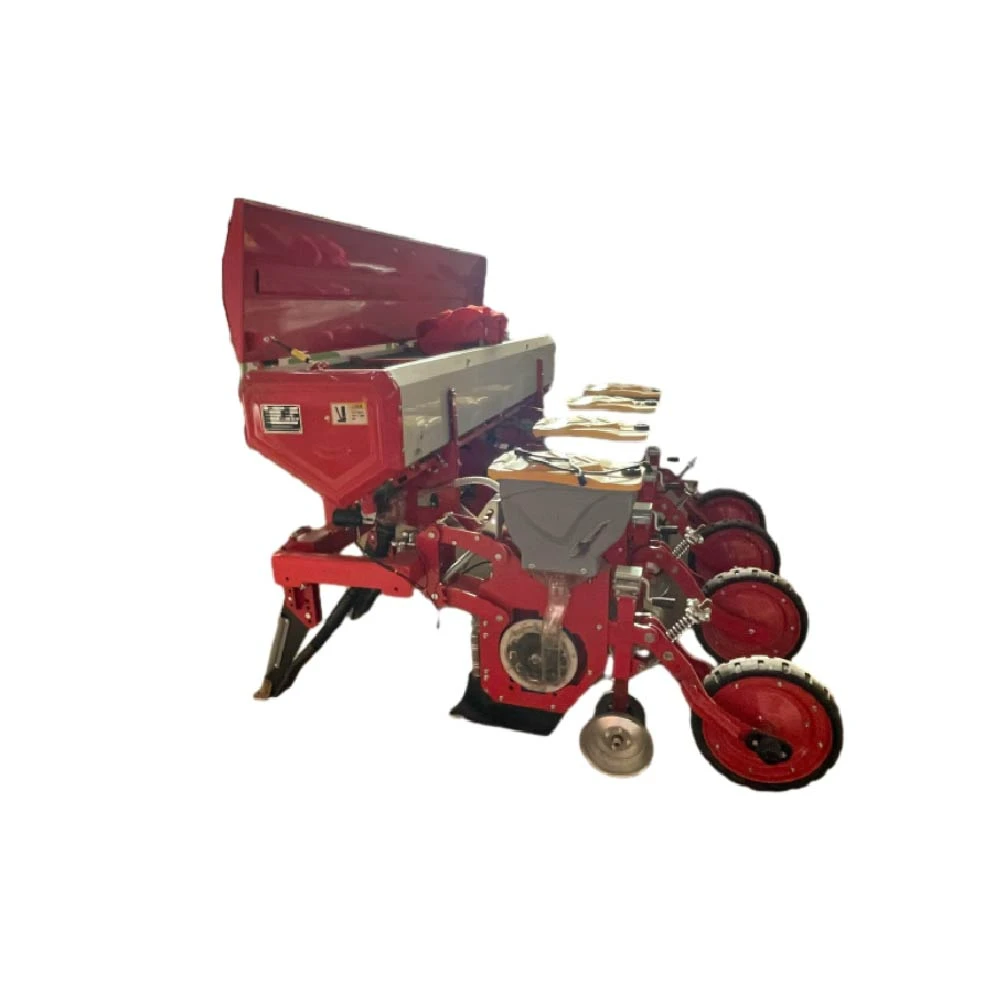
The core idea is simple enough: deliver seeds accurately and consistently at the optimal depth and spacing. But how they do it is where things get interesting. Modern big seeders utilize a combination of pneumatic, mechanical, and increasingly, digital technologies. Precision metering systems, GPS guidance, and variable rate application are all key. You see, the soil isn't uniform – it varies in moisture, nutrient levels, and compaction. A good seeder adapts to these conditions, ensuring each seed has the best possible start. I suppose the challenge is in making all those systems work together reliably, season after season. Here's a quick look at the specs for a typical high-end model:
| Parameter |
Specification |
Notes |
| Row Unit Width |
7.5 - 12 inches |
Adjustable for different crops |
| Hopper Capacity |
50-80 bushels |
Dependent on seed type |
| Precision Metering Accuracy |
+/- 2% |
Tested under ideal conditions |
| GPS Guidance |
RTK Compatible |
Sub-inch accuracy |
The Competitive Landscape: Who’s Building the Best Big Seeders?
There are a few key players dominating the market. John Deere and Case IH are the big names, naturally, but there's also growing competition from companies like AGCO and smaller, specialized manufacturers. Oddly enough, the features are becoming fairly homogenized – it really comes down to build quality, service network, and price. Here’s a quick comparison, though it's tough to generalize; specs change constantly.
| Vendor |
Key Strengths |
Potential Weaknesses |
Price Range (USD) |
| John Deere |
Advanced technology, strong dealer network |
Higher price point, complex systems |
$250,000 - $400,000+ |
| Case IH |
Robust build quality, excellent precision |
Can be less intuitive to operate |
$220,000 - $350,000+ |
| AGCO (Massey Ferguson, Fendt) |
Competitive pricing, innovative features |
Dealer network can vary |
$200,000 - $320,000+ |
Looking Ahead: The Future of Seeding
I spoke with a farmer in Iowa last fall – a pretty forward-thinking guy – and he told me he’d seen a 15% yield increase after switching to a variable rate seeder. That’s a significant number. It’s a testament to the power of data-driven agriculture. And honestly, that’s where this is all heading. More sensors, more AI, more real-time adjustments… it's sort of relentless, isn’t it?
Langningam is doing some interesting work in this space, focusing on integrated sensor solutions for existing seeders. It’s a field to watch.
Ultimately, the Big Seeder isn't just about planting seeds; it's about maximizing potential.
References:
- Precision Agriculture Magazine, "The Evolution of Seeding Technology," 2023
- American Society of Agricultural and Biological Engineers, Annual International Meeting, 2022
- Personal field observations and interviews with farmers, 2018–2023