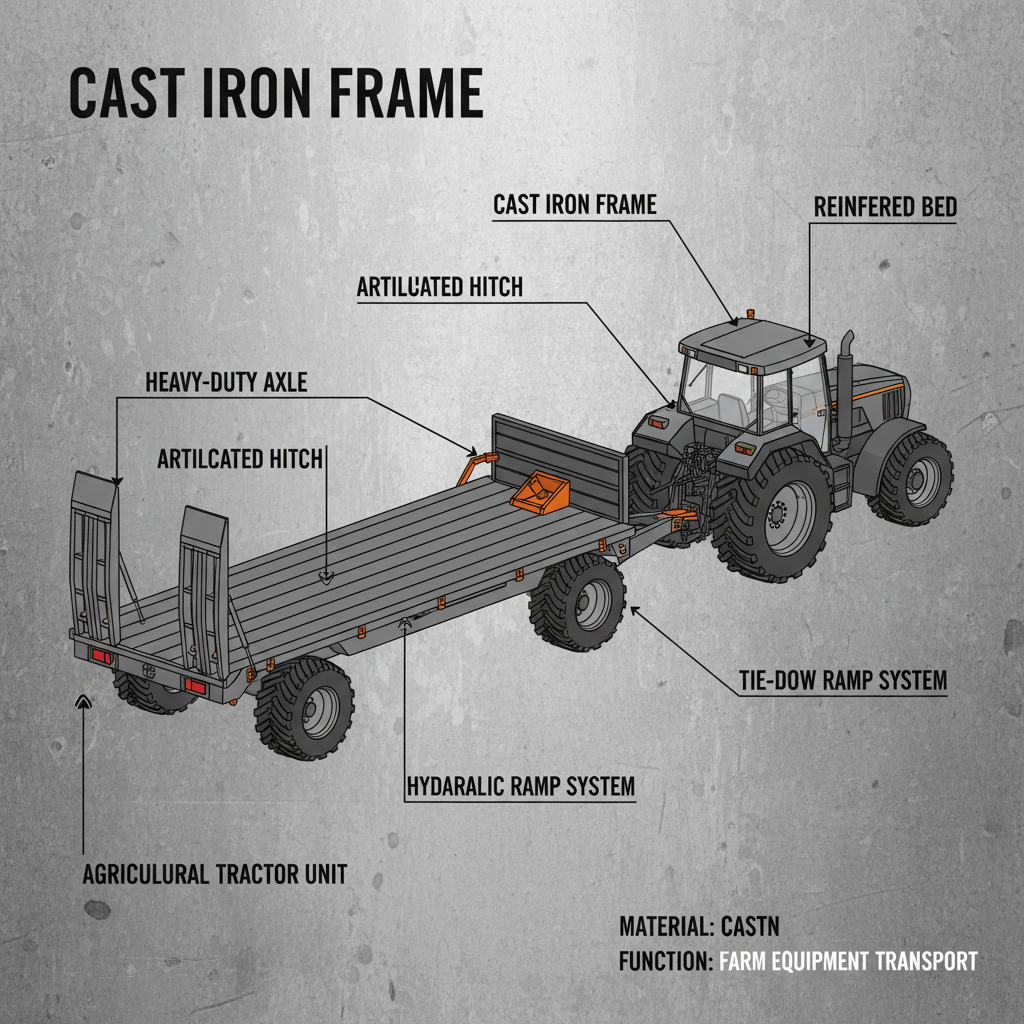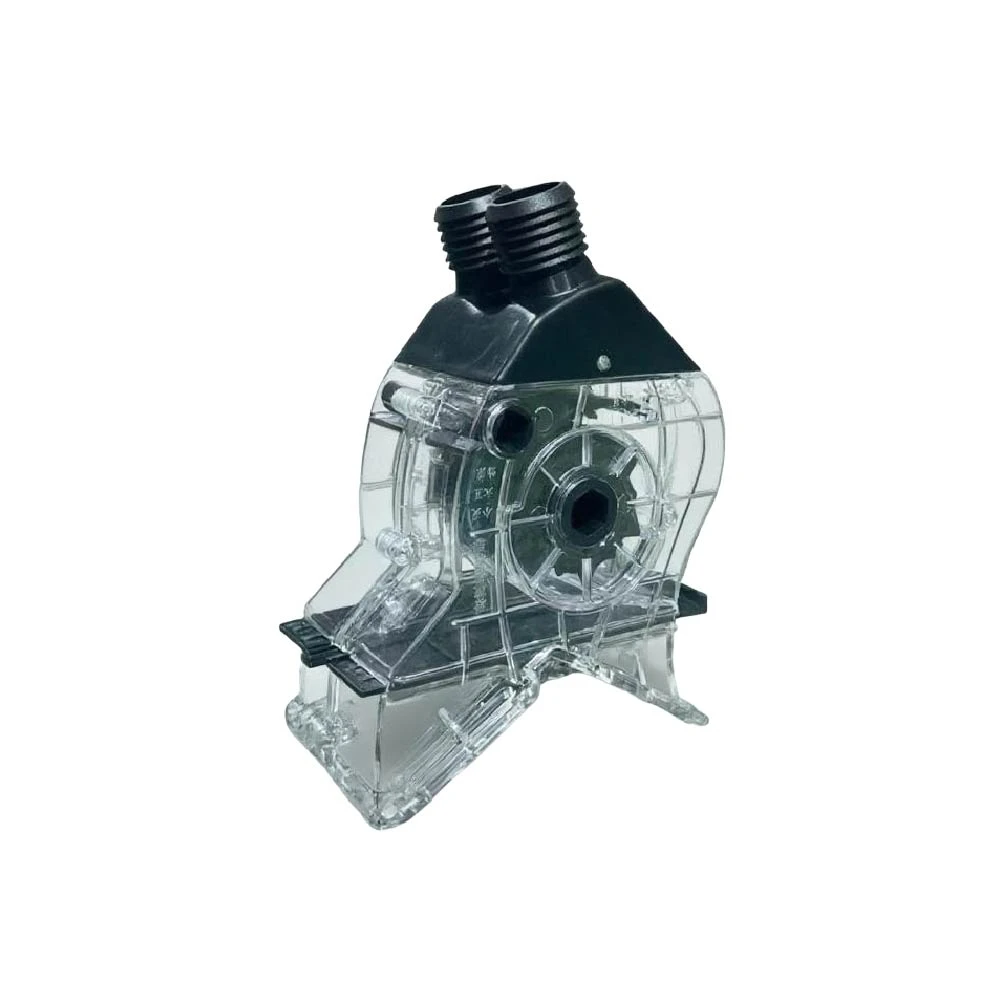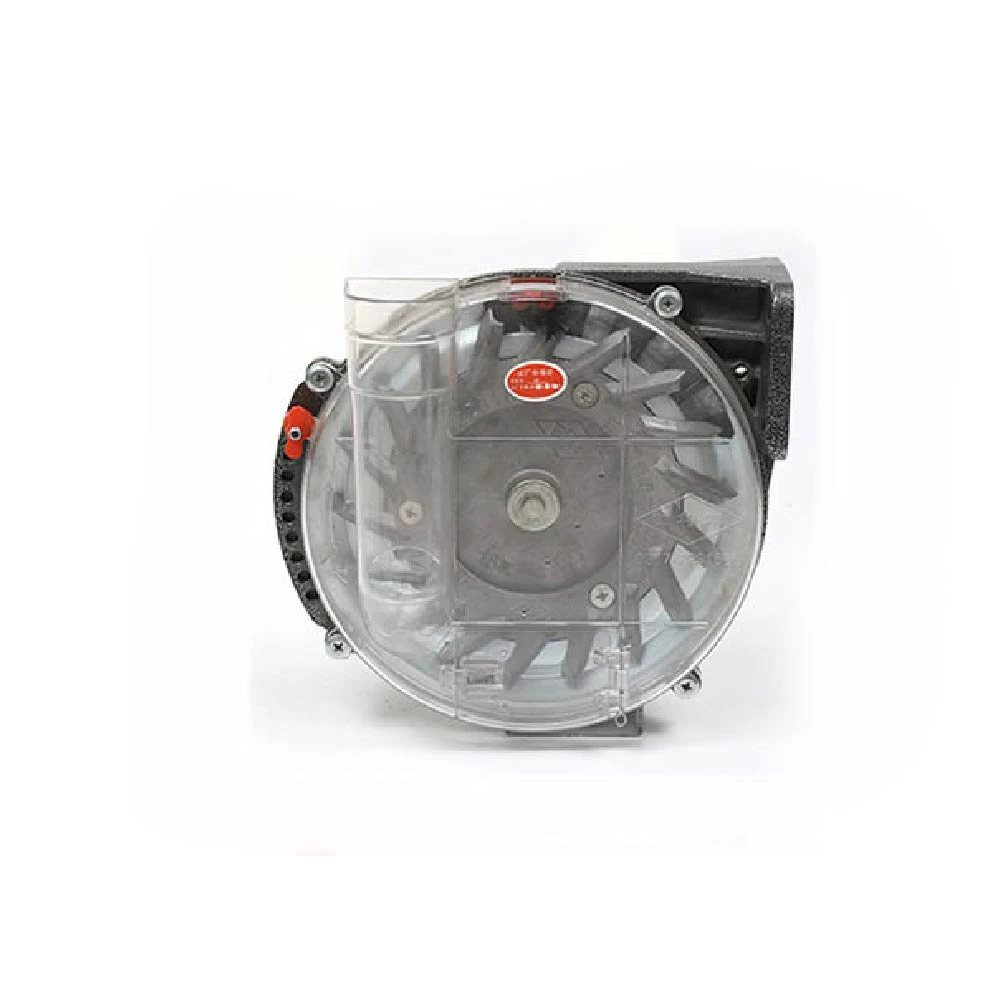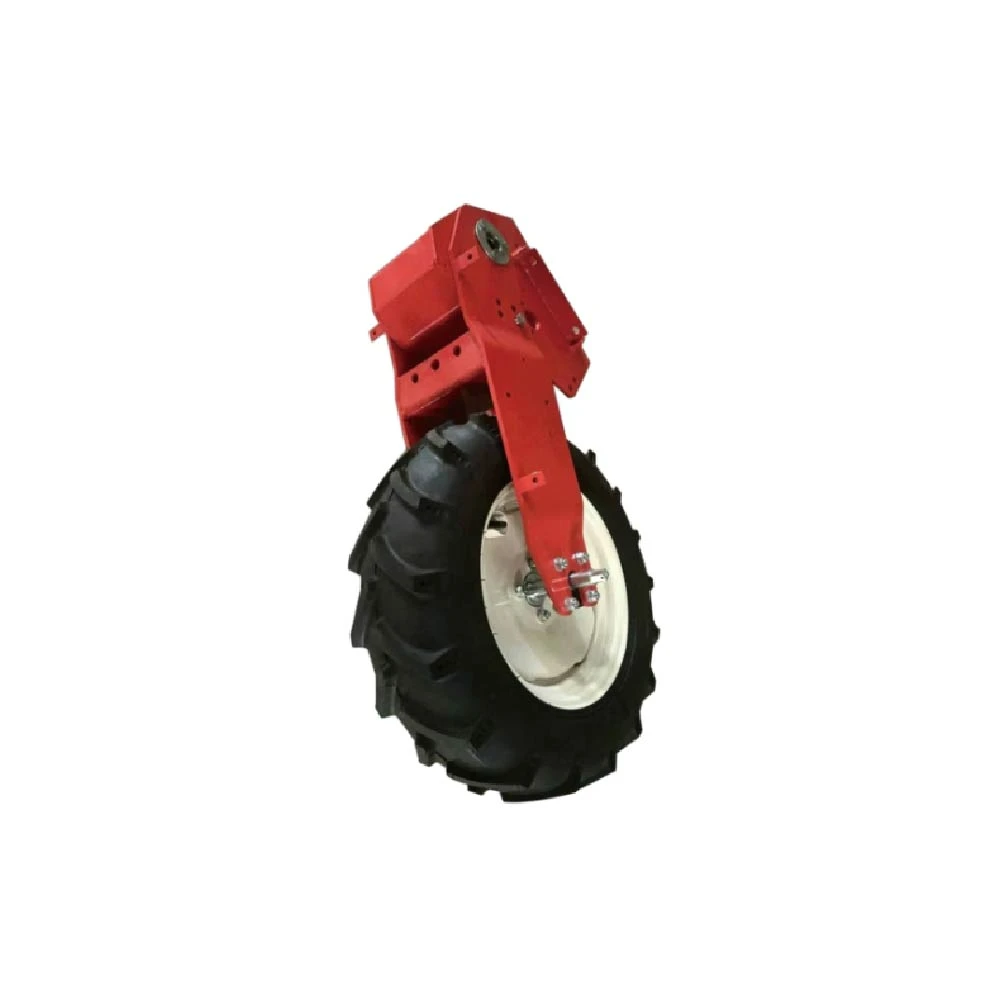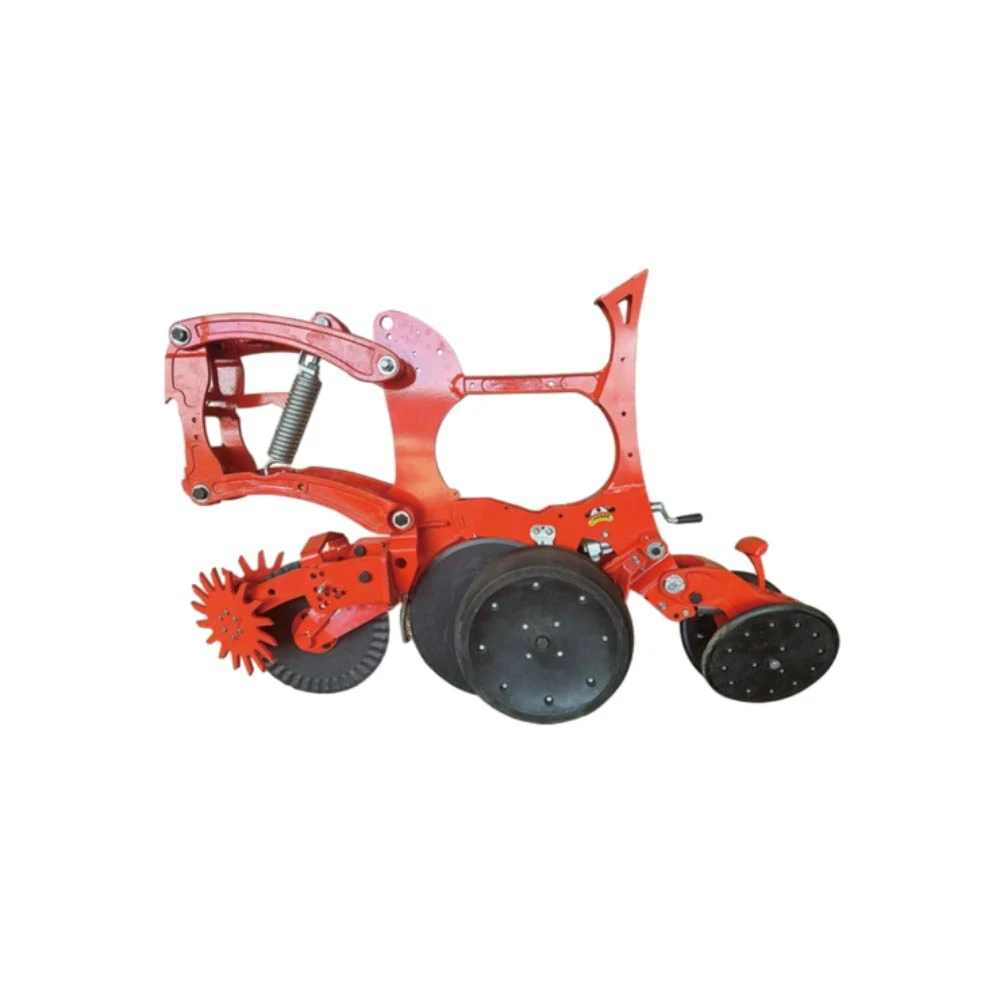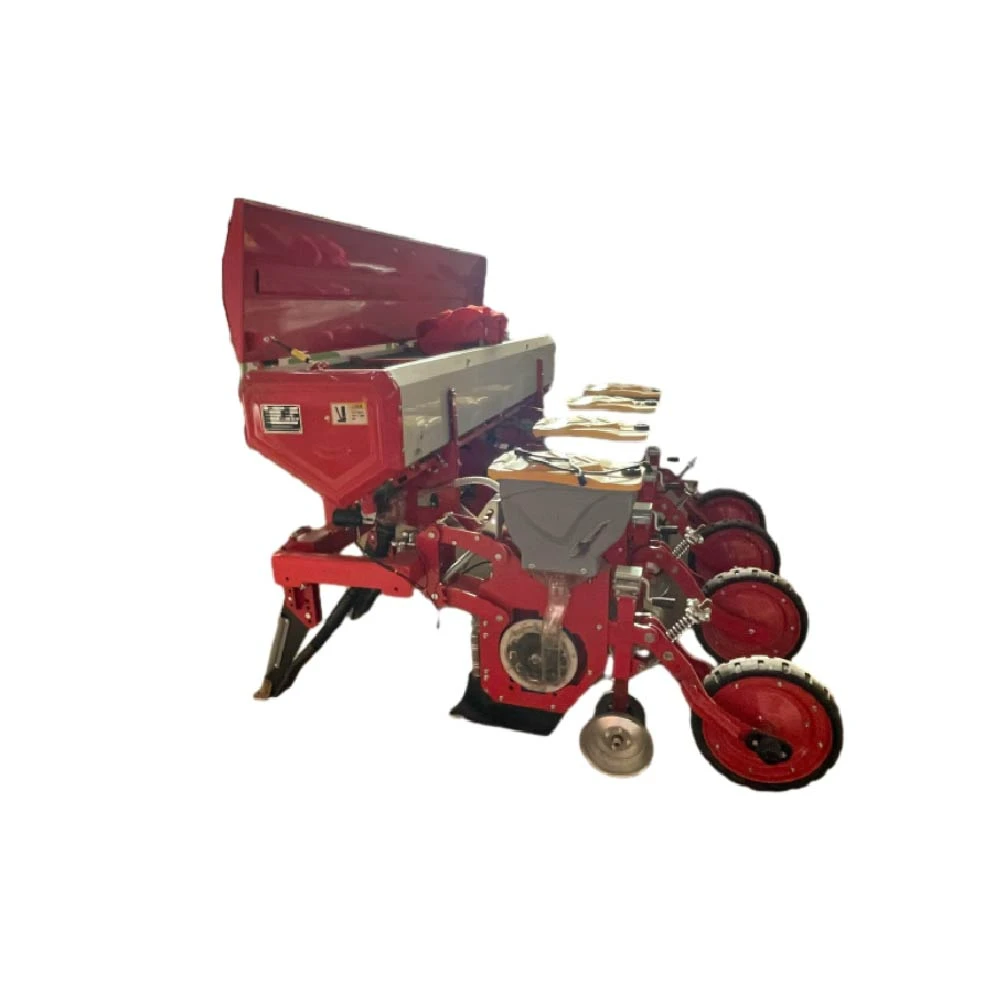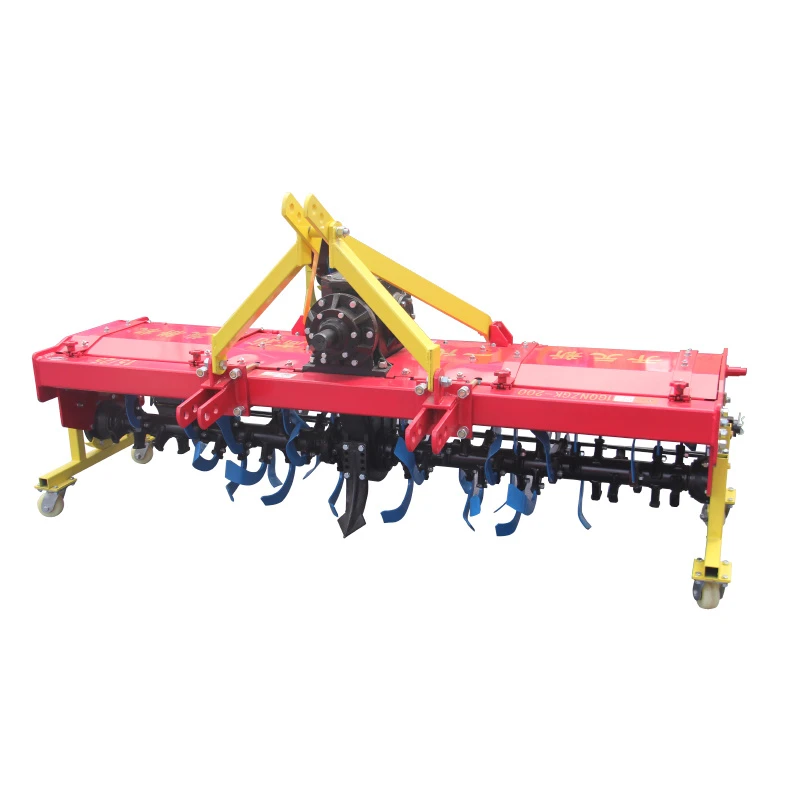
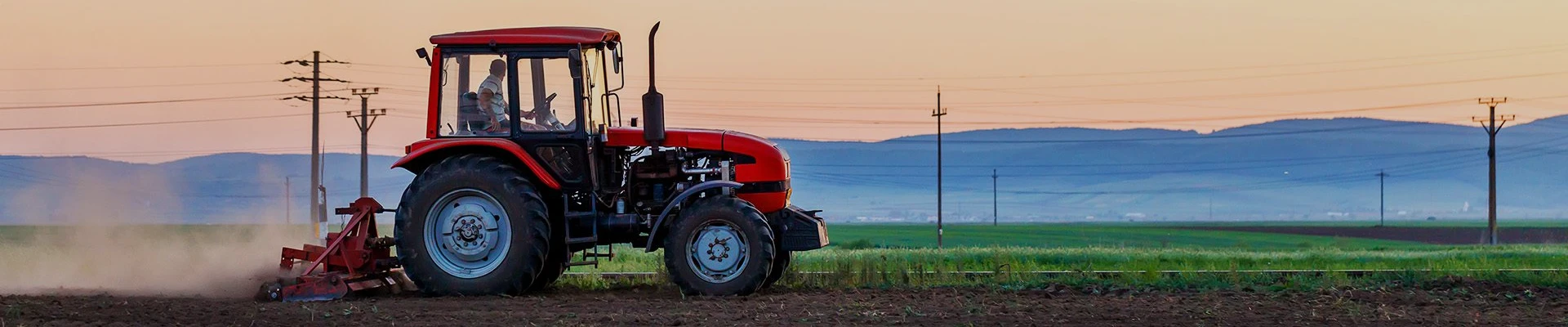
It’s funny, you know, how often people underestimate the sheer scale of modern agriculture. We’re talking about feeding billions, and frankly, that doesn’t happen with hand tools. That's where big farm machinery comes in – it's not just about size, though that’s part of it. It's about efficiency, precision, and increasingly, sustainability. I’ve been spending a lot of time lately with engineers who are pushing the boundaries of what's possible, and it’s impressive. They're constantly looking for ways to do more with less, and the machinery reflects that. It’s a complex ecosystem, and choosing the right equipment is crucial.
When we talk about “big farm machinery,” we’re generally referring to tractors, combines, planters, sprayers – the kind of equipment that handles large-scale cultivation and harvesting. But it's more nuanced than that. There’s a move towards precision agriculture, which means integrating sensors, GPS, and data analytics directly into the machinery. It’s kind of a shift from brute force to intelligent operation. Take the Langningam LX-500 combine, for example. It boasts a 15-meter header width, a 12-ton grain tank, and an automated self-leveling system. The steel used in the chassis is high-tensile, specially treated for corrosion resistance, and the engine is a Tier 4 Final compliant diesel – important for emissions regulations.
| Specification | Value | Details |
|---|---|---|
| Header Width (LX-500 Combine) | 15 meters | Variable speed control |
| Grain Tank Capacity (LX-500 Combine) | 12 tons | Automated unloading |
| Engine (LX-700 Tractor) | 300 HP | Tier 4 Final Compliant |
You see this machinery used across pretty much every major crop – wheat, corn, soybeans, rice… even specialty crops like fruits and vegetables. The advantages are clear: increased efficiency, reduced labor costs, and higher yields. But it's more than just numbers. Precision agriculture, enabled by this machinery, allows farmers to optimize fertilizer use, minimize pesticide application, and conserve water. I spoke with a farmer in Iowa recently who said that implementing a GPS-guided sprayer reduced his chemical costs by 15% and improved his yields by 8%. That’s a significant return on investment. It’s also about timeliness – getting the job done when it needs to be done, not when you can get to it.
| Vendor | Key Features | Price Range (USD) |
|---|---|---|
| Langningam | Precision technology, durable build, Tier 4 Final engines | $150,000 - $500,000+ |
| John Deere | Established brand, wide dealer network, advanced automation | $180,000 - $600,000+ |
| Case IH | Powerful engines, robust construction, innovative harvesting systems | $160,000 - $550,000+ |
Let’s be real, big farm machinery is expensive. But the total cost of ownership is what you need to consider. That includes not just the purchase price, but also maintenance, fuel, repairs, and operator training. Many engineers say that preventative maintenance is key – regular inspections, oil changes, and component replacements can significantly extend the lifespan of the equipment. Durability is also a huge factor. You want a machine that can withstand the rigors of daily use, season after season. It feels like you're looking at a long-term investment, not just a one-time purchase.
The trend towards automation and data-driven agriculture is only going to accelerate. We’re already seeing the development of autonomous tractors and drones for crop monitoring. Sustainability is also a major driver of innovation – reducing emissions, minimizing waste, and optimizing resource utilization. I suppose the biggest challenge will be integrating these technologies seamlessly and making them accessible to farmers of all sizes. Regulations are also evolving, pushing manufacturers toward cleaner, more efficient designs. It's a dynamic landscape, to say the least.
Ultimately, big farm machinery isn’t just about bigger machines – it’s about smarter farming. It's a critical component of feeding a growing world, and the innovations we're seeing now are genuinely exciting. Visit our website: https://www.langningam.com.