Having spent over a decade in the industrial equipment sector, I've seen countless innovations come and go. Oddly enough, some of the most impactful machines on farms aren’t the flashy, big-ticket harvesters, but rather the humble small seed drill machine. It feels like one of those tools that quietly transforms planting with precision and reliability.
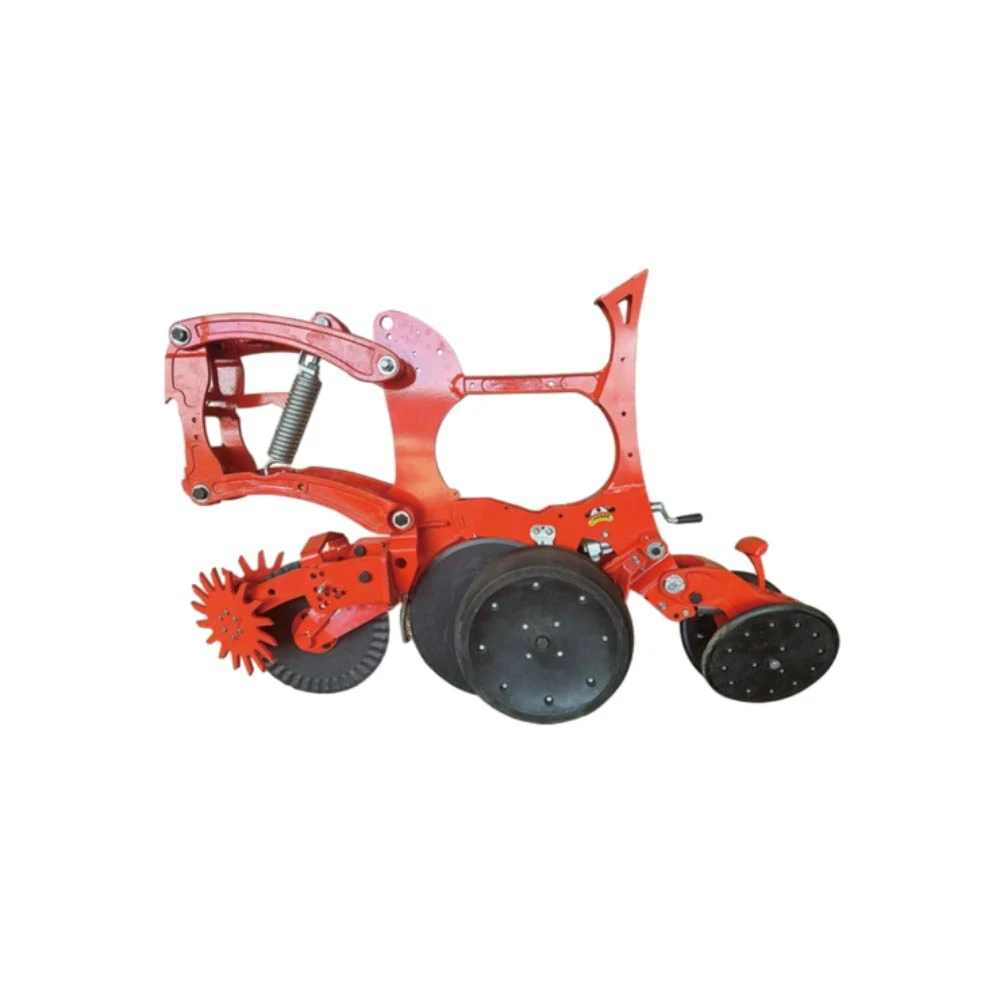
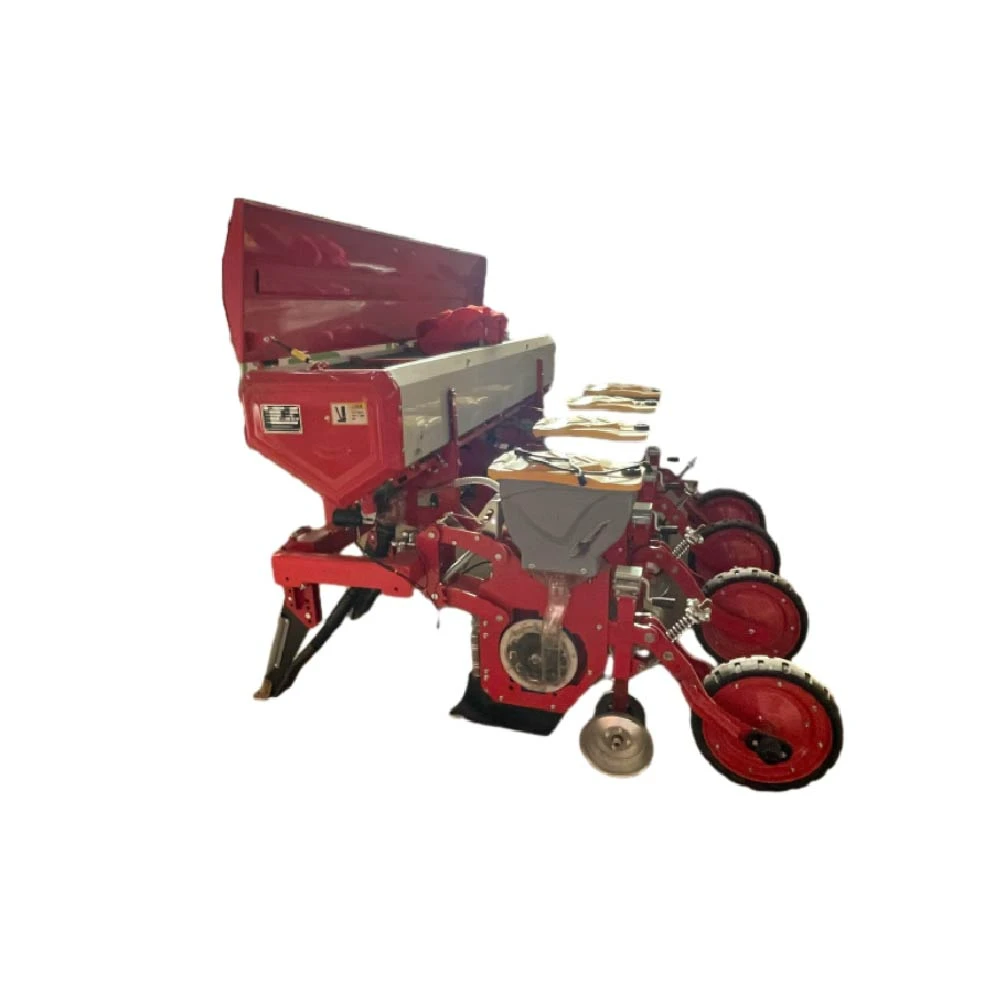
In real terms, small seed drills are designed for efficiency on modest plots or for specialized crops. Their compact structure makes them a favorite among smallholder farmers and experimental plots. Frankly, the beauty lies in simplicity—these machines make sure seeds are placed evenly and at the right depth, avoiding the common pitfalls of manual sowing which leads to patchy yields.
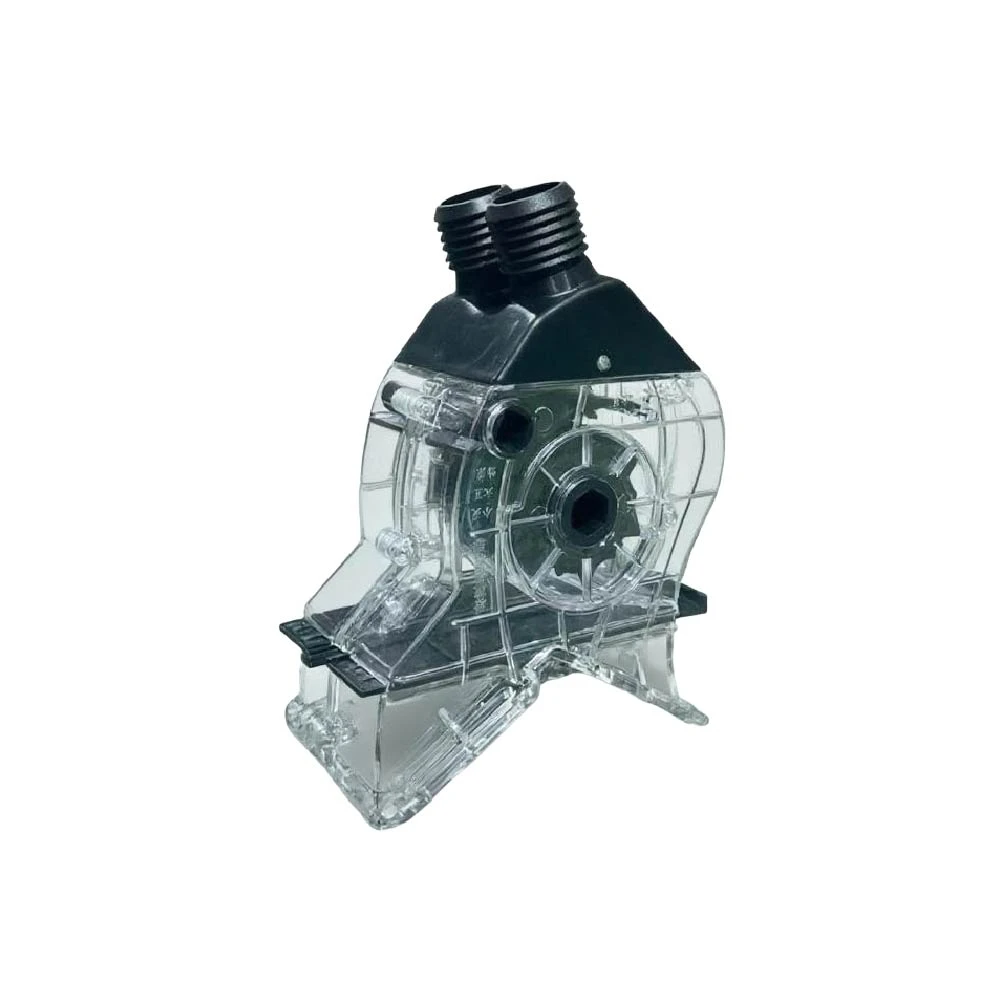
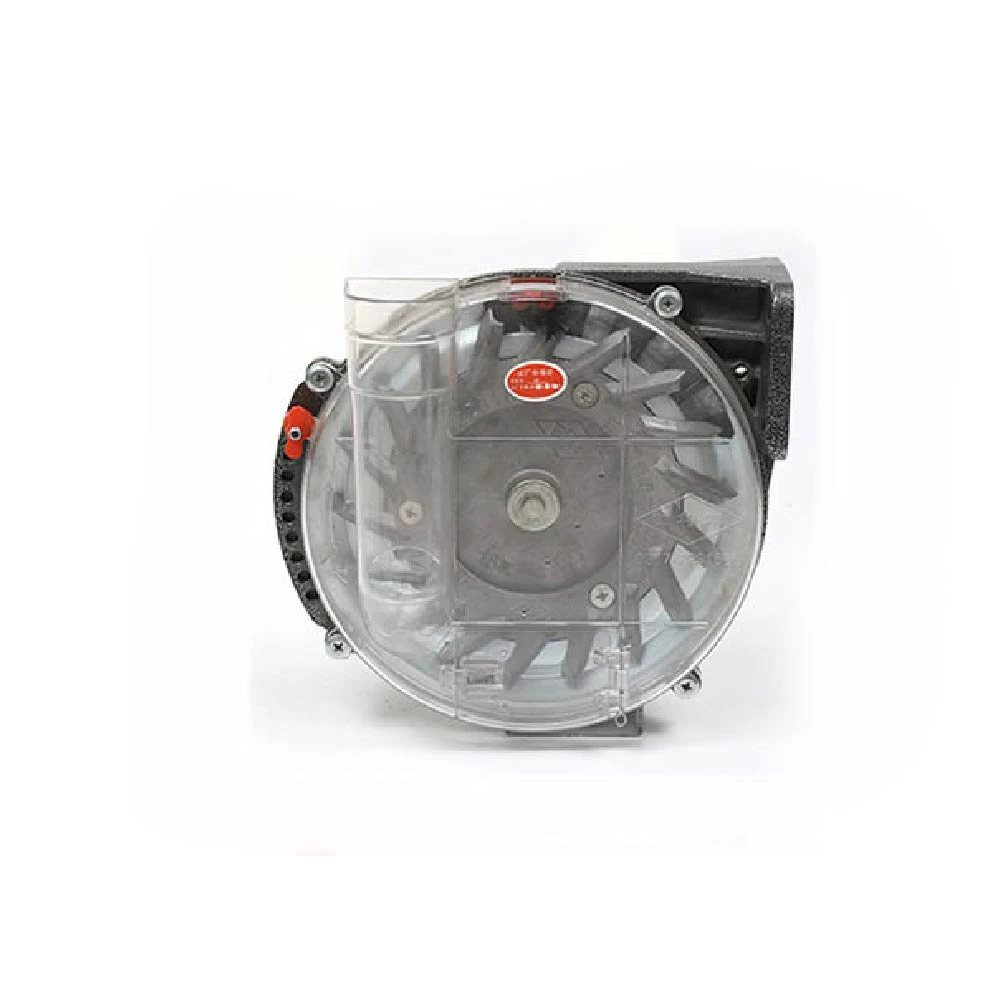
Materials used in modern small seed drills are impressive. Most frames combine high-strength steel with corrosion-resistant coatings, which means they can handle the rough conditions of tilling soil without prematurely wearing out. The seed metering units often come with adjustable mechanisms to customize seed rate and spacing, accommodating various seed sizes—from veggies to grains. I noticed during testing that these adjustable features can vastly affect germination success. Many engineers say that fine-tuning settings is half the battle to a successful crop.
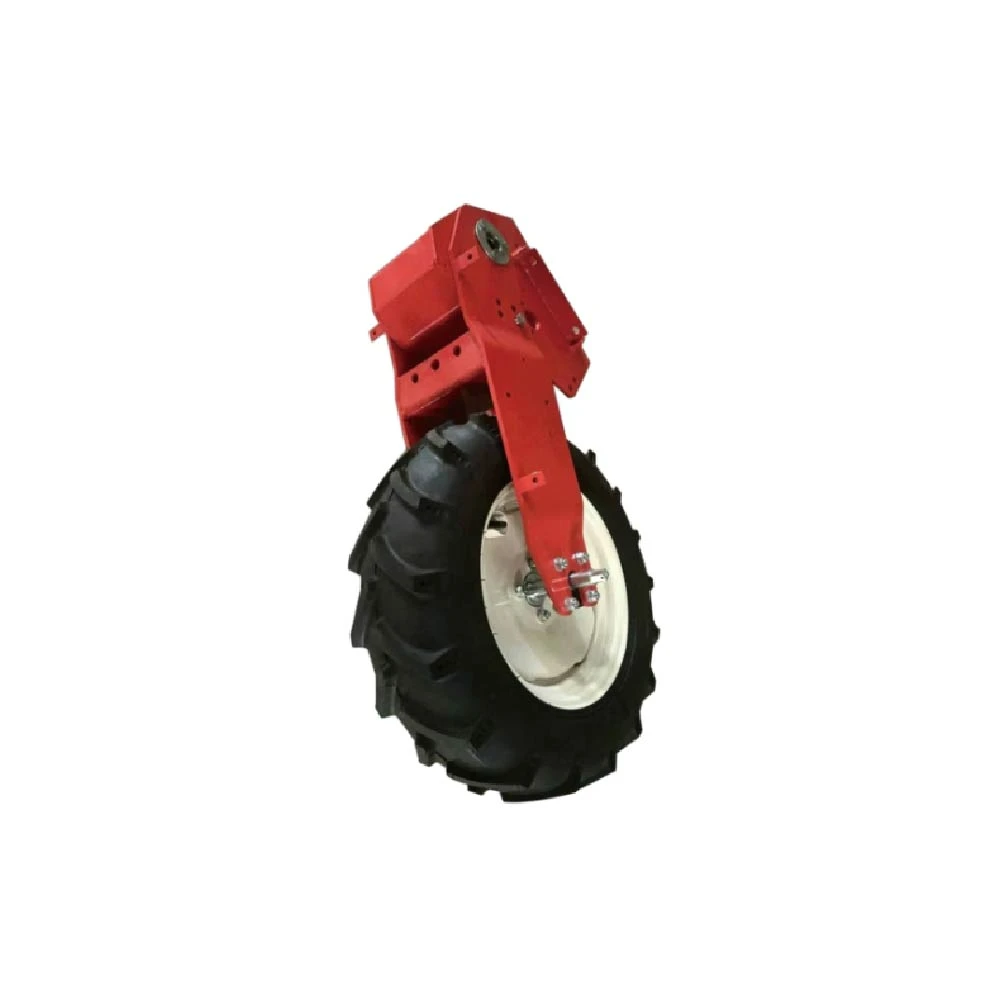
One of the advantages I appreciate about these machines is how user-friendly they’ve become. Even operators with limited mechanical experience find them easy to set up and maintain. The effort in design is evident—simple levers, clear calibration marks, and often compact enough to hitch on to smaller tractors or even be manually pushed. This kind of flexibility is a dealbreaker for many smaller farms.
| Specification | Detail |
|---|---|
| Working width | 1.2 - 2.4 meters |
| Seed spacing | Adjustable from 5 to 20 cm |
| Seed hopper capacity | 50 - 150 liters |
| Frame material | Powder-coated steel |
| Drive type | Ground wheel powered / PTO available |
I've spoken with a few farmers who swear by their small seed drills. One customer mentioned how switching from hand seeding to this machine reduced planting time by half. Plus, the uniform emergence of crops resulted in a more manageable harvest and, frankly, better yields. There's something about mechanical order paving the way for agricultural success — it just makes sense.
| Feature | Langningam | Competitor A | Competitor B |
|---|---|---|---|
| Price Range | $$$ | $$ | $$$$ |
| Build Quality | High (steel frame, coated) | Medium (lighter materials) | Premium (reinforced frame) |
| Seed Rate Adjustability | Yes, fine-tuneable | Limited options | Yes, with digital controls |
| Support & Spare Parts | Strong dealer network | Basic support | Excellent but costly |
Of course, in the field, the final choice boils down to budget, scale, and specific crop needs. I suppose it’s tempting to jump at premium models, but sometimes the simpler Langningam has just the right balance of durability and cost-efficiency. It’s sort of like the quiet middleweight that gets the job done without fuss.
Before wrapping up, one quick anecdote: a colleague once told me about using a small seed drill on hilly terrain. The machine’s adjustable depth control was a lifesaver, allowing consistent seed placement despite uneven ground. Those little moments of adaptability really highlight why these machines remain relevant decades after their design first appeared.
If you’re interested in exploring small seed drills for your operation, I’d encourage checking details with reputable suppliers like Langningam. There’s a lot of value in investing in proven machines with attentive customer support.
At the end of the day, planting precision starts with the right tool—even if it’s a small one.