Modern agriculture relies heavily on efficient and powerful farm machinery and power solutions. From tractors and harvesters to irrigation systems and power generators, the right equipment can significantly increase productivity, reduce labor costs, and improve overall farm profitability. This article explores the diverse world of farm machinery, the different types of power sources used, and key considerations for choosing the right equipment for your agricultural needs. We’ll delve into current trends, maintenance best practices, and how Langningam provides solutions in this crucial sector.
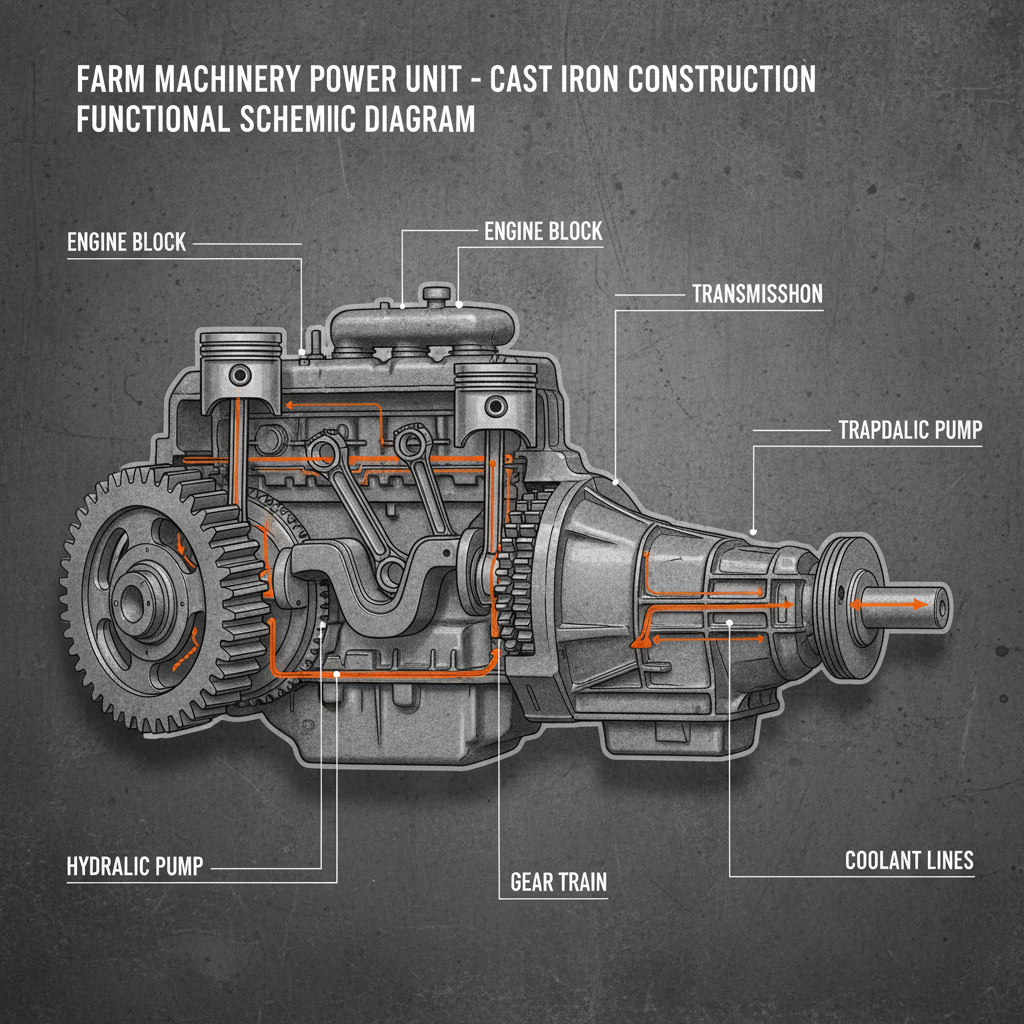
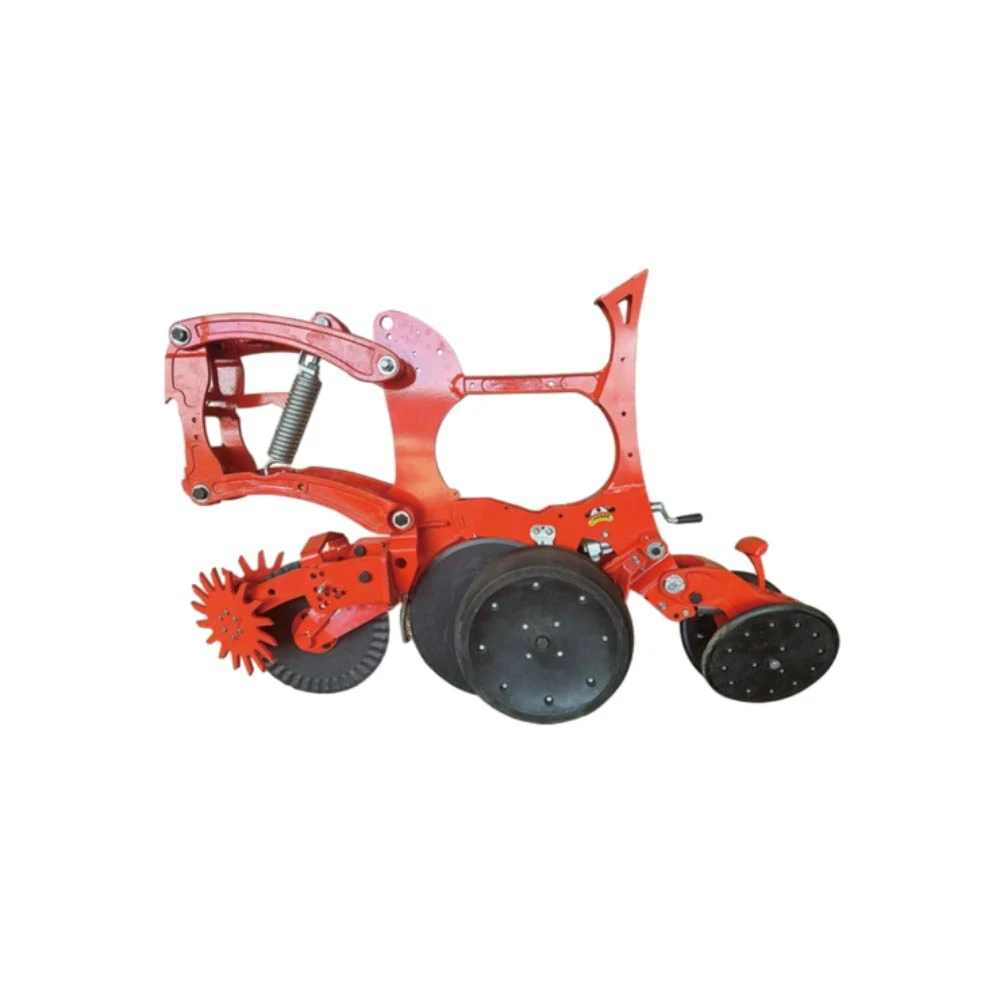
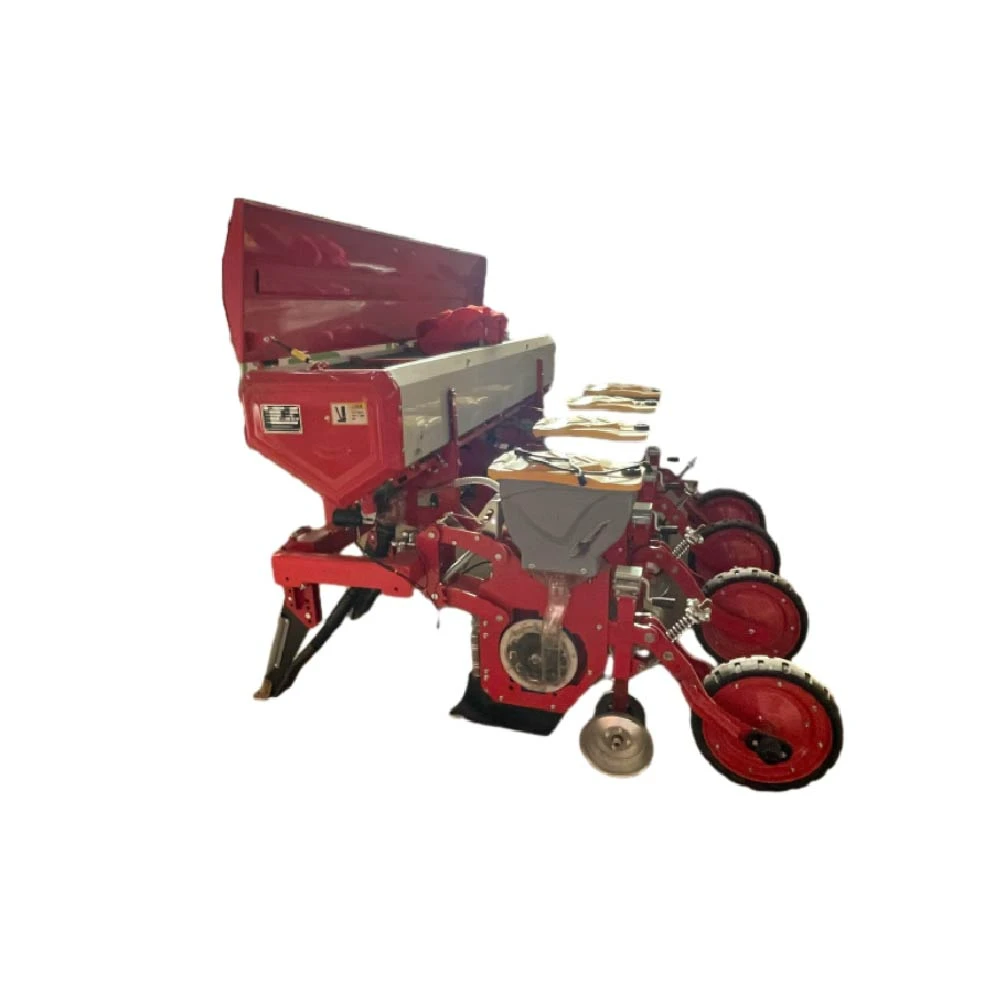
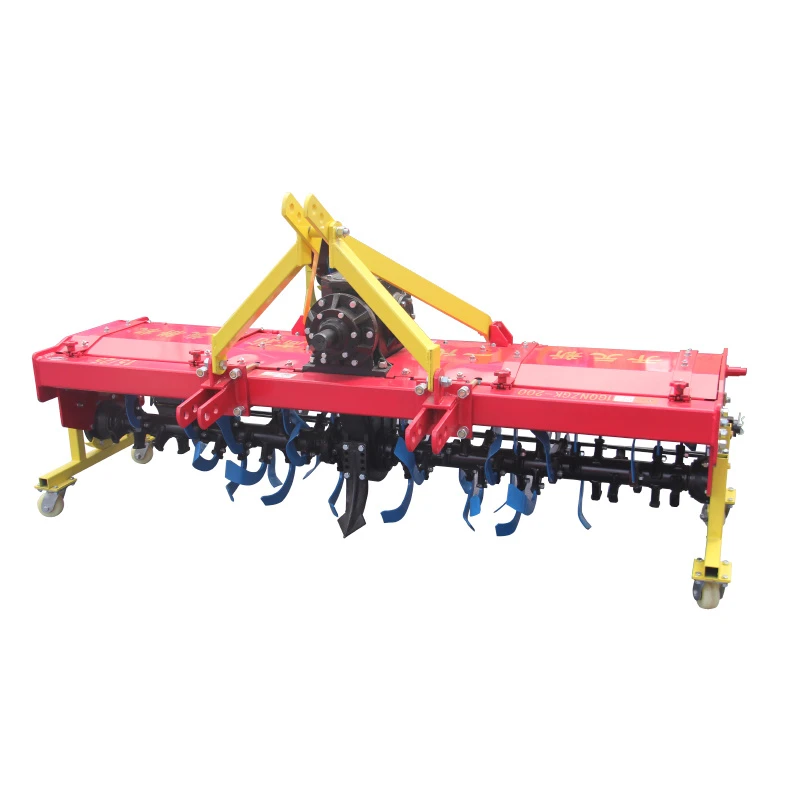
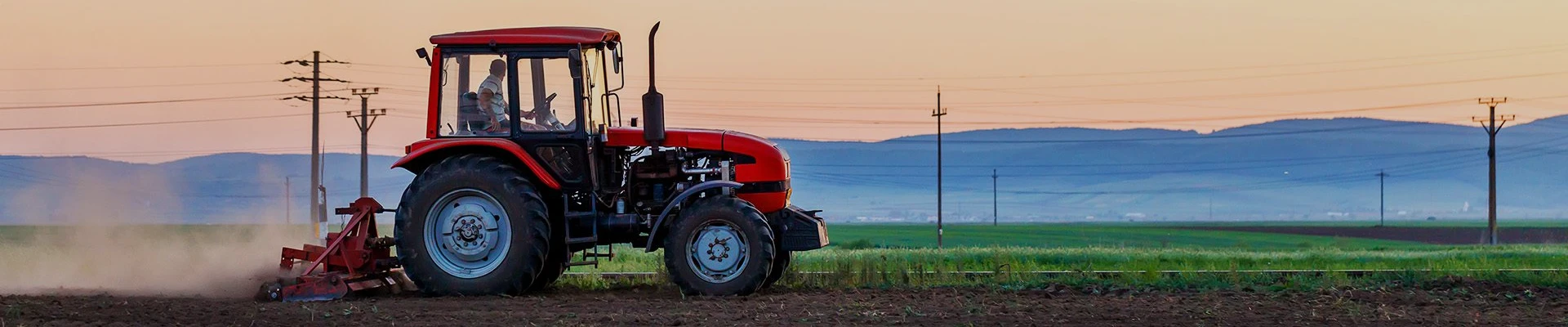
The range of farm machinery is vast, catering to various stages of the agricultural process. Tractors remain the workhorse of most farms, providing the power for plowing, planting, and hauling. Harvesters, including combines and forage harvesters, automate the crop gathering process. Planting equipment, such as seed drills and planters, ensure efficient seed placement. Other crucial machinery includes irrigation systems (sprinklers, drip irrigation), soil preparation tools (plows, harrows), and material handling equipment (conveyors, loaders). Selecting the appropriate machinery depends on the farm's size, type of crops grown, and specific operational requirements. Langningam offers a diverse catalog of these essential tools.
Key Highlights: Modern agriculture depends on a wide variety of machinery, each designed for a specific task. Efficiency and automation are key drivers in the selection process.
Traditionally, farm machinery relied heavily on diesel engines. While still prevalent, alternative power sources are gaining traction. Electric farm equipment, powered by batteries or renewable energy sources, is becoming increasingly popular due to its lower emissions and reduced operating costs. Biofuel-powered machinery offers another environmentally friendly option. Furthermore, the integration of hybrid systems—combining diesel engines with electric motors—provides enhanced fuel efficiency and performance. Choosing the right power source is a complex decision influenced by factors like fuel availability, environmental regulations, and cost considerations.
Power Source Benefits:
• Diesel: Proven reliability and high power output.
• Electric: Lower emissions and reduced operating costs.
• Biofuel: Renewable and sustainable energy source.
• Hybrid: Enhanced fuel efficiency and performance.
The debate between diesel and electric farm machinery is growing as technology advances. Diesel engines offer established reliability and high torque, ideal for heavy-duty tasks. However, they produce emissions and rely on fossil fuels. Electric machinery, while still developing, presents a cleaner and more sustainable alternative. Initial costs for electric equipment can be higher, but lower running costs and reduced maintenance can offset this over time. The optimal choice depends on the specific application and long-term goals of the farm.
Regular maintenance is crucial for extending the lifespan of farm machinery and minimizing downtime. This includes routine checks of fluid levels, filters, and lubrication points. Proper storage during off-season periods is also essential. Investing in quality parts and qualified technicians can prevent costly repairs and ensure optimal performance. Langningam provides comprehensive maintenance support and a wide range of genuine replacement parts.
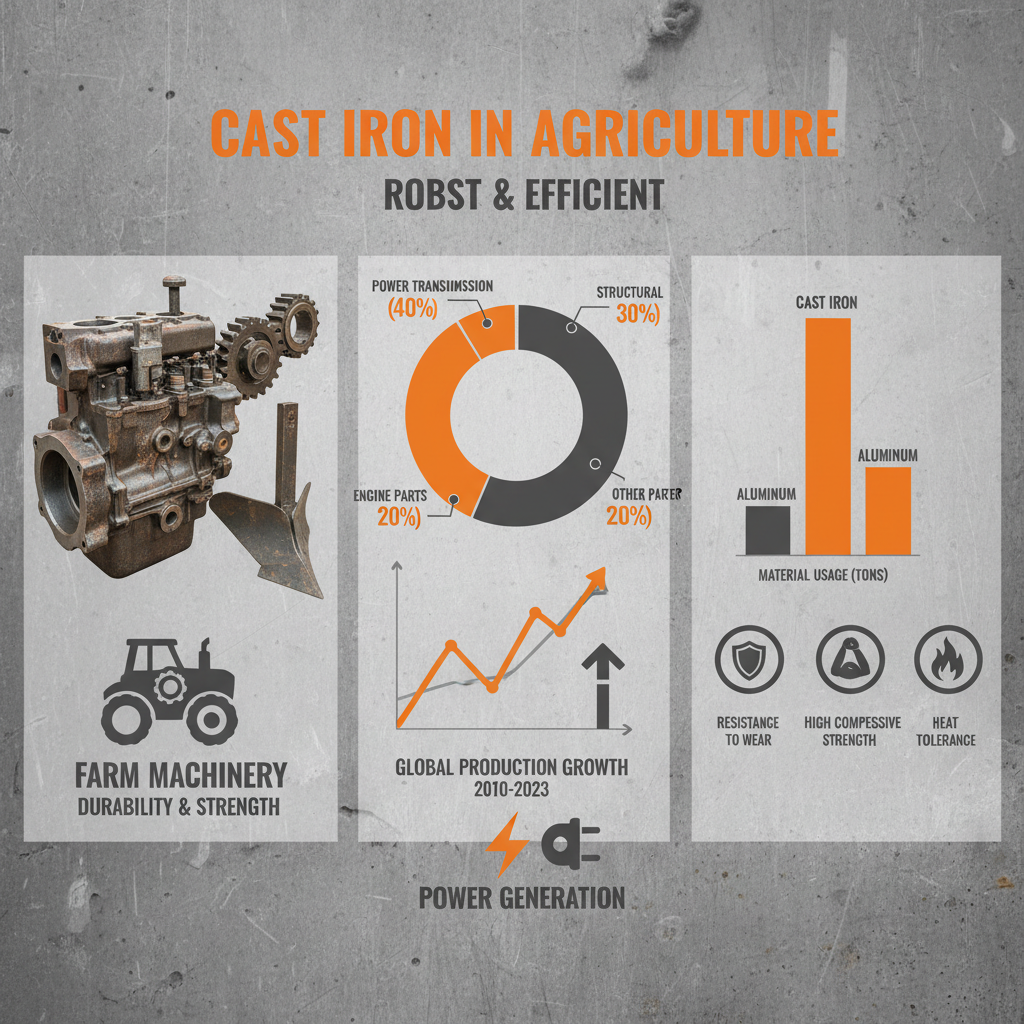
Selecting the right farm machinery and power solutions requires careful consideration of your specific needs and budget. Langningam offers a wide range of high-quality equipment, expert advice, and comprehensive after-sales support. Our team can help you assess your requirements, select the most appropriate machinery, and ensure its long-term reliability. From tractors and harvesters to irrigation systems and power generators, we are committed to helping you maximize your farm's productivity and profitability.
Investing in the right farm machinery and power is essential for modern agricultural operations. By considering factors like power source, maintenance requirements, and long-term costs, farmers can make informed decisions that enhance productivity and sustainability. Langningam is your trusted partner in achieving agricultural success.
Several factors come into play when selecting a tractor. Horsepower is crucial, depending on the tasks you'll be performing. Consider the type of implements you'll be using and the terrain of your farm. Transmission type (manual or hydrostatic) and the availability of features like four-wheel drive are also important. Finally, your budget and the availability of service and parts should be factored into your decision. Langningam can assist you in navigating these options to find the perfect tractor for your needs.
Routine maintenance schedules vary depending on the type of machinery and usage. However, it's generally recommended to check fluid levels (oil, coolant, hydraulic fluid) weekly or before each use. Filters should be replaced according to the manufacturer's recommendations, typically every 100-200 hours of operation. Regularly inspect tires, belts, and hoses for wear and tear. A comprehensive annual inspection by a qualified technician is also advisable.
Precision farming technologies, such as GPS guidance, variable rate application, and yield monitoring, offer numerous benefits. These technologies allow for more efficient use of resources (fertilizer, water, pesticides), reduced waste, and increased yields. They also provide valuable data for informed decision-making, helping farmers optimize their operations and improve profitability. Langningam offers solutions compatible with modern precision farming techniques.
Yes, many governments offer incentives and programs to support farmers in upgrading their equipment. These programs may include tax credits, grants, or low-interest loans. The availability and specific details of these programs vary by region. It is advisable to research programs offered by your local agricultural authorities or consult with a financial advisor specializing in agricultural financing.