Navigating the world of farm machinery prices can be complex. Whether you're a seasoned agricultural professional or just starting out, understanding the factors that influence these costs is crucial for making informed investment decisions. This guide will break down the key considerations, recent market trends, and provide insights into finding the best value for your needs. We will explore the range of prices for common farm machinery, helping you budget and plan effectively. From tractors to harvesters, we'll cover the essential information you need to know.
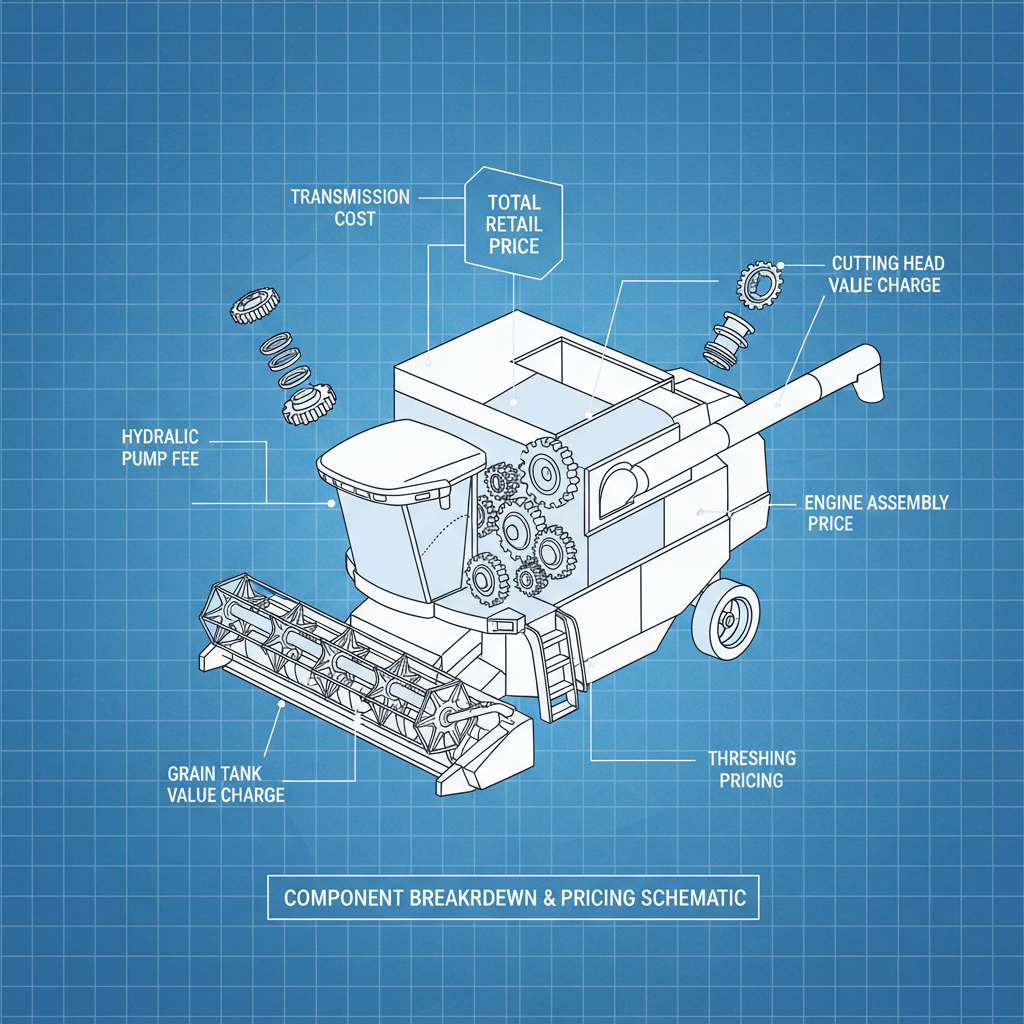
Several factors contribute to the final price tag of farm machinery. New vs. used condition is a major determinant, with used equipment generally being significantly more affordable. The horsepower (HP) rating of tractors and other powered machinery directly impacts the price; higher HP typically translates to higher costs. Brand reputation and reliability also play a role, with established brands often commanding a premium. Technology and automation features, such as GPS guidance, auto-steering, and precision application systems, add to the price. Finally, supply and demand, economic conditions, and government incentives can all influence market prices. Considering these factors will help you understand why farm machinery varies in price.
Key Highlights: Brand reputation, horsepower, technology features, and market conditions all play a crucial role in determining the price of farm machinery.
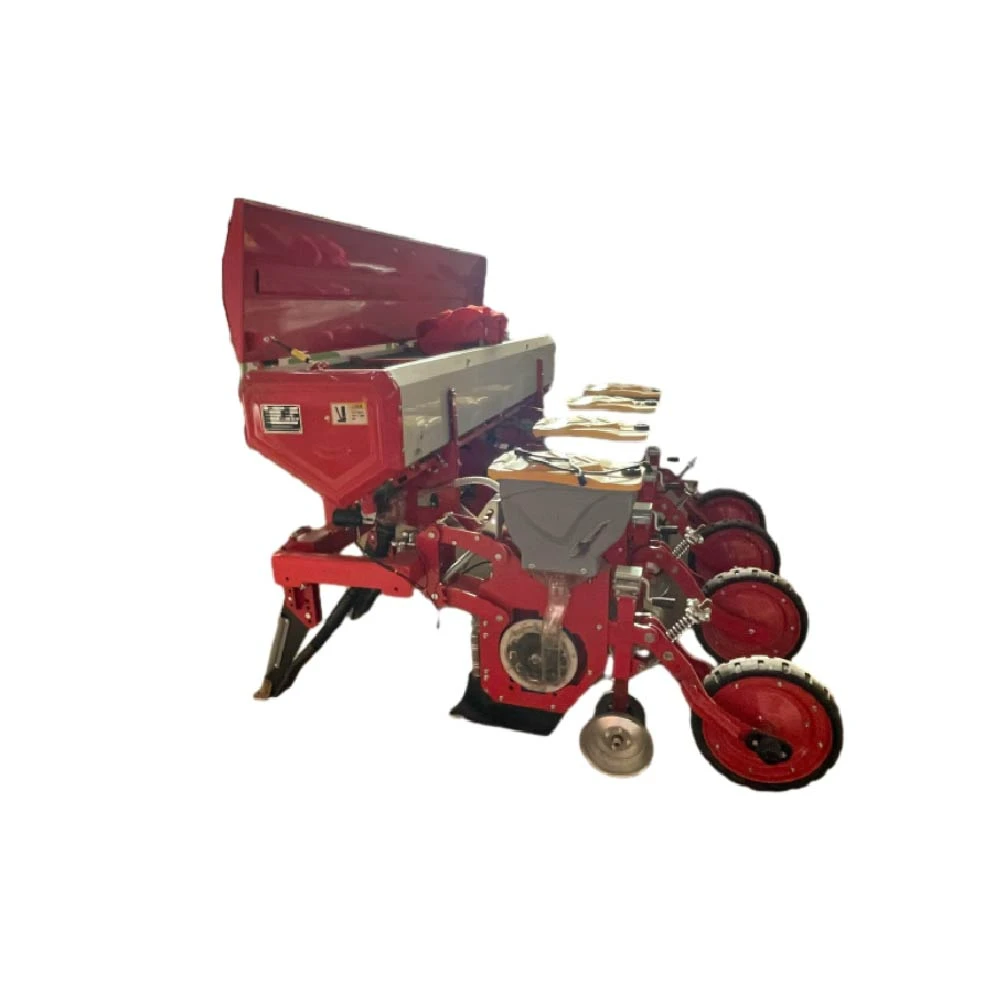
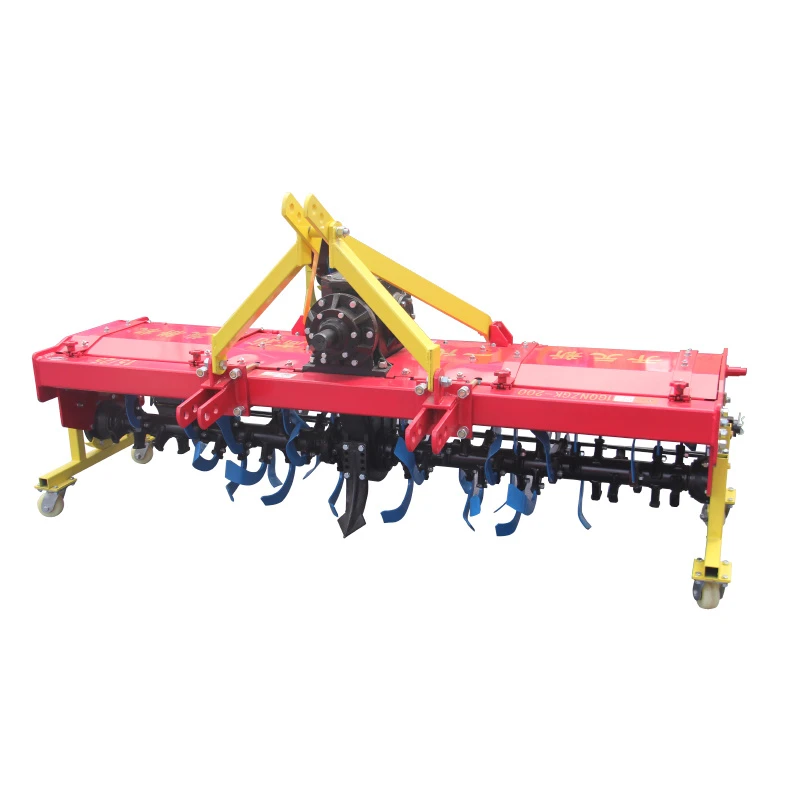
Understanding the typical price ranges for different types of farm machinery is essential for budgeting. Prices can vary significantly based on the factors mentioned earlier. Here’s a general overview:
Recent years have seen fluctuations in farm machinery prices, largely influenced by global economic events and supply chain disruptions. The COVID-19 pandemic caused initial supply shortages and increased prices due to increased demand and logistical challenges. While some of these issues have eased, rising inflation and material costs continue to exert upward pressure on prices. Furthermore, advancements in technology and the increasing demand for precision agriculture equipment are contributing to higher costs. Langningam closely monitors these trends to offer competitive pricing and expert guidance to our clients.
Choosing the right brand involves balancing price and value. Established brands like John Deere and Case IH typically command higher prices due to their reputation for reliability, advanced technology, and extensive dealer networks. However, other brands such as New Holland and Massey Ferguson offer competitive pricing and comparable performance. It’s essential to assess your specific needs, budget, and long-term operational costs when making a decision. Consider factors like parts availability, maintenance costs, and resale value.
Finding the best deals requires a multi-faceted approach. Explore online marketplaces like Langningam, which offers a wide selection of new and used equipment. Attend farm auctions, which can provide opportunities to acquire machinery at competitive prices. Consider purchasing during the off-season, when demand is typically lower. Don't hesitate to negotiate with dealers and explore financing options to optimize your purchase. Regularly checking dealer websites and signing up for newsletters can also alert you to special promotions and discounts.
Understanding farm machinery prices and the factors that influence them is crucial for success in modern agriculture. By carefully considering your needs, exploring available options, and staying informed about market trends, you can make smart investments that maximize your efficiency and profitability. Langningam is committed to providing our customers with the information and resources they need to make the best possible choices.
Generally, the fall and winter months are the best times to purchase farm machinery. Dealers are often looking to clear out inventory to make room for new models, leading to discounts and promotions. Demand is also typically lower during this period, giving you more negotiating power. However, specific timing can depend on your location and the type of machinery you're seeking. Keep an eye out for end-of-year sales and manufacturer incentives.
Thorough inspection is crucial when considering used equipment. Check for signs of wear and tear, including rust, cracks, and leaks. Examine the engine, transmission, and hydraulic systems for proper function. Inspect tires for wear and damage. If possible, have a qualified mechanic perform a pre-purchase inspection. Request maintenance records to understand the equipment’s history and any previous repairs. Don't hesitate to ask the seller questions and seek clarification on any concerns you may have.
Several financing options are available, including loans from banks and credit unions, manufacturer financing programs, and equipment leasing. Banks and credit unions typically offer competitive interest rates, but may require a down payment and collateral. Manufacturer financing often provides convenient terms and incentives, but may come with higher interest rates. Leasing can be a good option if you prefer not to own the equipment outright. It's essential to compare different options and choose the one that best fits your financial situation.
The integration of technology, such as GPS guidance, precision application systems, and automated controls, significantly impacts the price of farm machinery. These technologies enhance efficiency, reduce input costs, and improve yields, but they also add to the initial investment. While more expensive, these features can often provide a return on investment through increased productivity and reduced waste.