
Investing in the right agricultural equipment is crucial for maximizing yields and efficiency. A roto seed drill is a fundamental tool for modern farming, ensuring precise seed placement for optimal germination and growth. Understanding the roto seed drill price, features, and suitability for your farm is essential. This article provides a detailed overview, helping you make an informed decision. Choosing the right equipment can significantly improve your farm’s productivity and profitability.
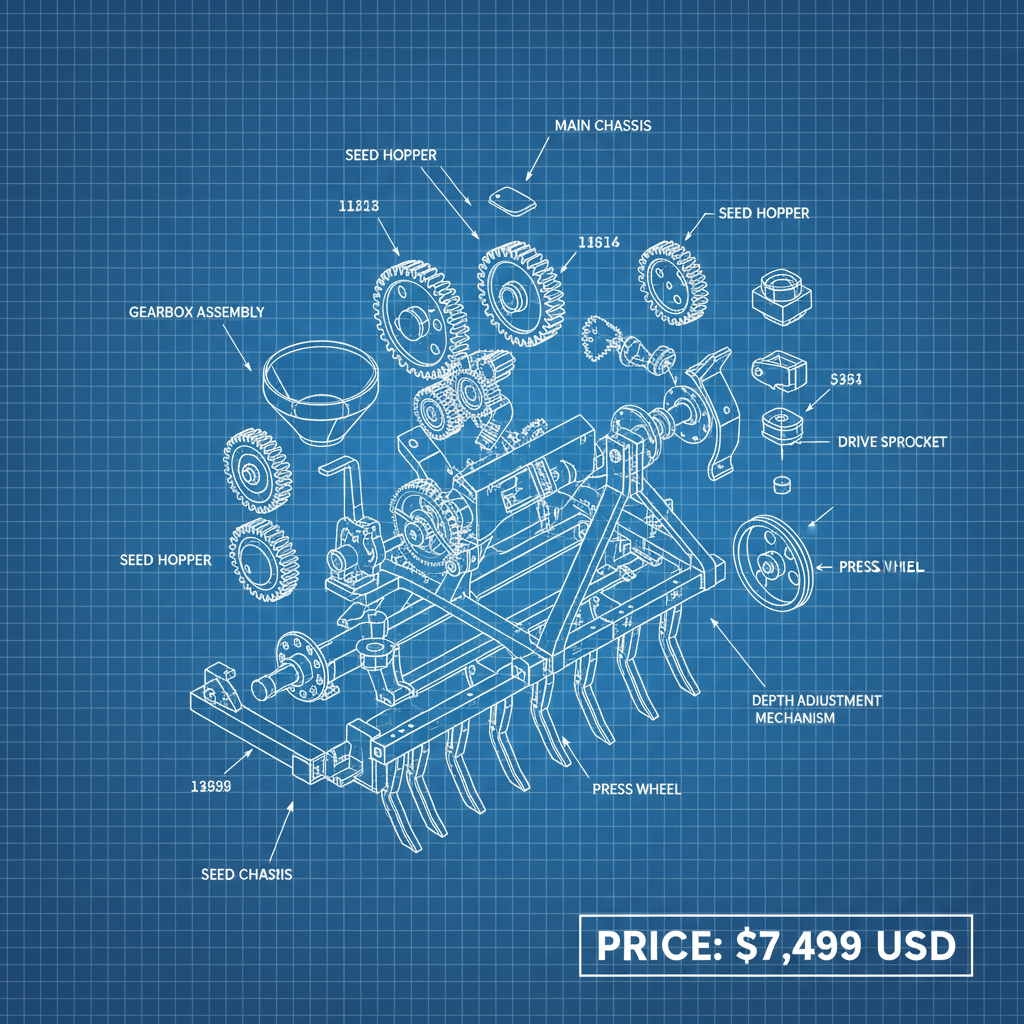
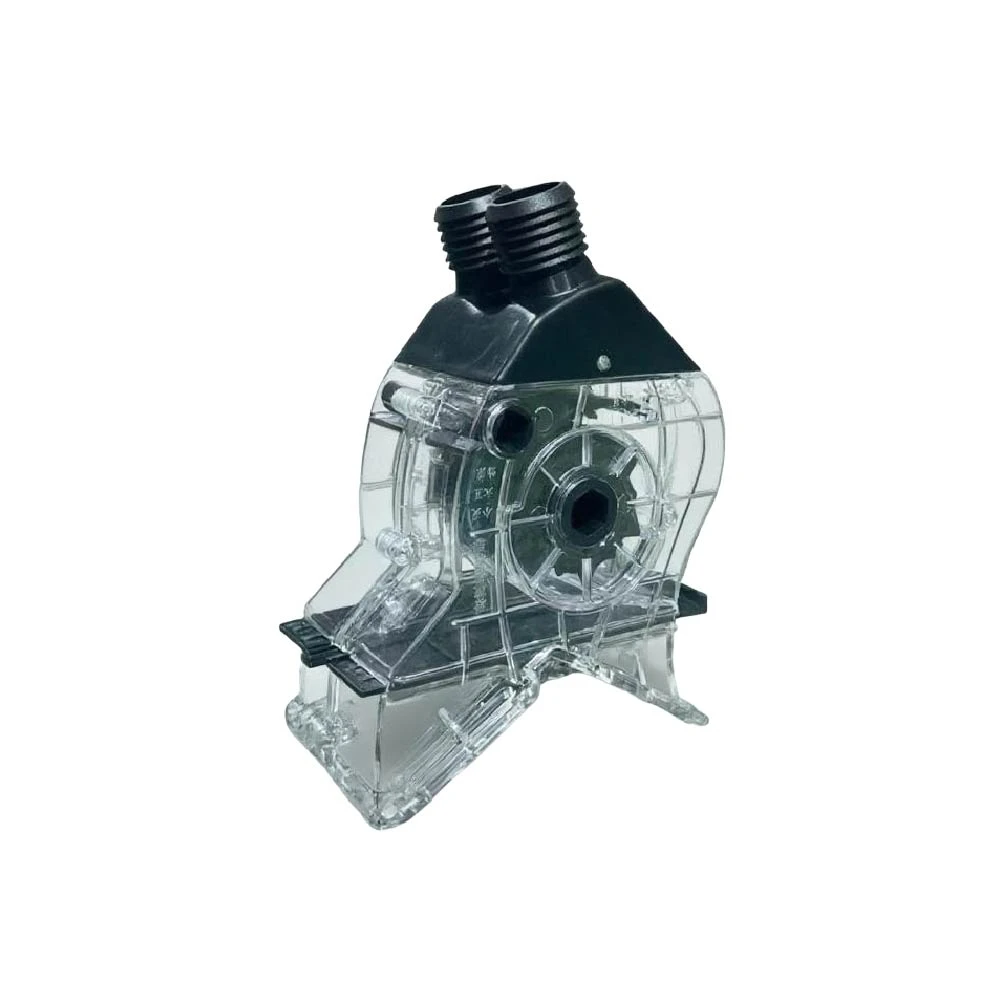
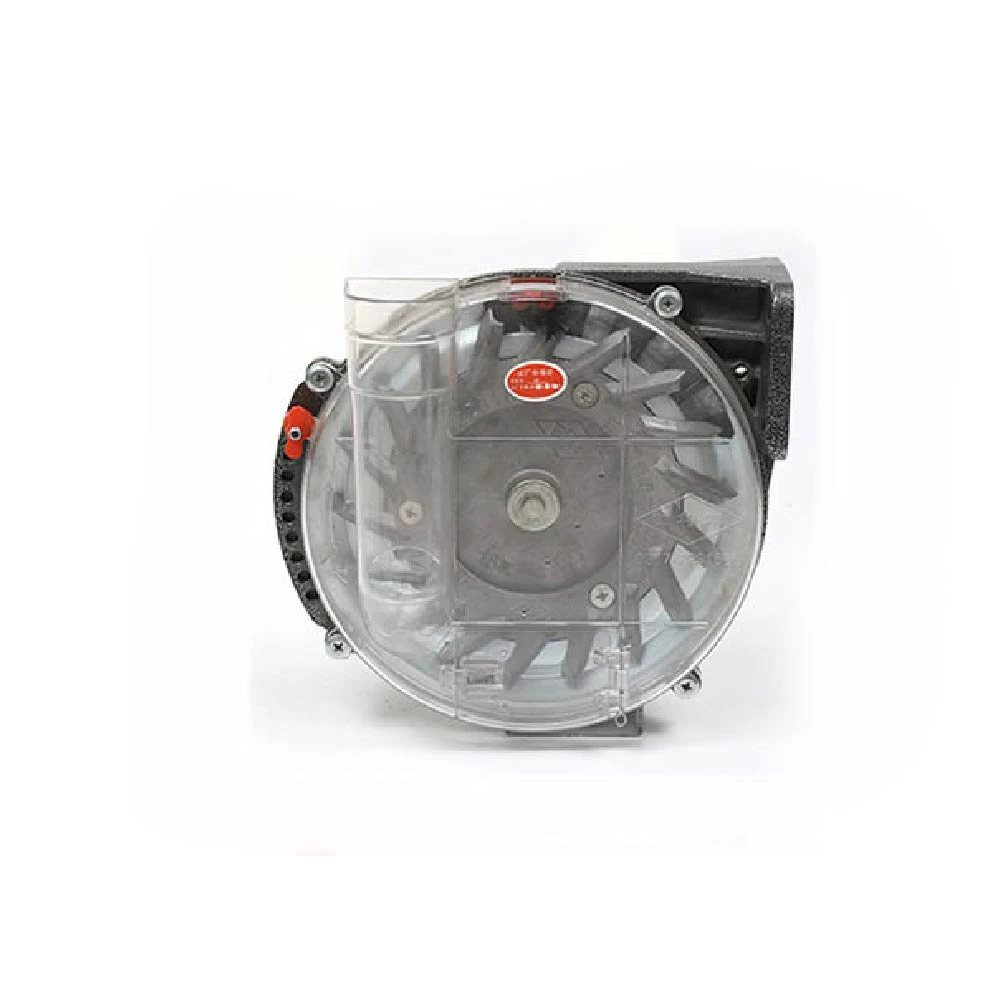
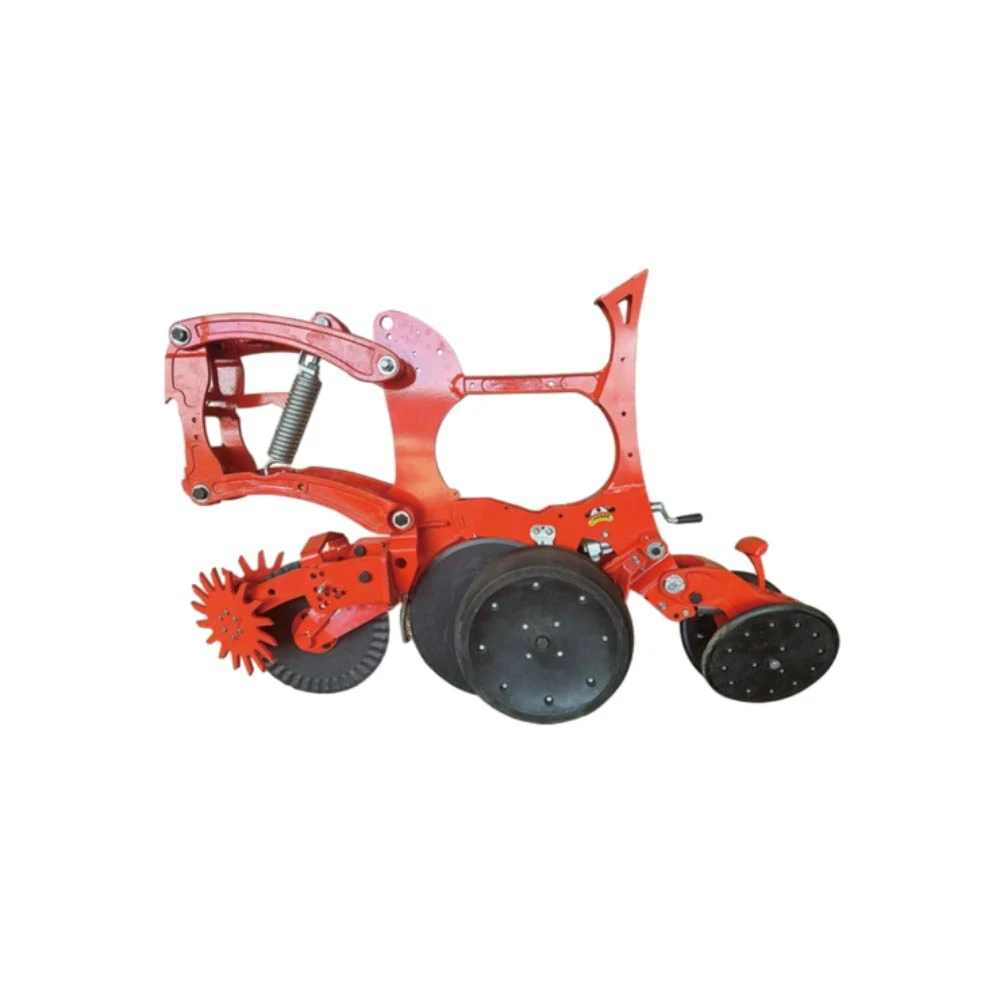
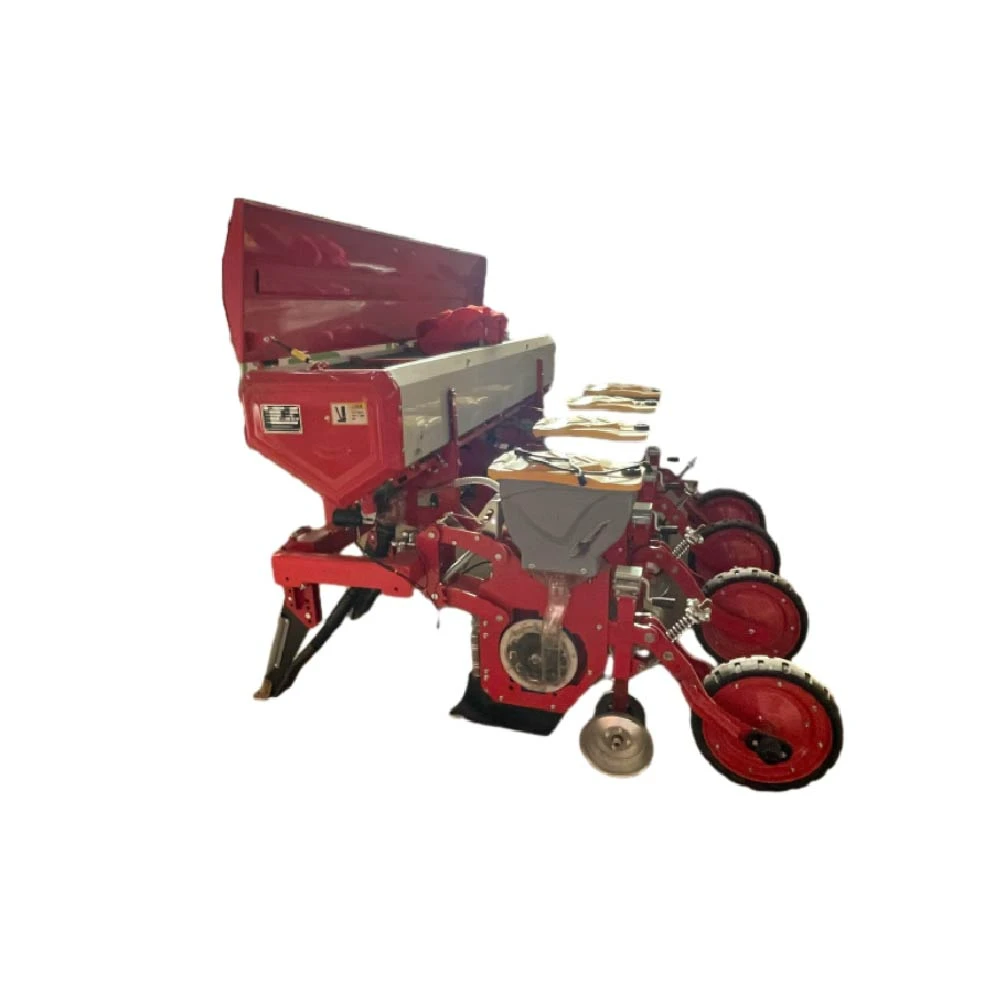
A roto seed drill, also known as a rotary seed drill, employs a rotating drum with specifically designed seed cells. As the drum rotates, the seeds are extracted and dropped into prepared seedbeds with precision. This contrasts with traditional drills that rely on mechanical agitation and can result in inconsistent seed spacing. Precise seed placement provided by roto drills leads to improved germination rates, reduced seed waste, and more uniform plant stands. This, in turn, translates to increased yields and better crop quality. Langning Agricultural Machinery specializes in high-quality, efficient roto seed drills designed for various farm sizes and crop types.
Key Benefits: Improved germination rates, reduced seed waste, more uniform plant stands, increased yields, better crop quality.
The roto seed drill price can vary significantly depending on several factors. These include the drill’s capacity (number of rows), the type of seed metering system, the frame material, and any included features like fertilizer applicators or row markers. Larger drills with more rows generally cost more due to the increased material and complexity of construction. The quality of the seed metering system – whether mechanical or pneumatic – also influences the price. Furthermore, brands with established reputations for durability and performance often command higher prices.
Price Influencers:
• Number of rows
• Seed metering system type
• Frame material
• Additional features (fertilizer applicators, row markers)
To help you understand the market, here's a comparison of several roto seed drill models, their key features, and approximate price ranges. Please note that prices are estimates and can vary based on location and dealer. Langning Agricultural Machinery offers competitive pricing and a range of models to suit diverse agricultural needs.
Selecting the best roto seed drill requires careful consideration of your farm’s size, crop types, soil conditions, and budget. For smaller farms or those planting a limited variety of crops, a mechanical seed metering system may be sufficient. However, for larger operations or those requiring precise seed placement for specific crops, a pneumatic system is recommended. Langning Agricultural Machinery offers expert advice to help you determine the ideal drill for your needs.
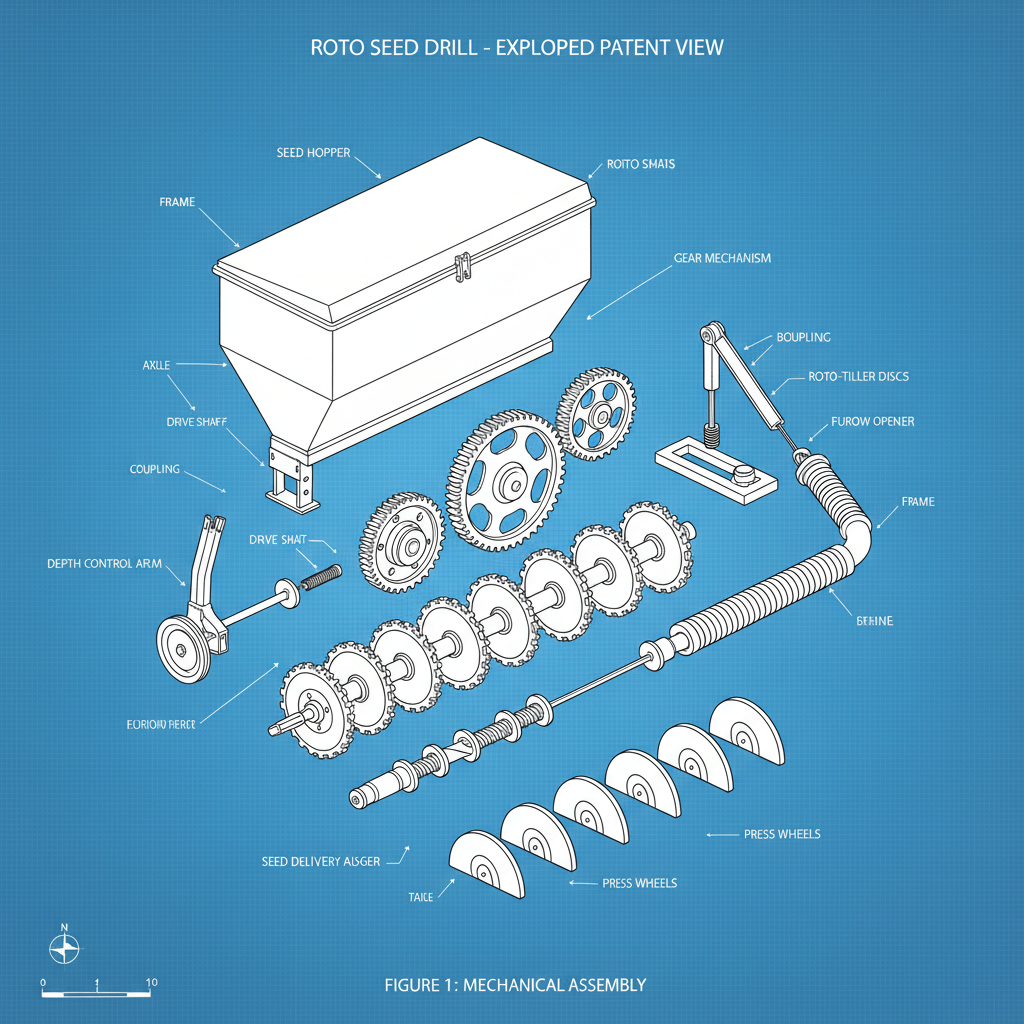
Finding a competitive roto seed drill price involves researching different suppliers and comparing quotes. Consider purchasing directly from manufacturers like Langning Agricultural Machinery to potentially eliminate intermediary costs. Also, be sure to inquire about financing options and warranty coverage. Investing in a high-quality drill from a reputable supplier will ensure long-term reliability and productivity.
A roto seed drill is a vital investment for modern farmers seeking to maximize yields and efficiency. By understanding the factors that influence roto seed drill price and carefully evaluating your farm’s needs, you can select the ideal drill to optimize your planting process. Partner with a trusted supplier like Langning Agricultural Machinery for quality equipment and expert support.
Roto seed drills offer significant advantages over traditional drills, primarily in terms of precision and efficiency. Their rotary seed metering system ensures consistent seed spacing, resulting in improved germination rates and more uniform plant stands. Unlike traditional drills which can be prone to seed clumping and inconsistent depth control, roto drills deliver more accurate seed placement. This leads to reduced seed waste and ultimately, higher yields. The robust design of modern roto drills also contributes to their durability and long-term reliability.
Regular maintenance is crucial for ensuring the longevity and optimal performance of your roto seed drill. This includes cleaning the seed metering system after each use to prevent clogging, lubricating moving parts, and inspecting the drill for any signs of wear or damage. It’s also important to check and adjust the seed depth settings regularly to ensure accurate seed placement. Following the manufacturer’s recommended maintenance schedule will help prevent costly repairs and downtime.
Roto seed drills are versatile and can be used to plant a wide variety of crops, including wheat, barley, soybeans, corn, canola, and many vegetables. They are particularly well-suited for crops that require precise seed placement for optimal germination and growth. The ability to control seed depth and spacing makes roto drills ideal for planting small seeds, such as alfalfa and clover, as well as larger seeds like corn and soybeans.
When comparing roto seed drill prices, it's important to look beyond the initial cost. Consider the quality of the construction, the type of seed metering system, the available features, and the warranty coverage. Also, factor in the potential long-term costs of maintenance and repairs. Investing in a durable and reliable drill from a reputable manufacturer can often save you money in the long run. Don't hesitate to ask questions and compare different models to find the best fit for your needs.