The backbone of any successful agricultural operation lies in the quality and efficiency of its farm implements and machinery. From preparing the land to harvesting crops, the right equipment can significantly impact productivity, reduce labor costs, and ultimately, boost profitability. This article delves into the world of agricultural machinery, exploring key types, recent innovations, and considerations for choosing the best equipment for your specific needs. Understanding your options is critical for maximizing your farm's potential.

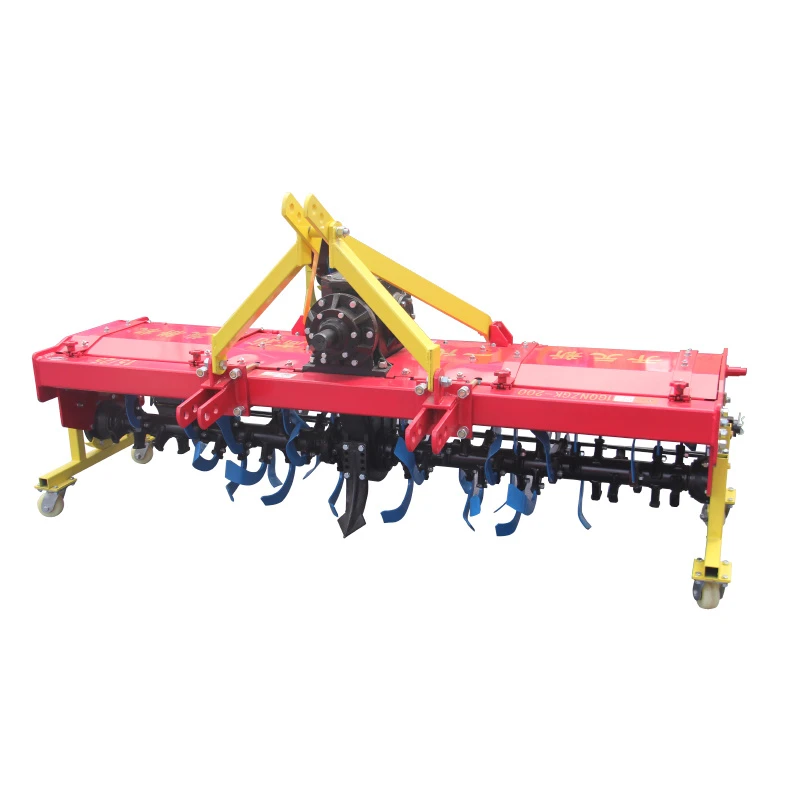
Farm implements and machinery encompass a broad range of tools, each designed for specific agricultural tasks. Generally, they fall into several core categories. Preparation implements, like plows and cultivators, prepare the soil for planting. Planting implements, such as seed drills and planters, ensure efficient and accurate seed placement. Harvesting machinery, including combines and forage harvesters, gathers the crops. Material handling equipment – tractors, trailers, and conveyors – facilitates the movement of crops and supplies. Finally, Irrigation equipment plays a vital role in water management. Choosing the right combination of implements depends heavily on the type of farm, the crops grown, and the scale of the operation. Langningam offers a wide array of implements to suit diverse farming needs.
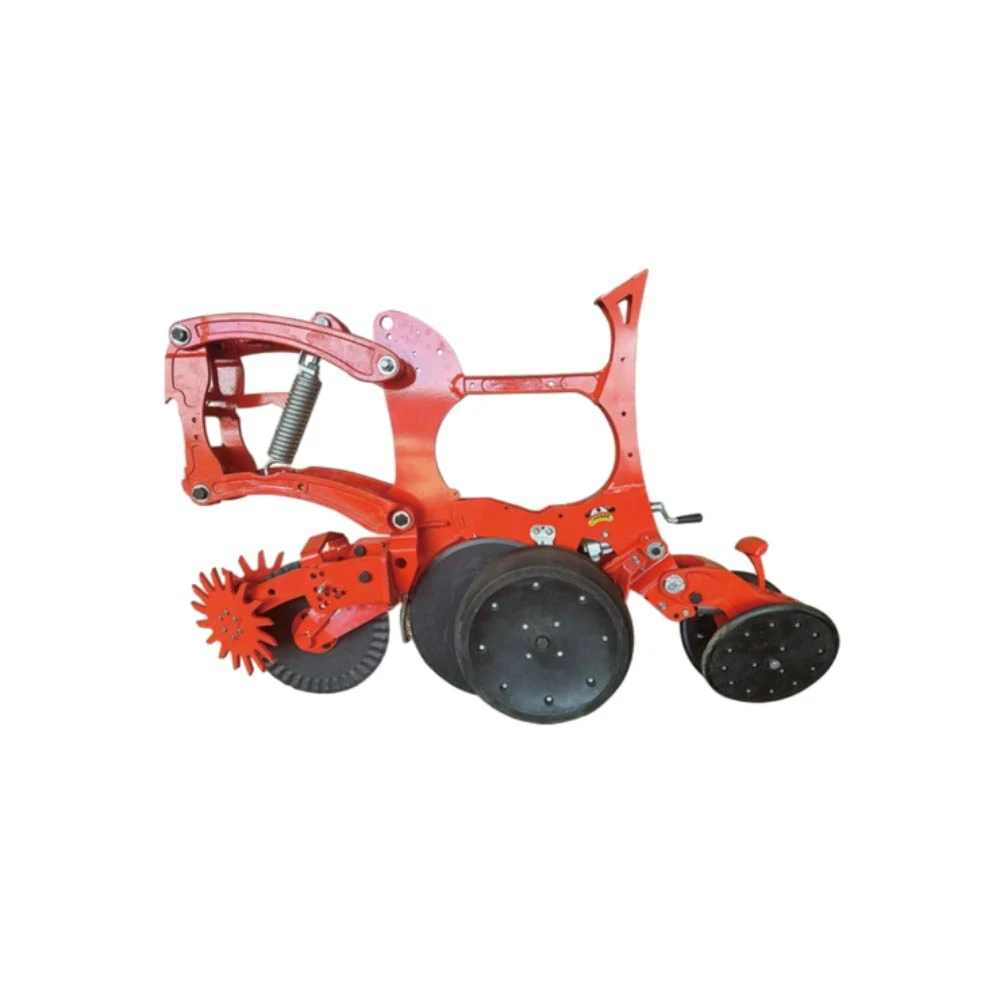
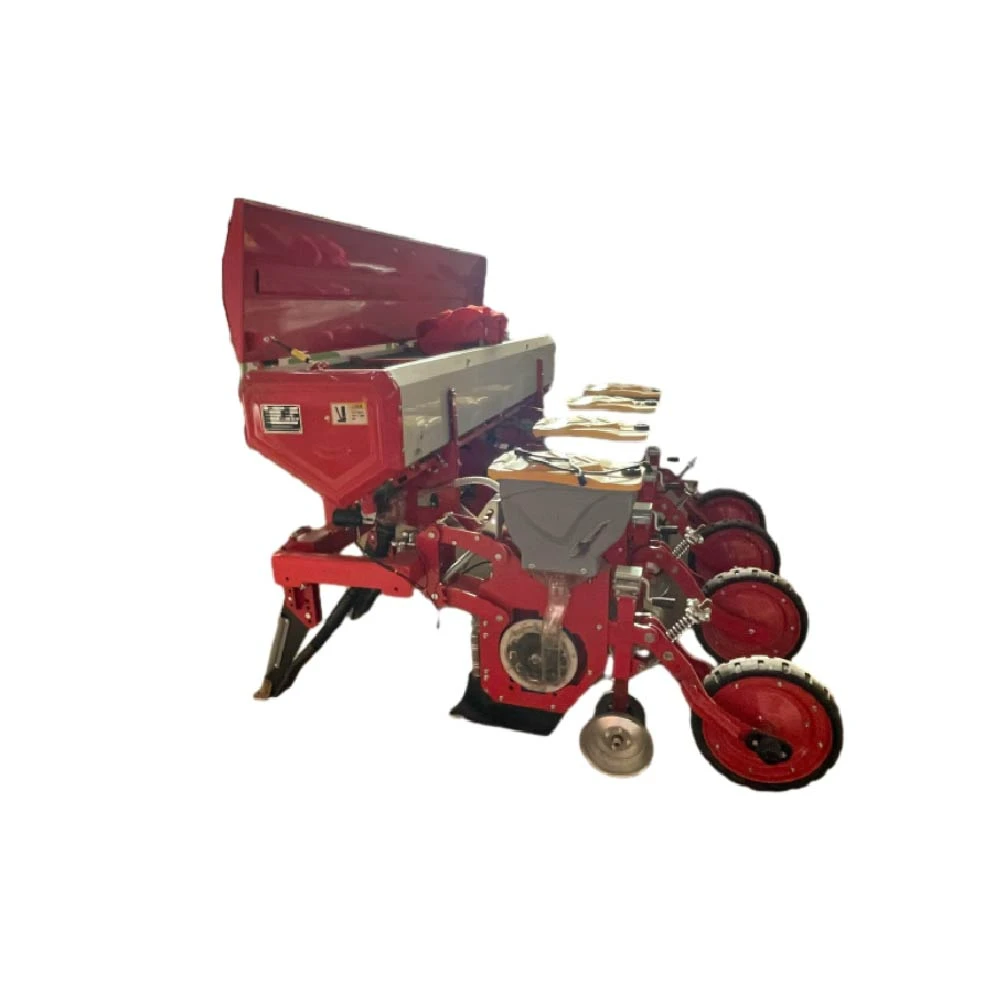
Beyond the broad categories, several specific machines are fundamental to modern farming. Tractors remain the workhorses of agriculture, providing power for a multitude of implements. Combines efficiently harvest grain crops, separating the grain from the straw and chaff. Planters ensure precise seed depth and spacing, maximizing germination rates. Sprayers apply fertilizers, pesticides, and herbicides, protecting crops and boosting yields. Finally, balers compress hay or straw into manageable packages for storage and transport. The advancements in these machines – like GPS guidance systems and precision application technology – are revolutionizing farming practices.
Key Considerations: Efficiency, reliability, and adaptability are crucial when selecting farm machinery. Consider the size of your operation, the types of crops grown, and the terrain of your land.
Selecting the appropriate farm implements and machinery requires careful consideration of several factors. Farm size is paramount – a small-scale operation will have different needs than a large commercial farm. The type of crops grown dictates the specific implements required (e.g., a vineyard will need different equipment than a wheat farm). Budget constraints are also a significant factor. Consider both the initial purchase price and the ongoing maintenance costs. Finally, think about future scalability – choose equipment that can grow with your farm as your operation expands.
The agricultural machinery industry is constantly evolving. Recent innovations include GPS-guided tractors for precision farming, drones for crop monitoring, and automated harvesting systems. Electric tractors are gaining popularity, offering reduced emissions and lower operating costs. Data analytics and sensor technology are being integrated into machinery, providing farmers with valuable insights into crop health, soil conditions, and equipment performance. These advancements are helping farmers optimize their operations, increase yields, and reduce their environmental footprint.
Choosing the right farm implements and machinery is an investment in the future of your agricultural operation. By carefully considering your needs, exploring the latest innovations, and partnering with a reliable supplier like Langningam, you can maximize your efficiency, profitability, and sustainability.
GPS-guided tractors, also known as autoguidance systems, offer numerous benefits. They improve precision in planting, spraying, and harvesting, reducing overlap and minimizing waste. This leads to significant cost savings on seeds, fertilizers, and pesticides. Furthermore, they reduce operator fatigue and allow for more efficient field coverage. The increased accuracy ultimately results in higher yields and improved crop quality. Modern systems also provide detailed data on field operations, allowing for better decision-making and resource management.
Preventative maintenance is absolutely crucial for ensuring the longevity and reliability of farm machinery. Regular oil changes, filter replacements, lubrication of moving parts, and inspections for wear and tear can prevent costly breakdowns and extend the lifespan of your equipment. Following the manufacturer's recommended maintenance schedule is essential. Investing in preventative maintenance is far more cost-effective than dealing with emergency repairs during peak season. Langningam offers comprehensive service packages to help keep your machinery in optimal condition.
Purchasing used farm machinery can be a cost-effective option, but it requires careful due diligence. Inspect the equipment thoroughly for signs of wear and tear, including rust, cracks, and damaged components. Check the engine hours and maintenance records. If possible, have a qualified mechanic inspect the machine before making a purchase. Consider the age of the equipment and the availability of replacement parts. Finally, compare prices and features to ensure you are getting a fair deal.
Electric farm vehicles are becoming increasingly viable, offering several advantages over traditional combustion engine machines. They produce zero tailpipe emissions, reducing your farm's environmental impact. They are also quieter, creating a more comfortable working environment. While the initial cost can be higher, electric vehicles often have lower operating costs due to reduced fuel and maintenance expenses. Battery technology is constantly improving, extending the range and performance of electric farm vehicles.