Selecting the appropriate farm land equipment is crucial for maximizing efficiency and productivity in agricultural operations. From tractors and tillers to planters and harvesters, the right tools can significantly impact crop yields and overall farm profitability. This guide provides an overview of essential farm land equipment, factors to consider when making purchasing decisions, and how to ensure long-term equipment performance. Investing in quality equipment is a key element of a successful and sustainable farming operation. We’ll explore the latest advancements and best practices in agricultural machinery.
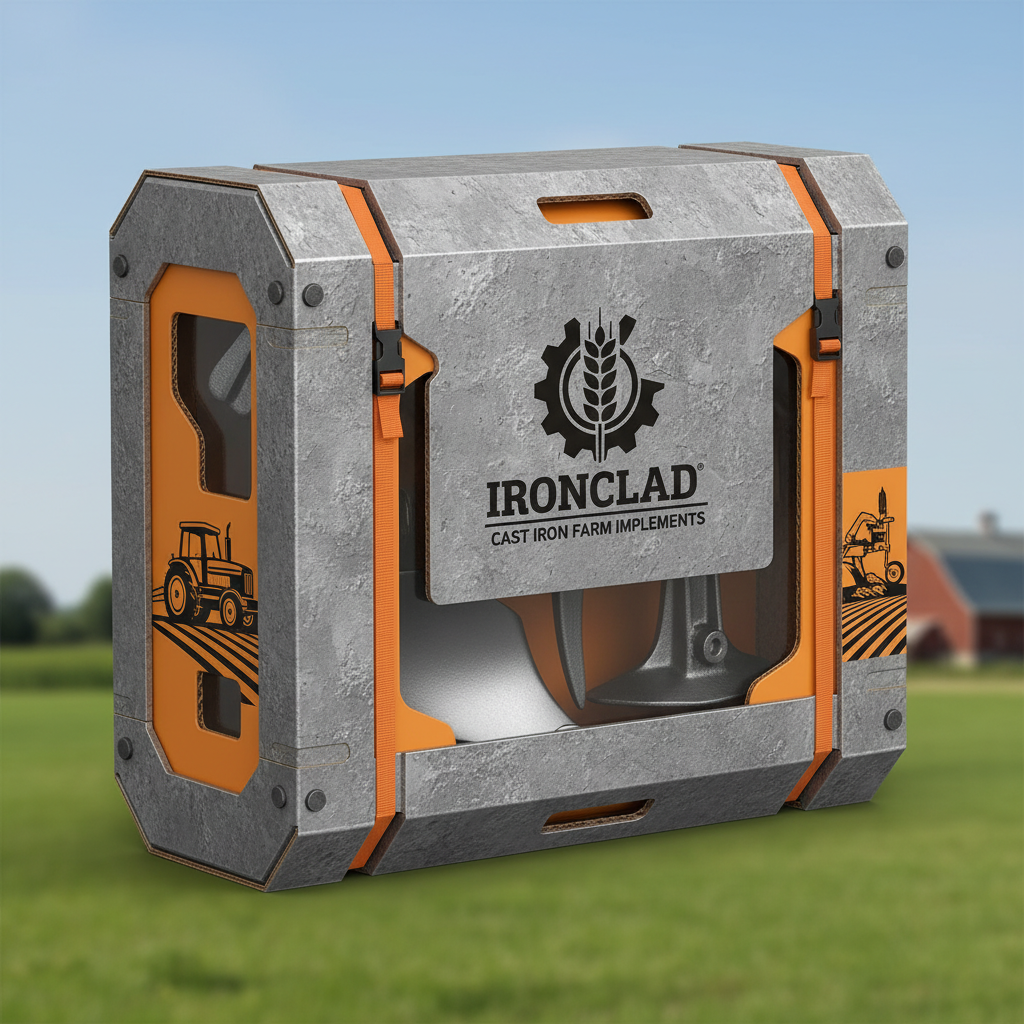
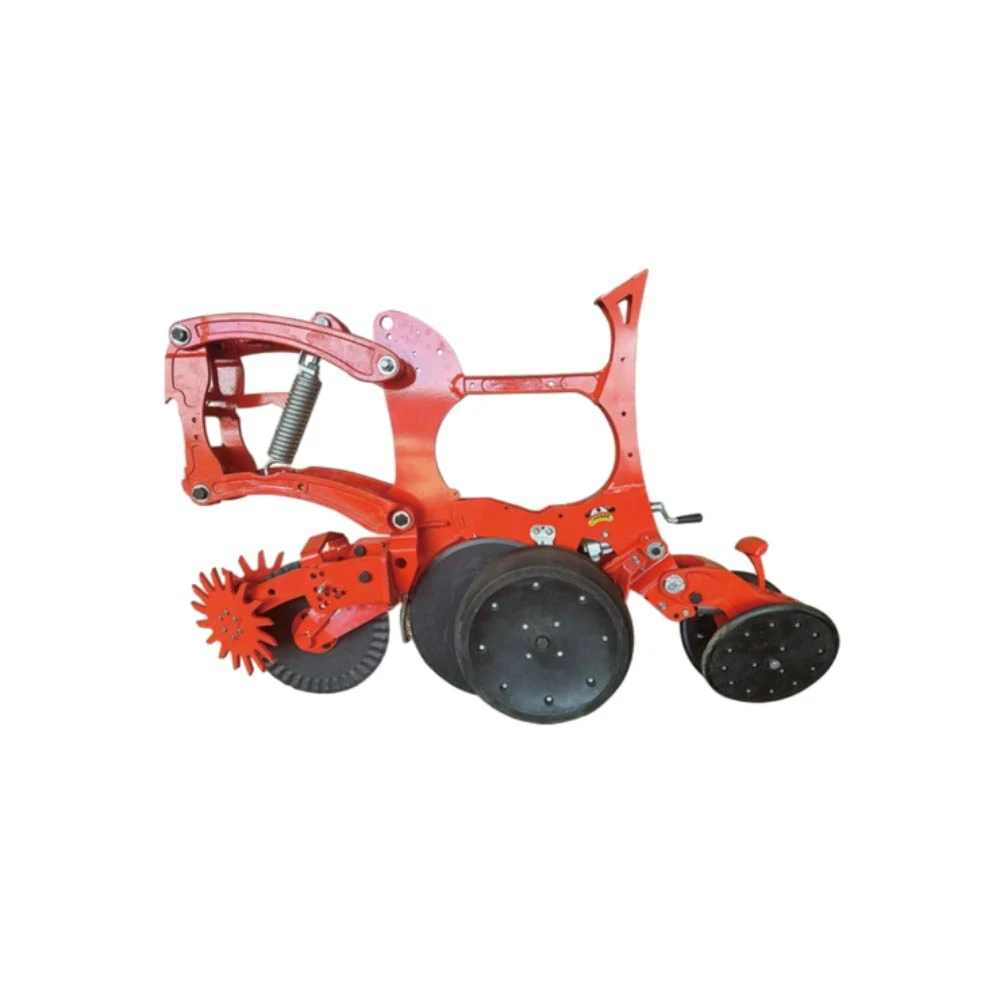
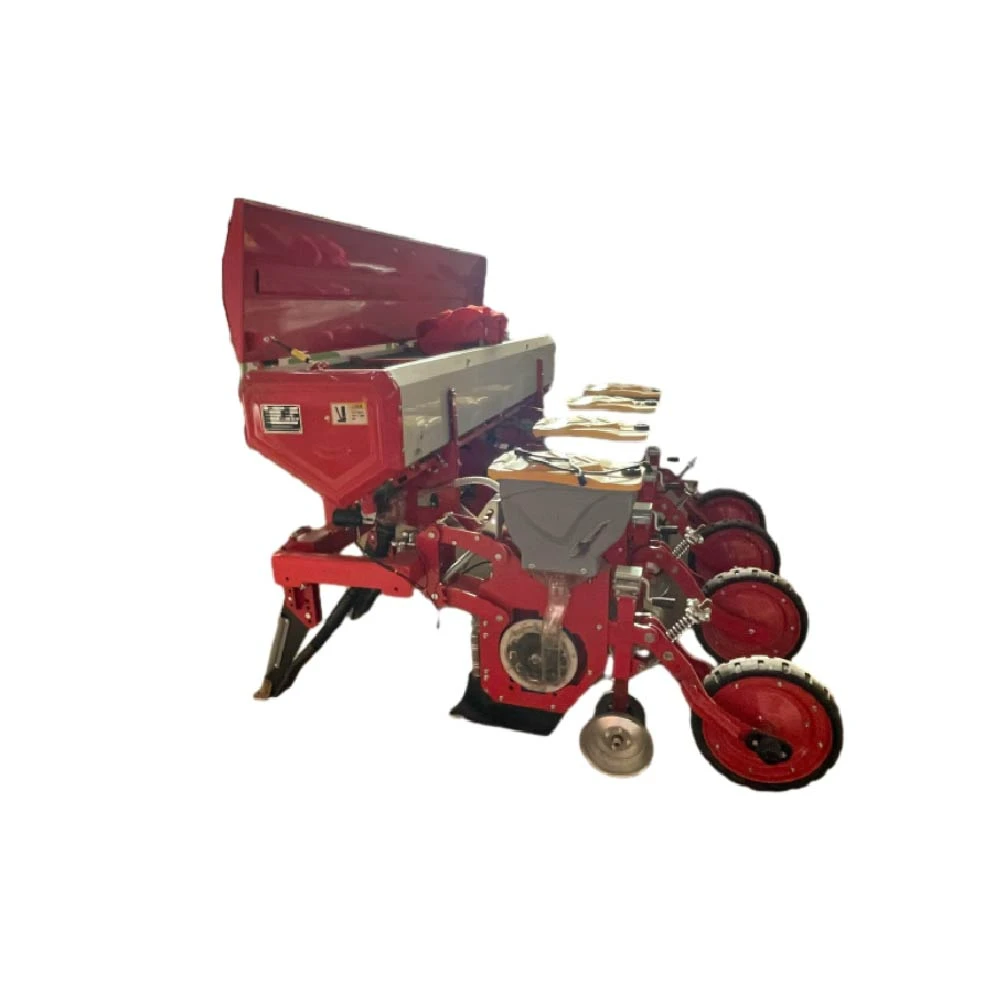
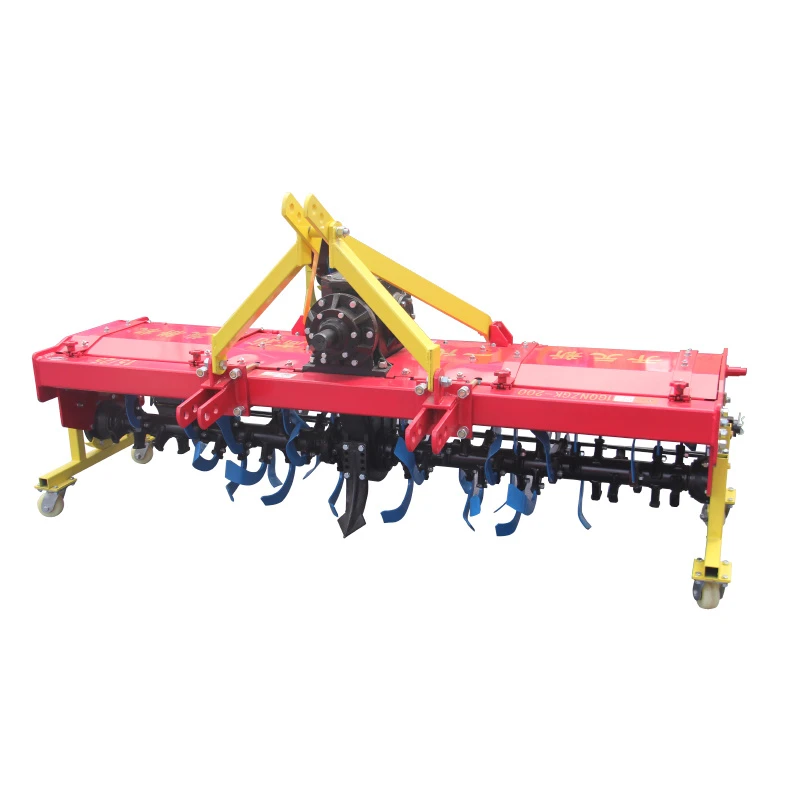
Farm land equipment can be broadly categorized based on its primary function. Tillage equipment prepares the soil for planting, while planting equipment precisely places seeds. Harvesting equipment efficiently gathers crops, and material handling equipment assists in transporting and storing produce. Beyond these core categories, there’s specialized equipment for irrigation, spraying, and livestock management. Understanding these categories is the first step towards identifying the equipment best suited for your specific farming needs.
Key Equipment Categories: Tillage, Planting, Harvesting, Material Handling, Irrigation, Spraying, Livestock Management.
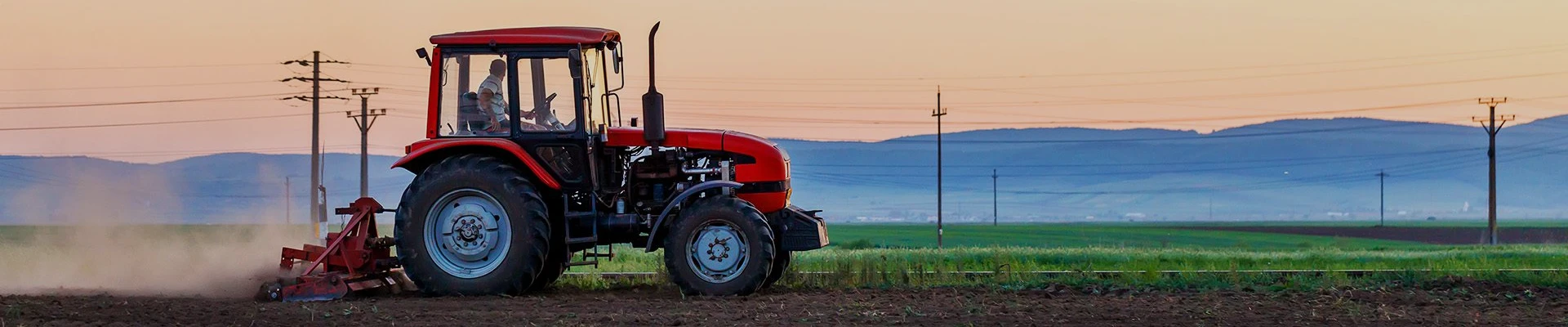
Tractors are arguably the most versatile piece of farm land equipment. They power a wide range of implements, from plows and cultivators to mowers and sprayers. Tractor size (measured in horsepower) and type (e.g., compact, utility, row crop) should align with the size of your farm and the tasks you need to perform. Modern tractors often feature advanced technologies like GPS guidance, auto-steering, and variable rate application, enhancing precision and efficiency.
Tractor Key Considerations:
• Horsepower: Match to farm size and tasks.
• Type: Compact, utility, row crop, etc.
• Technology: GPS, auto-steering, variable rate application.
Choosing the right tillage equipment depends on soil type, crop rotation, and conservation practices. Here's a comparison of some common options:
Proper maintenance is essential for maximizing the lifespan and performance of your farm land equipment. This includes regular inspections, lubrication, fluid changes, and timely repairs. Following the manufacturer's recommended maintenance schedule is crucial. Consider investing in preventative maintenance programs to identify and address potential issues before they escalate into costly repairs. Storing equipment properly during the off-season can also significantly extend its life.
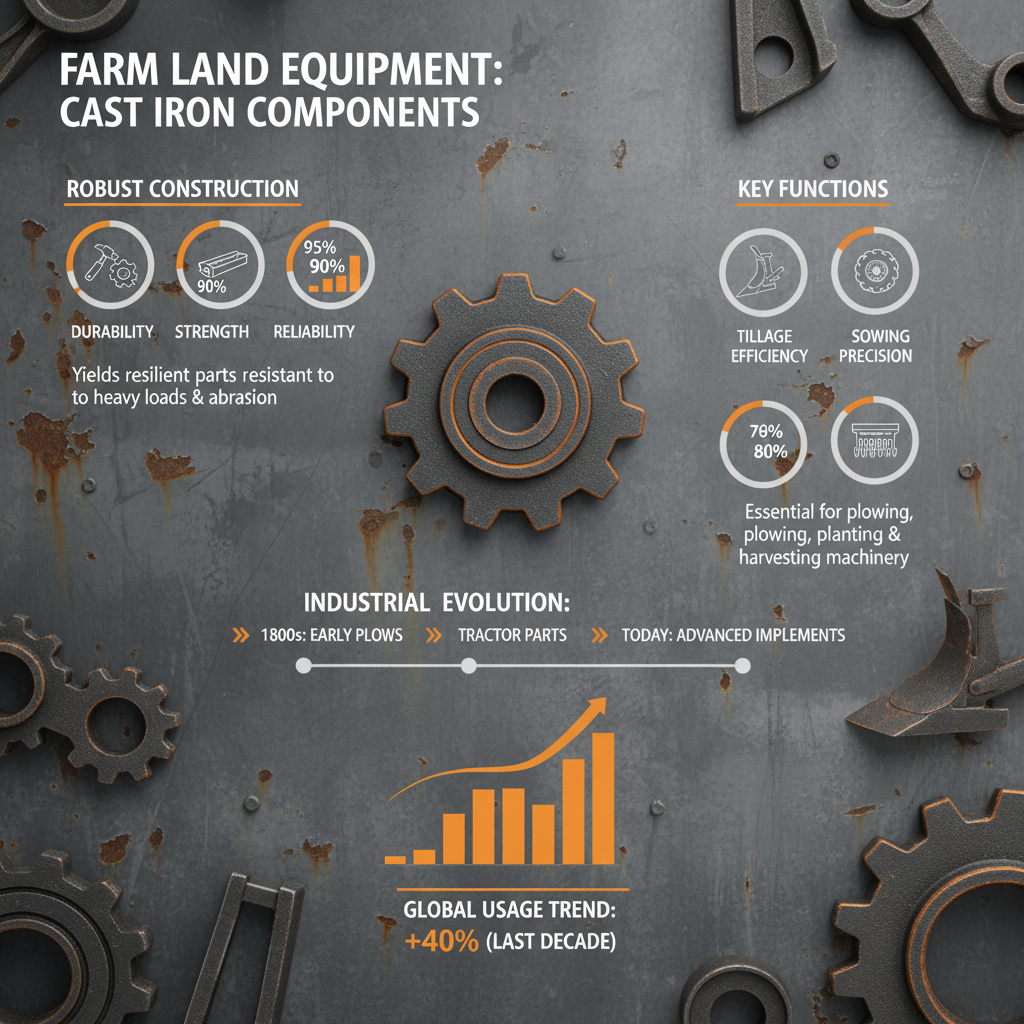
The cost of farm land equipment can be substantial. Careful budgeting and financial planning are essential. Consider options like purchasing new vs. used equipment, leasing, or financing. Evaluate the total cost of ownership, including purchase price, maintenance, fuel, and repairs. Explore government grants and incentive programs that may be available to help offset the cost of equipment.
Choosing the right farm land equipment is an investment in the future of your agricultural operation. By carefully considering your needs, budget, and maintenance requirements, you can select equipment that will enhance efficiency, increase productivity, and contribute to long-term sustainability. Don't hesitate to consult with equipment experts and leverage available resources to make informed decisions.
When selecting a tractor, consider the size of your farm, the types of tasks you’ll be performing, the terrain, and your budget. Horsepower is a key factor – larger farms and demanding tasks require more powerful tractors. Also, evaluate the tractor's features, such as transmission type, hydraulics, and optional attachments. Consider whether you need a compact tractor for smaller tasks or a row crop tractor for specialized planting and harvesting. Don't forget to factor in fuel efficiency and maintenance costs.
Regular maintenance is crucial for preventing breakdowns and extending the life of your equipment. Follow the manufacturer’s recommended maintenance schedule, which typically includes daily checks (fluid levels, tire pressure), weekly inspections, and annual servicing. Lubricate moving parts regularly, change filters and fluids as recommended, and inspect for wear and tear. Addressing minor issues promptly can prevent them from becoming major, costly repairs.
No-till farming offers several benefits, including improved soil health, reduced soil erosion, increased water infiltration, and lower fuel consumption. By minimizing soil disturbance, no-till farming preserves organic matter, enhances soil structure, and supports beneficial soil organisms. It also reduces the need for tillage equipment, saving time and money. However, it requires careful management of crop residue and weed control.
Several financing options are available for farm equipment, including loans from banks and credit unions, equipment leasing, and government-backed loan programs. The Farm Service Agency (FSA) offers various loan programs specifically for agricultural producers. Equipment manufacturers often have their own financing options as well. Compare interest rates, terms, and fees before making a decision.