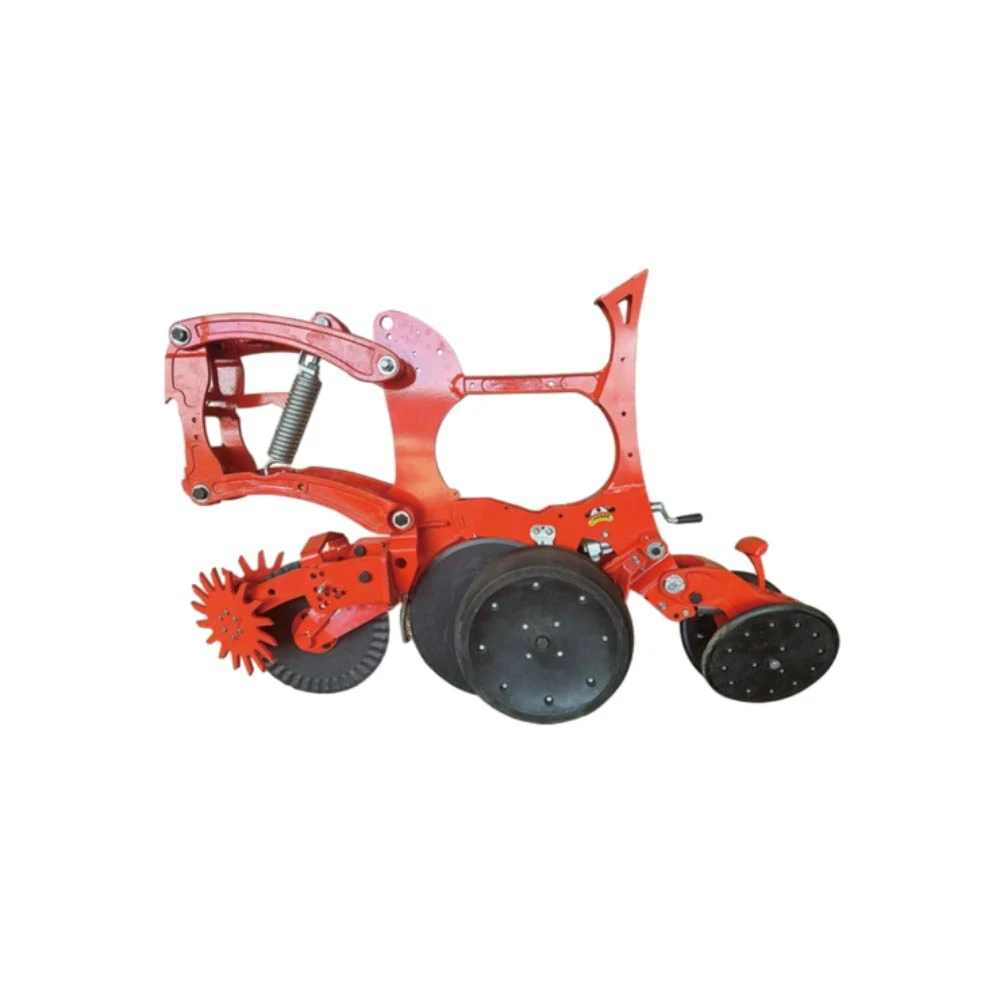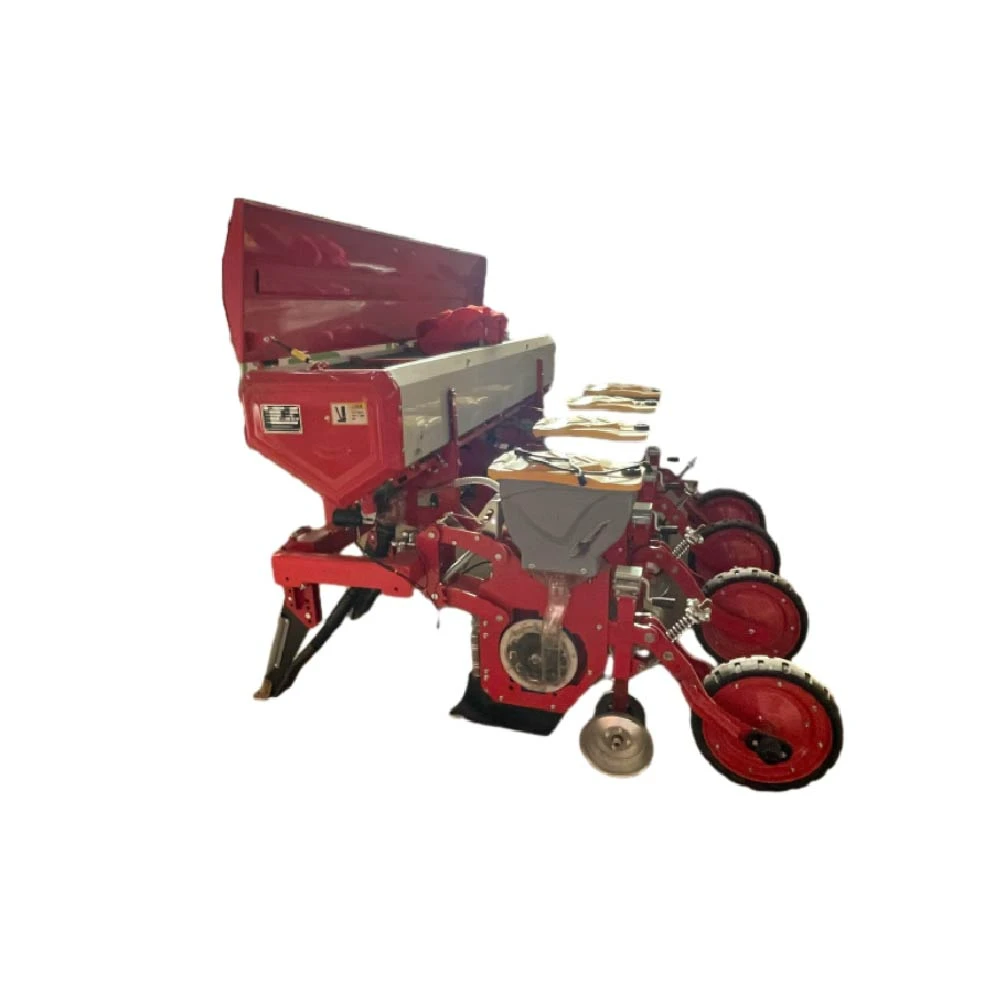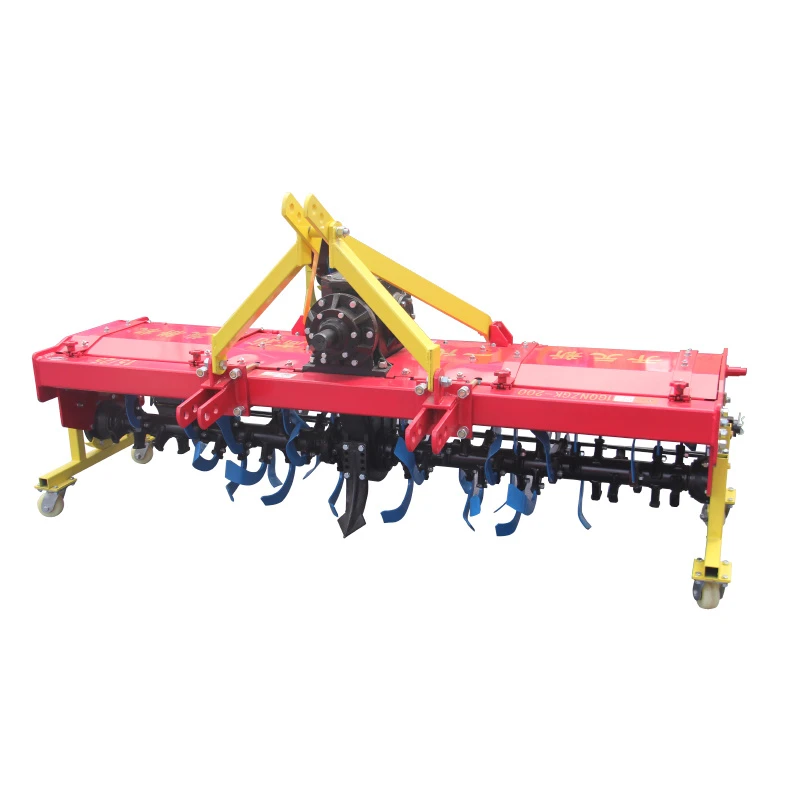
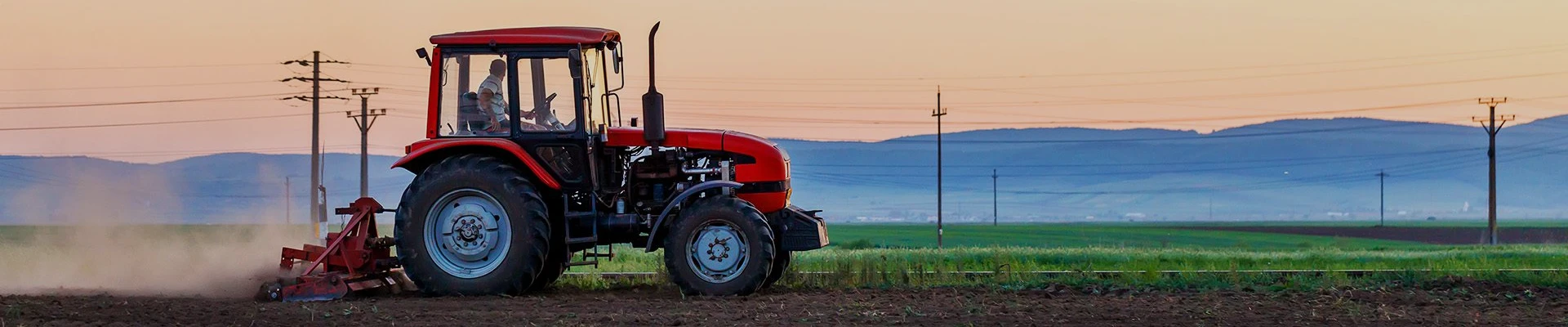
In the competitive world of modern agriculture, precision is the key to sustainability and profitability. The farm slice seeder has emerged as a revolutionary tool for farmers looking to optimize seed placement and soil health. By combining the processes of slicing and seeding into a single pass, this machinery reduces soil disturbance and enhances nutrient retention. Whether you are managing a small organic plot or a massive commercial operation, understanding how to leverage this technology can lead to significantly higher germination rates and reduced operational costs. In this guide, we will explore the mechanics, benefits, and technical specifications of high-efficiency seeding solutions.
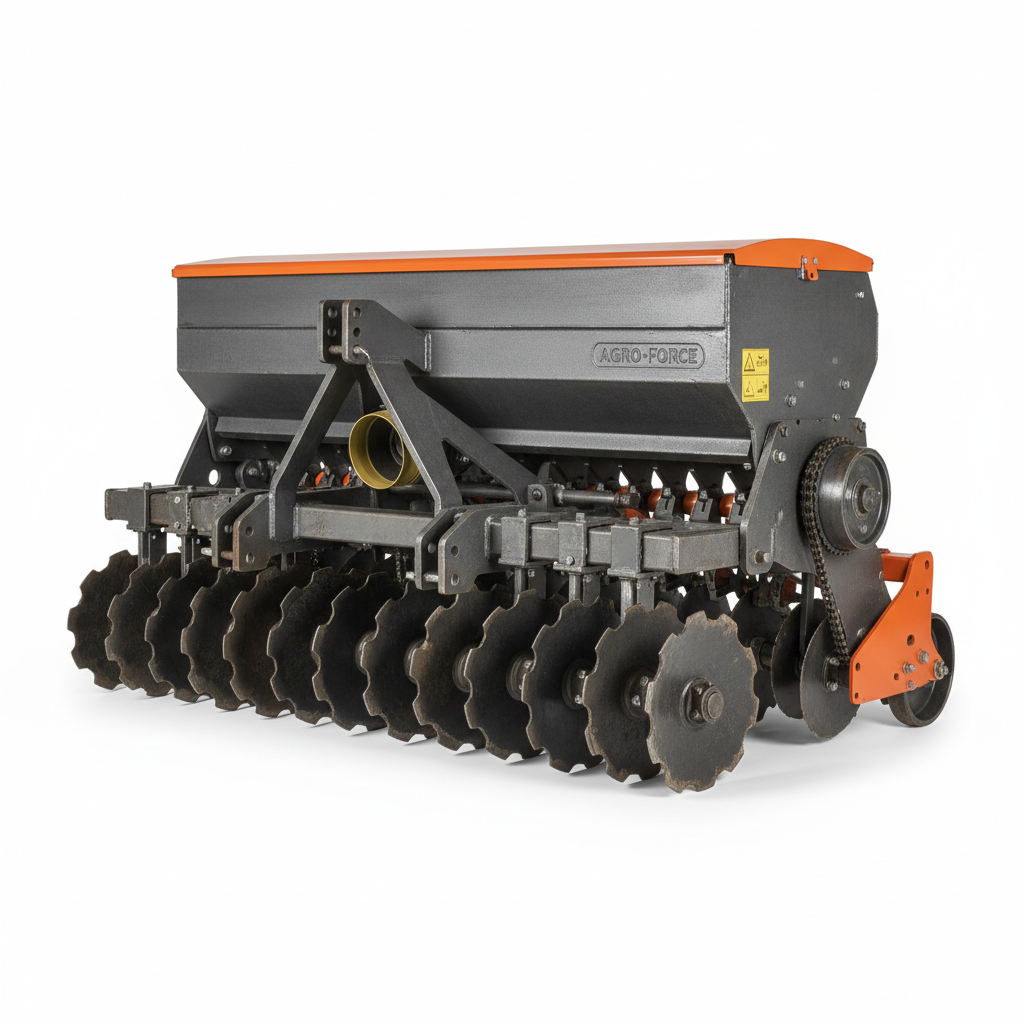
Unlike traditional plowing methods that invert the soil and disrupt the microbial ecosystem, the farm slice seeder utilizes a specialized slicing mechanism. This technology creates a narrow slot in the earth, placing the seed directly into the root zone without overturning the topsoil. This "minimum till" approach prevents moisture evaporation and protects the soil from wind erosion. By maintaining the integrity of the soil profile, farmers can observe an increase in organic matter over time, leading to more resilient crops that can better withstand drought and extreme weather conditions.
Agronomic Advantage: By minimizing soil inversion, the slicing method preserves the fungal networks (mycorrhizae) that are essential for phosphorus uptake and overall plant health.
Efficiency is the primary driver behind the adoption of the farm slice seeder. By consolidating multiple field operations into one, farmers can drastically reduce fuel consumption and labor hours. Furthermore, the precision of the slicing disc ensures that seeds are placed at a consistent depth, which is critical for uniform emergence across the field. This uniformity simplifies subsequent crop management tasks, such as weeding and harvesting, and eliminates the "patchy" growth often associated with broadcast seeding or outdated drill methods.
Operational Gains:
• Reduced Fuel Cost: Fewer passes over the field mean lower diesel expenditure.
• Higher Germination: Optimal seed-to-soil contact increases the success rate.
• Time Savings: Rapid deployment allows for seeding during tight weather windows.
• Soil Preservation: Reduced compaction protects the long-term viability of the land.
When choosing equipment, it is essential to compare the impact of different technologies on the field. Traditional seed drills often require extensive primary tillage, which strips the soil of its natural protection. In contrast, the farm slice seeder operates effectively even in residue-heavy fields (no-till). This makes it an ideal choice for cover cropping and regenerative agriculture. Below is a detailed comparison showing why the slicing method is superior for modern sustainability goals.
To get the most out of your farm slice seeder, calibration is essential. Different soil types—such as sandy loam or heavy clay—require different slicing depths and speeds. Operators should regularly inspect the slicing discs for wear and tear, as a dull blade can increase the draft force required, putting unnecessary strain on the tractor. Additionally, integrating GPS guidance systems with your seeder can eliminate overlaps and gaps, ensuring every square inch of the field is utilized efficiently.
Choosing the right model of farm slice seeder depends on your acreage and tractor horsepower. High-end models feature reinforced steel frames and precision metering systems that handle a variety of seed sizes, from small clover to larger grains. It is important to check the compatibility of the hitch system and the capacity of the seed hopper to ensure seamless operation during the planting season. The following table outlines the standard technical specifications for our professional-grade series.
To ensure your farm slice seeder lasts for decades, a strict maintenance schedule is required. After every season, the hopper should be thoroughly cleaned to prevent seed rot and moisture buildup. All moving parts, especially the bearings and the slicing discs, should be lubricated with high-grade agricultural grease. Checking for loose bolts after the first few hours of operation in a new season can prevent costly breakdowns in the middle of the planting window. Investing a small amount of time in preventative care ensures maximum uptime when every hour counts.
The adoption of a farm slice seeder represents a shift toward more intelligent, sustainable farming. By prioritizing soil health and operational efficiency, this tool allows farmers to produce more with fewer resources. From reduced fuel costs to enhanced crop resilience, the benefits are clear. As we move toward a future of regenerative agriculture, investing in precision seeding technology is no longer an option—it is a necessity for the modern grower. Explore the possibilities today and transform your harvest results.
Yes, the farm slice seeder is designed for versatility. However, the performance can vary based on soil density. In heavy clay soils, you may need to adjust the slicing depth and reduce the forward speed to ensure the slot is created cleanly without clogging. In sandy soils, a shallower depth is typically preferred to prevent the seed from being buried too deep, which could hinder emergence. Most professional models come with adjustable settings to accommodate these environmental differences.
While both aim to reduce tillage, the "slice" mechanism is often more precise than the "disc" mechanism found in standard no-till drills. Slicing creates a cleaner, narrower opening that minimizes the "V-trench" effect, which can sometimes lead to seed floating in a gap of air. By slicing the soil and placing the seed immediately, you ensure better seed-to-soil contact. This leads to more consistent moisture absorption and faster germination compared to some traditional no-till methods.
Absolutely. One of the strongest advantages of the farm slice seeder is its ability to plant directly into existing cover crop residue. Because it slices through the organic matter rather than trying to push it aside or bury it, it prevents "hairpinning" (where residue is pushed into the slot, blocking the seed). This makes it the ideal tool for farmers practicing regenerative agriculture who want to maintain a living root in the soil year-round.
The lifespan of the discs depends heavily on the abrasiveness of your soil. In soft, organic soils, discs can last for several seasons. However, in rocky or high-sand environments, wear occurs faster. We recommend using boron steel or tungsten-carbide coated discs for higher durability. Regular inspections are key; once a disc loses its sharp edge, it increases the draft load on your tractor and reduces seeding precision. Replacing worn discs promptly ensures the machine continues to operate at peak efficiency.