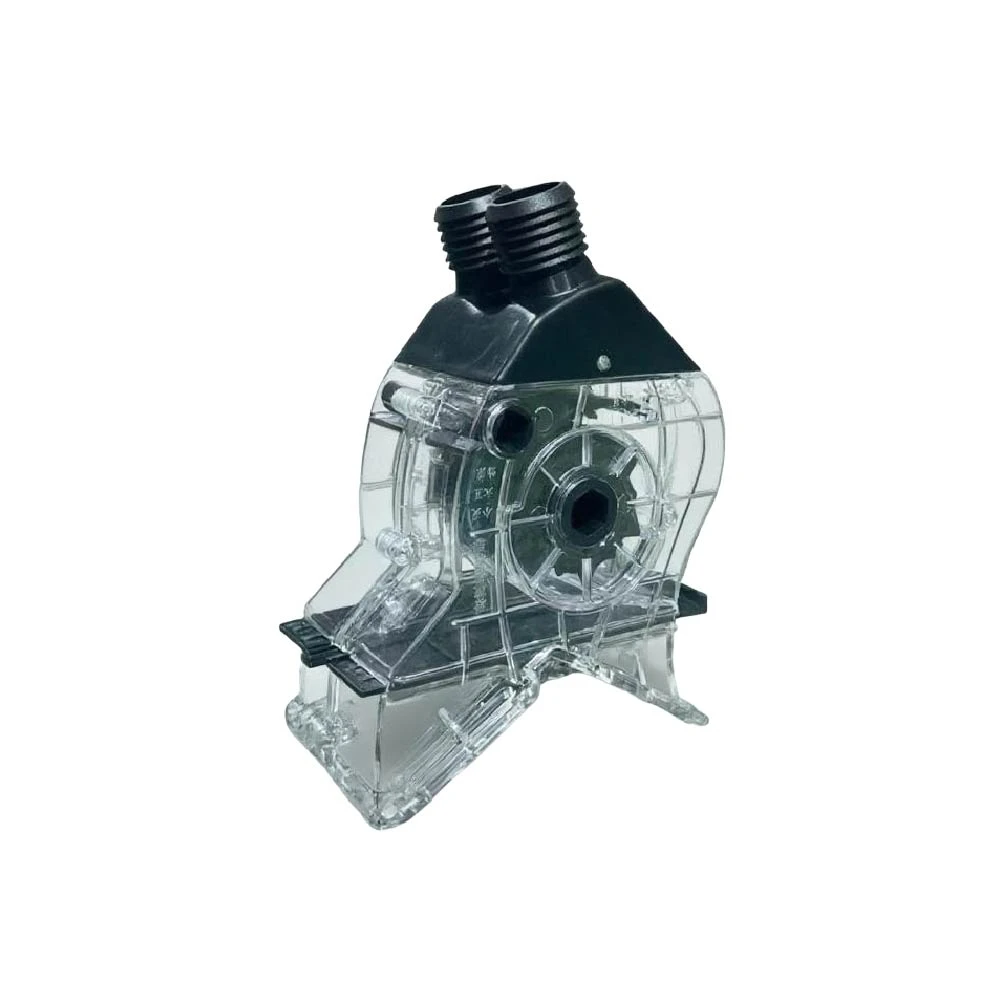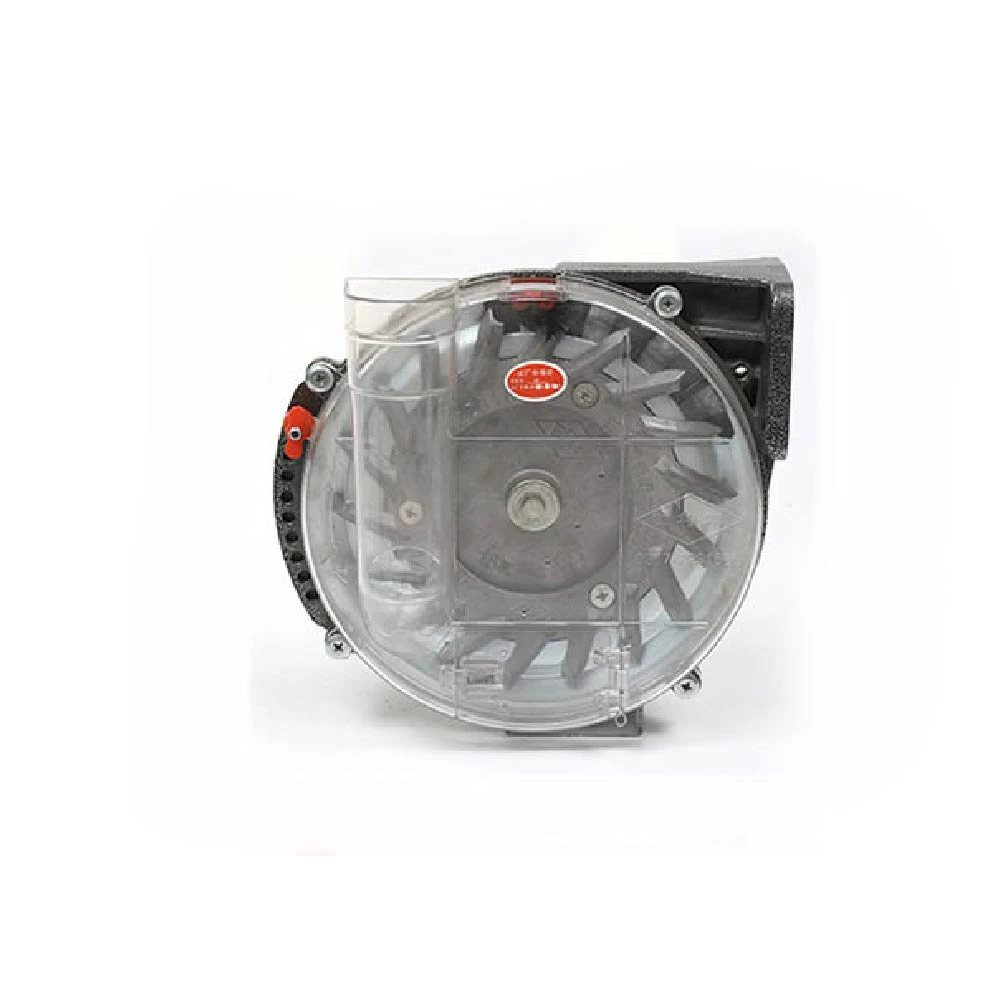
Managing agricultural residue and overgrown vegetation can be a daunting task for any landowner. Investing in a high-quality farm shredder machine is the most effective way to transform waste into organic mulch, improving soil health while maintaining a clean environment. Whether you are dealing with corn stalks, orchard prunings, or thick brush, the right equipment can reduce labor costs and increase operational efficiency. In this guide, we will explore the technical aspects, benefits, and selection criteria to help you find the perfect machinery for your specific needs.
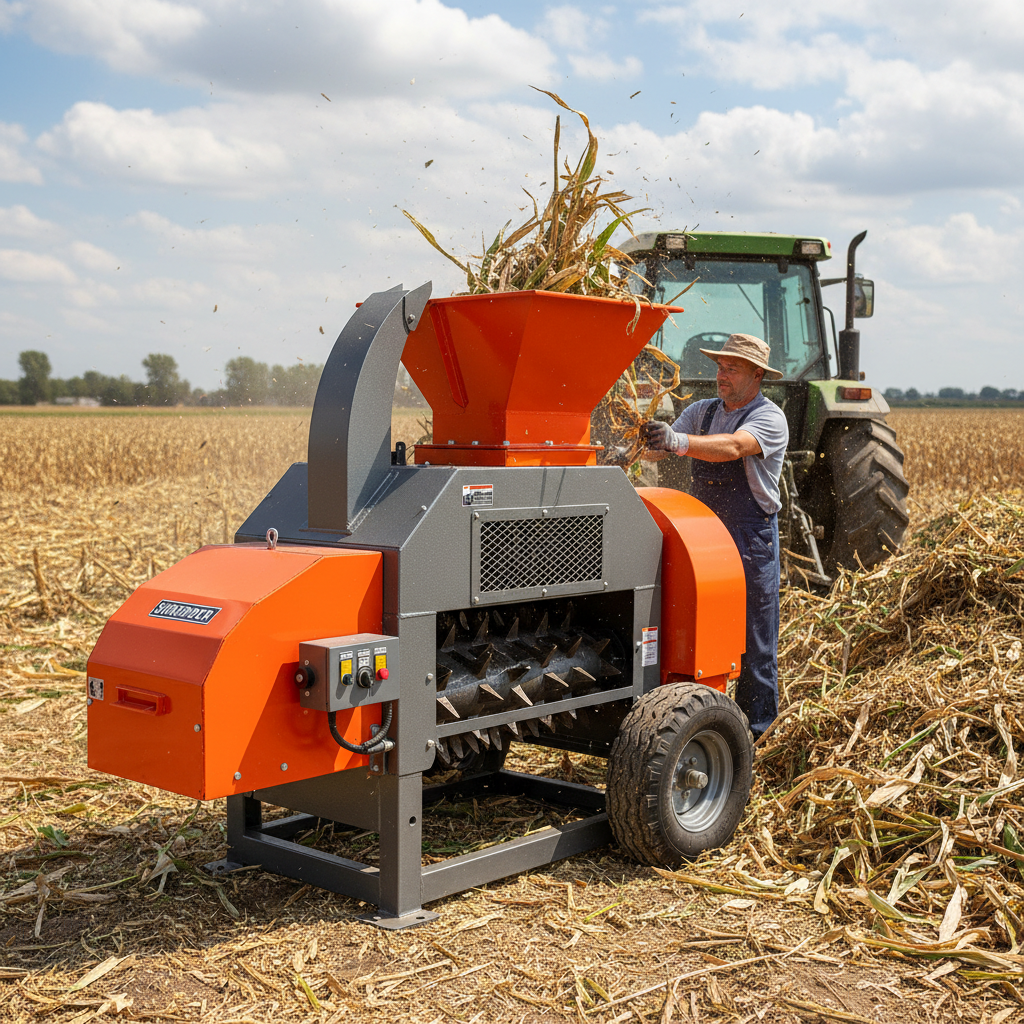
The primary function of a farm shredder machine extends beyond mere cleaning. By shredding crop residues into smaller particles, the machine accelerates the decomposition process. This organic matter returns vital nutrients like nitrogen and potassium to the soil, reducing the reliance on chemical fertilizers. Furthermore, a layer of shredded mulch helps in retaining soil moisture and suppressing weed growth, creating a more sustainable ecosystem for your crops.
Pro Tip: Shredding residues immediately after harvest prevents the buildup of pests and diseases that often hide in standing stalks and thick brush.
To ensure longevity and performance, a professional farm shredder machine is built with high-strength materials. The cutting rotor is typically forged from alloy steel to resist wear and tear. Heavy-duty bearings and a robust transmission system ensure that the machine can handle dense materials without overheating. Additionally, modern shredders often include safety guards and emergency stop mechanisms to protect the operator during high-intensity work sessions.
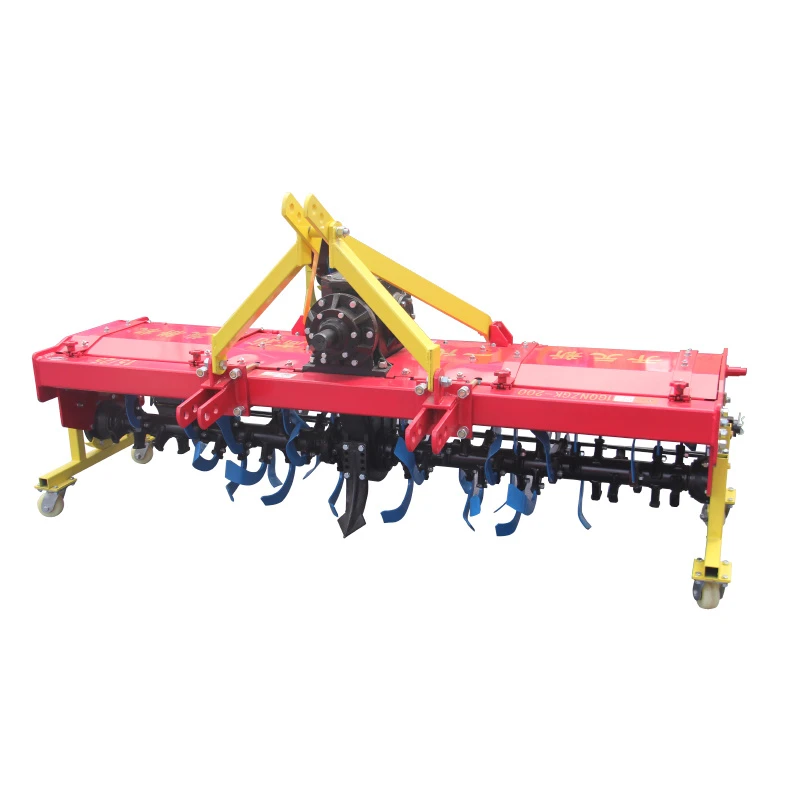
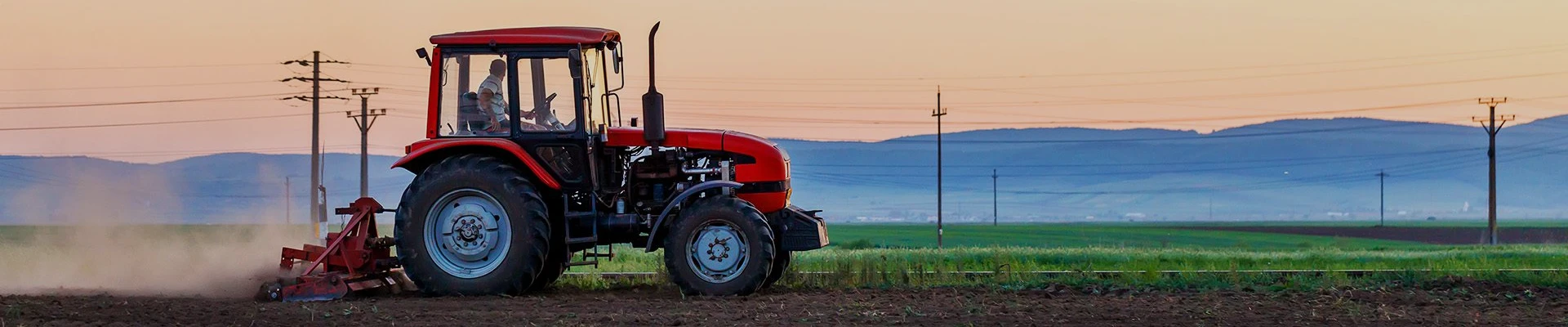
Depending on your land size and the type of biomass you need to process, you may choose between different configurations. Some farmers prefer tractor-mounted shredders for mobility, while others opt for stationary units for centralized waste processing. Understanding the difference in cutting torque and processing capacity is essential for maximizing your return on investment.
When browsing the catalog at Langningam, you will notice that specifications vary based on the capacity requirements. Key metrics such as cutting width, rotor speed, and hammer material determine how the machine handles different plant textures. Below is a typical specification table for a mid-range model.
To keep your farm shredder machine operating at peak performance, a strict maintenance schedule is required. First, always inspect the cutting blades for chips or dullness after every 50 hours of operation. Sharpening the blades reduces the load on the engine and ensures a cleaner cut. Second, lubricate all grease points to prevent friction-induced wear. Finally, ensure that the debris discharge chute is clear of blockages to avoid dangerous back-pressure.
Transitioning from burning agricultural waste to using a farm shredder machine has a profound positive impact on the environment. Burning stalks releases significant carbon emissions and particulate matter into the atmosphere. Shredding, conversely, sequesters carbon back into the earth. This practice not only reduces air pollution but also prevents soil erosion by providing a protective cover for the ground during the off-season.
Choosing a high-performance farm shredder machine is an investment in the future of your land. By converting waste into wealth, you improve soil structure, protect the atmosphere, and streamline your workflow. Whether you prioritize mobility or sheer processing power, the right machine from a trusted provider will ensure your farm remains productive and sustainable for years to come. Invest in quality equipment today for a greener tomorrow.
A professional farm shredder is designed to handle a wide variety of organic biomass. This includes corn stalks, wheat straw, grapevines, apple tree prunings, and thick brush. Some heavy-duty models are even capable of shredding small branches and soft-wood limbs. However, it is crucial to ensure that no metal, large stones, or synthetic plastics enter the machine, as these can damage the cutting blades and compromise the internal gearbox.
Selecting the correct horsepower depends on the density of the material and the width of the shredder. For light residues like straw in a small field, 30-50HP is generally sufficient. However, if you are shredding thick woody brush or using a wide-cut rotor (over 2 meters), you will likely need 70HP to 100HP. Using a machine with insufficient power can lead to frequent clogging and excessive wear on your tractor's transmission.
Yes, in most cases, shredded residue is highly beneficial when left on the field. This process is known as "mulching." The smaller pieces decompose much faster than whole stalks, releasing nutrients into the soil and preventing wind erosion. The only exception is if the material is heavily infested with specific pests or diseases; in such rare cases, specialized processing or removal may be recommended by an agronomist.
Blade lifespan varies based on the abrasiveness of the material. For soft organic waste, blades may last several seasons with occasional sharpening. However, if you frequently shred materials mixed with sandy soil or hard wood, you may need to replace them annually. We recommend a thorough inspection every 50-100 operating hours. Replacing dull blades promptly ensures the farm shredder machine remains energy-efficient and produces a consistent mulch size.