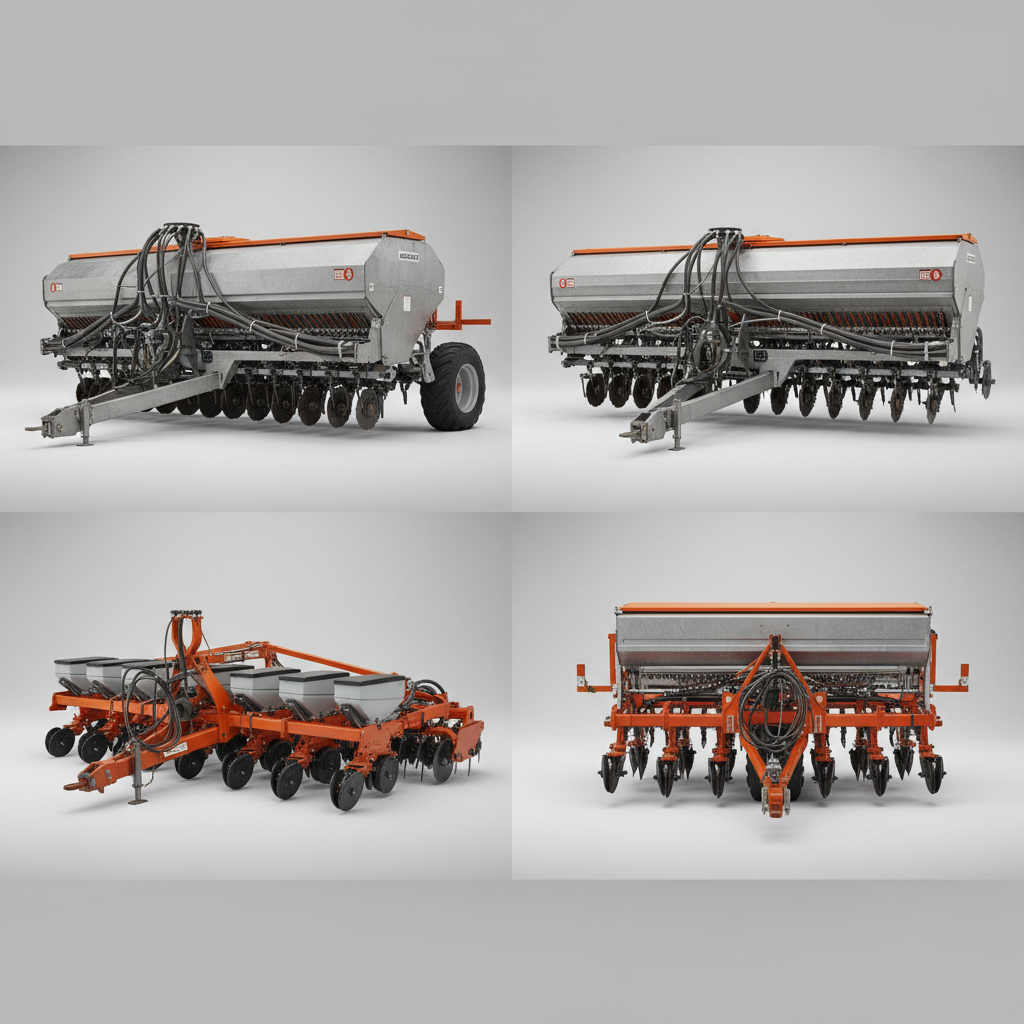
Understanding farm machinery prices is crucial for agricultural businesses globally. Fluctuating costs directly impact farm profitability, investment decisions, and the overall food supply chain. Accurate price assessments are vital for farmers seeking to optimize their operations and ensure sustainable agricultural practices. This comprehensive guide delves into the intricacies of farm machinery costs, helping stakeholders make informed choices.
The agricultural machinery market is a multi-billion dollar industry, experiencing continuous innovation and evolving price dynamics. Factors like raw material costs, manufacturing efficiencies, technological advancements, and global trade policies all contribute to the complex landscape of farm machinery prices. Staying abreast of these changes is paramount for both buyers and sellers.
For farmers, knowing the prevailing farm machinery prices isn't simply about finding the cheapest option. It's about assessing the long-term value, considering factors like durability, maintenance costs, and potential for increased productivity. Effective budget planning and access to financing are also intrinsically linked to understanding current market conditions.
The Significance of Farm Machinery Prices
The cost of agricultural machinery is a fundamental driver of food production expenses. Accurate assessment of farm machinery prices empowers farmers to optimize their capital investments, ultimately impacting food affordability for consumers. Price volatility can create significant challenges, requiring proactive planning and risk management strategies.
Globally, the FAO (Food and Agriculture Organization of the United Nations) reports that investment in agricultural machinery is critical for improving farm productivity and achieving food security. Understanding current price trends, particularly in developing nations, is vital for ensuring equitable access to modern farming technologies.
Defining Farm Machinery Prices
Farm machinery prices represent the total cost associated with acquiring agricultural equipment, encompassing not just the initial purchase price but also associated expenses like shipping, installation, and initial training. This also includes potential financing charges and insurance costs.
This concept is intrinsically linked to modernizing agricultural practices. As farms strive for greater efficiency and yields, investment in advanced machinery becomes essential. Accurate pricing models allow farmers to determine the return on investment (ROI) for new equipment, driving more informed decision-making.
It’s not simply a financial transaction, but a vital component in supporting global food production and humanitarian efforts. Access to affordable machinery, especially in regions facing food insecurity, can significantly improve agricultural output and livelihoods.
Core Factors Influencing Farm Machinery Prices
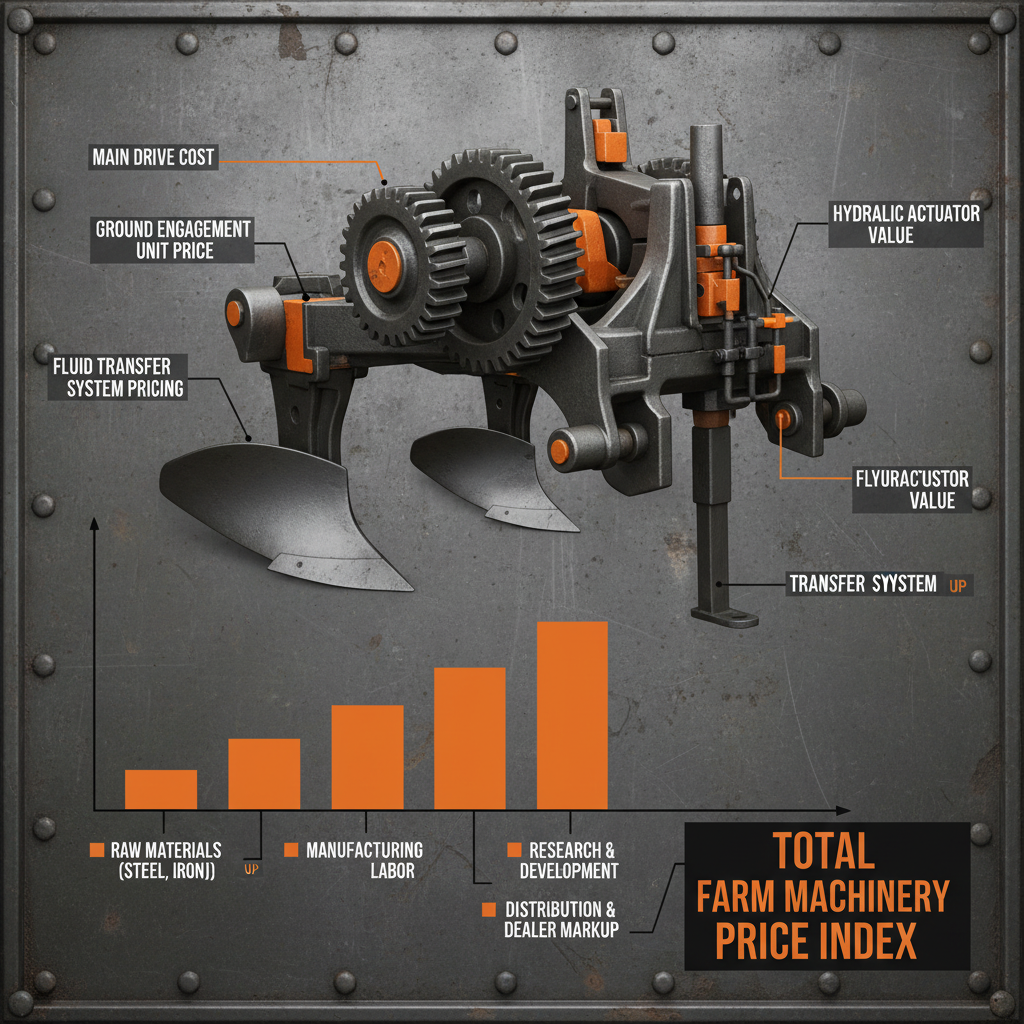
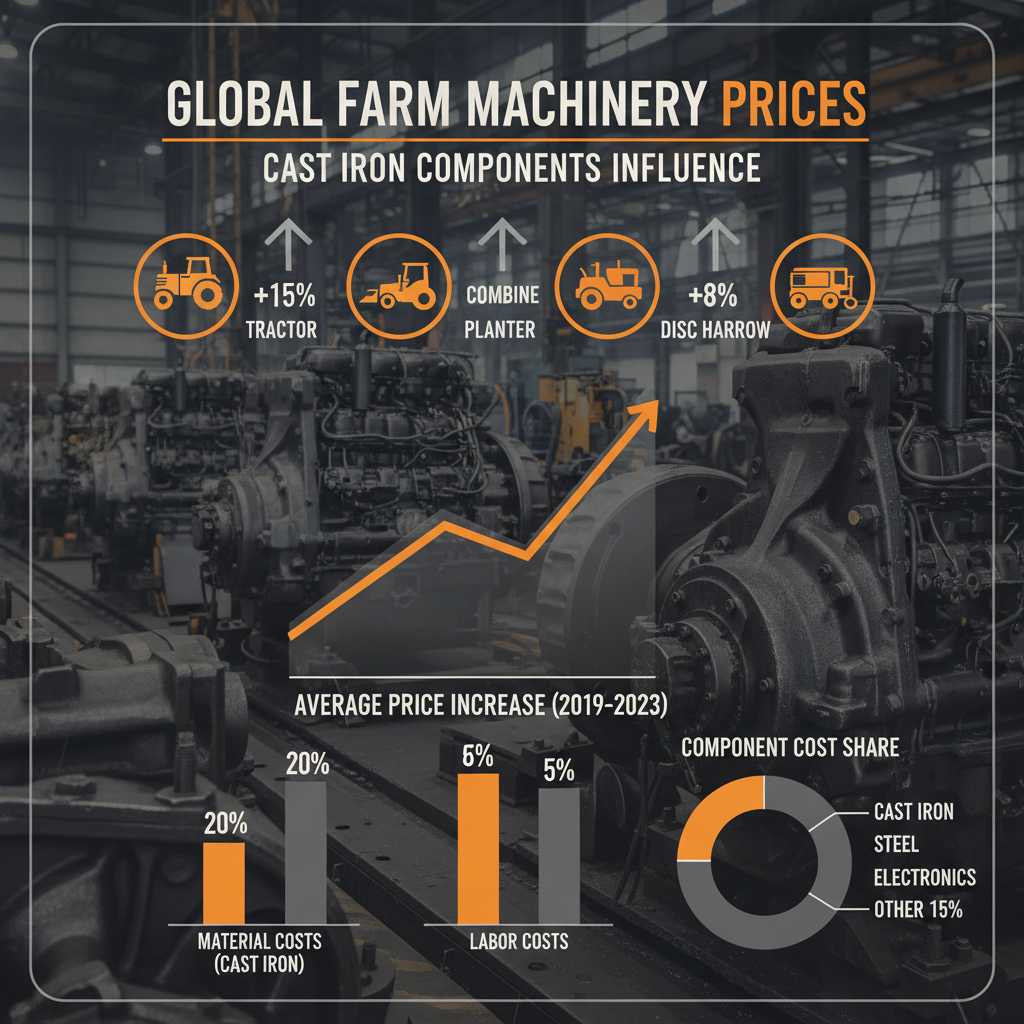
Several key factors contribute to the fluctuating farm machinery prices. Raw material costs (steel, aluminum, plastics) are a major driver, influenced by global commodity markets. Manufacturing efficiency and economies of scale also play a significant role, with larger manufacturers often able to offer more competitive pricing.
Technological advancements drive price increases, as newer machines often incorporate sophisticated features like GPS guidance, automated systems, and precision farming technologies. The level of automation and the integration of smart technology directly impact the final cost. Demand and supply dynamics, influenced by seasonal farming cycles and regional economic conditions, also impact prices.
Finally, government policies, including tariffs, subsidies, and emissions regulations, can significantly affect farm machinery prices. Trade agreements and international relations also impact the cost of imported equipment. Currency exchange rates also play a role, impacting the pricing of imported machinery and components.
Global Applications and Market Trends
The application of informed farm machinery prices analysis is evident across diverse agricultural landscapes. In North America and Europe, large-scale commercial farms rely heavily on sophisticated machinery, driving demand for high-tech, high-capacity equipment.
In emerging economies like India and Brazil, the focus is often on more affordable, robust machinery suitable for smaller farms. Government initiatives providing subsidies and financing options are crucial in making modern equipment accessible to a wider range of farmers.
In post-disaster relief operations, rapidly deployable agricultural machinery can be instrumental in restoring food production and supporting affected communities. In remote industrial zones, adaptable and durable machinery is essential for establishing sustainable agricultural systems.
Comparison of Farm Machinery Pricing Models
Advantages of Informed Pricing
A clear understanding of farm machinery prices yields tangible benefits. Farmers can optimize their budgets, securing the best possible value for their investments. Cost savings translate to increased profitability and improved financial stability.
Furthermore, informed pricing supports sustainable agricultural practices. By carefully evaluating the long-term costs and benefits of different machinery options, farmers can choose equipment that minimizes environmental impact and promotes resource efficiency.
Future Innovations in Machinery Pricing
The future of farm machinery prices is likely to be shaped by several key trends. The integration of artificial intelligence (AI) and machine learning (ML) will enable more dynamic and personalized pricing models, reflecting real-time market conditions and individual farm needs.
Blockchain technology could improve transparency and traceability in the supply chain, reducing transaction costs and ensuring fair pricing practices. The rise of precision agriculture and the demand for specialized equipment will also drive innovation in pricing strategies.
The adoption of green technologies and sustainable manufacturing practices will also influence pricing, as environmentally friendly machinery may command a premium. Government incentives and regulations promoting sustainable agriculture will further shape these trends.
Challenges and Solutions in Farm Machinery Pricing
Despite advancements, challenges remain in navigating the complex world of farm machinery prices. Price volatility, influenced by global economic factors and geopolitical events, can create uncertainty for farmers. Access to financing and the availability of affordable credit can also be barriers to adoption.
To address these challenges, innovative solutions are needed. Developing price hedging strategies and risk management tools can help farmers mitigate price fluctuations. Expanding access to microfinance and government-backed loan programs can improve affordability.
Promoting price transparency through online marketplaces and industry data platforms can empower farmers to make informed decisions. Collaboration between manufacturers, dealers, and farmers is essential for creating a more equitable and sustainable pricing ecosystem.
Summary of Key Challenges and Solutions in Farm Machinery Pricing
| Challenge |
Impact on Farmers |
Potential Solution |
Implementation Difficulty (1-5) |
| Price Volatility |
Increased financial risk, difficulty in budgeting |
Price hedging, future contracts |
3 |
| Limited Access to Financing |
Inability to upgrade equipment, reduced productivity |
Microfinance, government loan programs |
4 |
| Lack of Price Transparency |
Difficulty comparing prices, potential for unfair deals |
Online marketplaces, industry data platforms |
2 |
| Supply Chain Disruptions |
Delayed deliveries, increased costs |
Diversified sourcing, strategic inventory management |
3 |
| Complexity of New Technologies |
High initial investment, need for specialized training |
Subsidies for technology adoption, training programs |
4 |
| Fluctuating Raw Material Costs |
Increased manufacturing costs, higher prices |
Long-term supply contracts, material sourcing diversification |
3 |
FAQS
In 2024, several factors are heavily influencing farm machinery prices. These include ongoing global supply chain disruptions, rising raw material costs (particularly steel and aluminum), increasing demand for technologically advanced features like precision farming capabilities, and labor shortages within the manufacturing sector. Geopolitical instability also plays a role, impacting trade flows and material availability. Understanding these factors is critical for making informed purchasing decisions.
Assessing the total cost of ownership extends beyond the initial purchase price. Farmers should consider factors like fuel consumption, maintenance costs (including parts and labor), repair expenses, insurance premiums, potential downtime, and the machine's expected lifespan. Analyzing historical data, consulting with experienced mechanics, and requesting detailed cost projections from dealers can help create a comprehensive cost assessment. Don't forget to factor in depreciation.
Technology is a major driver of both increased and potentially decreased farm machinery prices. While advanced features like GPS guidance, automated systems, and data analytics initially increase costs, they also offer the potential for greater efficiency and productivity, leading to long-term savings. The development of more affordable sensor technologies and AI-powered solutions may eventually help reduce overall costs. The shift towards electrification is also playing a growing role.
Yes, many governments offer programs and incentives to support farmers in acquiring new machinery. These can include grants, low-interest loans, tax credits, and cost-sharing programs. The availability of these programs varies by region and country, so it's essential to research local and national initiatives. Agricultural extension offices and industry associations can provide valuable information on available funding options.
Currency exchange rates can significantly impact the prices of imported farm machinery. A weaker domestic currency relative to the exporting country's currency will make imported machinery more expensive. Conversely, a stronger domestic currency will make imported machinery more affordable. Fluctuations in exchange rates can create uncertainty and require careful consideration when making purchasing decisions.
Effective negotiation requires research and preparation. Obtain quotes from multiple dealers, compare specifications and features, and understand the current market value of the machinery. Be prepared to discuss financing options and potential discounts. Building a strong relationship with the dealer and demonstrating a willingness to commit can often lead to better pricing. Timing your purchase during slower sales periods can also yield favorable results.
Conclusion
In conclusion, understanding farm machinery prices is paramount for the sustained success of agricultural operations. From raw material costs and technological advancements to global economic factors and government policies, a multitude of forces shape the cost landscape. By carefully considering these factors, farmers can make informed investment decisions, optimizing their budgets and maximizing their productivity.
Looking ahead, embracing innovation, exploring sustainable financing options, and fostering transparency in the supply chain will be crucial for navigating the evolving world of farm machinery pricing. Visit our website at www.langningam.com to explore our range of farm machinery parts, field cultivators, and seeding equipment, and discover how we can help you optimize your agricultural operations.