You know, these days everyone's talking about automation, right? It's all anyone at the trade shows will buzz about. Honestly, I'm tired of hearing it. It's not like robots are going to magically appear and do all the work for us overnight. But the trend is definitely towards precision seeding – getting the right amount of carrot seed, evenly spaced, without wasting a single one. Waste is money, plain and simple. And frankly, farmers aren’t willing to throw money away.
What I’ve noticed is a lot of these new designs… they look great on paper, real slick in the brochures, but they don’t account for dirt. Seriously. You design a hopper assuming perfectly dry seed, then you get out to a farm in, say, Oregon, in November… and it’s all mud and moisture. Seed clumping, everything jamming up. I’ve seen it a hundred times. The devil is in the details, they always say, and those details are usually…muddy.
And then there’s the materials. We’re leaning heavily into stainless steel these days, naturally. Gotta have that corrosion resistance, especially with the fertilizers folks are using. But it’s not just about the grade of steel. It’s the finish. A rough finish will just grab onto seed and cause build-up. I encountered this at a factory in Shandong province last time; they were using a brushed finish that looked okay, but felt… scratchy, you know? The seed just clung to it. We had to insist on a polished finish, even though it added to the cost.
The Growing Demand for Precision Carrot Seeding
To be honest, the demand for a good carrot seeder for sale is only going up. Folks are realizing they can get better yields, reduce waste, and save money in the long run. It’s not just the big commercial farms, either. Smaller operations, even market gardeners, are seeing the benefit.
It's about efficiency, you see. Manpower is expensive. Time is money. If you can get a machine that consistently delivers accurate seed placement, you’re going to be ahead of the game. And with the price of fertilizer these days, you don't want to be over-seeding and wasting money on unnecessary nutrients.
Design Pitfalls and Real-World Challenges
Have you noticed how many seeders have overly complicated metering systems? Gears within gears, little flaps, adjustable dials… it's a nightmare to troubleshoot. Give me something simple and robust any day. I’ve seen those fancy pneumatic systems fail in the field, and trying to fix them with a wrench and duct tape… well, it’s not pretty. Simple mechanical systems, well-maintained, tend to last longer.
Another thing is frame rigidity. If the frame flexes too much, your seed depth is going to be inconsistent. You need a solid, well-welded frame that can handle uneven terrain. And the seed tubes – they need to be smooth inside, no ridges or obstructions. Otherwise, the seed gets stuck. It sounds obvious, but you'd be surprised how often this gets overlooked.
Strangely enough, a lot of designers forget about cleaning. A seeder that's difficult to clean is a seeder that's going to have problems with seed build-up and inconsistent performance. Quick-release access panels are a must. I once spent an entire afternoon trying to clean out a seeder that hadn't been designed with cleaning in mind. Never again.
Materials Matter: Beyond Stainless Steel
We’ve moved beyond just using stainless steel for the seed handling components. Now we’re looking at specialized polymers, too. Polypropylene, for instance, is lightweight, durable, and doesn’t react with most seeds or fertilizers. It has a slightly… plasticky smell, I suppose, but it's a small price to pay for the benefits.
For the frame, we’re using a high-strength carbon steel, with a powder coat finish for added corrosion resistance. Powder coating is far superior to paint; it's much more durable and doesn’t chip easily. I encountered a situation at a farm in California where a painted frame rusted through after just one season. The farmer wasn’t happy, to say the least.
And don’t forget the bearings! Sealed bearings are essential, especially in dusty environments. You don’t want grit getting into the bearings and causing them to seize up. That’s a major headache.
Rigorous Testing: From the Field to the Factory
Look, lab tests are fine, but they don’t tell the whole story. You need to test these seeders in real-world conditions. That means taking them out to farms, running them through different types of soil, and seeing how they perform.
We have a dedicated test plot where we simulate various field conditions: dry soil, wet soil, rocky soil, even slightly sloped terrain. We measure seed spacing accuracy, depth consistency, and overall throughput. We also run endurance tests, operating the seeder for hours on end to identify any potential weak points.
Carrot Seeder Performance Metrics
Actual Use Cases: Beyond the Brochure
I’ve seen these seeders used in everything from large-scale commercial carrot farms to small organic operations. One guy was using it to seed cover crops between rows of fruit trees. Smart thinking, really. It’s versatile enough to handle a variety of seed sizes and types.
We've also had some customers use them for precision planting of other root vegetables like radishes and beets. The key is to adjust the metering system correctly for the specific seed size. It's not always plug-and-play; sometimes you need to fine-tune it.
Advantages and Customization Options
The biggest advantage of a well-designed carrot seeder for sale is, without a doubt, reduced seed waste. That translates directly into cost savings. Plus, consistent seed spacing leads to more uniform plant growth and higher yields. It’s just good economics.
We also offer a range of customization options. For example, we can add a fertilizer applicator to the seeder, allowing you to apply fertilizer at the same time as you're seeding. We can also customize the hopper size to suit your specific needs. Last month, a small boss in Shenzhen who makes smart home devices insisted on changing the interface to ...and the result was a week of headaches getting it to work reliably in the field. Sometimes, sticking with the tried and true is the best approach.
A Real-World Case Study and Material Breakdown
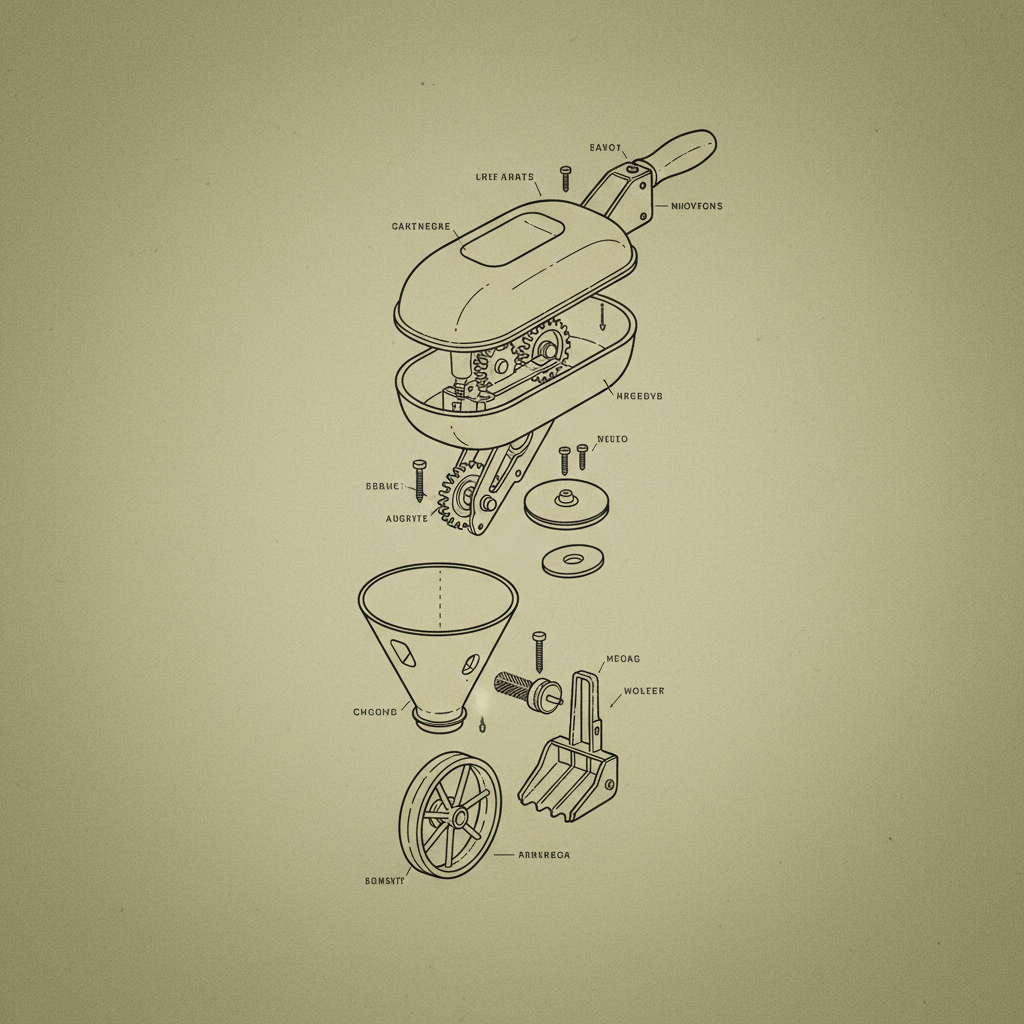
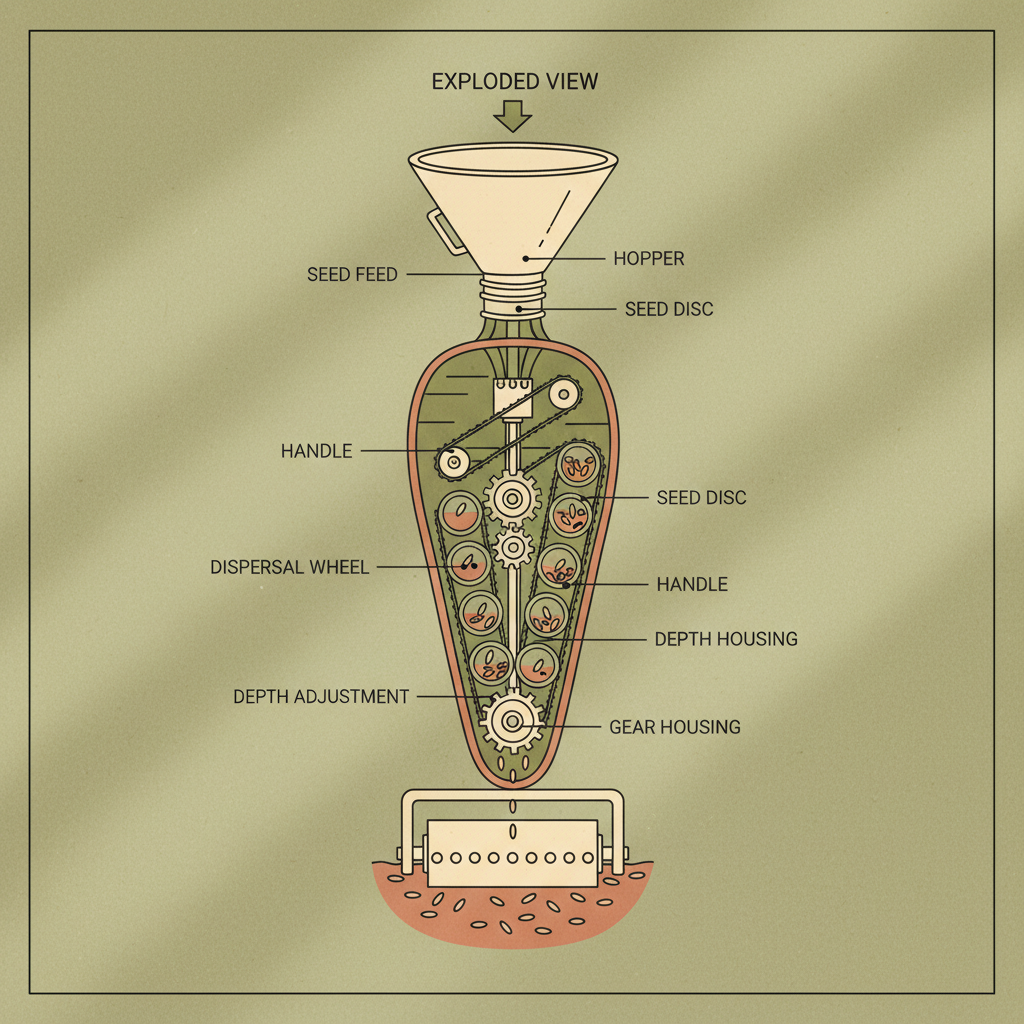
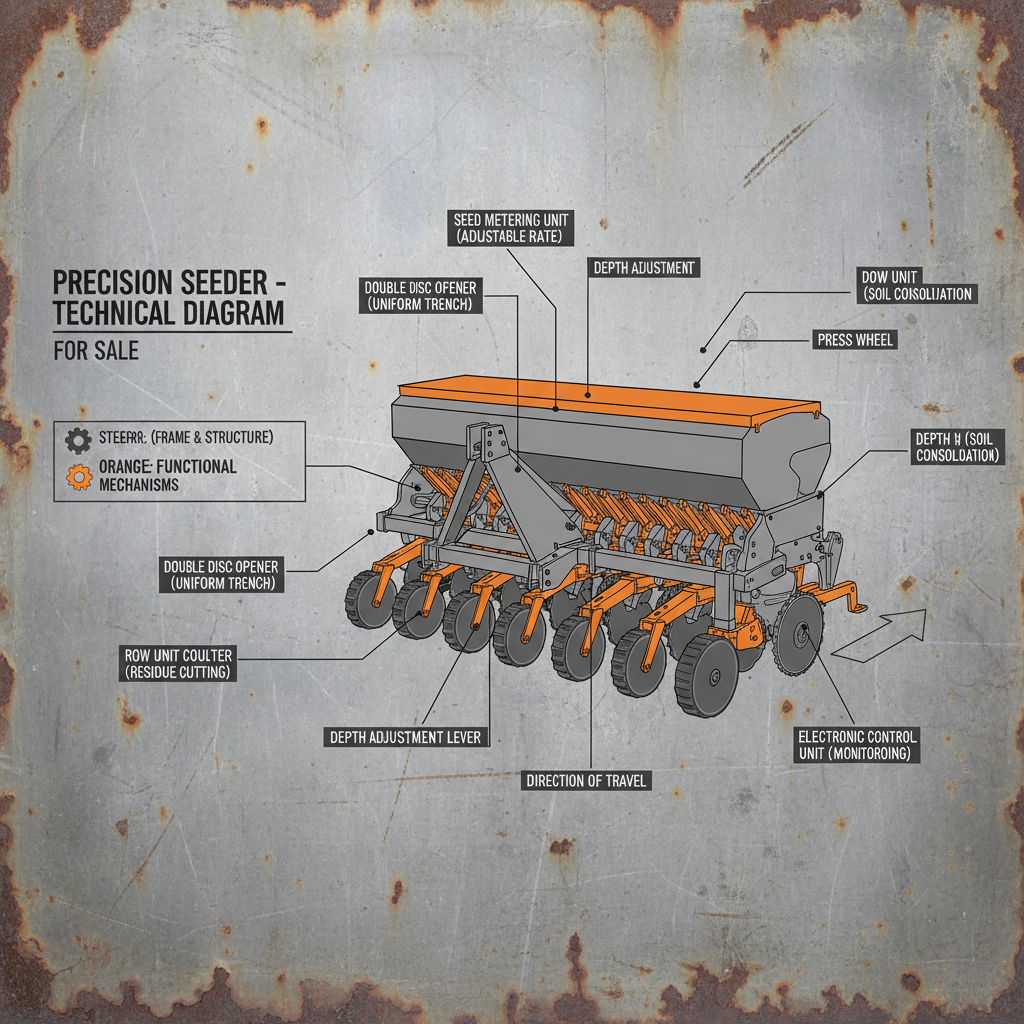
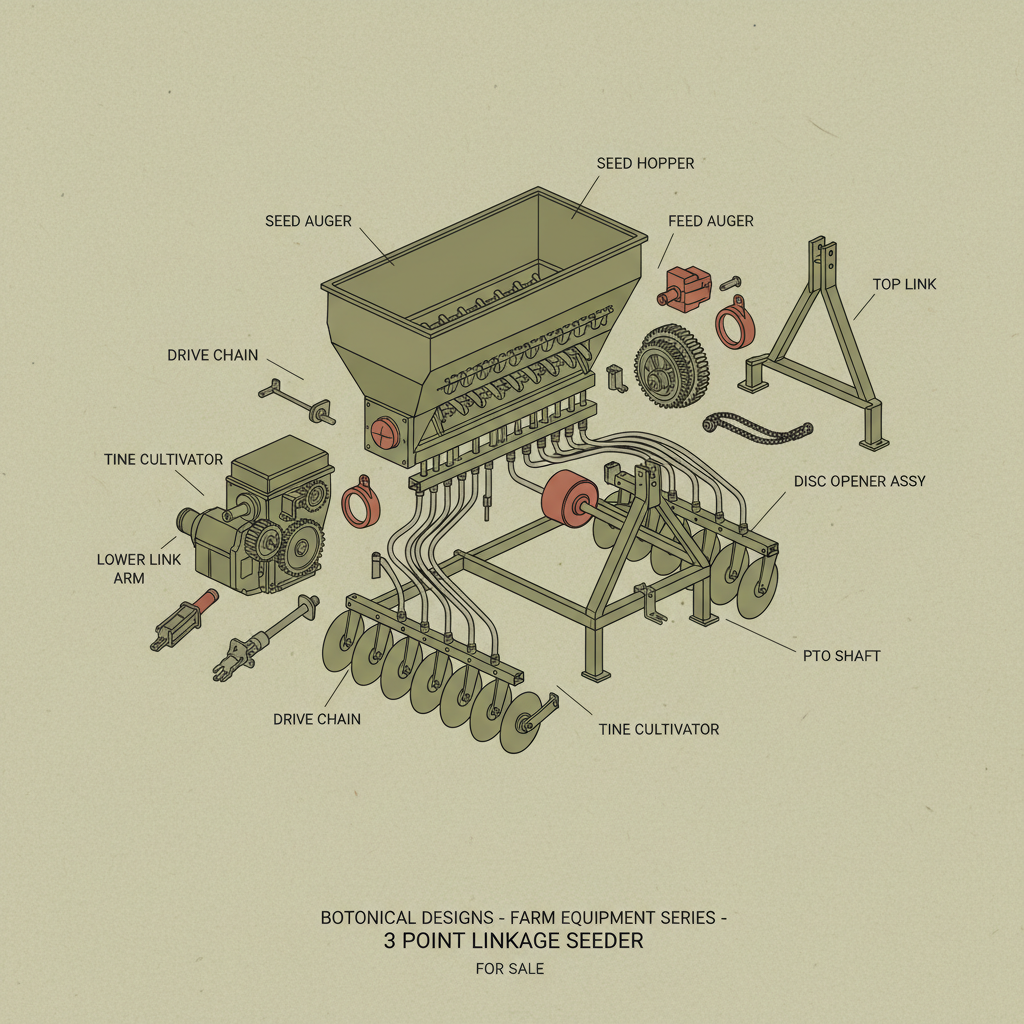
Anyway, I think it’s important to understand the components. The seed metering system, obviously, is crucial. We're using a fluted roller design – it’s simple, reliable, and provides accurate seed metering. The hopper is made from a high-density polyethylene, it's tough and won't crack easily.
The frame is constructed from a rectangular steel tubing, and all welds are inspected for quality. We also use a lot of galvanized hardware to prevent rust.
Here's a quick breakdown of key materials:
Key Material Breakdown for Carrot Seeder Construction
| Component |
Material |
Key Properties |
Cost (Relative) |
| Hopper |
High-Density Polyethylene (HDPE) |
Impact Resistant, UV Stable, Lightweight |
Low |
| Frame |
Carbon Steel |
High Strength, Weldable, Durable |
Medium |
| Metering System |
Stainless Steel |
Corrosion Resistant, Precise |
High |
| Bearings |
Sealed Ball Bearings |
Low Friction, Long Life |
Medium |
| Seed Tubes |
Polypropylene |
Smooth Interior, Flexible |
Low |
| Hardware |
Galvanized Steel |
Rust Resistant |
Low |
FAQS
That depends heavily on maintenance and conditions, but with proper care – regular cleaning, lubrication, and storage – you can realistically expect 5-10 years of solid use. Ignoring it? Maybe a season or two. It's like a tractor; treat it right, and it’ll treat you right.
Our models feature a simple adjustment mechanism. You typically change the fluted roller, swapping it out for one with a different pitch. It takes about 15-20 minutes, and a basic set of tools. We include detailed instructions, of course. The key is to start with a small adjustment and test it out – you don't want to overcorrect.
Absolutely. We specifically designed the seed handling system to be compatible with a wide range of seed sizes and coatings, including organic seeds. The materials used don't react with organic treatments, and the smooth surfaces minimize seed damage. Just be sure to clean it thoroughly after each use to prevent build-up.
It performs well in most soil types, but it's really shines in well-tilled, loose soil. Rocky or heavily compacted soil will require more preparation. A good rule of thumb is if you can easily work the soil with a hand tool, the seeder will likely work well too. We recommend doing a test run in a small area first to assess performance.
We offer a one-year warranty on all manufacturing defects. That covers things like faulty welds or malfunctioning components. It doesn’t cover wear and tear from normal use, or damage caused by improper maintenance. We’re pretty fair about it, though. If something breaks within a reasonable timeframe and it’s clearly a manufacturing issue, we’ll take care of it.
Those automated systems are great for large-scale operations, no doubt. But they come with a hefty price tag and require a lot of maintenance and expertise to operate. Our seeders offer a sweet spot between affordability and performance, particularly for smaller to medium-sized farms. They’re reliable, easy to use, and don't require a degree in robotics to keep running.
Conclusion
Ultimately, a good carrot seeder for sale boils down to simplicity, durability, and precision. It's about getting the seed in the ground accurately and consistently, minimizing waste, and maximizing yield. The materials, the design, the testing – it all matters.
But here's the thing: all the fancy engineering in the world won’t matter if the worker on the ground doesn't trust the machine. Ultimately, whether this thing works or not, the worker will know the moment he tightens the screw.