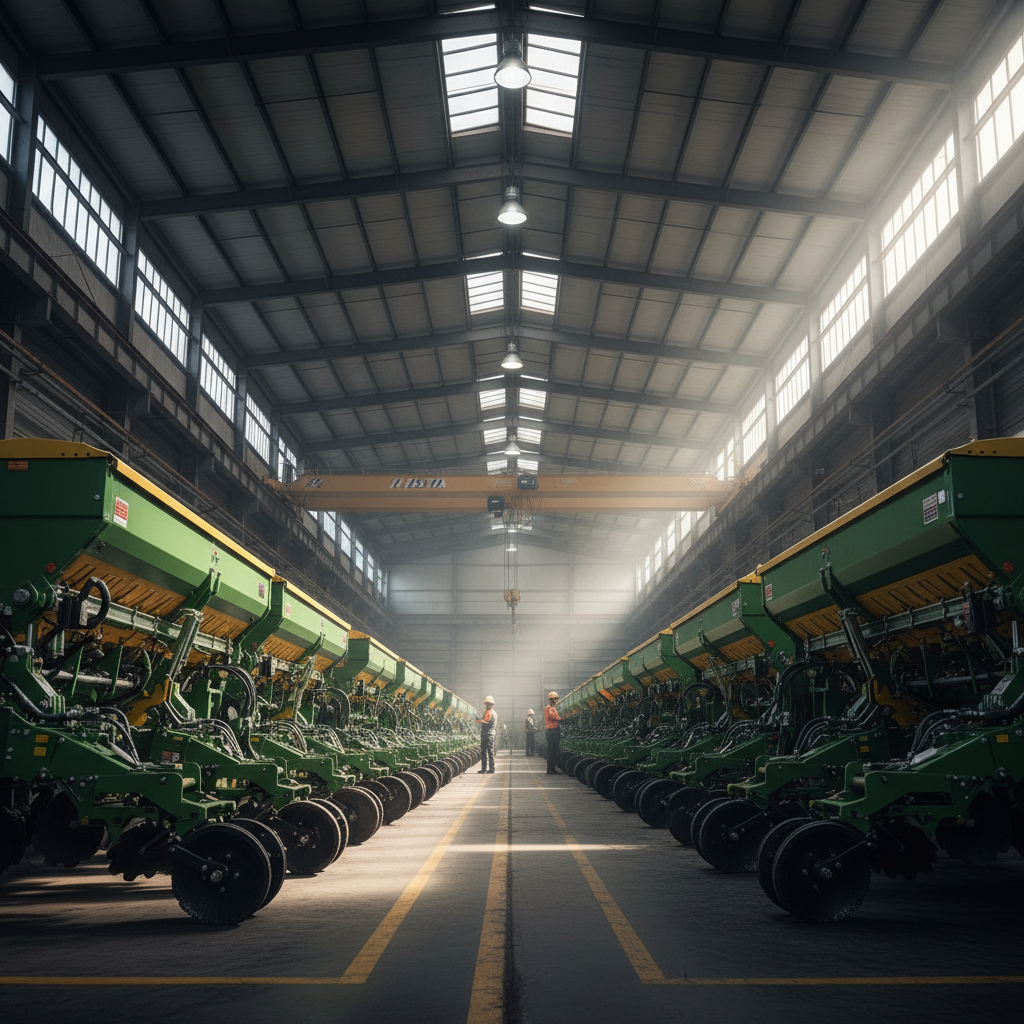
Seeder bars are vital components in modern agricultural practices, playing a crucial role in efficient and precise seed placement. The global demand for increased food production, driven by a growing population, has led to significant advancements in seeding technology, making the availability of quality seeder bars for sale a critical factor for farmers worldwide. Efficient seeding directly impacts crop yield, resource utilization, and ultimately, food security.
The market for seeder bars is experiencing growth, fueled by a shift towards precision agriculture and conservation tillage practices. Farmers are increasingly seeking solutions that minimize seed waste, optimize plant populations, and reduce soil disturbance. This demand extends across various geographical regions and farm sizes, from large-scale commercial operations to smaller, family-owned farms. Finding the right seeder bar for sale is therefore a key investment.
Understanding the nuances of seeder bar technology, including different types, functionalities, and compatibility with various seeding equipment, is essential for making informed purchasing decisions. This knowledge empowers farmers to select the best seeder bar for their specific needs, maximizing their return on investment and contributing to sustainable agricultural practices.
The Importance of Seeder Bars in Modern Agriculture
The efficient delivery of seeds to the soil is paramount to successful crop production, and seeder bars are central to this process. A well-designed and maintained seeder bar ensures accurate seed placement, leading to uniform germination and optimal plant stands. This translates directly into higher yields and improved crop quality. The right seeder bar for sale can make a substantial difference in a farmer's profitability.
Beyond yield, seeder bars contribute to resource conservation. Precision seeding minimizes seed waste, reducing input costs and environmental impact. Furthermore, many modern seeder bar designs promote minimal soil disturbance, supporting soil health and long-term sustainability.
Defining Seeder Bars and Their Role
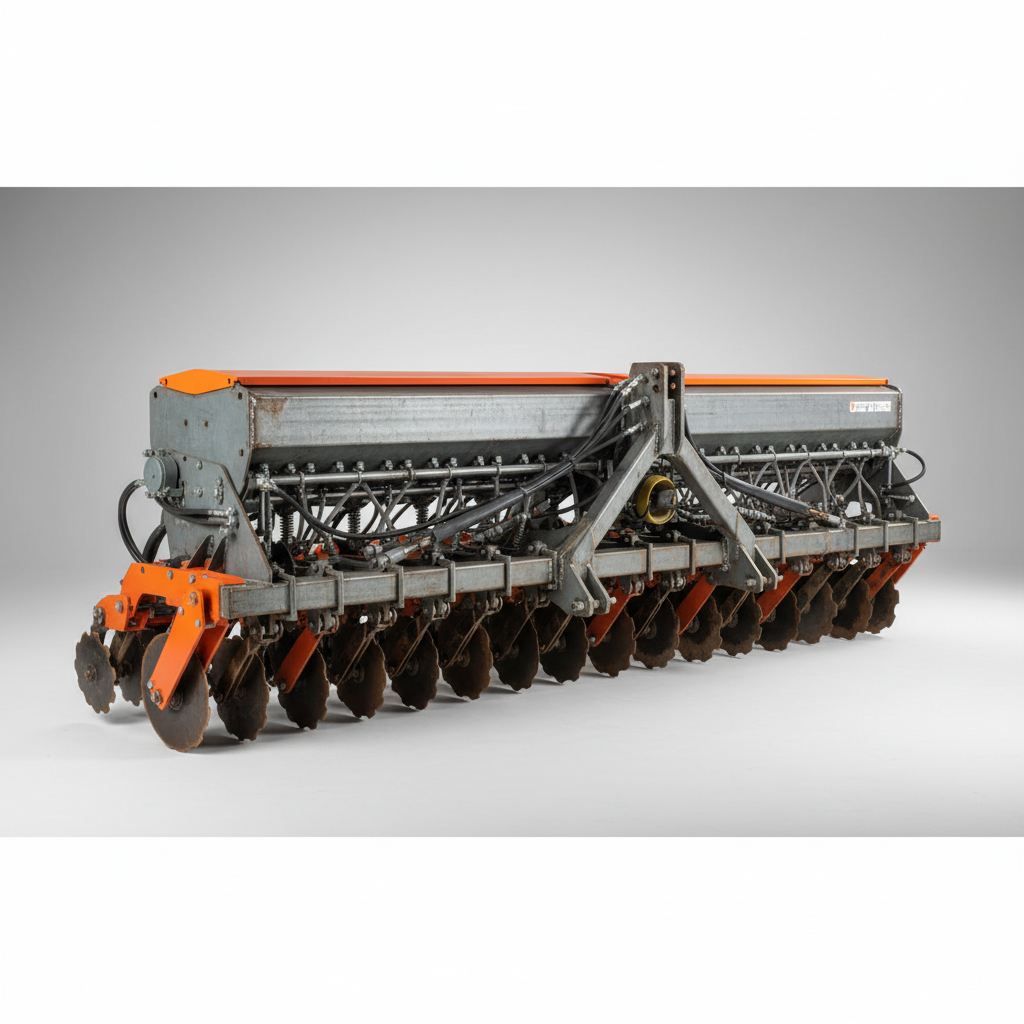
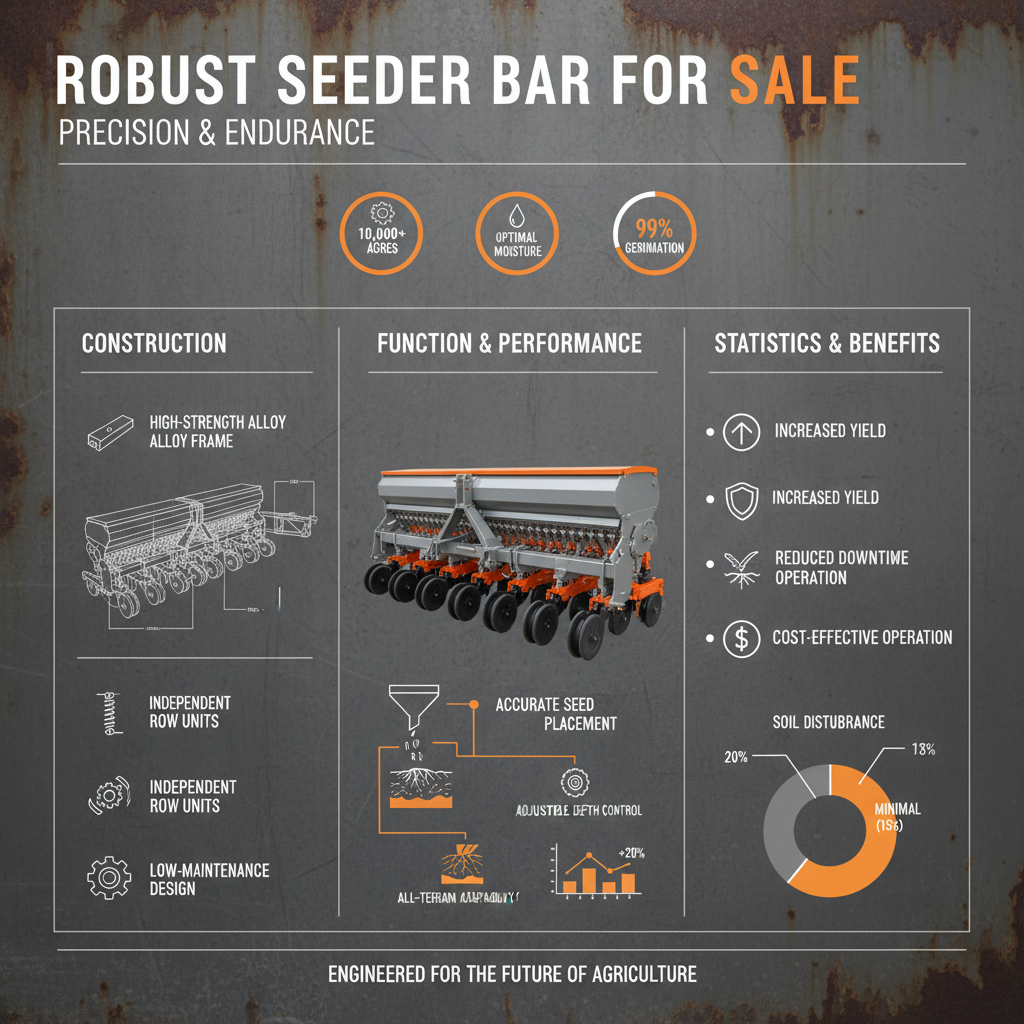
A seeder bar is a fundamental component of a planting machine, responsible for opening a furrow in the soil and precisely placing seeds at a predetermined depth and spacing. They are typically comprised of a series of coulters or openers that create the seedbed, followed by closing wheels that cover the seeds with soil. Different designs cater to various seed types, soil conditions, and farming practices.
The role of the seeder bar extends beyond simple seed placement. It influences seed-to-soil contact, which is crucial for germination. The design also affects the amount of soil disturbance, impacting moisture retention and weed seed germination. Modern seeder bars are often integrated with fertilizer applicators, allowing for simultaneous seed and nutrient delivery.
The connection to modern industry and humanitarian needs is strong. Reliable and efficient seeding directly addresses the global challenge of food security. A high-quality seeder bar for sale contributes to increased food production, especially in regions with challenging agricultural conditions.
Key Factors Influencing Seeder Bar Quality
Several key factors determine the quality and performance of a seeder bar. These include the materials used in construction, the design of the openers and closing wheels, the precision of the seed metering system, and the overall build quality. Durable materials like hardened steel are essential for withstanding the abrasive nature of soil and seed.
The design of the openers significantly impacts seed placement accuracy and soil disturbance. Narrow, angled openers minimize soil movement, while wider openers are suitable for heavier soils. Closing wheels play a crucial role in ensuring good seed-to-soil contact and proper seed covering. A well-balanced system ensures consistent performance across varying field conditions.
Furthermore, the quality of the seed metering system is critical. Precise metering ensures the correct seed population, preventing over-seeding or under-seeding, both of which can negatively impact yield. The ability to adjust seeding rates easily and accurately is a significant advantage.
Durability and Longevity of Seeder Bars
The durability of a seeder bar is directly related to its construction materials and design. High-quality steel, hardened components, and robust construction are essential for withstanding the rigors of daily use. Factors like soil type, abrasion levels, and the operator's skill also influence the lifespan of a seeder bar.
Regular maintenance, including lubrication, cleaning, and timely replacement of worn parts, is crucial for maximizing the longevity of a seeder bar. Investing in a well-built seeder bar from a reputable manufacturer will generally result in a longer service life and lower long-term costs.
Seeder Bar Performance Metrics
Global Applications and Market Trends
Seeder bars are utilized globally across a wide range of agricultural environments. In North America and Europe, they are integral to large-scale grain and oilseed production. In developing countries, they play a vital role in improving food security by enabling efficient and reliable planting.
The market is experiencing a trend towards precision seeding technologies, including variable rate seeding and GPS-guided planting. This allows farmers to tailor seeding rates to specific soil conditions and yield potential, maximizing efficiency and profitability.
Advantages and Long-Term Value Proposition
Investing in a high-quality seeder bar offers numerous advantages. Reduced seed waste translates directly into cost savings. Improved seed placement leads to higher yields and better crop quality. The durability of a well-built seeder bar minimizes downtime and repair costs.
The long-term value proposition extends beyond financial benefits. Sustainable seeding practices contribute to soil health, environmental conservation, and long-term agricultural productivity. Ultimately, a reliable seeder bar for sale fosters a more sustainable and profitable farming operation.
The emotional value of reduced risk and increased confidence in crop establishment is also significant for farmers.
Future Innovations in Seeder Bar Technology
The future of seeder bar technology is focused on further enhancing precision, automation, and sustainability. We can expect to see increased integration of sensor technologies, artificial intelligence, and data analytics to optimize seeding performance in real-time.
Robotic seeding systems are also emerging, offering the potential for even greater precision and efficiency. Furthermore, there is a growing emphasis on developing seeder bars that minimize soil compaction and promote soil health. The utilization of biodegradable materials will also increase in the future.
The development of seeder bars compatible with drone-based seeding is also on the horizon, opening up new possibilities for reaching remote or difficult-to-access areas.
Summary of Key Seeder Bar Performance Factors
| Seeder Bar Component |
Material Quality (1-10) |
Precision Level (1-10) |
Maintenance Requirements (1-10) |
| Coulters/Openers |
9 |
8 |
6 |
| Closing Wheels |
8 |
7 |
5 |
| Seed Metering System |
7 |
9 |
7 |
| Frame/Chassis |
10 |
6 |
8 |
| Depth Control Mechanism |
8 |
8 |
6 |
| Overall Construction |
9 |
7 |
7 |
FAQS
A well-maintained seeder bar, constructed from high-quality materials, can typically last for 10-15 years, or even longer. Regular lubrication, cleaning, and timely replacement of worn parts are critical for maximizing its lifespan. Factors like soil abrasiveness and usage intensity also play a role. Proper storage during the off-season is also very important.
The ideal seeder bar for your soil type depends on factors like texture, moisture content, and organic matter content. For heavy clay soils, wider openers and more robust construction are generally needed. For sandy soils, narrower openers and precise seed placement are crucial. Consider consulting with an agricultural specialist or reviewing manufacturer recommendations.
Variable rate seeding (VRS) allows you to adjust seeding rates based on specific field conditions, maximizing yield potential and minimizing input costs. By tailoring seed populations to soil fertility, moisture levels, and other factors, you can optimize plant stands and improve overall crop performance. This requires a compatible seeder bar and control system.
You should inspect your seeder bar before each planting season and regularly during use. Check for worn parts, damaged components, and proper lubrication. Clean the openers and closing wheels to prevent clogging. Tighten any loose bolts and ensure the seed metering system is functioning accurately. Preventative maintenance is key.
Key features include precise seed metering, accurate depth control, consistent seed spacing, minimal soil disturbance, and compatibility with GPS and data analytics systems. A robust frame and durable components are also essential for reliable performance. Consider features that can adapt to different seed types and field conditions.
A reliable source for a seeder bar for sale is a reputable agricultural equipment dealer or manufacturer. Look for companies with a proven track record, positive customer reviews, and comprehensive warranty coverage. Research different models and compare features to find the best fit for your needs.
Conclusion
In conclusion, seeder bars are indispensable tools in modern agriculture, playing a critical role in food production and sustainable farming practices. Their ability to deliver seeds accurately, efficiently, and with minimal environmental impact makes them a cornerstone of successful crop establishment. Investing in a high-quality seeder bar is a strategic decision that can yield significant long-term benefits.
Looking ahead, continued innovation in seeder bar technology will further enhance precision, automation, and sustainability. By embracing these advancements, farmers can optimize their operations, reduce input costs, and contribute to a more secure and resilient food system. For the best seeder bar for sale, explore our comprehensive range today.