The global agricultural landscape is undergoing a seismic shift as the demand for food security intersects with the need for sustainable land management. Integrating advanced agricultural equipment into modern farming practices is no longer a luxury but a necessity to combat soil degradation and labor shortages. By leveraging precision engineering, farmers can maximize yield while minimizing the environmental footprint of their operations.
From the implementation of automated seeding equipment to the use of high-durability field cultivators, the evolution of machinery is redefining productivity. This transition toward smart farming allows for the optimization of resource allocation, ensuring that water, fertilizers, and seeds are used with surgical precision. Understanding the nuances of these technologies is critical for stakeholders looking to remain competitive in an increasingly volatile global market.
Ultimately, the adoption of advanced agricultural equipment facilitates a move toward "regenerative agriculture," where the goal is to improve the ecosystem rather than simply exploit it. As we analyze the components, applications, and future trends of these machines, it becomes clear that the synergy between mechanical durability and digital intelligence is the key to feeding a growing global population.
Global Context of Advanced Agricultural Equipment
On a global scale, the pressure on agricultural systems has reached a critical tipping point. According to data from the World Bank and FAO, the world must increase food production by approximately 70% by 2050 to sustain the growing population. The traditional methods of farming are often too slow and resource-heavy to meet this demand, leading to an urgent shift toward advanced agricultural equipment that can scale production without exhausting the soil.
This global transition is particularly evident in regions like North America and the EU, where precision agriculture is already a standard. However, the real challenge lies in adapting these high-tech solutions for emerging markets in Asia and Africa, where small-scale farmers require modular and cost-effective machinery to break the cycle of subsistence farming and move toward commercial viability.
Defining Modern High-Tech Farming Machinery
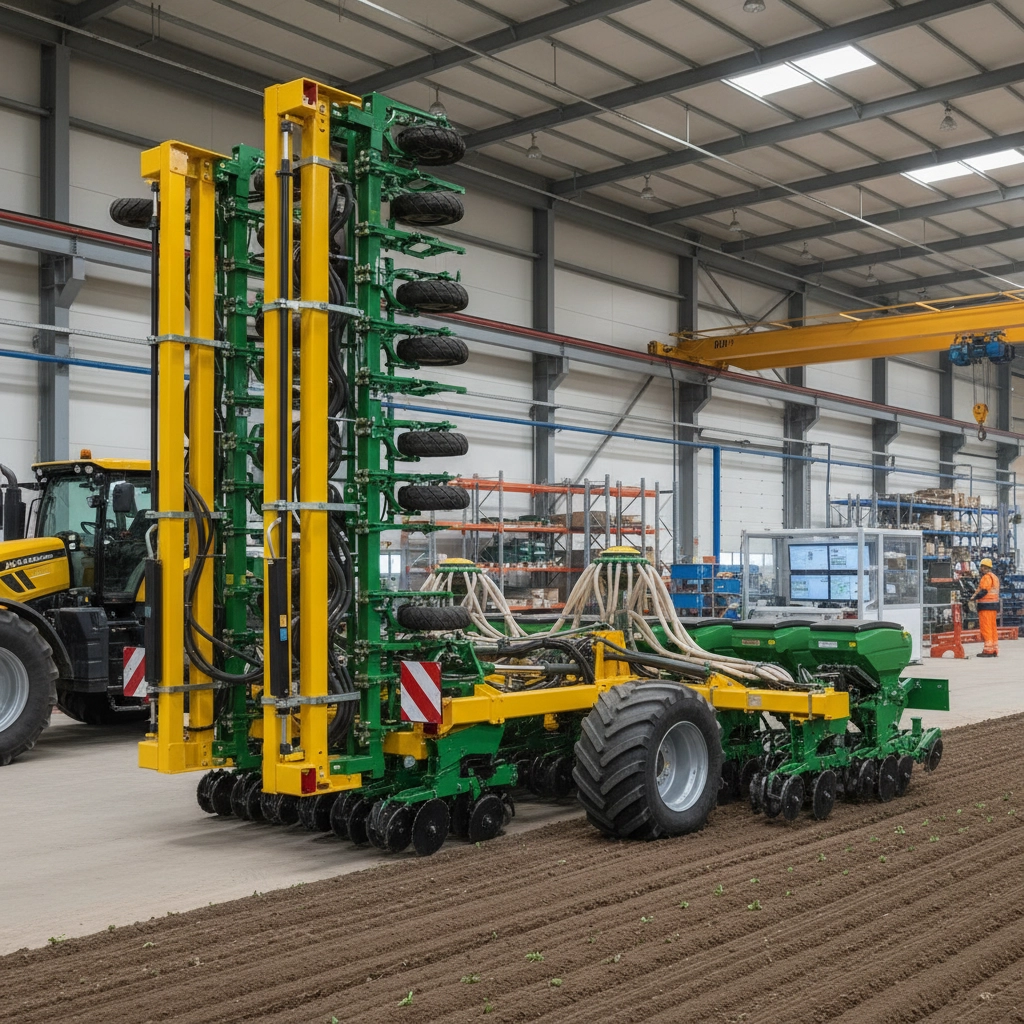
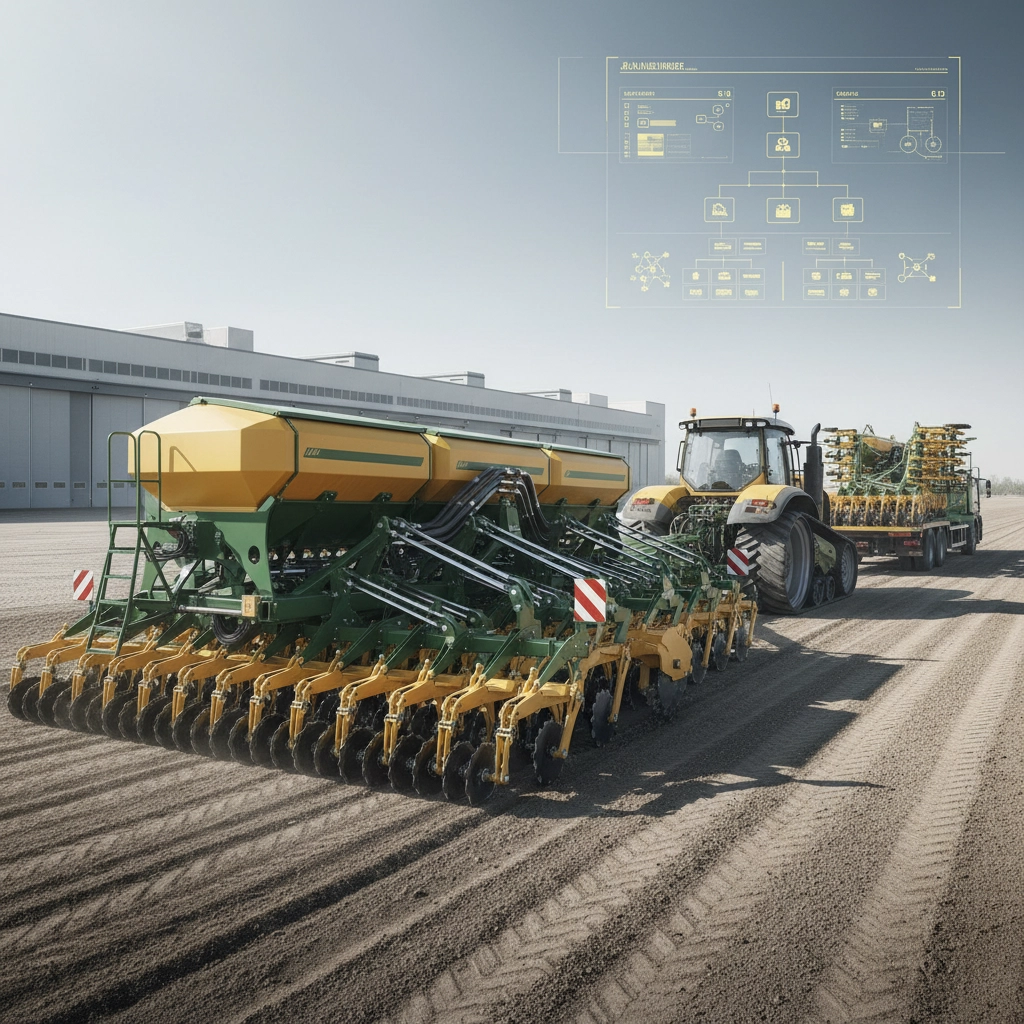
When we speak of advanced agricultural equipment, we are referring to a category of machinery that integrates mechanical power with intelligent control systems. Unlike traditional tools, these systems—ranging from autonomous seeding equipment to variable-rate field cultivators—utilize sensors, GPS, and data analytics to make real-time adjustments based on soil moisture, nutrient levels, and crop health.
The essence of this technology is the move from "blanket application" to "precision application." Instead of treating an entire 100-acre field with the same amount of fertilizer, modern equipment can identify specific zones of deficiency and apply the exact amount needed. This not only reduces waste but prevents the chemical runoff that often plagues nearby water sources.
From a humanitarian perspective, this machinery represents the democratization of food security. By reducing the physical toll on laborers and increasing the predictability of harvests, advanced agricultural equipment ensures that rural communities can maintain their dignity and livelihoods while contributing to a stable global food supply chain.
Core Components of Equipment Efficiency
The first pillar of efficiency in advanced agricultural equipment is material durability. High-grade alloy steels and wear-resistant coatings are essential for components like cultivator tines and seeding discs, which must withstand abrasive soil conditions over thousands of hours of operation without losing structural integrity.
Scalability and modularity represent the second core factor. Modern farm machinery is designed with "plug-and-play" capabilities, allowing farmers to swap out attachments—such as changing a seeding head for a weeding tool—on the same chassis. This flexibility ensures that the equipment remains useful across different seasons and diverse crop types.
Finally, the integration of IoT (Internet of Things) provides the "brain" of the operation. Telematics allow operators to monitor the health of their machinery remotely, predicting part failure before it happens and optimizing fuel consumption. This shift toward predictive maintenance significantly reduces downtime during the critical planting and harvesting windows.
Practical Applications Across Diverse Terrains
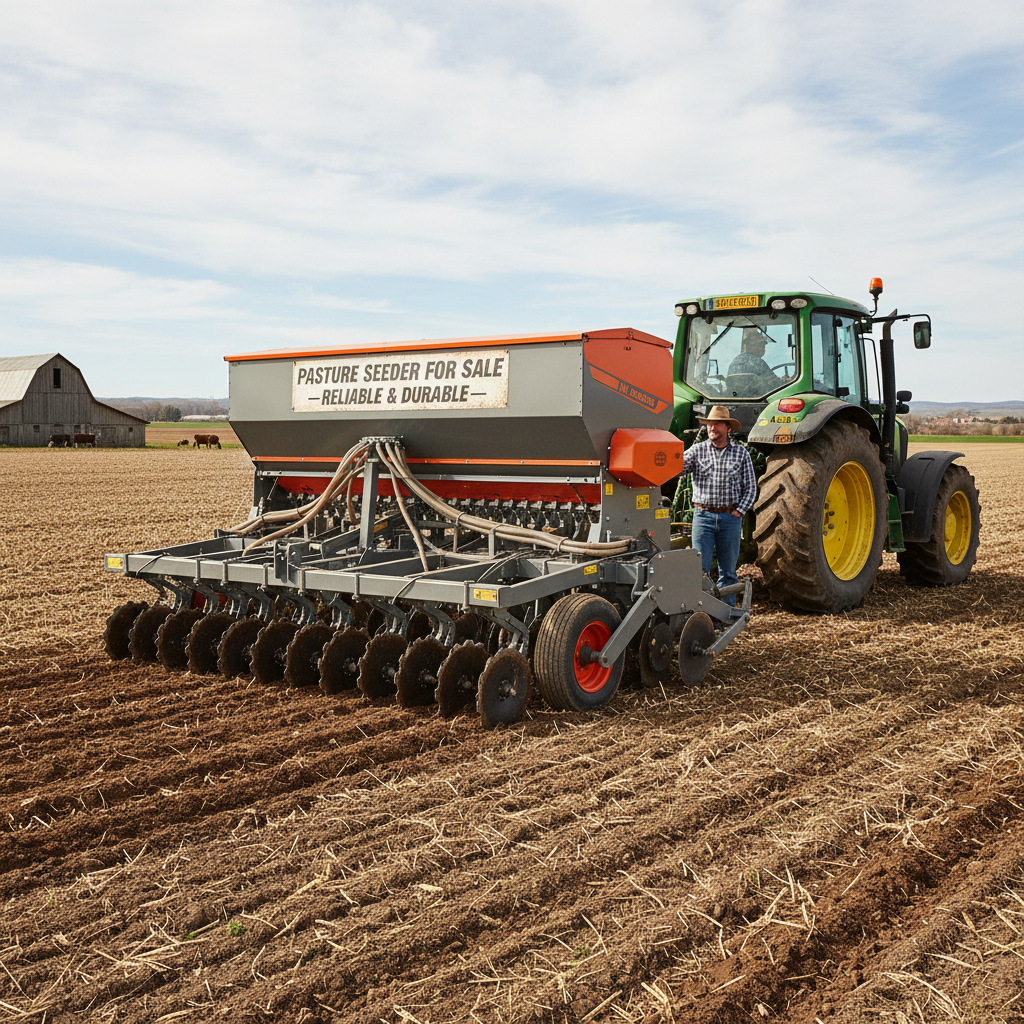
In real-world applications, the versatility of advanced agricultural equipment is proven in the contrast between the vast prairies of the Midwest and the terraced farms of Southeast Asia. In large-scale industrial zones, autonomous tractors and massive seeding equipment are used to cover thousands of hectares with minimal human intervention, ensuring uniform seed placement and depth.
Conversely, in remote or fragmented industrial zones, smaller, high-torque modular machines are deployed to handle rugged terrains. For example, specialized field cultivators are used in post-disaster soil reclamation projects, where the land has been compacted or contaminated, requiring heavy-duty aeration and soil restructuring to make the land arable once again.
Efficiency Ratings of Different Advanced Agricultural Equipment Types
Long-Term Economic and Ecological Value
The investment in advanced agricultural equipment yields tangible economic returns through the reduction of input costs. By utilizing precision seeding and variable-rate technology, farmers can reduce seed and fertilizer waste by up to 20-30%. This lower expenditure, coupled with increased yield per acre, drastically shortens the ROI (Return on Investment) period for the machinery.
Beyond the balance sheet, the ecological value is profound. Reduced chemical usage means healthier soil biomes and a decrease in the contamination of groundwater. Furthermore, the use of "low-till" advanced cultivators helps in carbon sequestration, keeping CO2 in the ground rather than releasing it into the atmosphere, thus positioning the farming industry as a partner in the fight against climate change.
Emerging Trends in Ag-Tech Innovation
The next frontier for advanced agricultural equipment is the full integration of Artificial Intelligence (AI) and swarm robotics. Instead of one massive tractor, the future points toward "swarms" of small, autonomous robots that can plant, weed, and monitor crops individually. This minimizes soil compaction—a major issue with heavy machinery—and allows for hyper-localized crop care.
Sustainability is also driving a shift toward green energy. We are seeing the rise of electric-powered seeding equipment and hydrogen-cell tractors that eliminate greenhouse gas emissions from the field. These innovations are being supported by new government policies and carbon credit incentives, making green machinery more financially attractive to the average farmer.
Digital transformation is extending into the "Agricultural Cloud," where equipment doesn't just work the land but also uploads real-time data to a centralized hub. This allows agronomists to analyze regional trends and provide prescriptive advice to farmers, transforming the equipment from a simple tool into a data-gathering instrument.
Overcoming Implementation Challenges
Despite the benefits, the adoption of advanced agricultural equipment faces significant hurdles, primarily the high initial capital cost and the "technology gap" among older generations of farmers. Many struggle with the complex software interfaces required to operate precision machinery, leading to under-utilization of the equipment's full potential.
To solve this, the industry is moving toward "Equipment-as-a-Service" (EaaS) models, where farmers can lease high-tech machinery or pay per acre of service rather than buying the hardware outright. This lowers the entry barrier and allows smaller farms to access the same quality of technology as corporate conglomerates.
Education and localized support networks are also critical. By establishing regional training centers and providing simplified, intuitive user interfaces (UI), manufacturers can ensure that the transition to smart farming is inclusive. The goal is to blend traditional farming wisdom with modern technical precision.
Comparative Analysis of Advanced Agricultural Equipment Implementation Strategies
| Strategy Model |
Initial Investment |
Operational Risk |
Scalability Score (1-10) |
| Direct Purchase |
Very High |
High (Ownership) |
6 |
| Equipment Leasing |
Moderate |
Medium |
8 |
| EaaS (Per-Acre) |
Low |
Low |
10 |
| Co-operative Sharing |
Low/Shared |
Medium |
7 |
| Government Grant |
Low |
Low |
9 |
| Hybrid Integration |
Moderate |
Medium |
8 |
FAQS
The efficiency stems from the integration of precision technology. While traditional tools apply inputs uniformly, advanced equipment uses sensors and GPS to apply seeds, water, and fertilizers only where needed. This reduces waste, lowers costs, and prevents soil over-saturation, leading to higher overall crop yields and better land health.
With proper maintenance, high-end machinery can last 10-15 years. The use of boron-infused steels and specialized anti-corrosion coatings ensures that components in contact with the soil resist wear. Regular software updates and predictive maintenance alerts further extend the lifespan by preventing catastrophic mechanical failures.
Yes, it is designed for both. Ecologically, it reduces the chemical footprint on the earth and supports low-till farming. Economically, while the initial cost is higher, the reduction in seed, fuel, and fertilizer expenses—combined with increased productivity—usually leads to a higher net profit margin over the long term.
While the upfront cost can be a barrier, many are now using "Equipment-as-a-Service" (EaaS) or cooperative sharing models. Additionally, modular equipment allows farmers to buy only the components they need and upgrade as their business grows, making the technology accessible to a wider range of farm sizes.
GPS integration prevents "overlap" and "skips" during cultivation. By mapping the field precisely, the equipment ensures that every inch is covered exactly once. This saves fuel, reduces operator fatigue, and ensures that the soil is aerated and prepared uniformly, which is critical for optimal seed germination.
The most important factor is compatibility and scalability. Ensure that the equipment can integrate with your existing software and that it can be modified for different crop types. Durability and the availability of local technical support are also crucial to avoid long downtimes during peak seasons.
Conclusion
The transition toward advanced agricultural equipment represents a fundamental evolution in how we interact with the land. By combining heavy-duty mechanical engineering with intelligent data systems, we can address the dual challenge of increasing food production while preserving the planetary ecosystem. From precision seeding to automated cultivation, these tools empower farmers to operate with unprecedented accuracy and sustainability.
Looking forward, the integration of AI and green energy will further decouple agricultural growth from environmental degradation. For farmers and agribusinesses, the path to success lies in embracing this digital transformation and investing in modular, scalable solutions. To explore the latest in high-performance machinery and optimize your farm's productivity, visit our website: www.langningam.com