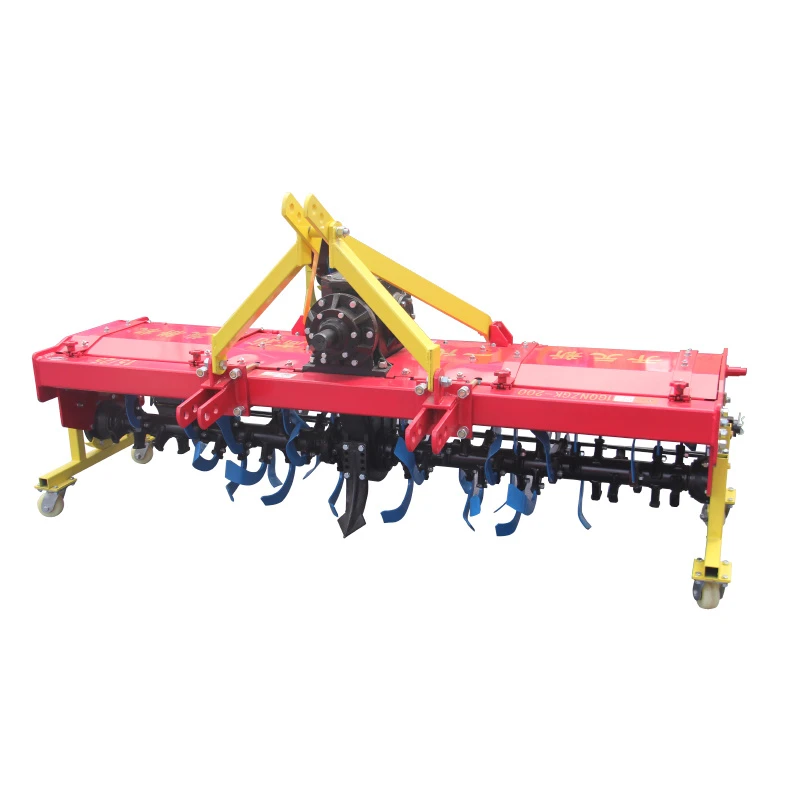
Having spent a couple decades in the industrial equipment scene, I’ve seen how advanced farming equipment has quietly but radically reshaped agriculture. It’s funny—at first glance, it’s just machinery, right? But, in real terms, it’s the backbone of modern farming productivity, precision, and sustainability.
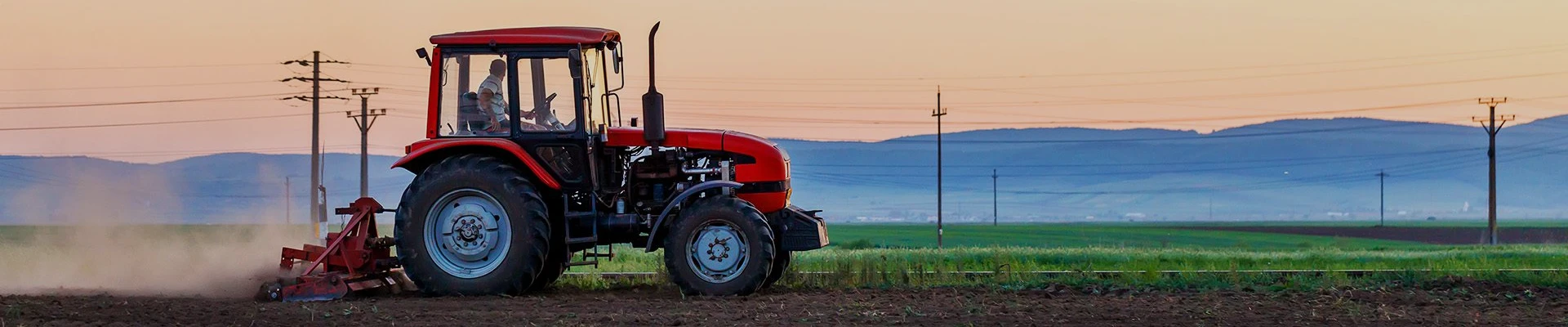
When I first walked onto a large-scale farm with the latest automated tractors and harvesters, what struck me wasn’t just their size, but how intuitive the tech felt. This gear isn’t just brute force; it’s smarter, lighter, and kind of elegant, if you ask me.
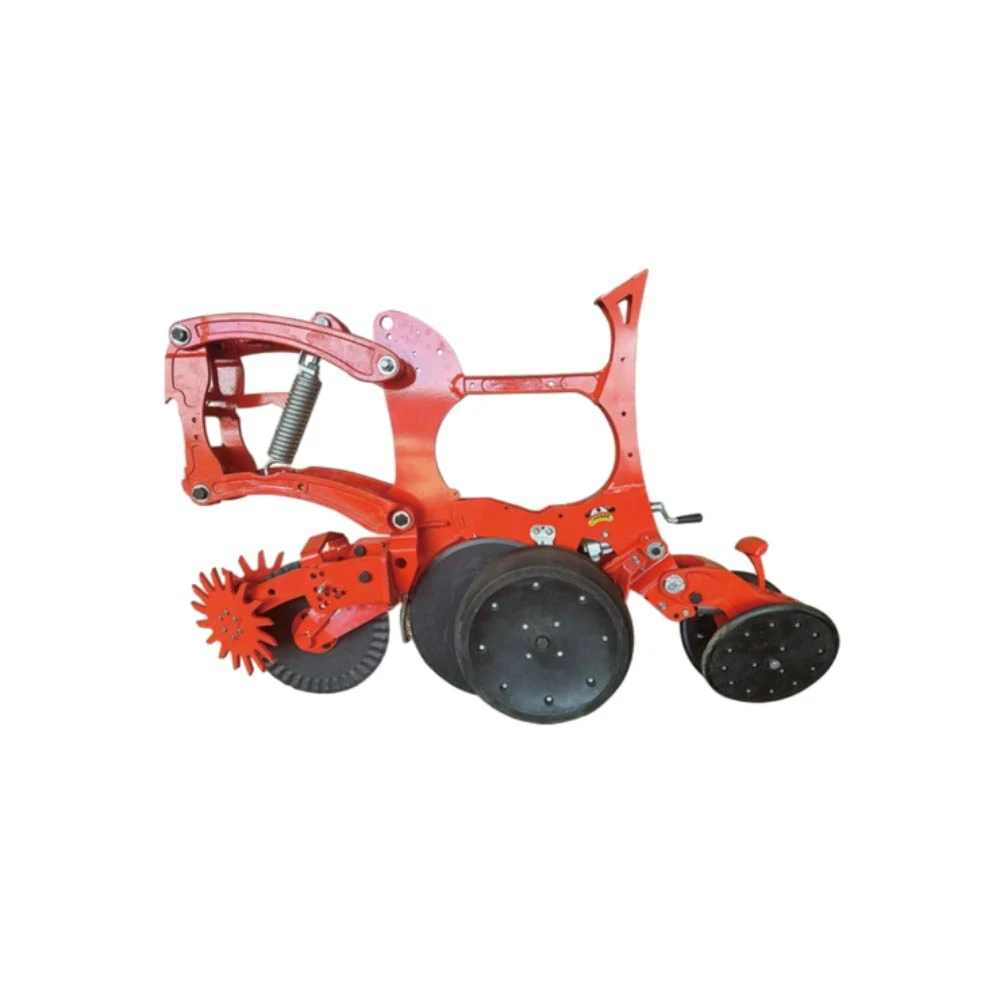
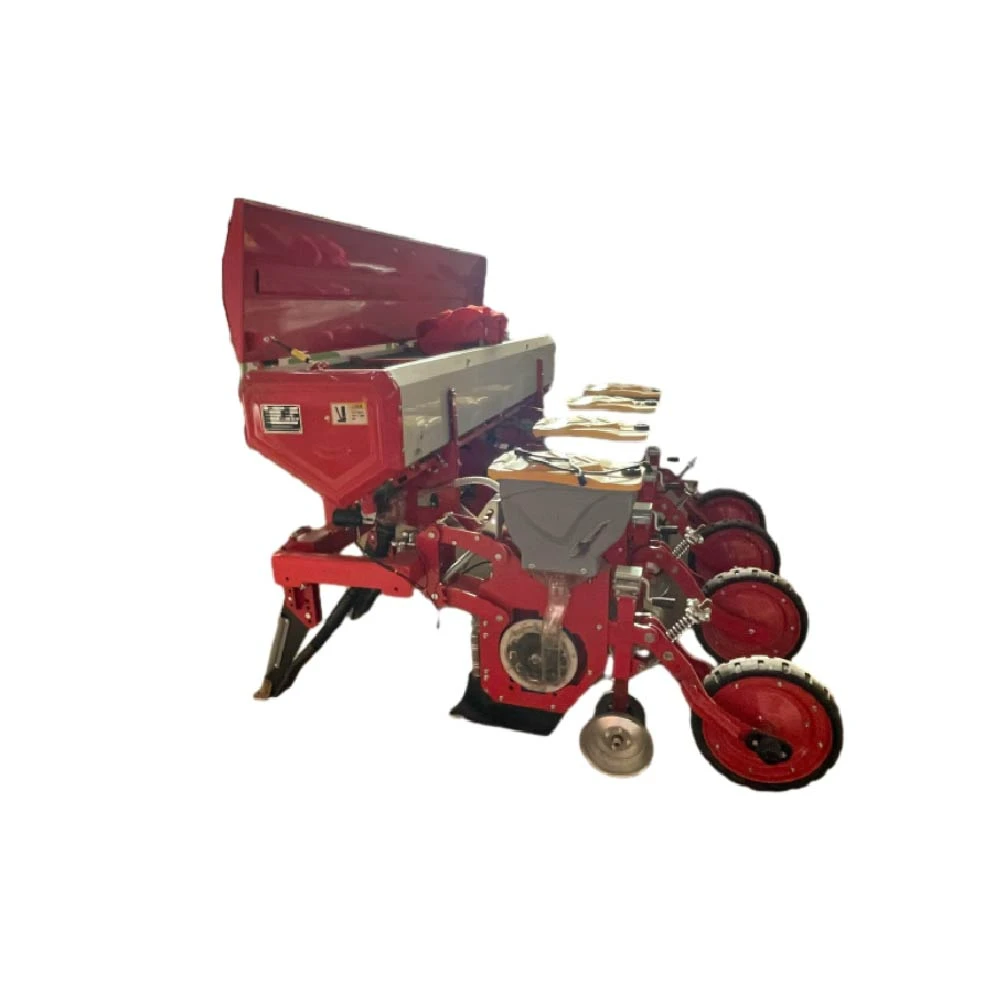
Over the years, manufacturers have focused on combining durability with digital intelligence. Today’s combines and planters come equipped with GPS-guided steering systems and IoT sensors that provide real-time soil health data. Many engineers say this tech boosts yield while reducing environmental impact—a rare win-win.
Let me share a quick anecdote: a longtime client of mine recently switched to a fleet of GPS-enabled tractors. They noticed fuel efficiency improvements right away and could plan fieldwork down to the minute. It wasn’t just about cutting costs; it changed how they managed their entire operation.
Now, I mentioned materials and design earlier. Oddly enough, advances in lightweight alloys and reinforced polymers have made these machines both more powerful and less taxing on the soil. That balance—strength without weight—is key to preventing soil compaction, a silent yield killer.
Testing is another chapter. These machines don’t just get sent off to the field after prototype tests; they endure months of climate chamber trials and rough-terrain runs. It’s a thorough vetting process, ensuring reliability in scenarios that range from dusty plains to muddy, irregular plots.
| Feature | Specification |
|---|---|
| Engine Power | 150-300 HP |
| GPS Accuracy | ±2 cm |
| Fuel Capacity | 300 liters |
| Operating Weight | 7,500 - 9,000 kg |
| Connectivity | 4G/5G, Bluetooth, Wi-Fi |
Sure, not all vendors play in the same league, and you do want to pick carefully. Here’s a snapshot of how some of the top manufacturers stack up, based on my experience and industry benchmarks:
| Vendor | Tech Integration | Durability | Customer Support | Pricing |
|---|---|---|---|---|
| AgriMotive | Extensive (AI and IoT) | Robust metal frame | 24/7 global hotline | High-end |
| GrowTech | Standard GPS and sensors | Sturdy alloy chassis | Business hours support | Mid-range |
| TerraMachinery | Basic automation & GPS | Standard steel frame | Limited support availability | Budget-friendly |
One thing I want to emphasize: customization is king. Farm conditions vary wildly—from rocky terrains in the northeast to the heavy clay soils down south. Machines can often be tailored to specs that optimize for traction, fuel economy, or speed, depending on your priorities.
I suppose the biggest takeaway is this: advanced farming equipment today is less about just pushing dirt and more about leveraging data, material science, and real-world feedback. The future might sound tech-heavy, but it’s rooted in straightforward goals—better yields, economic sense, and preserving the land.
If you’re in the market or just curious about what’s new, the innovations at advanced farming equipment offered out there will genuinely surprise you. Feel free to reach out if you want some real talk or tips — the gear’s impressive, but experience always counts too.
– Reflections from a seasoned industrial equipment professional
References:
1. USDA Economic Research Service, Machinery Use in U.S. Farming, 2023.
2. TechAg Review Quarterly, "Latest Trends in Farm Automation," Spring 2024.
3. Field Notes, Interviews with AgriTech Engineers, 2022–2023.