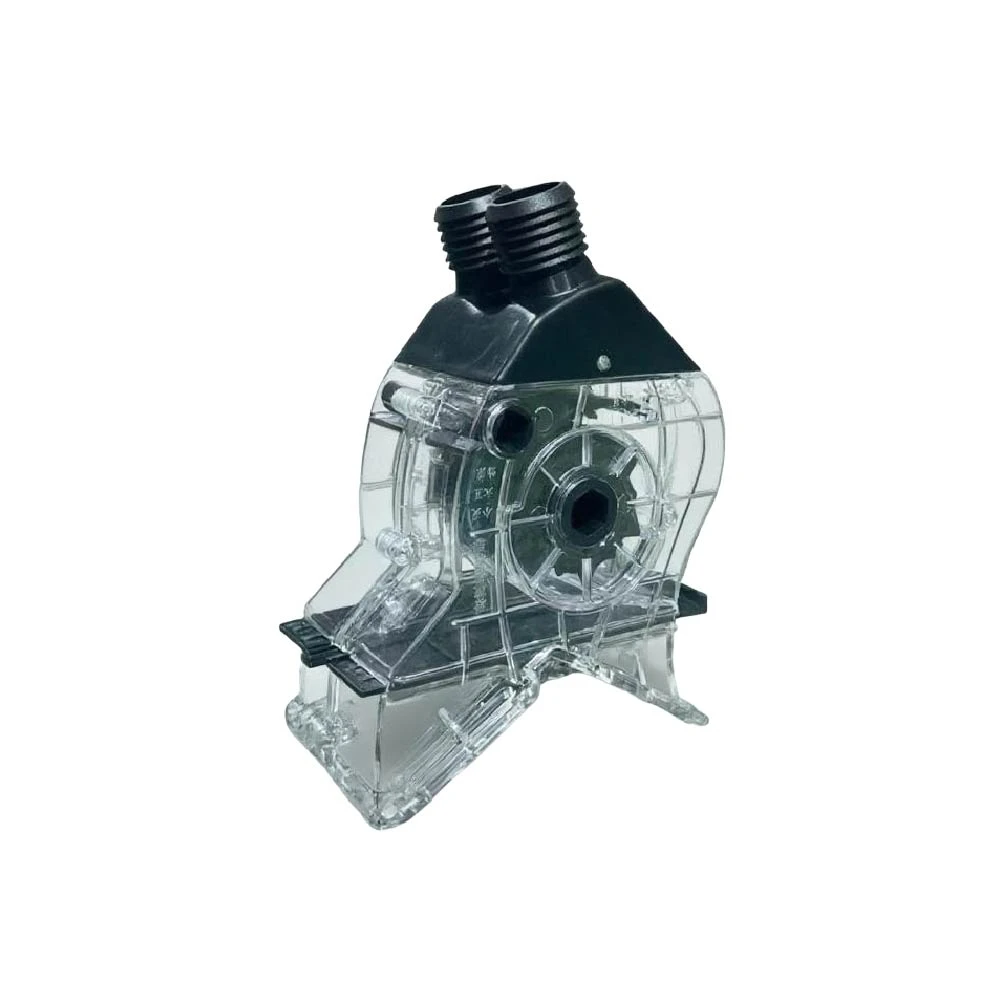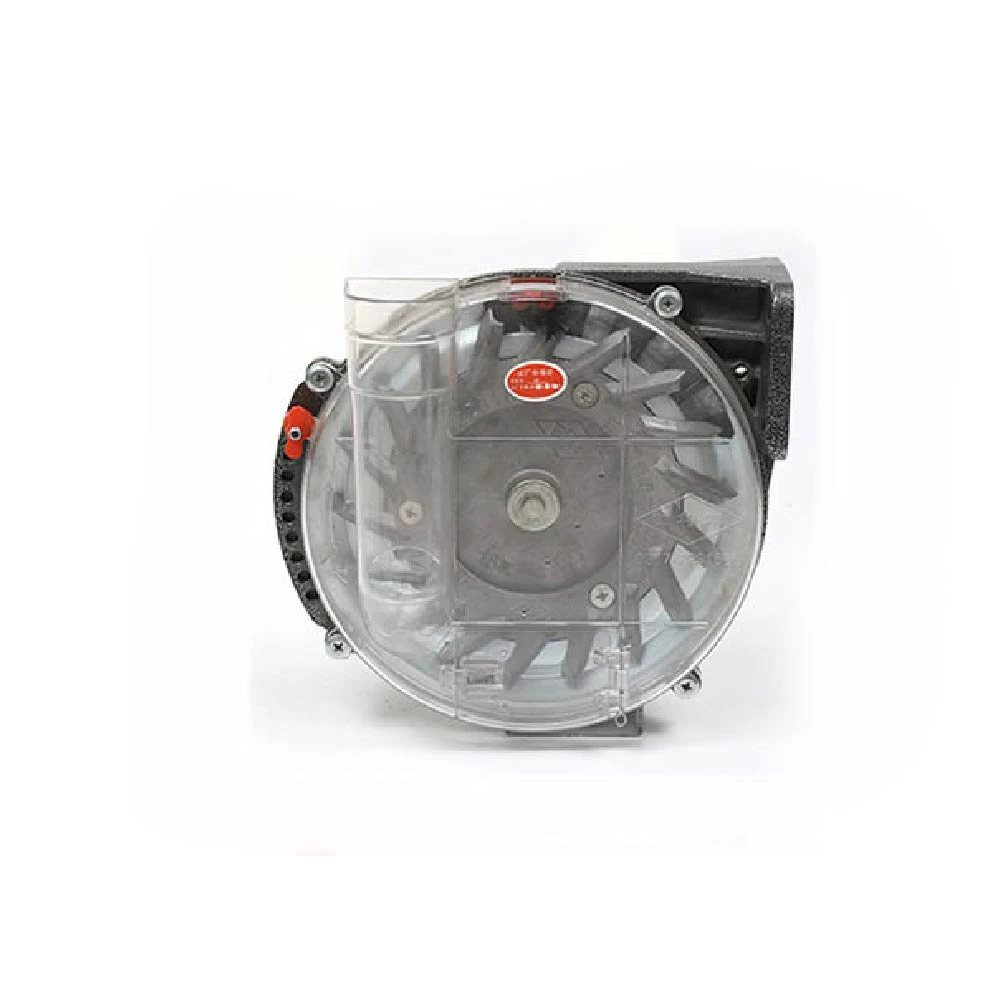
If you're new to the term grain cleaners for sale, think of them as indispensable machines that help farmers, grain traders, and food industries make sure their harvest is pure and ready for storage or sale. Given the crucial role grains play in feeding the world’s population, understanding grain cleaners might seem niche — but frankly, it is a global concern with rippling impacts on food safety, quality, and loss reduction.
In a world where the United Nations estimates around 690 million people suffer from undernourishment (~8.9% of the global population as of 2022), every grain counts. Grain cleaners don’t just help improve product quality, they also ensure the grains are free from contaminants like dust, husks, chaff, and insect fragments — making them safer and more profitable. We’ll dive deep into what these cleaners really are, how they work, and why securing proper equipment matters so much worldwide.
Agriculture forms the backbone of livelihoods for over 1.3 billion people worldwide, with grains like wheat, rice, corn, and barley accounting for a huge chunk of carbohydrates globally. The Food and Agriculture Organization (FAO) reports that post-harvest losses can reach 20–30%, often due to pest infestations and improper handling. This is where grain cleaners show their worth — by increasing grain marketability and reducing spoilage.
Oddly enough, despite the high stakes, many grain producers in developing regions still rely on manual cleaning or rudimentary tools, sometimes leading to quality dips or regulatory troubles, especially when exporting. The problem isn’t just technical; it's economic and social too.
At their core, grain cleaners for sale are machines designed to remove impurities from harvested grains. These impurities could be anything from dust and dirt to weed seeds, stones, or broken grains. Grain cleaning is often the first step in post-harvest processing and is vital before storage, milling, or packaging.
Modern grain cleaners leverage sieves, aspiration fans, magnetic separators, and sometimes several cleaning stages to ensure high purity. They range from simple portable units for small farmers to heavy-duty industrial models used by milling companies and exporters. In humanitarian contexts, like emergency food distribution, clean grain means safer nutrition for vulnerable populations.
Grain cleaning machines often operate in dusty, abrasive environments. The quality of materials and construction — like stainless steel frames or corrosion-proof coatings — determines long-term viability. Machines built to last reduce downtime and replacement costs.
Depending on the volume of grain to be processed, cleaners vary in capacity from a few tons per hour for small farms to hundreds of tons in commercial settings. Scalability means a machine adapts to growing operational needs or different grain types without hefty upgrades.
As sustainability becomes a buzzword, grain cleaners with low electricity consumption or options for solar power appeal especially in off-grid or developing areas. Reducing operational costs while shrinking carbon footprints, frankly, feels like a win-win.
The ability to effectively remove different contaminants — whether dust, stones, or broken pelletized grains — varies by technology. Multi-stage cleaning systems employing combinations of mechanical sieves, aspiration, and magnetic separators deliver superior results.
Complex machines are great, but if they’re hard to maintain or too technical for local operators, their value plummets. Simpler designs with easily accessible parts and clear manuals empower local users and reduce reliance on costly technicians.
| Model | Capacity (tons/hr) | Power (kW) | Weight (kg) | Key Features |
|---|---|---|---|---|
| CleanMax CM-100 | 5 | 1.5 | 350 | Multi-sieve, solar option, portable |
| GrainPerfect GP-500 | 50 | 10 | 2,200 | Magnetic separator, automated controls |
| AgriClean AC-200 | 20 | 4 | 900 | Easy maintenance, modular design |
Grain cleaners are far from a purely industrial luxury. In sub-Saharan Africa and Southeast Asia where farming stays largely small-scale, portable grain cleaners are transforming local markets by reducing labor-intensive sorting and improving grain quality for local sale or export compliance.
Disaster relief agencies often stockpile portable grain cleaners so that after floods or droughts, farmers can quickly clean and preserve their crops before spoilage takes over. For example, the World Food Programme uses mobile grain cleaners to support food security in fragile regions.
Large-scale food processors in North America and Europe incorporate grain cleaning systems into their mill lines to ensure safety and consistency. This kind of quality control feeds into global supply chains, where grains travel thousands of miles to reach end consumers.
Mini takeaway: Whether for rural villages or mega-processors, grain cleaners bridge gaps between production and consumption.
| Vendor | Country | Specialty | Price Range | Warranty |
|---|---|---|---|---|
| AgriEquip Systems | USA | High-capacity industrial cleaners | $20,000 - $75,000 | 3 years |
| FarmTech Africa | Kenya | Affordable portable units | $1,200 - $5,500 | 2 years |
| EuroClean Machinery | Germany | Energy-efficient, automated lines | $30,000 - $90,000 | 5 years |
Investing in reliable grain cleaning technology offers direct benefits:
Many farmers I talked to often say the machines restore dignity — turning dusty, mixed grain into something they can proudly sell and consume themselves. The logic and heart behind investing in quality grain cleaning really come together here.
The future for grain cleaners looks promising with several exciting developments underway:
Companies are also piloting IoT-enabled machines for remote monitoring and predictive maintenance — a long leap toward reducing machine downtime and optimizing efficiency.
No tech is without hurdles. Common issues seen with grain cleaners include:
Solutions? Leasing models and microfinance schemes ease the financial burden. Training programs empower local technicians. Hybrid power options or manual-assisted designs improve power reliability. When vendors partner with NGOs, the distribution and adoption become far more equitable.
In real terms, grain cleaners for sale aren’t just machines; they’re a bridge toward better food security, improved livelihoods, and safer, more sustainable grain markets. Whether you’re a small farmer aiming for a smarter harvest or an exporter needing compliance-grade grain, investing in proper cleaners is a wise step forward.
For those interested in exploring quality equipment and solutions tailored to various needs, be sure to check out grain cleaners for sale. The right gear can literally change the grain game.
One takeaway: Clean grain is more than a product—it’s the foundation of trust between growers, sellers, and consumers worldwide.
References:
1. Food and Agriculture Organization of the United Nations (FAO) – Post-harvest losses: https://www.fao.org
2. United Nations Global Food Security Report 2023: https://www.un.org/en/global-food-security
3. International Organization for Standardization (ISO) Standards for Food Safety: https://www.iso.org