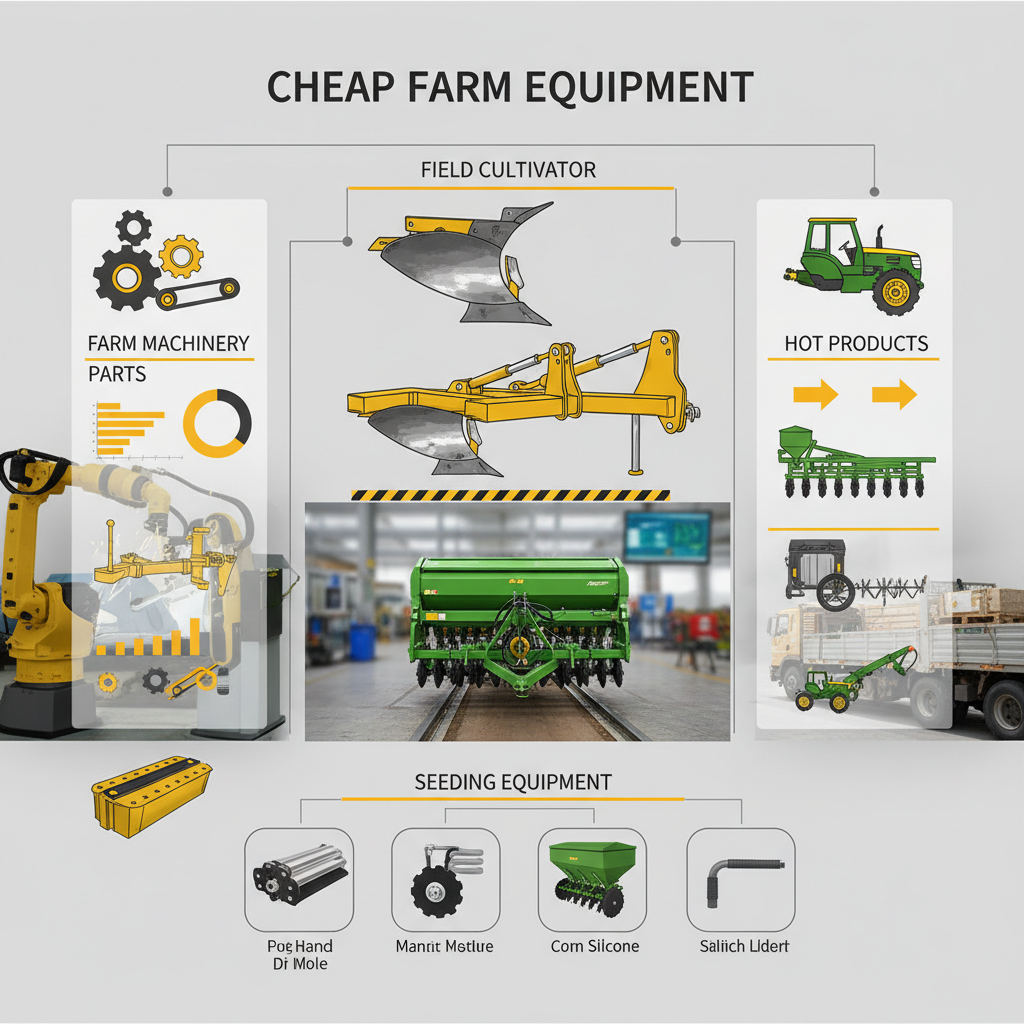
Finding reliable yet cheap farm equipment is often the primary challenge for small-to-medium scale farmers striving to increase their yield without incurring unsustainable debt. In an era of rising raw material costs, the ability to access affordable machinery—from seeding equipment to field cultivators—can be the difference between a struggling seasonal harvest and a thriving commercial operation.
The global agricultural landscape is currently shifting toward "appropriate technology," where the focus is not necessarily on the most expensive high-tech gadgetry, but on the most cost-effective tool for the specific soil and climate. By optimizing the balance between price and performance, farmers can implement modern tillage and planting techniques that were previously reserved for industrial-sized conglomerates.
Understanding how to identify quality within the realm of budget-friendly machinery requires a keen eye for durability and a strategic approach to procurement. This guide explores how to source cheap farm equipment that doesn't compromise on the structural integrity required for heavy-duty field work.
Global Demand for Affordable Agricultural Machinery
The demand for cheap farm equipment has surged globally as emerging economies in Africa and Southeast Asia strive to meet the UN's Sustainable Development Goal of Zero Hunger. With a significant percentage of the global workforce still engaged in subsistence farming, the introduction of affordable field cultivators and seeding equipment can increase productivity by up to 40% in some regions.
However, the challenge lies in the "quality gap." Many farmers are forced to choose between overpriced premium brands and unreliable low-end imports. The industry is now seeing a rise in specialized manufacturing that focuses on "essentialism"—stripping away unnecessary electronic bells and whistles to provide robust, mechanical cheap farm equipment that is easy to maintain and repair locally.
Defining Value in Budget-Friendly Farm Tools
When we discuss cheap farm equipment, it is crucial to distinguish between "low quality" and "low cost." True value in agricultural machinery is defined by the Return on Investment (ROI). A piece of equipment is considered a high-value budget option if it can perform its core function—such as soil aeration or precision seeding—with a failure rate comparable to premium models, but at a fraction of the initial capital outlay.
In the context of modern industry, this often means utilizing high-strength carbon steel and standardized parts. By using components that are widely available in local markets, the "cheap" aspect of the equipment extends beyond the purchase price to include lower lifetime maintenance costs. This humanitarian approach allows smaller cooperatives to mechanize their operations without falling into predatory lending cycles.
Ultimately, the definition of cheap farm equipment evolves based on the scale of the operation. For a hobby farmer, a manual seeder is an affordable luxury; for a commercial grower in a developing region, a budget-friendly motorized cultivator is a transformative industrial asset.
Core Components of Cost-Effective Machinery
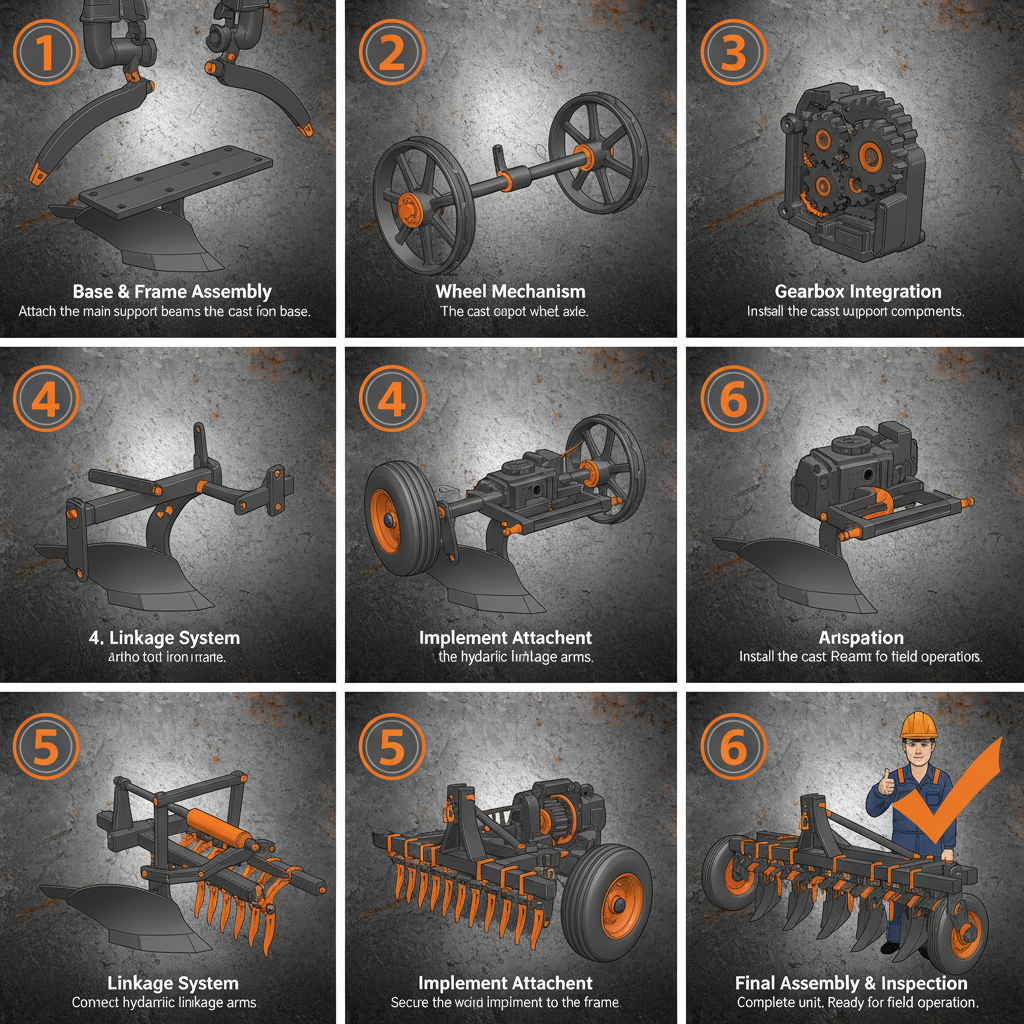
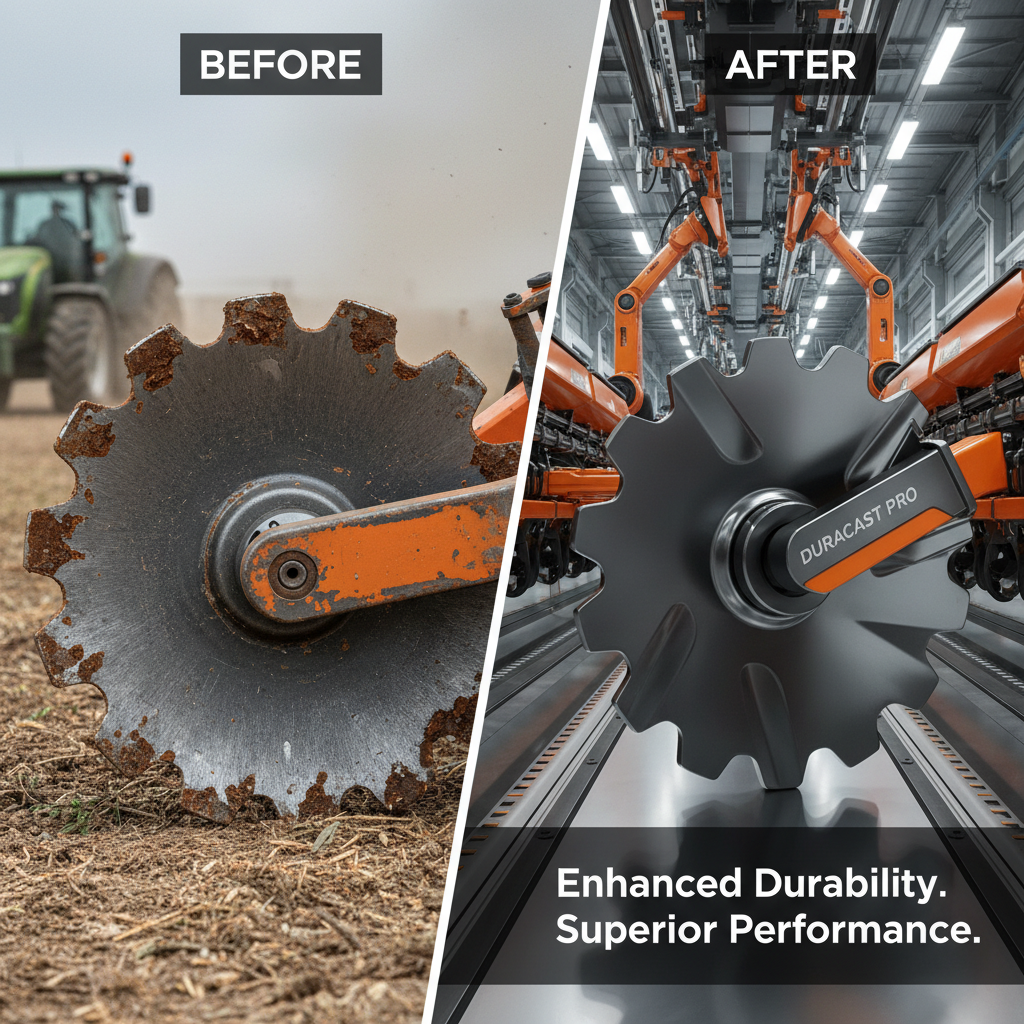
Durability is the first cornerstone of any high-quality cheap farm equipment. This is achieved not through expensive alloys, but through intelligent engineering—such as reinforcing stress points on a field cultivator frame to prevent warping under heavy loads.
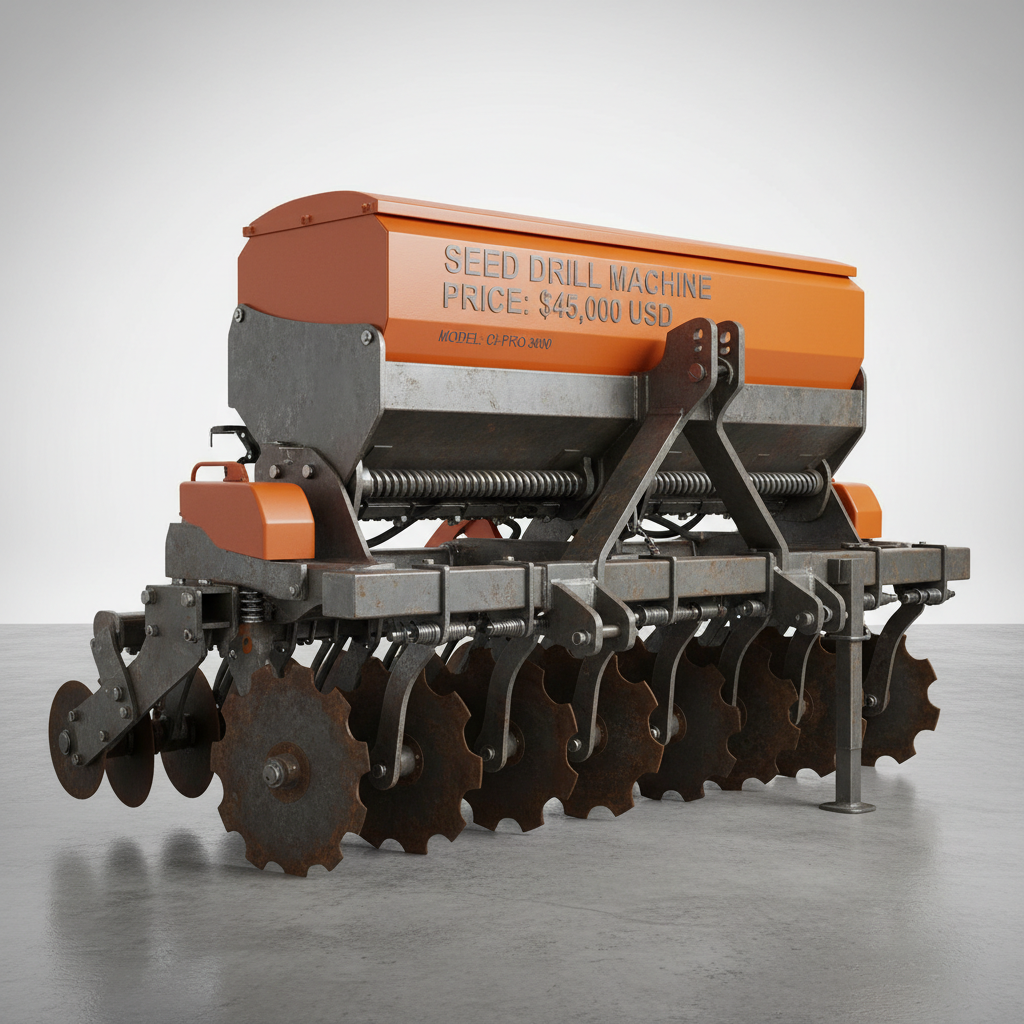
Scalability ensures that cheap farm equipment can grow with the business. For example, modular seeding equipment allows farmers to start with a small unit and add further rows or hopper capacities as their acreage expands, spreading the cost over several years.
Cost efficiency in manufacturing is often realized through the removal of redundant features. By focusing on the mechanical essence of the tool, manufacturers can offer cheap farm equipment that performs the heavy lifting without the expensive software subscriptions often found in "smart" machinery.
Practical Applications and Regional Use Cases
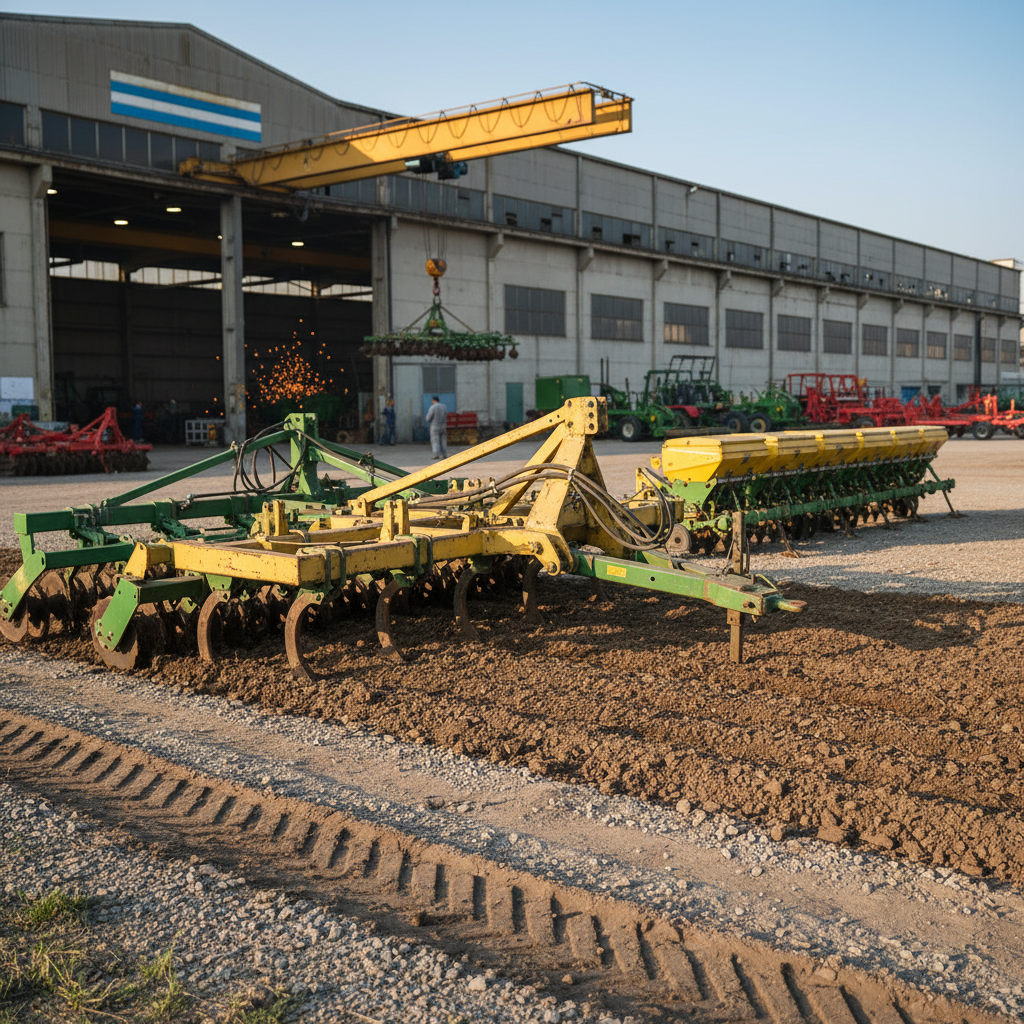
In the vast plains of Central Asia, cheap farm equipment like heavy-duty field cultivators is essential for breaking through compacted soils. In these regions, the priority is sheer mechanical strength over precision electronics, making budget-friendly, robust steel implements the preferred choice for thousands of family-run farms.
Conversely, in the fragmented land holdings of South Asia, the application shifts toward compact seeding equipment. Here, the ability to maneuver in small spaces while maintaining a low purchase price allows farmers to transition from manual sowing to mechanized precision, significantly reducing seed waste and labor costs.
Efficiency Comparison of Cheap Farm Equipment Types
Long-Term Economic Advantages of Smart Sourcing
Investing in cheap farm equipment provides a critical liquidity advantage. By avoiding high-interest loans associated with premium machinery, farmers can allocate their remaining capital toward high-quality seeds, organic fertilizers, or improved irrigation systems, creating a more holistic improvement in farm productivity.
Beyond the financial logic, there is an emotional benefit: the dignity of independence. When a farmer owns their equipment outright because they chose affordable options, they are less susceptible to the pressures of corporate creditors, allowing them to make autonomous decisions about their crop rotations and land management.
Future Innovations in Low-Cost Farming Tech
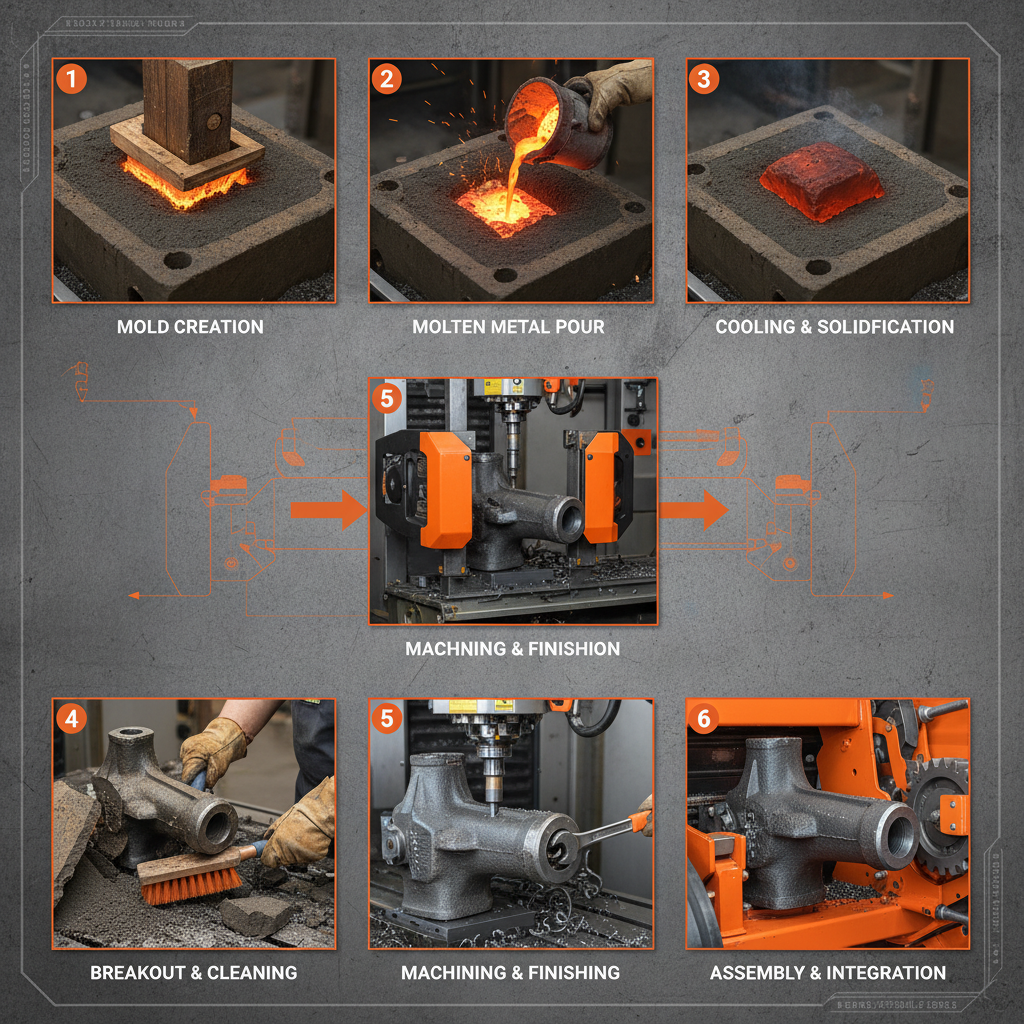
The future of cheap farm equipment is being shaped by the "Open Source Hardware" movement. We are seeing a rise in blueprints for agricultural tools that can be manufactured using local foundries and 3D printing for specialized plastic components, further driving down the cost of entry for new farmers.
Additionally, the integration of simple, low-cost solar power into manual equipment is transforming the energy profile of budget farming. Imagine seeding equipment that uses small solar-powered sensors to optimize seed depth without requiring a full-scale GPS tractor system—this is the direction of sustainable, affordable innovation.
Material science is also playing a role. The development of recycled composite materials that mimic the strength of steel but are cheaper to produce and lighter to transport is making cheap farm equipment more accessible to remote industrial zones where logistics costs typically inflate prices.
Overcoming Common Limitations of Cheap Equipment
The most common criticism of cheap farm equipment is a perceived lack of longevity. However, this can be mitigated through a rigorous preventative maintenance schedule. Teaching farmers how to properly lubricate joints and sharpen blades can extend the life of a budget cultivator by several years.
Another challenge is the lack of specialized after-sales support. The solution lies in "Community Repair Hubs," where farmers share tools and knowledge to fix their equipment. By shifting from a corporate service model to a community-based one, the limitations of budget machinery are effectively erased.
Lastly, some budget tools may lack the extreme precision of high-end robotics. For most farmers, this is an acceptable trade-off. The gap in precision is often smaller than the gap in profitability created by the high cost of expensive machinery, making cheap farm equipment the logically superior choice for mid-scale operations.
Comparative Analysis of Cheap Farm Equipment Tiers
| Equipment Tier |
Primary Material |
Lifespan Expectancy |
Cost-Benefit Score |
| Basic Manual Seeder |
Reinforced Plastic/Steel |
3-5 Years |
9/10 |
| Economy Field Cultivator |
Carbon Steel |
7-10 Years |
8/10 |
| Budget Power Tiller |
Cast Iron/Alloy |
5-8 Years |
7/10 |
| Essential Plowing Kit |
High-Carbon Steel |
10+ Years |
9/10 |
| Entry-Level Sprayer |
Polyethylene/Stainless |
4-6 Years |
8/10 |
| Basic Harrow Tool |
Mild Steel |
6-9 Years |
7/10 |
FAQS
Yes, provided you select equipment that focuses on mechanical durability rather than just a low price tag. Look for tools made from high-carbon steel and those with standardized parts. When maintained correctly, budget-friendly machinery can handle the rigors of commercial farming, especially for tasks like primary tillage and seeding where simple, robust design is more effective than complex electronics.
Focus on the precision of the metering mechanism and the quality of the seed hopper. A good budget seeder should offer consistent seed spacing and be easy to calibrate for different crop types. Check for user reviews specifically regarding "clogging" and "seed damage," as these are the primary indicators of whether a cheap seeder will save you money or cost you your harvest.
Not necessarily more, but different. While premium machines might have automated lubrication systems, budget equipment requires manual grease application and more frequent bolt checks. However, because the systems are simpler, the maintenance is often easier to perform without needing a certified technician, which actually reduces the total cost of ownership over time.
The best results come from manufacturers who specialize in "appropriate technology" for emerging markets. These companies optimize their supply chains to remove unnecessary costs while keeping the core structural integrity high. Always verify the manufacturer's track record in similar climates and soil types to ensure the equipment is suited for your specific environment.
This is a critical point: always choose cheap farm equipment that utilizes standardized, non-proprietary parts. If the machine uses universal bearings, bolts, and belts, you can find replacements at any local hardware store, avoiding the "planned obsolescence" trap that some low-end brands use to force customers into buying new machines.
New budget equipment often wins on warranty and predictability. Used premium gear can be a gamble; while the frame might be superior, the complex hydraulics or electronics could fail, leading to repair costs that exceed the original value. For essential tools like cultivators and seeders, a new, robust, low-cost option is generally the safer financial bet.
Conclusion
Integrating cheap farm equipment into a modern agricultural strategy is not about sacrificing quality, but about optimizing resources. By focusing on essential mechanical functions, choosing standardized components, and implementing community-based maintenance, farmers can achieve industrial-level productivity without the burden of insurmountable debt.
As the industry moves toward more sustainable and open-source designs, the gap between "budget" and "premium" will continue to shrink. We encourage farmers to look beyond the brand name and evaluate equipment based on its ROI and adaptability to their specific land. To find the perfect balance of affordability and performance, visit our website: www.langningam.com