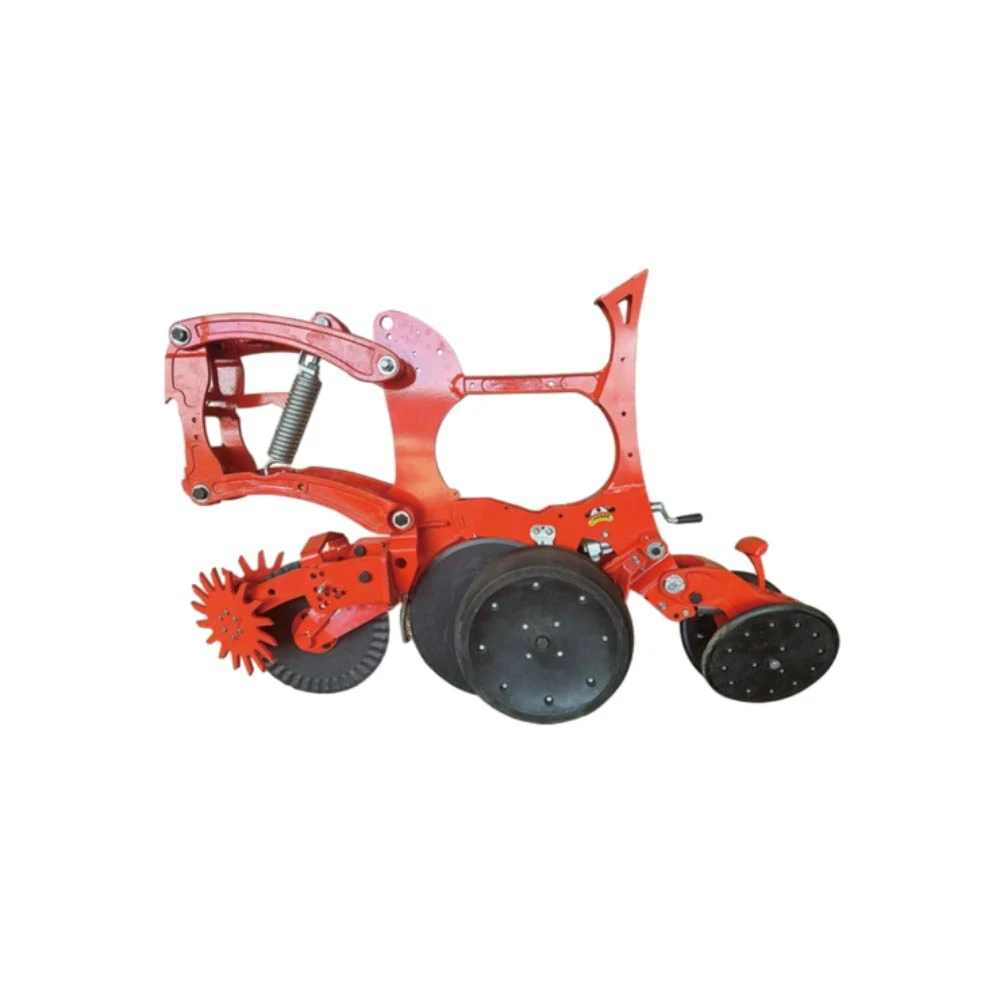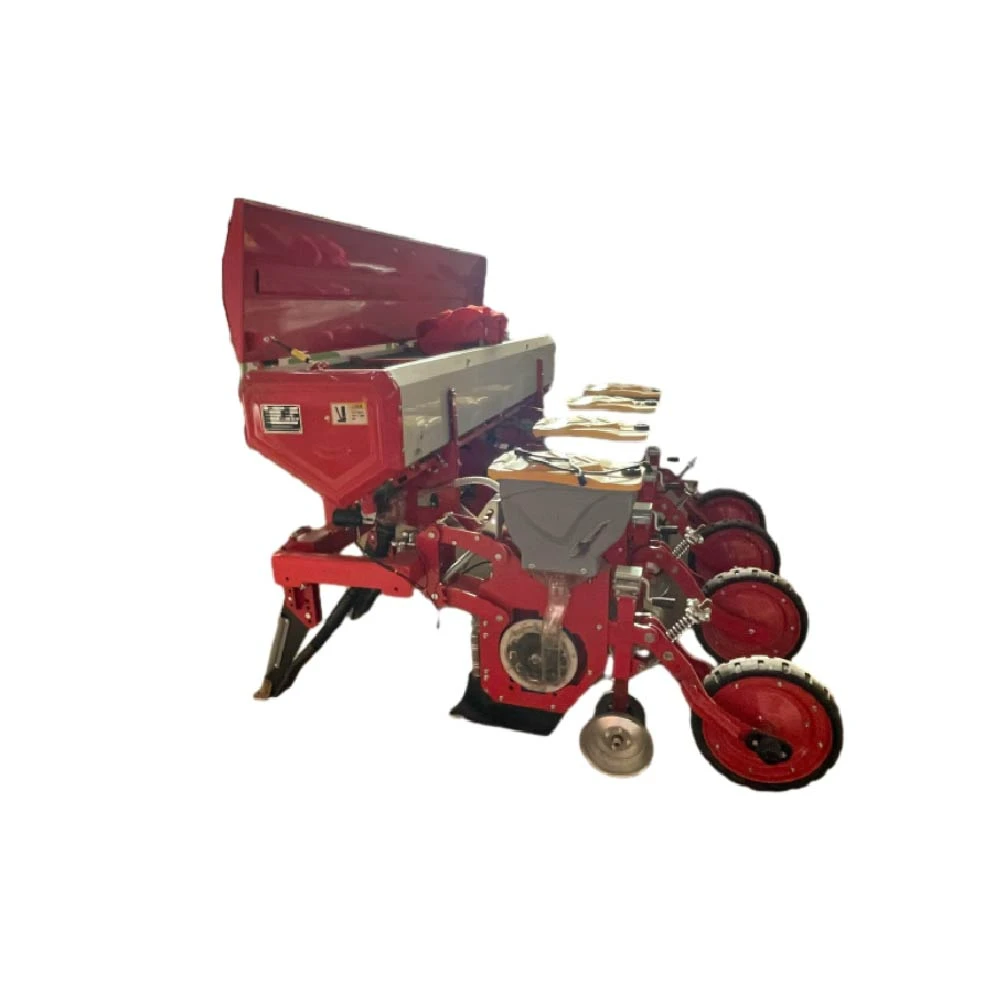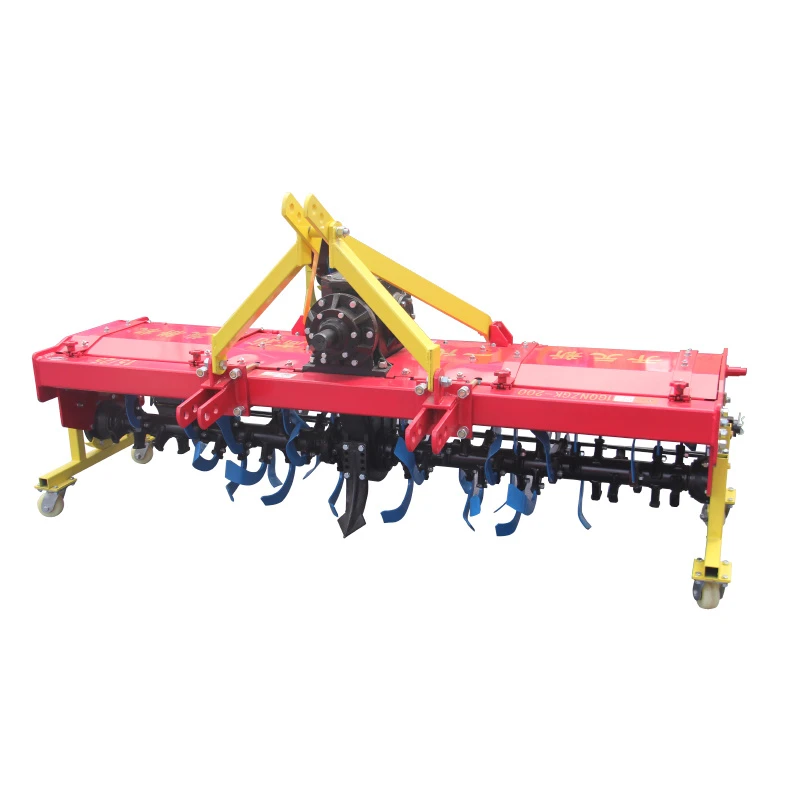
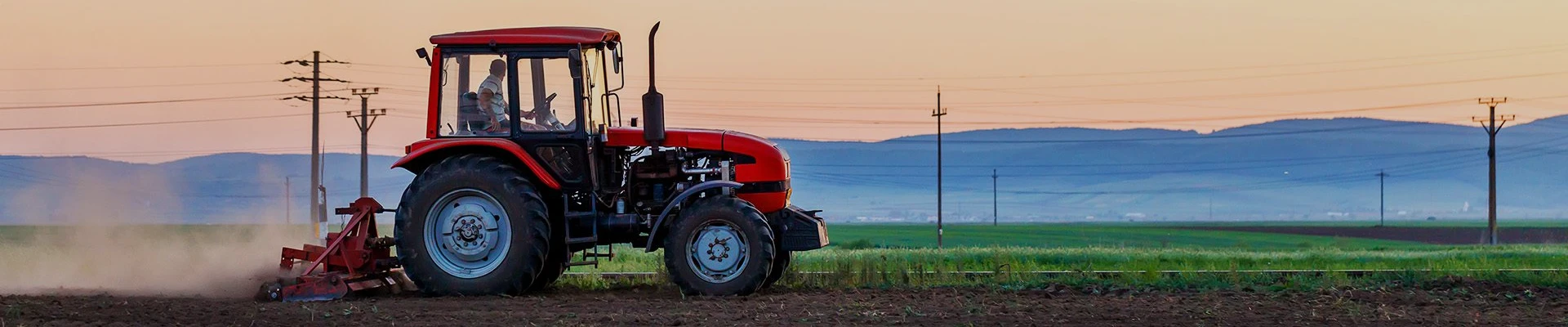
Having been around the industrial equipment sector for quite a few years now, I’ve had my fair share of conversations about seeder price. Oddly enough, it’s one of those topics that, on the surface, sounds straightforward—“What does a seeder cost?”—but in reality, it’s wrapped in a bundle of factors, from design and materials to vendor reliability and customization options.
Frankly, the first thing I noticed when comparing seeders is the variation in build quality. Some manufacturers lean heavily on economy-grade steel and basic gearboxes, whereas others invest in hardened components and precision engineering that really show up in the field. You might think this just bumps the price a bit, but long term, it can save you a lot in downtime and maintenance.
Another thing to consider is the seeder’s configuration and capacity. For instance, there are models tailored for small to medium acreages that weigh a ton less and come with fewer bells and whistles. On the other hand, the heavy-duty seeders designed for large-scale farms boast multiple seed boxes, adjustable row widths, and sometimes even GPS compatibility for precision agriculture. So naturally, price scales with these features—and not always linearly.
I remember a client who needed a seeder customized to plant a mix of crops simultaneously—corn and soybeans, to be specific. Standard models wouldn’t cut it, so the vendor worked closely with the client and delivered a configurable setup. The price was a bit steeper than the off-the-shelf units, sure, but it made operational sense over multiple planting seasons. Customization often feels like a luxury, but it can really pay off.
| Feature | Standard Seeder Model X | Heavy-Duty Seeder Model Z |
|---|---|---|
| Working Width | 3 meters | 6 meters |
| Material | High-tensile steel | Hardened alloy steel |
| Seed Hopper Capacity | 250 liters | 600 liters |
| Adjustable Row Spacing | 20-40 cm | 15-45 cm |
| Recommended Tractor Power | 40 HP | 90 HP |
| Approximate Price (USD) | $6,500 | $12,800 |
Of course, price is only half the story—vendor reputation matters, which, oddly enough, tends to get overlooked until later. I’m sure many engineers and operators will nod at that. You want to know your supplier stocks spare parts, offers timely support, and builds seeders that can withstand seasonal wear without a fuss. Sometimes, the cheapest initial price can turn costly if you’re stuck waiting for replacement parts mid-planting.
| Aspect | AgriSeed Co. | FarmTech Solutions | Langningam |
|---|---|---|---|
| Starting Price (USD) | $5,900 | $7,200 | $6,500 |
| Customization Options | Limited | Moderate | Extensive |
| After-Sales Support | Standard business hours | 24/7 hotline | Dedicated service team |
| Spare Parts Availability | Moderate | High | Excellent, fast delivery |
| Typical Warranty | 1 year | 2 years | 2 years, with option to extend |
If you’re trying to get the best bang for your buck, weigh the initial investment against expected downtime and operational efficiency. That’s where seasoned farmers and machinery managers really show their mettle: they understand that sometimes, going with a pricier but proven vendor like Langningam can avoid headaches during planting season.
I suppose, in real terms, “seeder price” is less about the sticker and more about the whole package—durability, precision, customization, and reliable service. If it feels a bit complicated, that’s because it is. But with a bit of patience and research, you can zero in on an option that won't just sit in your barn but will work consistently season after season.
That’s my two cents, at least, from the field where dirt and deadlines don’t lie.