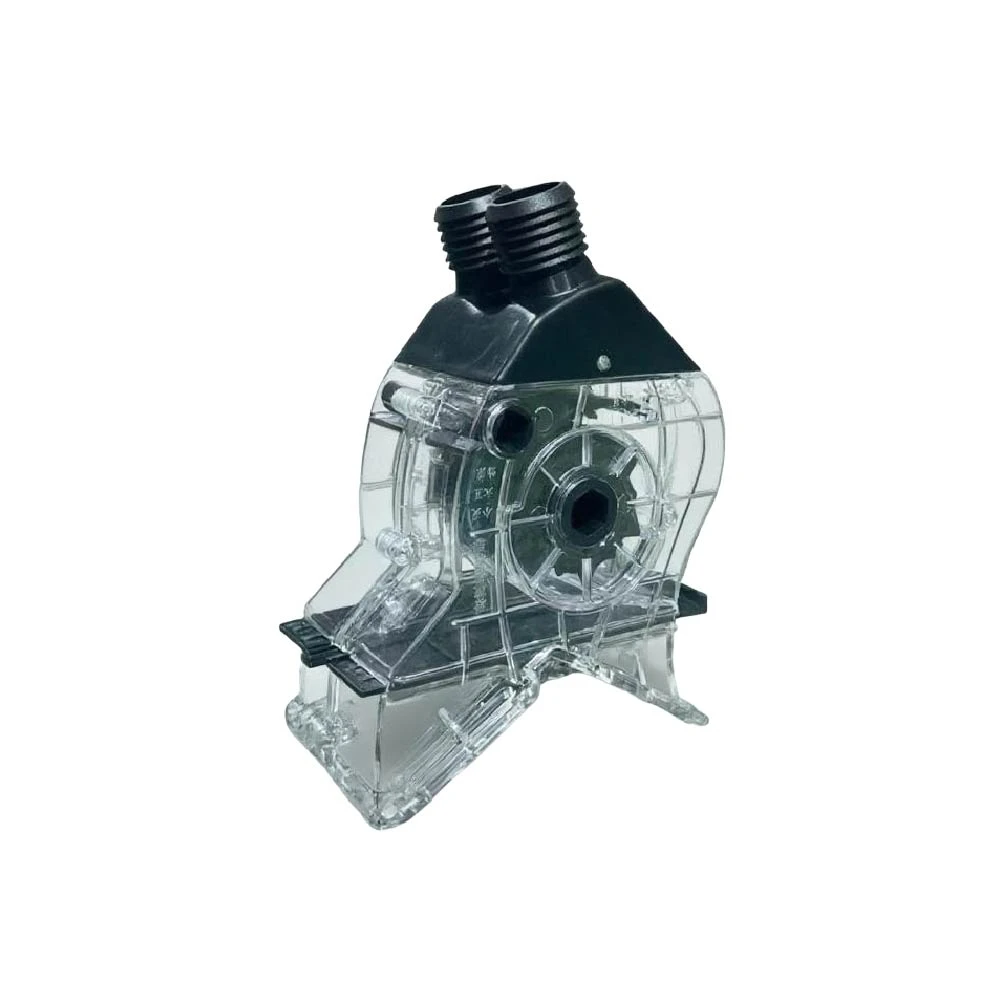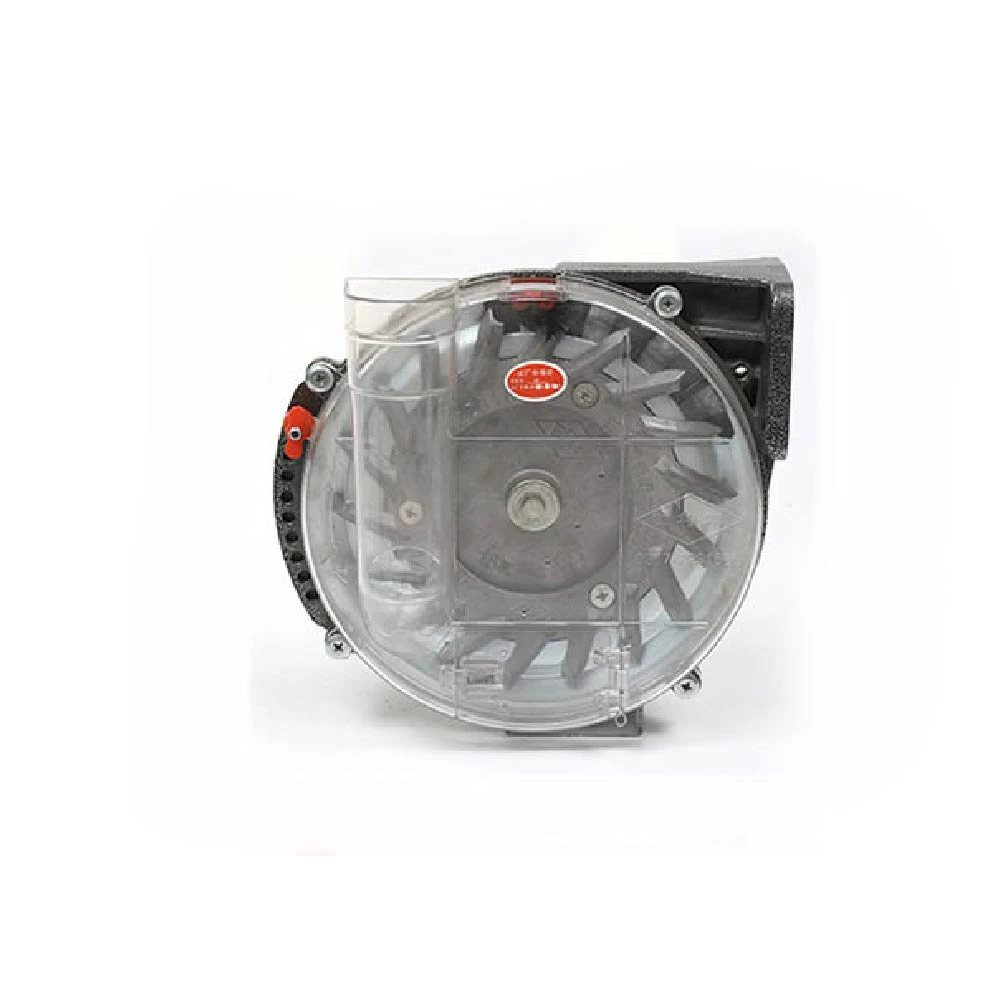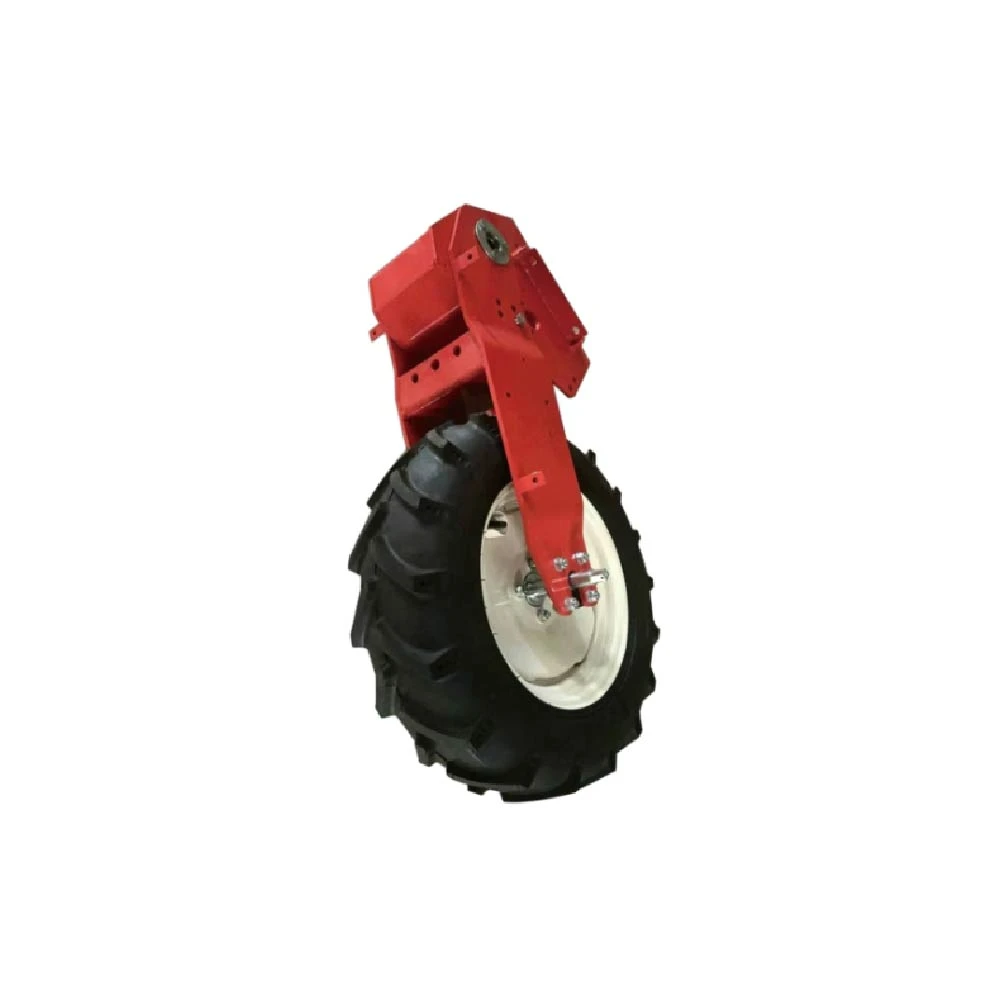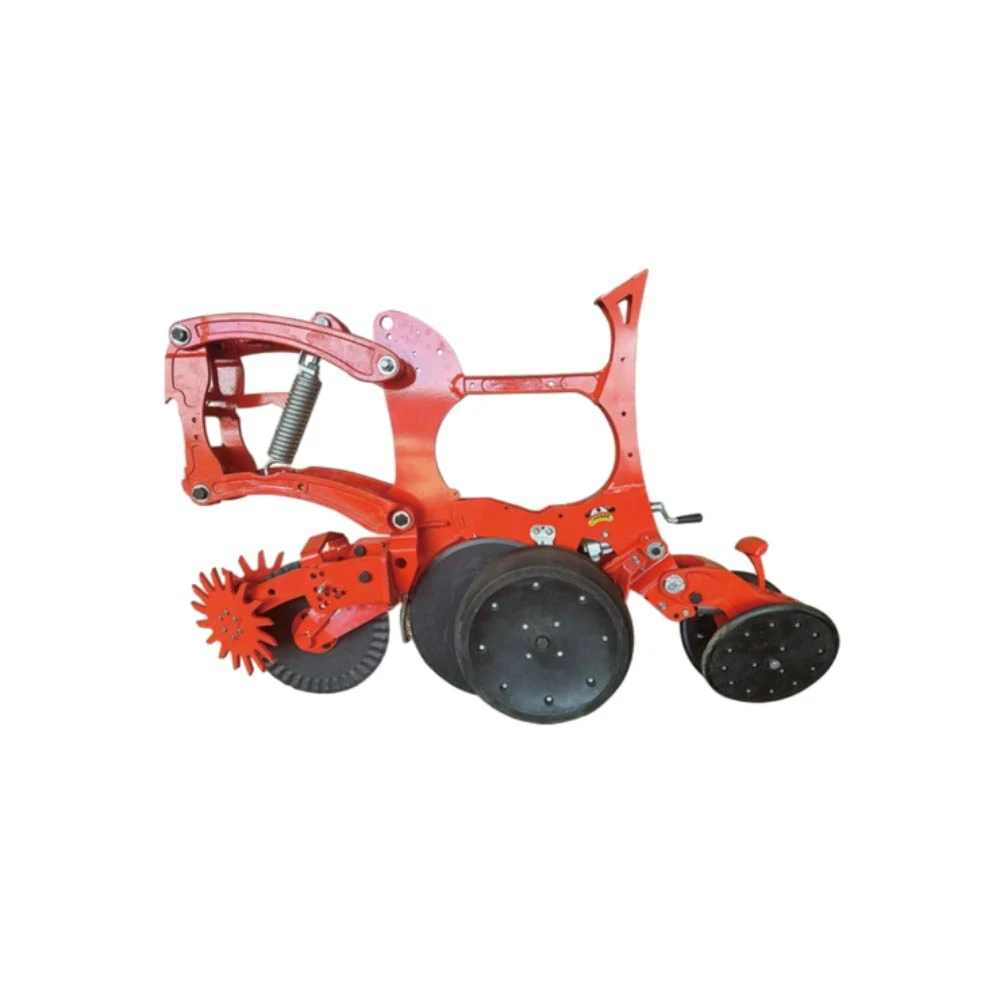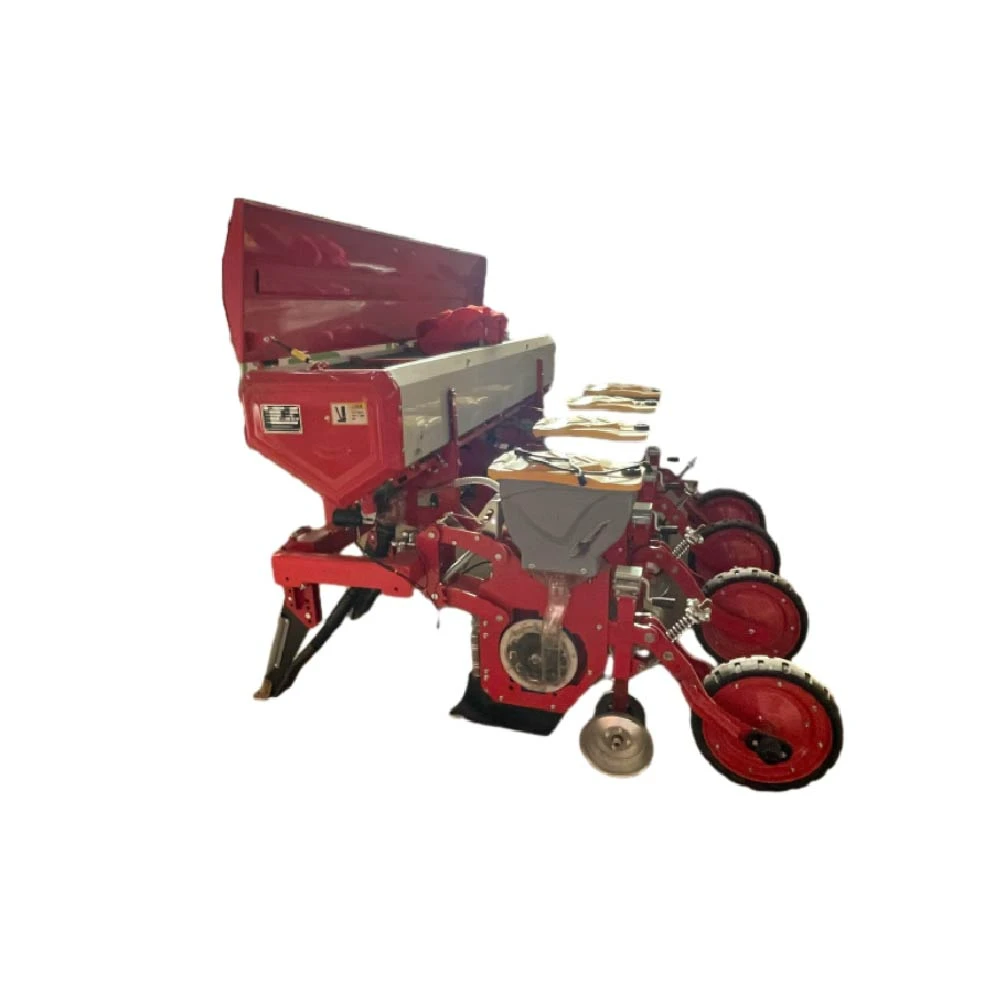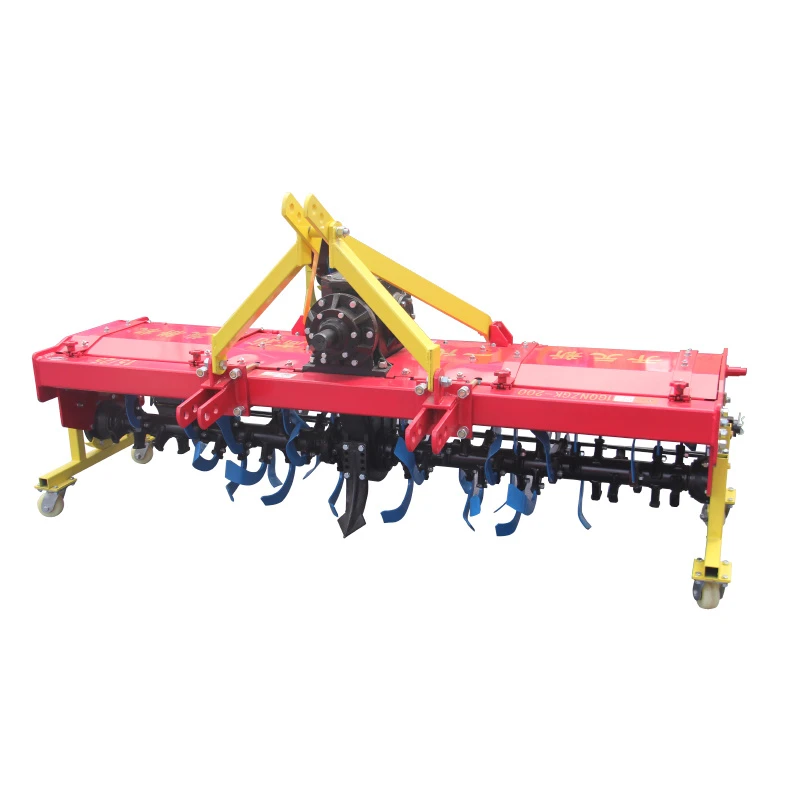
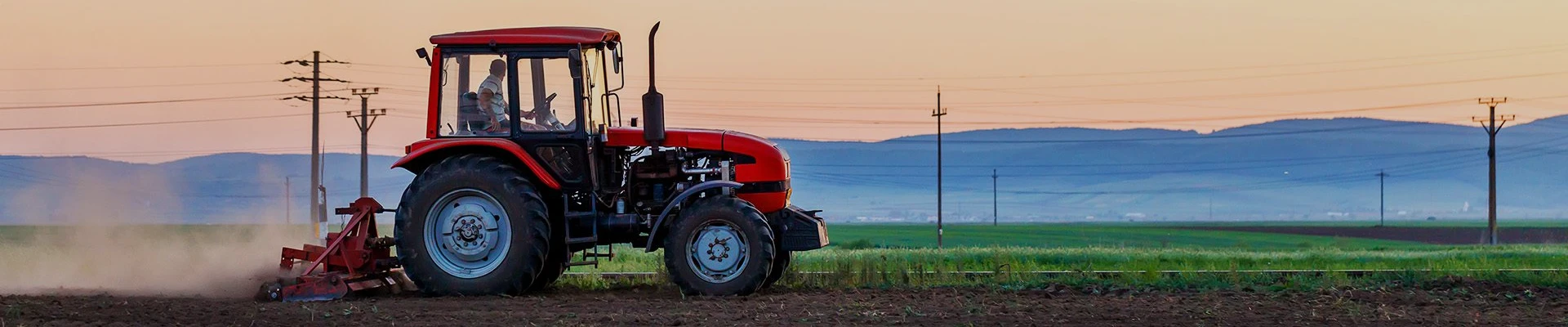
Seeder machines have quietly transformed farming, making life easier for generations of growers. But if you’re just starting to explore this space, you might wonder: what exactly is a seeder machine for sale and why has it become crucial worldwide? Simply put, seeder machines automate the process of planting seeds efficiently and consistently — a task that, if done manually, consumes significant time and labor.
The global demand for efficient farming tools is soaring as population growth pressures agriculture to produce more food sustainably. According to the United Nations Food and Agriculture Organization, mechanization is a key driver in increasing crop yields and ensuring food security. Seeder machines exemplify this shift by optimizing planting operations and reducing waste. I suppose, if you’re a farmer, agricultural entrepreneur, or involved in rural development, understanding these machines is not just helpful—it’s essential.
In simple terms, a seeder machine — sometimes called a seed drill — is an agricultural implement designed to plant seeds accurately along predefined rows or patterns. Instead of scattering seeds erratically by hand, seeder machines drop seeds at consistent depth and spacing, improving germination rates and crop uniformity.
Originally invented in the 18th century, today’s seeder machines come in many forms, from small powered units for vegetable growers to large tractor-mounted rigs for expansive grain fields. Oddly enough, they’re also critical in humanitarian agricultural projects, helping displaced communities start fresh crops quickly. So yeah, they’re not just farm gadgets but tools of resilience and renewal.
A good seeder ensures seeds are placed evenly, both in terms of spacing and depth. This precision boosts healthy plant growth and maximizes yield, which frankly is what every grower wants.
Farm equipment, after all, faces dust, dirt, rocks, and varying weather. Look for sturdy materials — steel frames, corrosion-resistant parts — that will stand the test of time and rough use.
Whether you cultivate a few acres or hundreds, choosing a machine that scales with your operation is important. Modular designs or adjustable row widths can be a game-changer.
Not every farmer has specialized mechanics at hand. Models with simple mechanical controls, easy-to-clean seed boxes, and readily available replacement parts save headaches.
It's not just the upfront price but fuel efficiency and low maintenance costs that determine long-term value. Often, investing a little more upfront pays off down the line.
From the sprawling fields of the US Midwest to the rice paddies of Southeast Asia, seeder machines are pivotal. In India, for example, government initiatives promoting mechanization have helped smallholder farmers double their productivity. Similarly, NGOs working in post-disaster #rehabilitation zones often use portable seeder machines to rapidly restore crop production — vital for local food security and economic recovery.
Industries extend beyond staple grain crops. Specialty seeders designed for vegetables, flowers, or even cover crops enable diversified farming and sustainable land management practices worldwide. So, the seeder machine is more than a tool; it’s an enabler of resilient agricultural systems.
The emotional aspect isn’t negligible either — farmers who switch from manual sowing to mechanized seeders often talk about “peace of mind” and trust in their harvest’s future. It kind of reminds you that technology, at heart, is about making lives better.
Automation and smart agriculture are no longer buzzwords but realities shaping seeder machine development. Look out for:
These innovations pave the way for greener, more efficient planting methods aligned with global sustainability goals like those outlined in the UN Sustainable Development Goals.
Of course, no technology is perfect. Challenges include:
Many vendors are addressing this by offering financing options, local service centers, and user-friendly manuals. Plus, community training programs funded by governments or NGOs have proven effective in making these machines accessible and operable.
| Specification | Details |
|---|---|
| Model | AgroSeed 3000 |
| Seeding Width | 1.5 Meters |
| Row Spacing | Adjustable, 15-30 cm |
| Power Source | Tractor PTO |
| Weight | 180 kg |
| Material | High-grade steel, corrosion-resistant coating |
| Vendor | Price Range | Support & Warranty | Key Features |
|---|---|---|---|
| AgroTech | $1,200-$1,800 | 2 years + onsite support | Adjustable rows, steel build |
| SeedPro | $1,000-$1,500 | 1 year + replacement parts | Lightweight frame, easy maintenance |
| FarmEquip | $1,500-$2,200 | 3 years + training | GPS integration, modular units |
Look at your farm size, crop type, and budget. Also, check if the model offers adjustable row spacing and easy maintenance – features that matter in daily use.
Many modern seeders are designed with suspension or adjustable wheels to handle rough fields, but overly rocky areas may require specific configurations or manual sowing.
Electric seeders reduce emissions and fuel costs, but depend on battery life and charging infrastructure, which might be limited in remote regions.
Several manufacturers and NGOs offer microloans, leasing, or cooperative buying schemes to make seeders accessible to smaller operations.
Websites like ours compile trusted vendors and models suited for all scales, ensuring you get solid customer support and warranty options.
Seeder machines aren’t just fancy tools; they’re catalysts for agricultural progress, social stability, and environmental balance. From boosting crop yields to easing farmer livelihoods, their long-term value is undeniable. If you’re considering a seeder machine for sale, weigh your needs carefully and explore options that align with sustainable and efficient farming.
Want to explore a curated selection of seeder machines? Visit us at https://www.langningam.com to find the right fit for your agricultural goals.
Reflecting on this, it feels that embracing these machines is part of a bigger story: how technology quietly but profoundly supports the world’s farmers — and, by extension, all of us who depend on their harvests.