The backbone of any successful agricultural operation is reliable and efficient farm equipment implements. From preparing the soil to harvesting crops, these tools are essential for maximizing yields and streamlining processes. This guide will delve into the world of farm implements, covering their types, uses, selection criteria, and the latest innovations. Choosing the right implements can significantly impact productivity, reduce labor costs, and ensure the long-term health of your farm. We'll explore how Langningam provides high-quality solutions for modern farming needs.
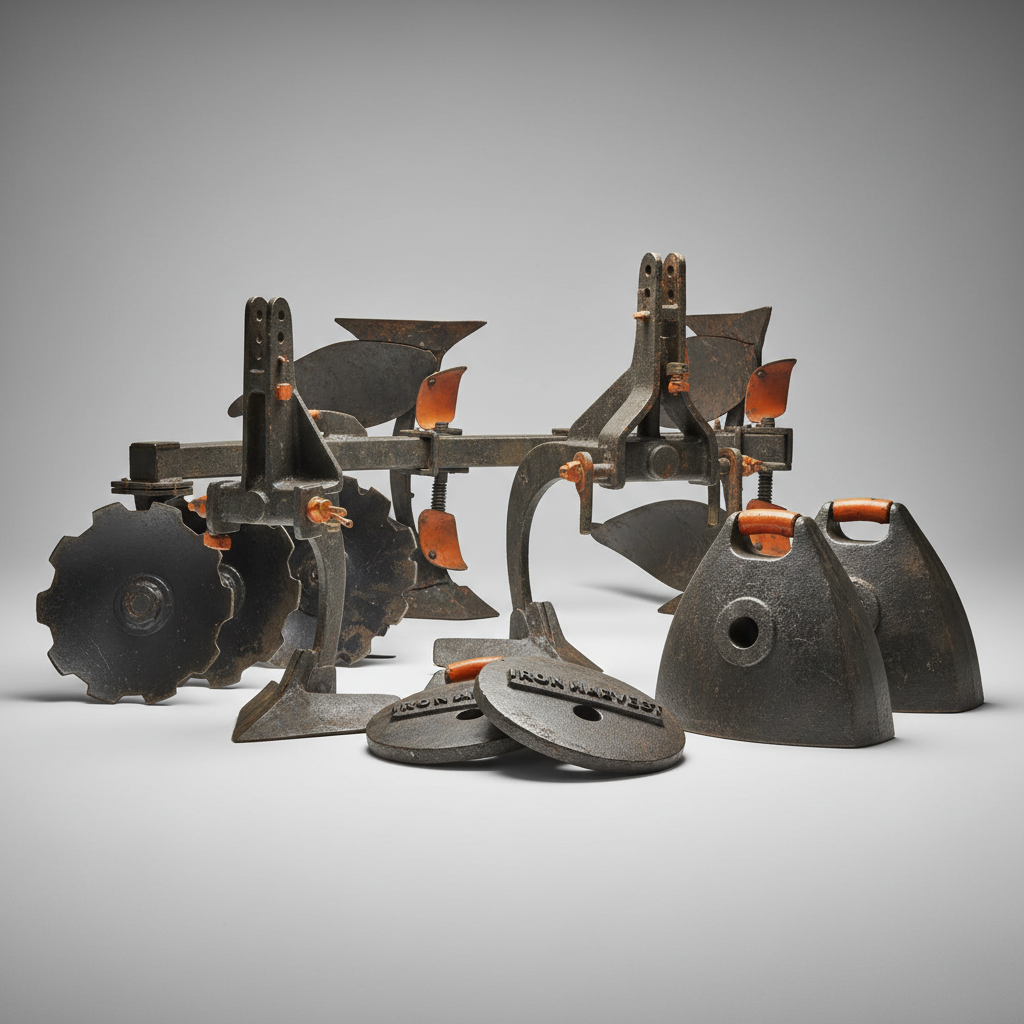
Farm implements come in a vast array of designs, each tailored to specific tasks. Broadly, they can be categorized into implements for soil preparation, planting, cultivation, harvesting, and material handling. Soil preparation implements like plows, harrows, and cultivators loosen and aerate the soil, creating an optimal seedbed. Planting implements, such as seed drills and planters, precisely place seeds at the correct depth and spacing. Cultivation implements, including hoes and weeders, control weeds and improve crop growth. Harvesting implements, ranging from reapers to combines, gather the mature crops. Finally, material handling implements like wagons and loaders transport harvested produce and other farm supplies. Understanding these categories is the first step in selecting the right tools for your operation. Langningam offers a comprehensive range of implements across all these categories.
Key Implements and Their Functions: Plows break up and turn over soil. Harrows level the soil surface. Seed drills plant seeds efficiently. Combines harvest grains. Wagons transport materials.
Selecting the appropriate farm equipment implements requires careful consideration of several factors. First, assess the size of your farm and the scale of your operations. Larger farms typically require larger, more powerful implements. Second, consider the type of crops you are growing. Different crops require different implements for optimal planting, cultivation, and harvesting. Third, evaluate your soil type. Sandy soils require different implements than clay soils. Fourth, think about your budget. Implement prices vary widely depending on their size, features, and quality. Finally, consider the availability of maintenance and repair services. Langningam's expert team can help you navigate these considerations and select the perfect implements for your specific needs.
Key Selection Factors:
• Farm Size
• Crop Type
• Soil Type
• Budget
• Maintenance Availability
Over the years, farm equipment implements have evolved significantly. Traditional implements, often manually operated or pulled by animals, were simpler in design but required more labor. Modern implements, powered by tractors and utilizing advanced technologies, offer increased efficiency and reduced labor costs. However, modern implements often come with a higher price tag and require specialized maintenance. The choice between traditional and modern implements depends on your farm's size, budget, and specific needs. Langningam provides both traditional and modern implements, catering to a diverse range of farming operations.
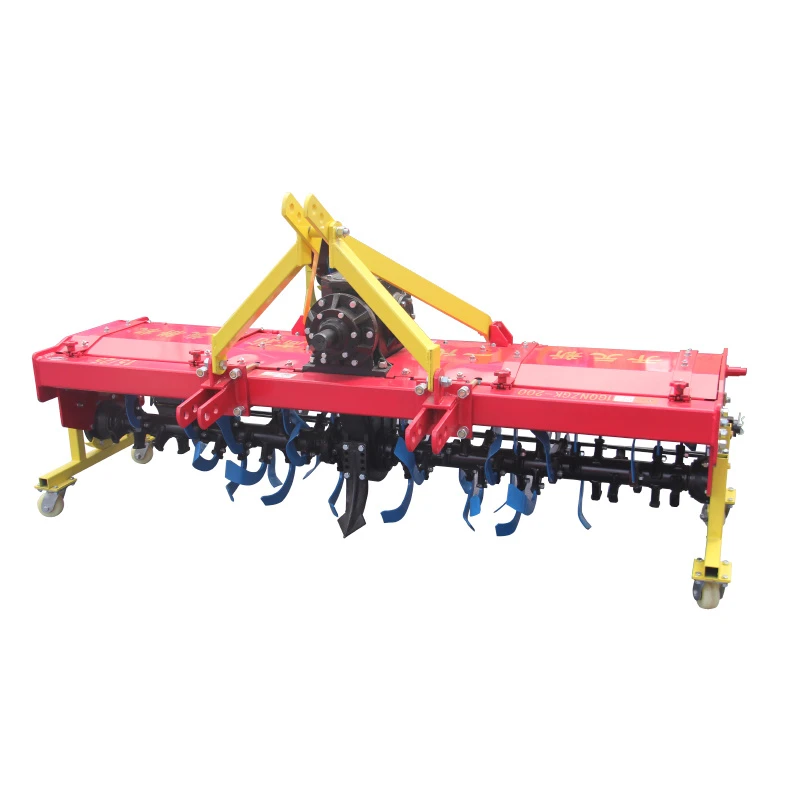
Let's look at some popular farm equipment implements and how they are utilized. Plows are used for initial soil turning, creating a foundation for planting. Seed drills accurately dispense seeds, maximizing germination rates. Harrows smooth the soil surface after plowing, preparing a fine seedbed. Cultivators remove weeds and aerate the soil between crop rows. Combines efficiently harvest grain crops, separating the grain from the chaff. Langningam offers all of these implements and more, manufactured to the highest standards.
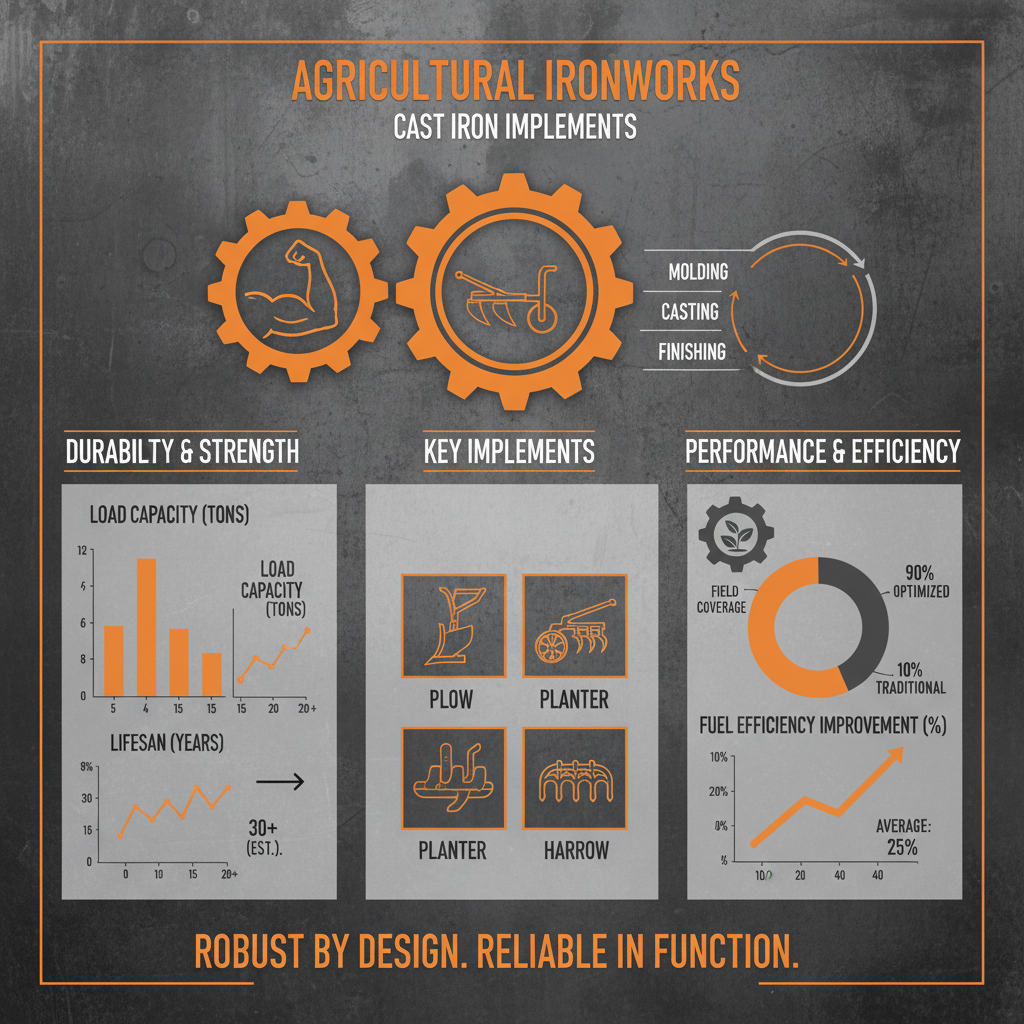
Proper maintenance is crucial for extending the life of your farm equipment implements and ensuring their optimal performance. Regular cleaning, lubrication, and inspection for wear and tear are essential. Pay close attention to moving parts, checking for loose bolts and worn bearings. Store implements in a dry, sheltered location to prevent rust and corrosion. Sharpen blades regularly to maintain cutting efficiency. Langningam provides detailed maintenance guidelines and offers replacement parts to keep your implements running smoothly.
Investing in high-quality farm equipment implements is a vital step towards a successful and sustainable agricultural operation. By carefully considering your farm's needs and choosing the right tools, you can maximize yields, reduce costs, and improve efficiency. Langningam is committed to providing farmers with the highest quality implements and exceptional customer service. Don't compromise on quality – choose Langningam for your farm equipment needs.
When selecting a plow, consider your soil type, the size of your farm, and the type of crops you're growing. Moldboard plows are best for turning over heavy soils, while chisel plows are better suited for lighter soils and residue management. Disc plows are versatile and can handle a wider range of soil conditions. Also, consider the horsepower of your tractor to ensure it can effectively pull the plow. Langningam can help you determine the best plow for your specific needs.
The frequency of sharpening cultivator blades depends on the soil type and the amount of use. As a general rule, sharpen blades after approximately 20-40 hours of use, or whenever you notice they are not cutting cleanly through the soil. Dull blades require more power to operate and can damage crops. Regularly sharpened blades ensure efficient weed control and optimal crop growth.
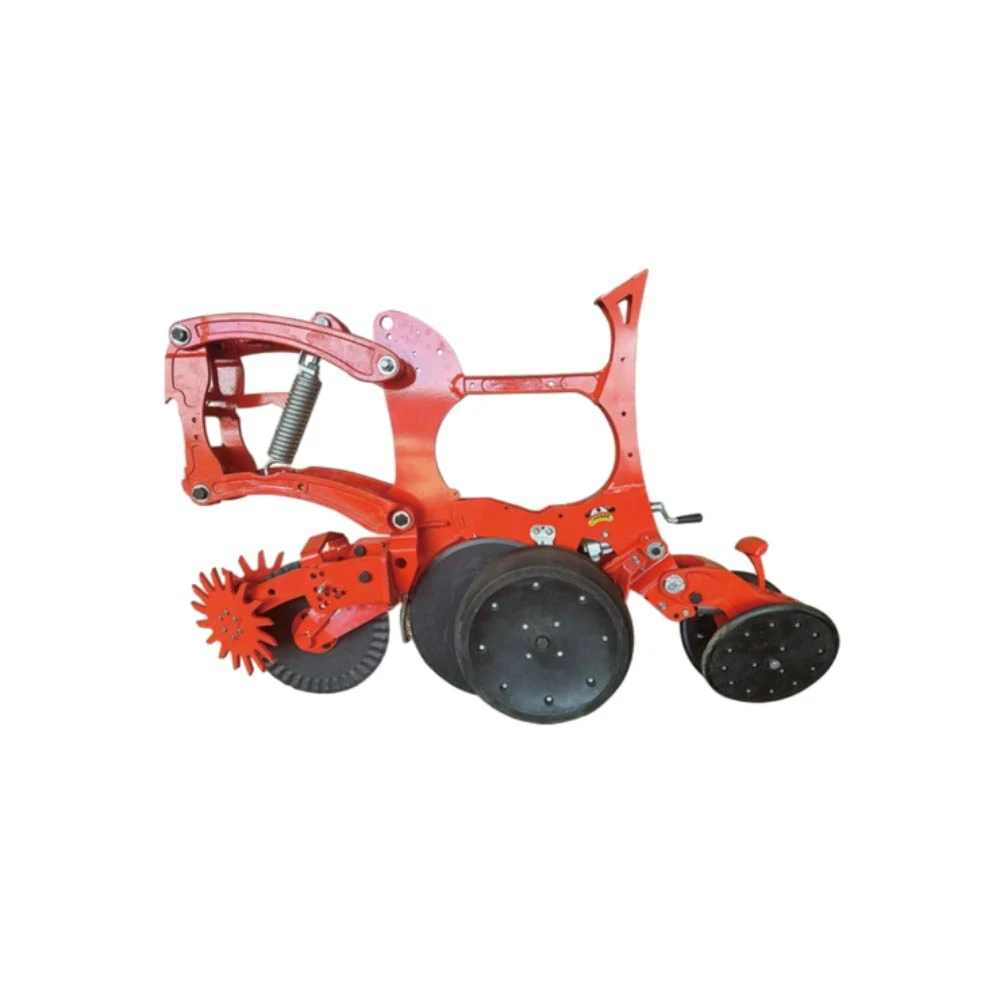
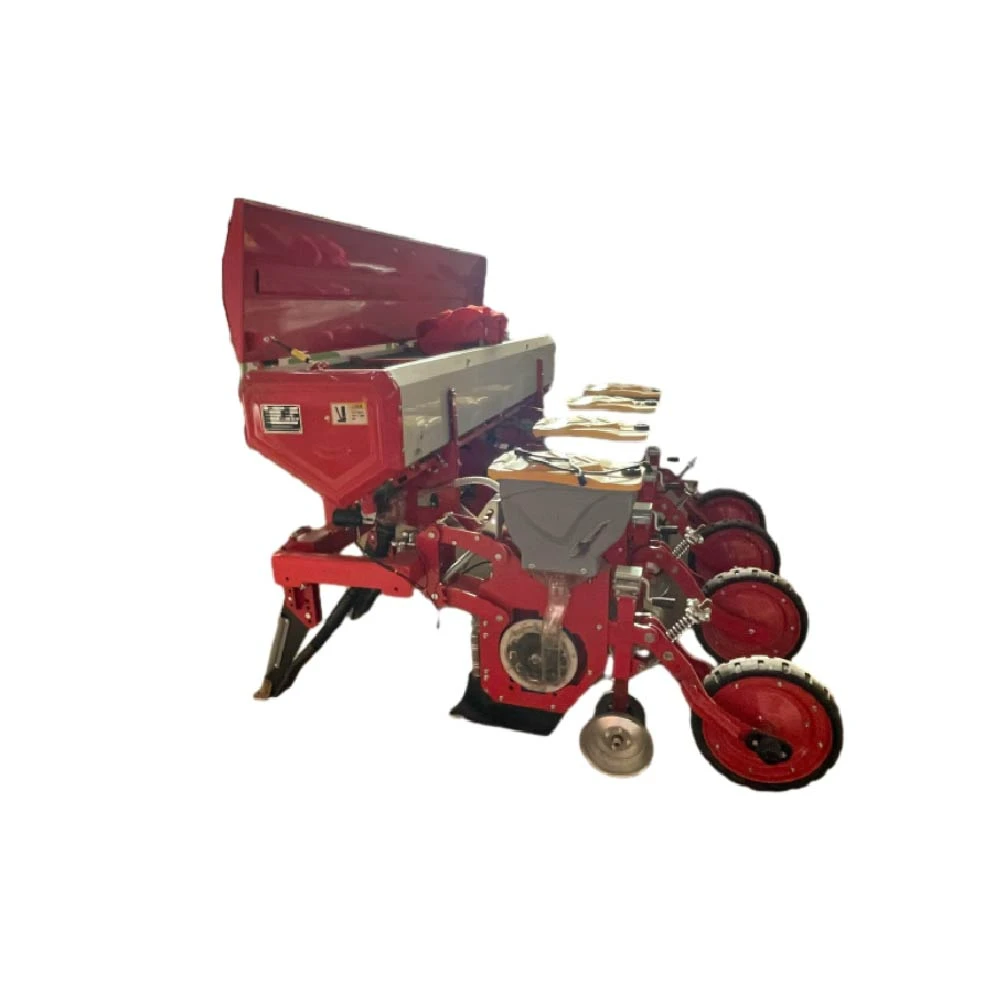
Seed drills offer several advantages over broadcasting seeds. They provide precise seed placement at the correct depth and spacing, leading to higher germination rates and more uniform crop growth. Seed drills also minimize seed waste and reduce the need for thinning. This translates to increased yields and reduced labor costs. Langningam’s seed drills are designed for accuracy and efficiency.
Proper storage is key to extending the life of your implements. Clean them thoroughly to remove dirt, debris, and plant residue. Lubricate moving parts to prevent rust and corrosion. Store implements in a dry, sheltered location, such as a barn or shed. If storing outdoors, cover them with a tarp to protect them from the elements. Always follow the manufacturer’s recommendations for specific storage instructions.