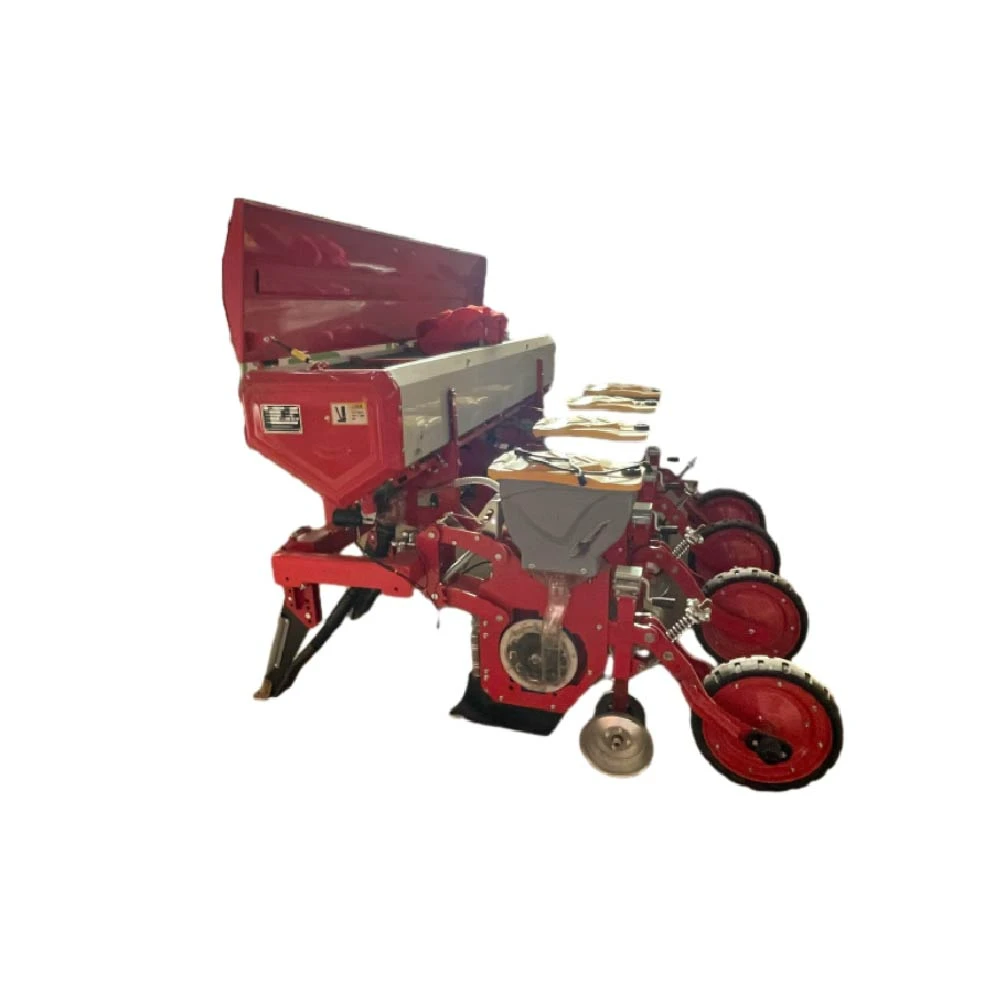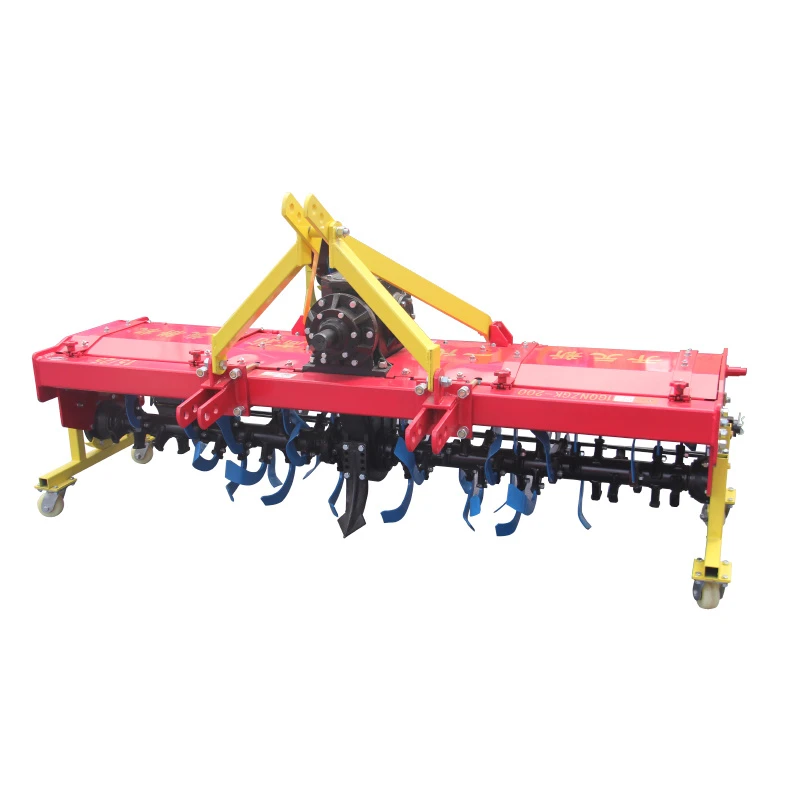

Modern agriculture relies heavily on efficient and reliable farm equipment machinery. From planting and harvesting to soil preparation and livestock management, the right machinery can significantly boost productivity, reduce labor costs, and improve overall farm profitability. This article provides a comprehensive overview of farm equipment machinery, exploring various types, key considerations when purchasing, and the latest trends in agricultural technology. Choosing the correct equipment is vital for a successful harvest and sustainable farming practices. Langningam is dedicated to providing farmers with the tools they need to thrive.
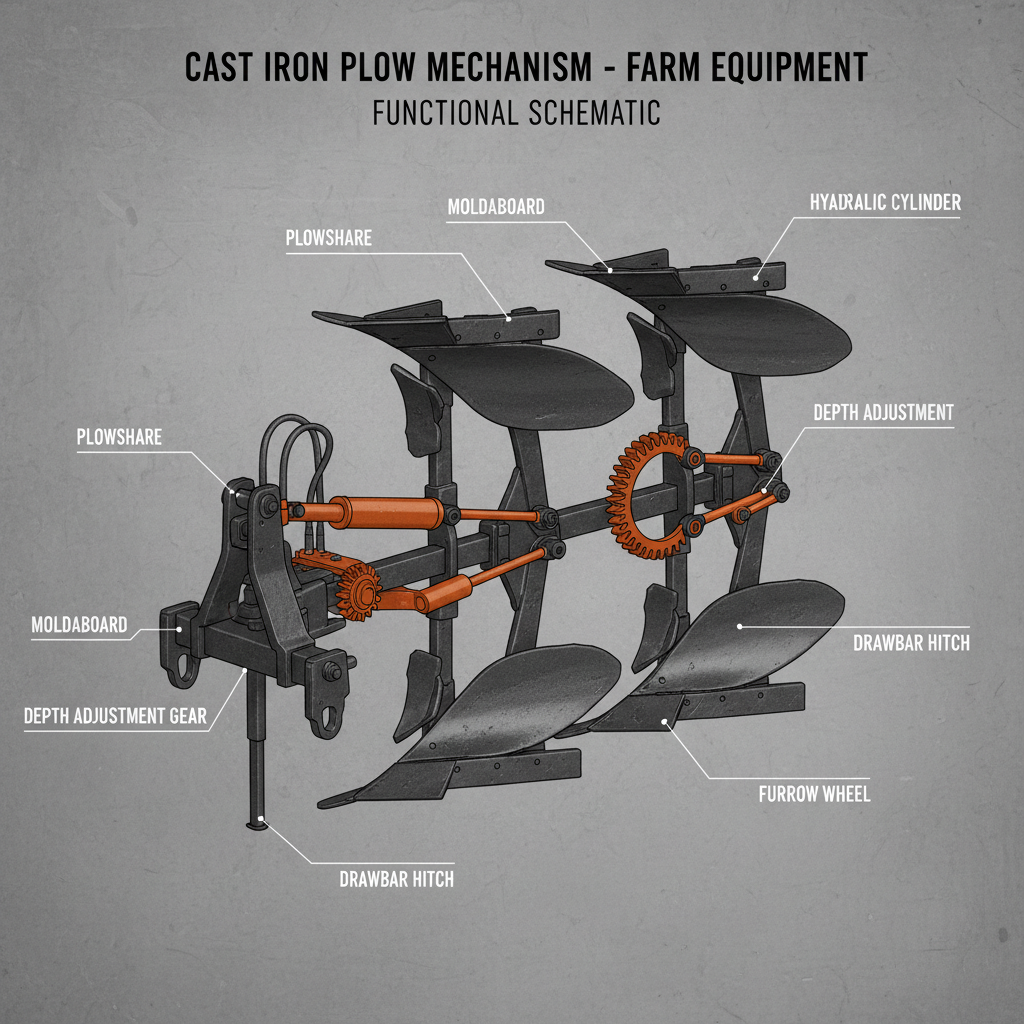
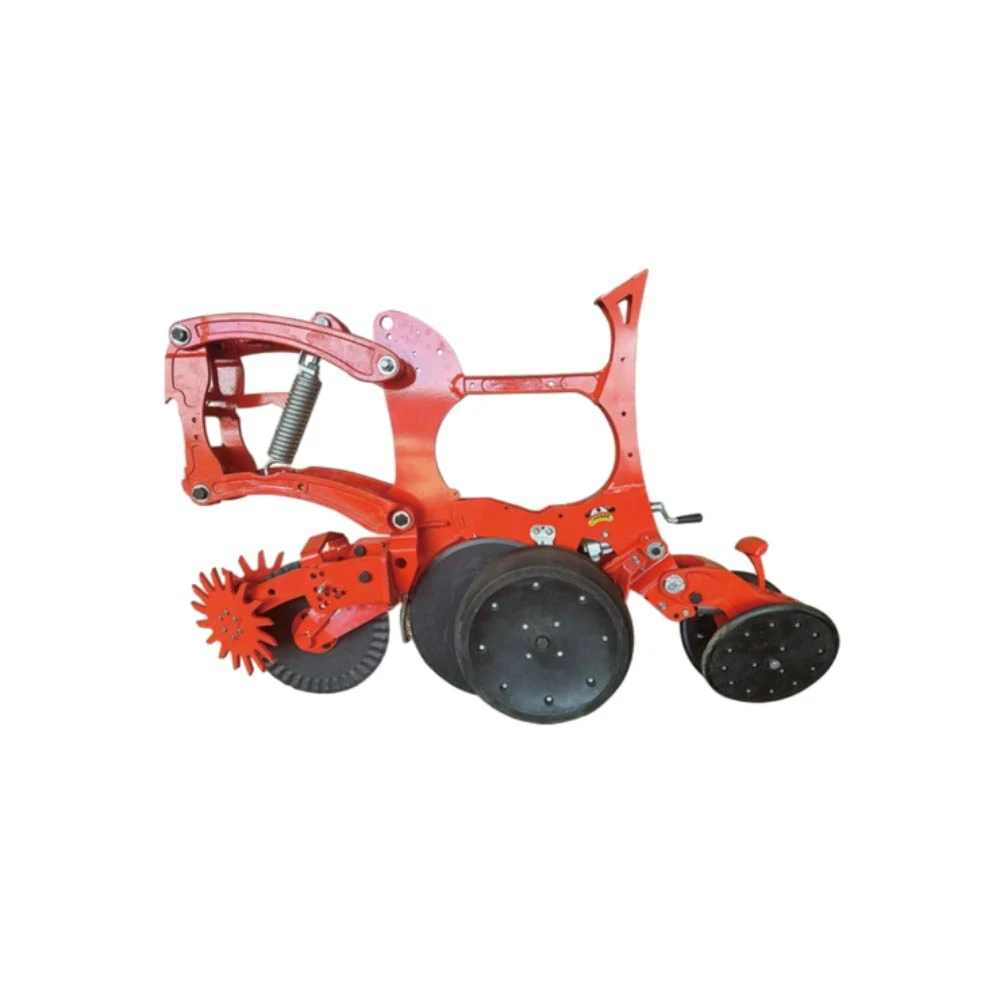
The range of farm equipment machinery is vast, catering to diverse agricultural needs. Here's a breakdown of some essential categories: Tractors are the workhorses of the farm, used for pulling implements, powering machinery, and general hauling. Planters and Seeders ensure precise and efficient sowing of seeds. Harvesters automate the process of gathering crops, significantly reducing labor requirements. Tillage Equipment, like plows and cultivators, prepares the soil for planting. Haying Equipment is essential for preserving forage for livestock. Finally, Sprayers and Spreaders apply fertilizers, pesticides, and herbicides to protect crops and maximize yields. Understanding the specific needs of your farm is crucial when selecting the appropriate machinery.
Key Takeaway: Selecting the right farm equipment machinery requires a thorough assessment of your farm’s size, type of crops, and specific operational needs.
Purchasing farm equipment is a significant investment. Several factors should be carefully considered: Farm Size and Type of Operation – Larger farms typically require larger and more powerful machinery. Budget – Establish a realistic budget and explore financing options. Fuel Efficiency – Modern machinery offers improved fuel efficiency, reducing operating costs. Maintenance Requirements – Consider the ease of maintenance and availability of spare parts. Dealer Support – Choose a reputable dealer with reliable service and support. Technology Integration – Explore features like GPS guidance, precision farming tools, and data analytics. Investing in quality machinery and establishing a robust maintenance plan are vital for long-term success.
Key Selection Criteria:
• Farm size and operation type
• Budget and financing options
• Fuel efficiency and operating costs
• Maintenance needs and parts availability
Tractors are the foundation of most farming operations. Understanding the different types of tractors is essential for making the right choice. Compact tractors are ideal for smaller farms and hobby farms, while utility tractors offer more power and versatility for medium-sized operations. Row crop tractors are specifically designed for planting and harvesting row crops, and four-wheel-drive tractors provide superior traction for demanding tasks.
The agricultural industry is rapidly evolving, driven by technological advancements. Precision farming, utilizing GPS, sensors, and data analytics, is becoming increasingly prevalent. Autonomous machinery, such as self-driving tractors and drones, promises to revolutionize farming practices. Electric farm equipment is also gaining traction, offering a more sustainable and environmentally friendly alternative to traditional fossil fuel-powered machines. Langningam stays at the forefront of these innovations, offering farmers access to cutting-edge technology.
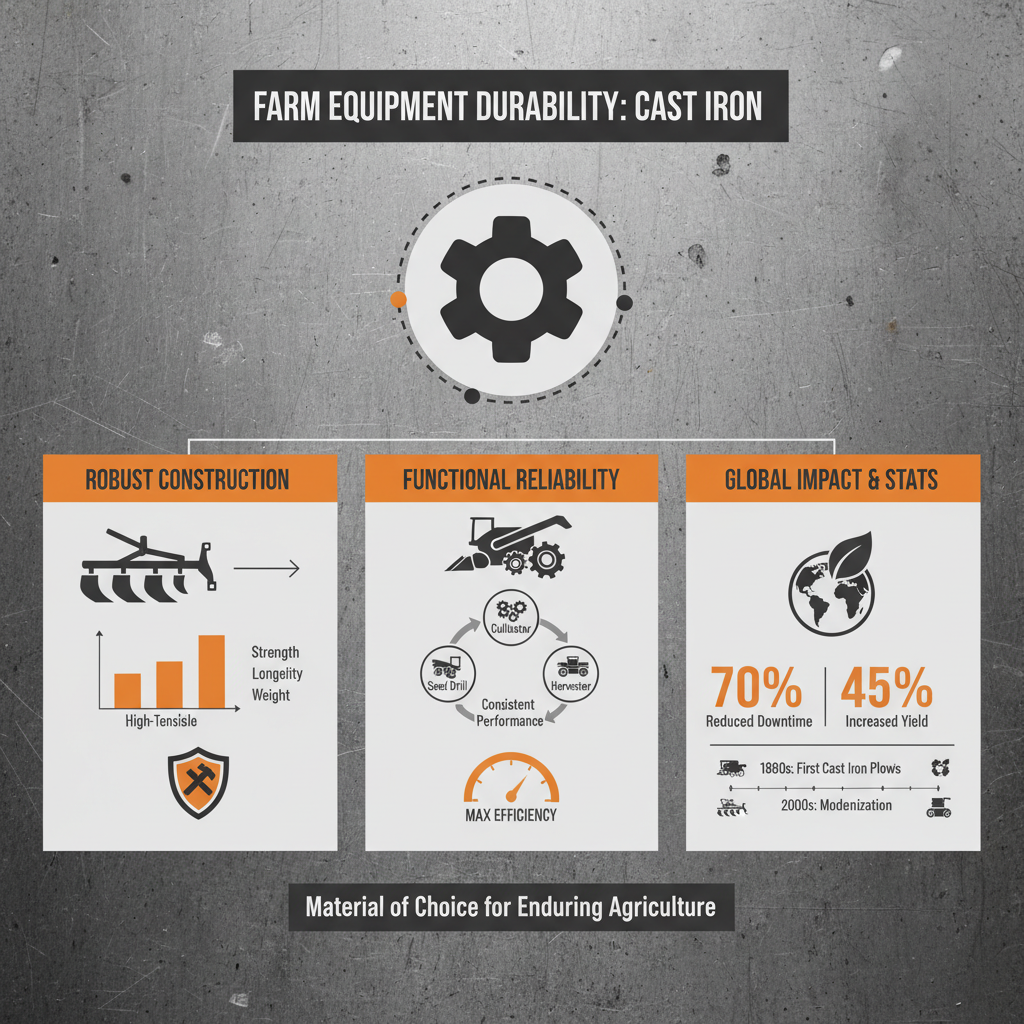
Regular maintenance is crucial for extending the lifespan and maximizing the performance of your farm equipment. This includes routine inspections, lubrication, fluid changes, and timely repairs. Keeping detailed maintenance records can help identify potential problems early on. Investing in preventative maintenance can save you significant costs in the long run by preventing costly breakdowns and downtime. Professional servicing from a qualified technician is recommended for complex repairs.
Investing in the right farm equipment machinery is a pivotal decision for any agricultural operation. By carefully considering your farm’s specific needs, budget, and future goals, you can select the machinery that will drive efficiency, productivity, and profitability. Langningam is dedicated to partnering with farmers to provide innovative and reliable solutions for their evolving needs. Don't settle for less – choose the equipment that empowers your farm for success.
Precision farming technology allows farmers to optimize resource utilization, reduce waste, and improve crop yields. By using GPS, sensors, and data analytics, farmers can tailor their inputs – such as fertilizers, pesticides, and water – to the specific needs of each area of their field. This leads to increased efficiency, reduced environmental impact, and improved profitability. Precision farming also enables better monitoring of crop health and early detection of potential problems.
The frequency of maintenance depends on the type of equipment and the intensity of its use. However, a general rule of thumb is to perform routine inspections and lubrication before each use, and to follow the manufacturer's recommended maintenance schedule for fluid changes, filter replacements, and other preventative measures. Regular maintenance can prevent costly breakdowns and extend the lifespan of your equipment.
Electric farm equipment offers several advantages, including reduced emissions, lower operating costs, and quieter operation. Electric machines don't produce exhaust fumes, making them a more environmentally friendly option. They also require less maintenance than traditional fossil fuel-powered machines. While the initial investment may be higher, the long-term cost savings and environmental benefits can make electric equipment a worthwhile investment.
Finding a reputable supplier is crucial for ensuring you get quality equipment and reliable service. Langningam is a trusted supplier of farm equipment machinery, offering a wide range of products and excellent customer support. Consider researching different suppliers, reading reviews, and comparing prices before making a purchase.