Achieving optimal crop yields begins with precise seed placement, yet for many small-to-medium scale farmers, the cost of high-end machinery can be a significant barrier. A cheap seed spreader offers a pragmatic solution, bridging the gap between labor-intensive hand-sowing and prohibitively expensive industrial planters. By automating the distribution of seeds, these tools ensure a more uniform growth pattern, which is critical for maximizing land utility and resource efficiency.
Globally, the demand for accessible agricultural technology is rising as food security becomes a paramount concern for the UN and World Bank. The integration of a cheap seed spreader into a farming operation allows for a scalable approach to agriculture, enabling farmers in developing regions to transition from subsistence farming to commercial production. This shift is not merely about speed, but about the precision and reliability that a mechanical spreader provides over manual methods.
Understanding the balance between affordability and performance is key to selecting the right equipment. While the term "cheap" often implies a compromise, modern manufacturing in the agricultural machinery sector has evolved to provide budget-friendly options that do not sacrifice core functionality. Investing in a cheap seed spreader allows growers to allocate their limited capital toward high-quality seeds and organic fertilizers while still benefiting from mechanical efficiency.
Global Relevance of Budget Seeding Solutions
In the current global economic climate, the agricultural sector faces the dual challenge of increasing food production while reducing operational overhead. For many farmers in Southeast Asia and Sub-Saharan Africa, the adoption of a cheap seed spreader is a critical step toward modernization. By reducing the reliance on manual labor, which is often inconsistent and slow, these tools allow for a more rapid response to planting windows, which are increasingly unpredictable due to climate change.
Furthermore, the democratization of farming technology means that high-efficiency seed distribution is no longer reserved for large corporate estates. Small-scale cooperatives are now utilizing affordable machinery to improve their crop density and reduce seed waste. This systemic shift not only improves the livelihood of the individual farmer but also enhances the overall food security of the region by optimizing the output per hectare.
Defining the Modern Cheap Seed Spreader
A cheap seed spreader is defined as a mechanical device designed to distribute seeds over a designated area of land in a uniform manner, priced at a point accessible to small-scale operators. Unlike high-end pneumatic planters, these spreaders typically rely on gravity-fed systems or simple centrifugal disks to disperse seeds. They are engineered to be lightweight, easy to operate, and simple to maintain, making them ideal for varied terrains.
From a technical perspective, these machines focus on "essentialism"—stripping away unnecessary electronic sensors and complex hydraulics in favor of robust mechanical linkages. This approach ensures that the equipment remains functional in remote areas where specialized technicians are unavailable. The connection to humanitarian needs is clear: by lowering the entry barrier for mechanization, these tools empower marginalized farmers to increase their productivity without incurring unsustainable debt.
In the context of the wider farm machinery parts market, the affordable spreader represents a balance between manual sowing and fully automated seeding equipment. It serves as a transitional technology that introduces the concept of precision agriculture to users who are just beginning to move away from traditional hand-broadcasting methods, ensuring that seed utilization is optimized for every square inch of soil.
Core Components of Affordable Spreaders
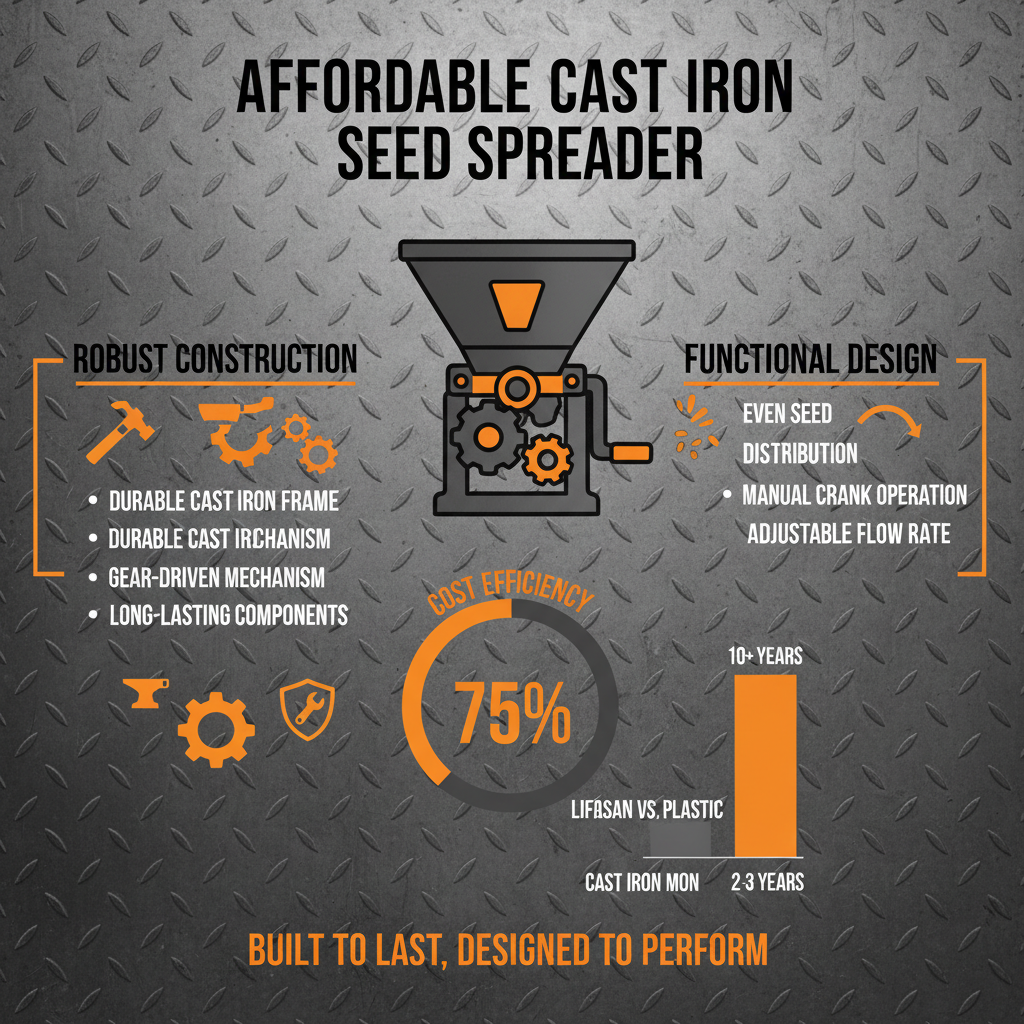
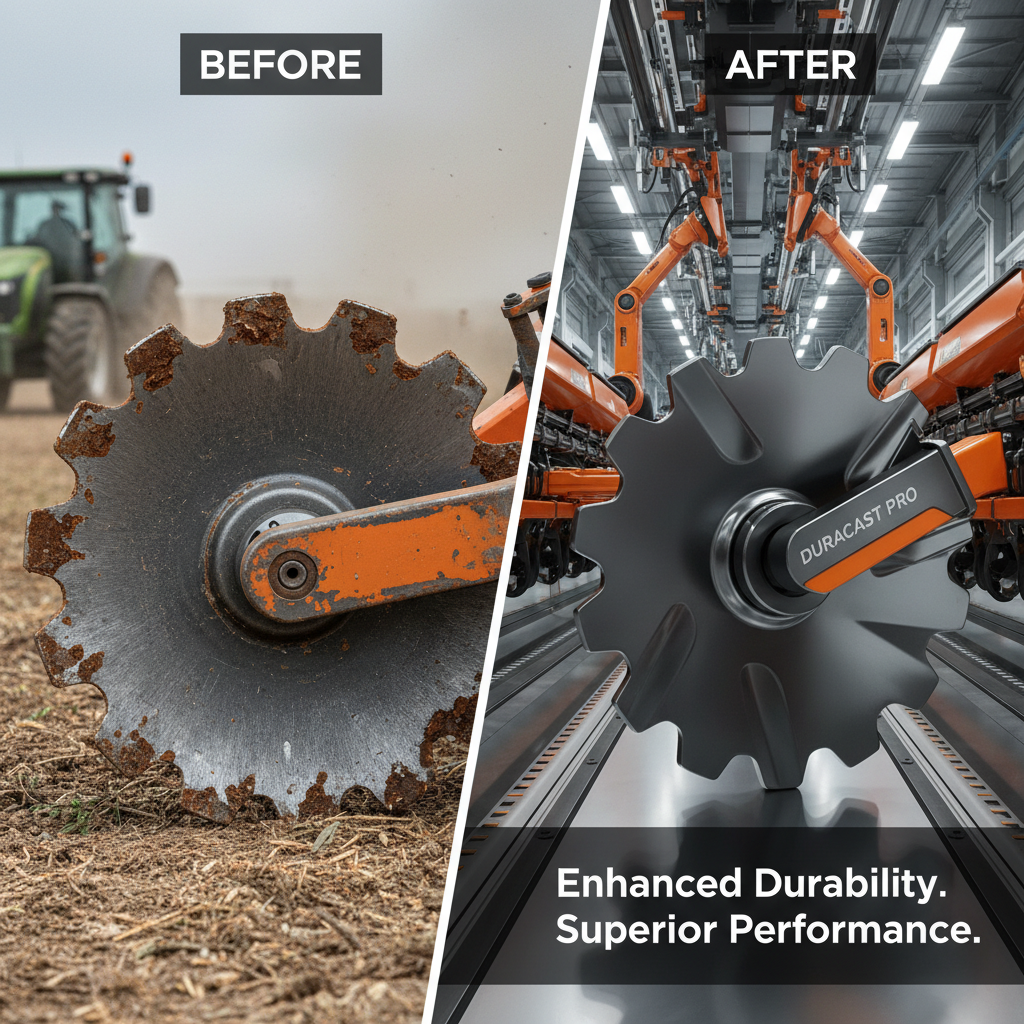
Durability is the first pillar of a reliable cheap seed spreader. Most budget-friendly models utilize reinforced polymer hoppers or powder-coated steel frames to resist corrosion from moisture and fertilizers. This ensures that the machine can withstand the rigors of outdoor storage and heavy seasonal use without requiring frequent replacements of the chassis.
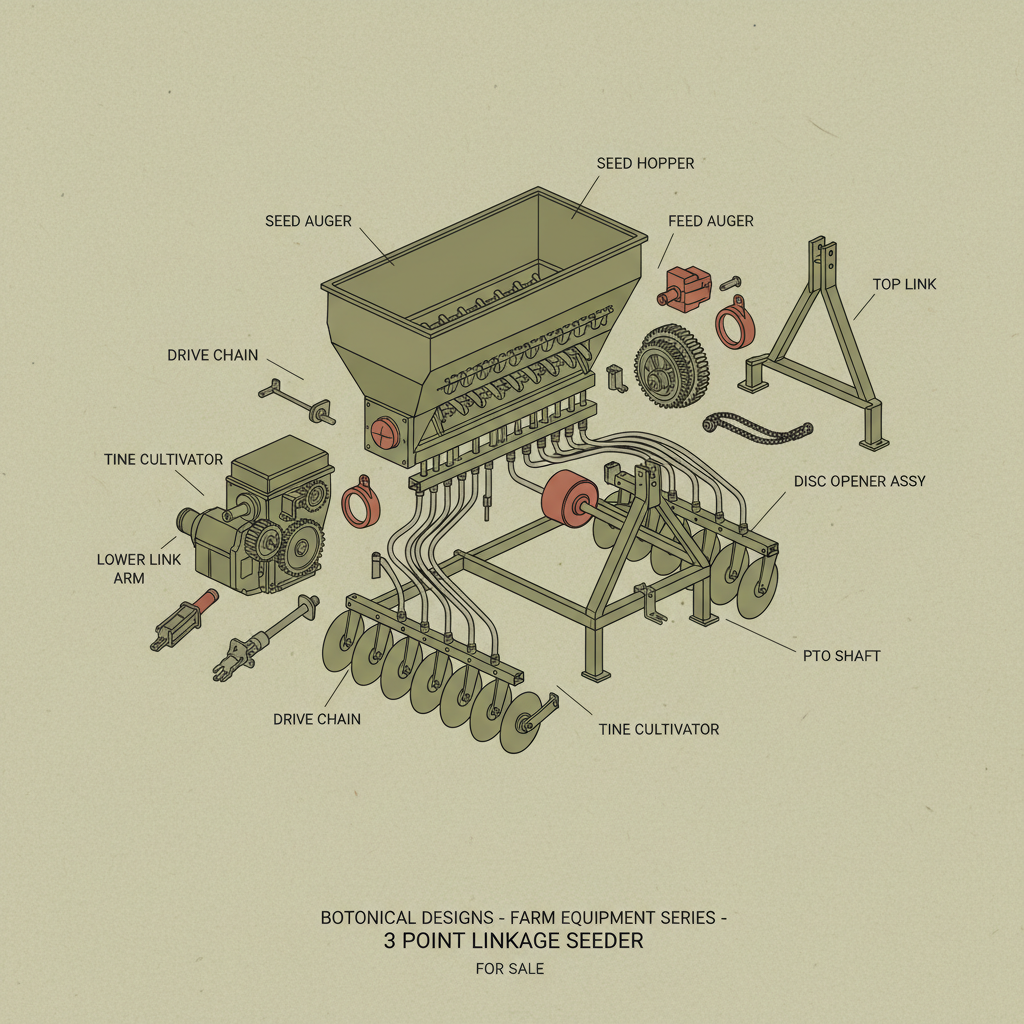
Cost efficiency is achieved through the simplification of the drive mechanism. A high-quality cheap seed spreader typically employs a manual crank or a simple belt-drive system connected to a tractor's PTO. By minimizing the number of moving parts, manufacturers can lower the retail price while simultaneously reducing the potential points of mechanical failure.
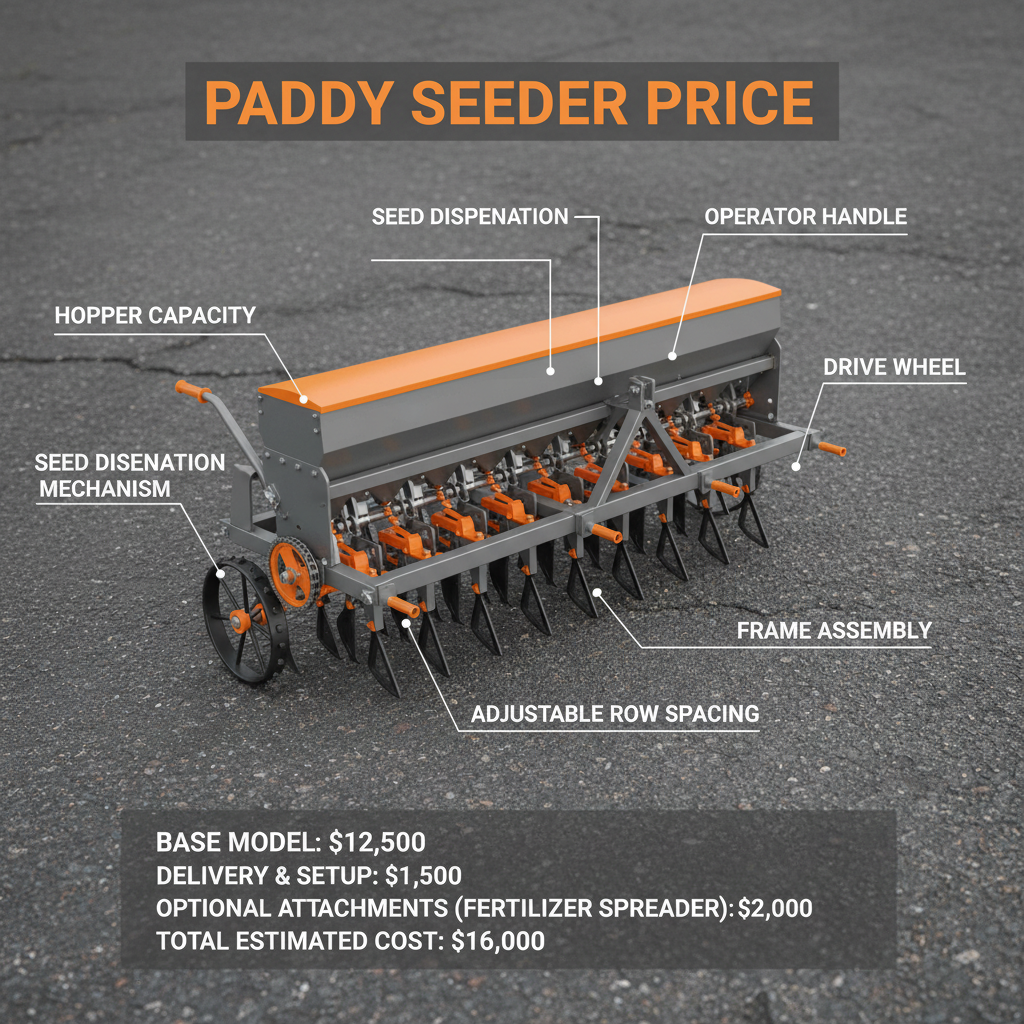
Scalability and adaptability are also key. Many of these spreaders feature adjustable flow gates, allowing the operator to control the volume of seeds released based on the seed size and the desired planting density. This flexibility makes the cheap seed spreader suitable for a wide range of crops, from cover crops and grass seeds to small vegetable seeds.
Performance Metrics and Cost Efficiency
When evaluating the effectiveness of a cheap seed spreader, it is essential to look at the ratio of "Cost per Hectare" versus "Seed Distribution Accuracy." While a professional-grade industrial seeder may offer 99% precision, a well-designed budget spreader can often achieve 85-90% precision at a fraction of the initial investment cost. For many growers, this trade-off is economically logical.
The operational efficiency of these tools is further highlighted when comparing different drive methods. Whether it is a push-style spreader for small gardens or a tow-behind model for larger fields, the goal remains the same: reducing the time spent per acre while maintaining a consistent seed blanket.
Comparison of Budget Seeding Efficiency
Global Applications and Regional Use Cases
In real-world contexts, the cheap seed spreader is employed across diverse landscapes. In the rolling hills of the Mediterranean, small vineyards use these spreaders to plant cover crops that prevent soil erosion and improve nitrogen levels. The simplicity of the machine allows it to be maneuvered in tight spaces where larger tractors cannot fit, demonstrating the inherent value of a compact, affordable design.
Similarly, in post-disaster relief operations where food autonomy must be quickly re-established, NGOs often distribute lightweight, low-cost seeding tools. By providing a cheap seed spreader to displaced communities, aid organizations can help farmers restart their production cycles in a fraction of the time it would take to sow by hand, directly contributing to the immediate recovery of local food systems.
Long-Term Value and Sustainability
The long-term value of a cheap seed spreader extends beyond the initial purchase price. By promoting a more precise application of seeds, these machines reduce the amount of wasted seed that often occurs during hand-broadcasting, where seeds may be clumped in some areas and absent in others. This reduction in waste leads to a direct cost saving over several planting seasons, effectively paying for the machine itself.
From a sustainability angle, the use of budget-friendly mechanical spreaders encourages the adoption of cover cropping. Because the cost of implementing a cover crop strategy is lowered by the availability of an affordable spreader, more farmers are likely to adopt regenerative practices. This leads to healthier soil structures, increased carbon sequestration, and a decrease in the need for chemical fertilizers.
Emotionally, the transition to mechanization—even at a low cost—provides a sense of dignity and professional growth for the farmer. It shifts the perception of farming from a grueling manual chore to a managed technical process. This psychological shift is often the catalyst for further innovation on the farm, as growers become more confident in exploring other affordable technological upgrades.
Future Innovations in Low-Cost Seeding
Looking ahead, the evolution of the cheap seed spreader is being driven by materials science. We are seeing a move toward the use of recycled high-density polyethylene (HDPE), which not only lowers the production cost but also reduces the environmental footprint of the machinery. These new materials are as durable as steel but significantly lighter, further improving the ease of transport and operation.
Digital transformation is also trickling down to the budget sector. While we may not see fully autonomous robots in the "cheap" category immediately, we are seeing the introduction of simple, mechanical "metering" guides that can be calibrated using a smartphone app. This allows a basic cheap seed spreader to operate with a level of precision that was previously only available in high-end equipment.
Furthermore, the trend toward "modular" farm equipment means that budget spreaders are being designed with interchangeable parts. This allows a farmer to start with a basic model and add attachments—such as a larger hopper or a different dispersal disk—as their operation grows. This "grow-with-the-farmer" approach ensures that the technology remains accessible throughout the entire lifecycle of a farming business.
Analysis of Low-Cost Seeding Technology Trends
| Innovation Driver |
Technical Change |
Impact on Cost |
Efficiency Gain |
| Recycled Plastics |
HDPE Hopper Integration |
Lowers by 15% |
High (Weight Reduction) |
| Modular Design |
Interchangeable Disks |
Moderate (Initial) |
Very High (Versatility) |
| Digital Calibration |
App-based Flow Guides |
Negligible Increase |
High (Accuracy) |
| Gravity-Feed Opt. |
Optimized Funnel Angles |
Decreases Cost |
Moderate (Flow Speed) |
| Eco-Coatings |
Non-toxic Anti-rust Paint |
Stable |
High (Longevity) |
| Manual PTO Link |
Universal Hitch Adapters |
Lowers Assembly Cost |
Moderate (Ease of Use) |
FAQS
Yes, for many applications. While industrial spreaders offer extreme precision and higher speed, a high-quality budget spreader is highly effective for cover crops, pasture grasses, and small-scale vegetable farming. The "effectiveness" depends on your specific goal; if you need 100% pinpoint accuracy for high-value seeds, you may need a premium model, but for general seeding, budget options provide excellent ROI.
Uniformity is achieved through consistent walking or driving speed and proper calibration of the flow gate. We recommend performing a "test run" on a small area to check the spread pattern and adjusting the opening of the hopper accordingly. Ensuring the seeds are dry and free-flowing also prevents clumping and ensures an even blanket across the field.
Depending on the material, a budget spreader can last between 5 to 10 years with basic maintenance. To maximize lifespan, always clean the hopper after use to remove corrosive seed treatments or fertilizers and store the machine in a dry area. Greasing any moving mechanical joints once a season will prevent premature wear and tear.
Most budget spreaders are designed for "broadcast" seeds (small to medium sizes). They work perfectly for grasses, clover, and many grains. However, very large seeds or highly fragile seeds may require a different delivery mechanism to avoid damage. Always check the hopper's gate specifications to ensure your specific seed variety can pass through without clogging.
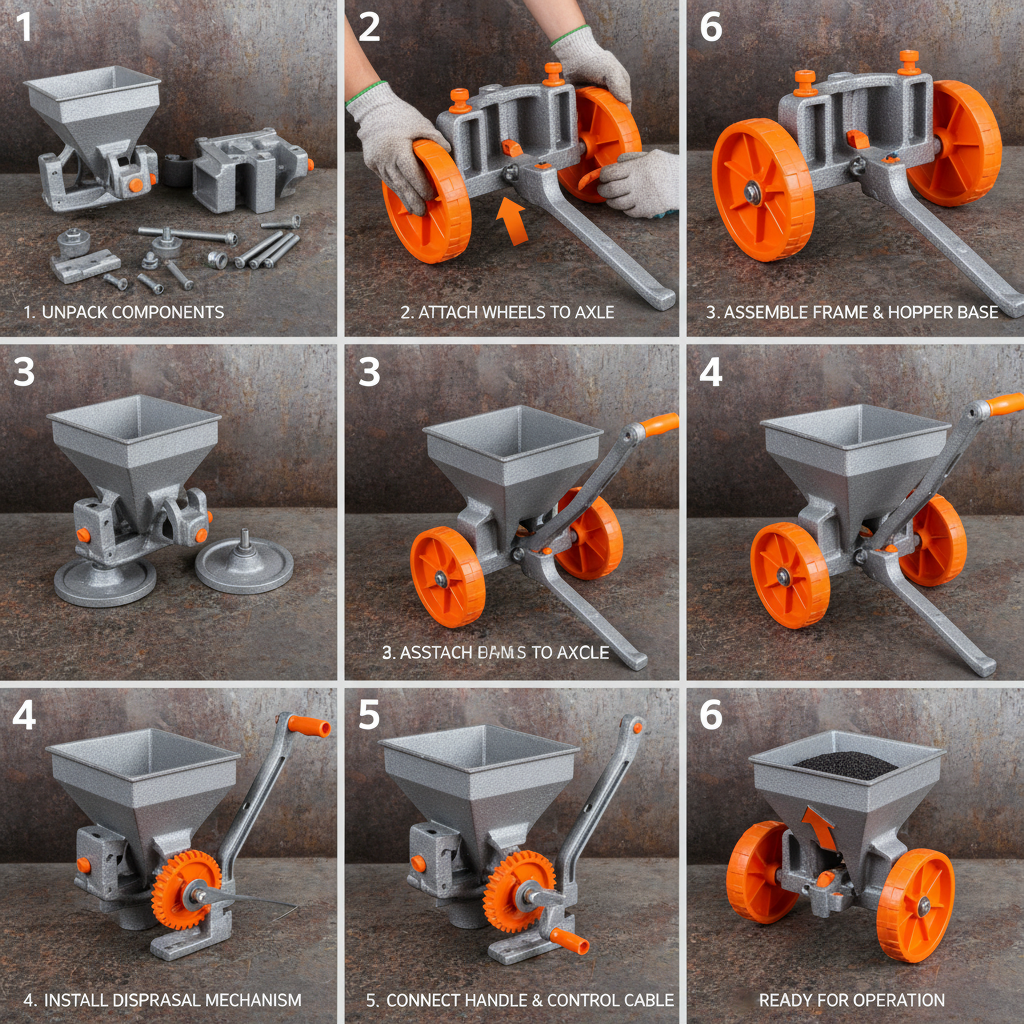
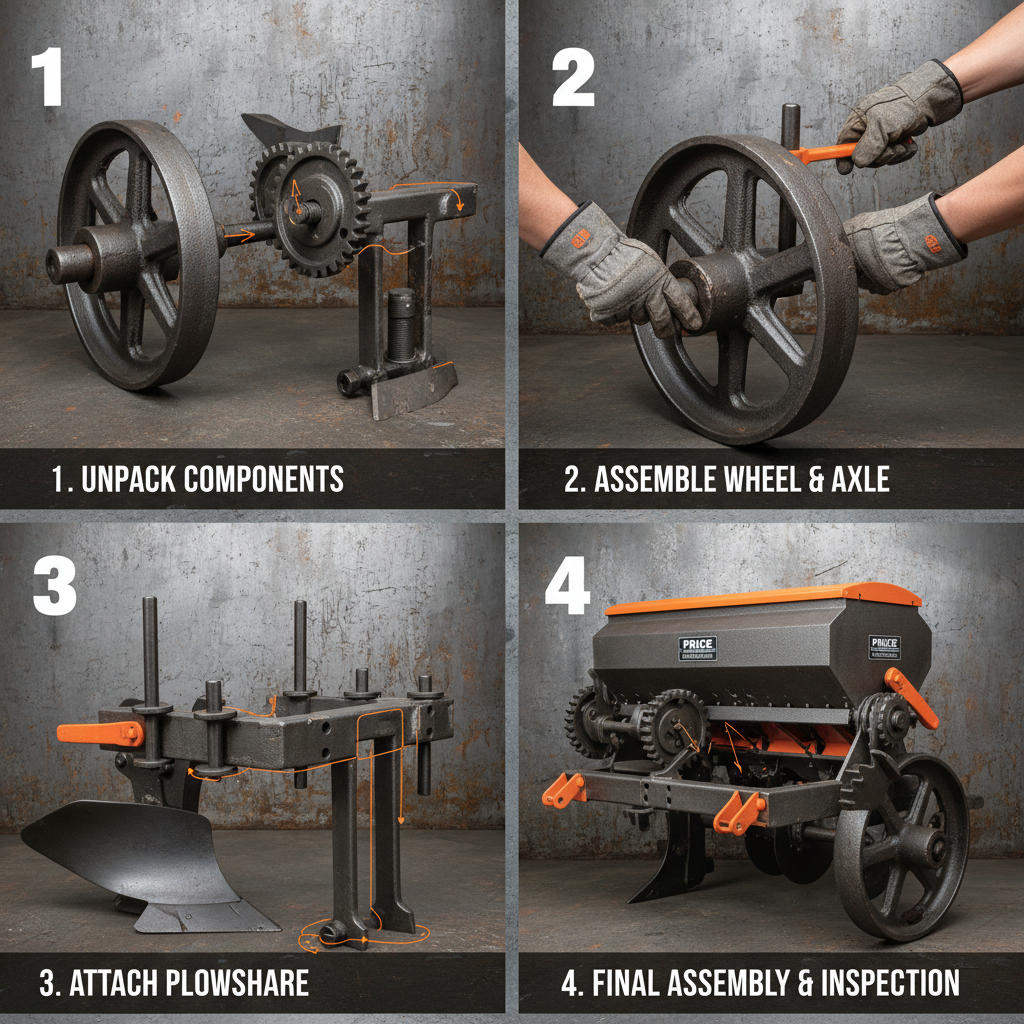
Not at all. Most affordable models are designed for easy assembly with basic tools. They typically arrive as a "knock-down" kit to save on shipping costs and can be put together in 30-60 minutes using a provided manual. The focus on simplicity makes them accessible to users regardless of their technical background.
Importing for cooperatives usually involves bulk procurement to reduce per-unit costs. We recommend working with a supplier that provides consolidated shipping and handles the necessary customs documentation for agricultural machinery. Ensuring the equipment meets the local ISO standards for safety and performance is also a key step in the import process.
Conclusion
In summary, the adoption of a cheap seed spreader represents a strategic move toward agricultural efficiency without the burden of excessive financial risk. By focusing on core functionality, durability, and ease of use, these tools empower small-scale farmers to optimize their seed distribution, reduce labor costs, and improve overall crop yields. The transition from manual to mechanical seeding is a fundamental step in the modernization of any farming operation.
Looking forward, the continued innovation in sustainable materials and simple digital integrations will only make these tools more effective. We encourage farmers and cooperatives to embrace these affordable solutions as a gateway to precision agriculture. Investing in a reliable, budget-friendly spreader today lays the groundwork for a more productive and sustainable tomorrow. For more information on our range of equipment, visit our website: www.langningam.com