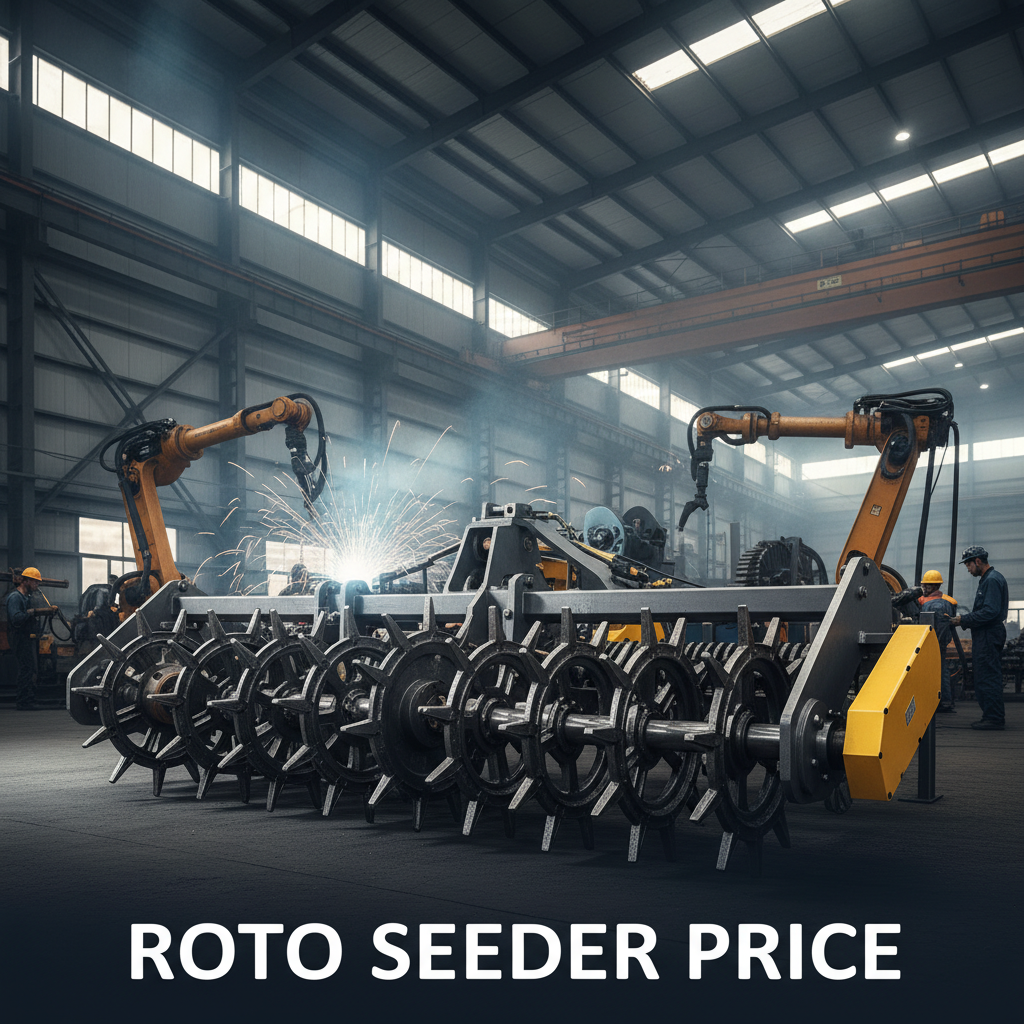
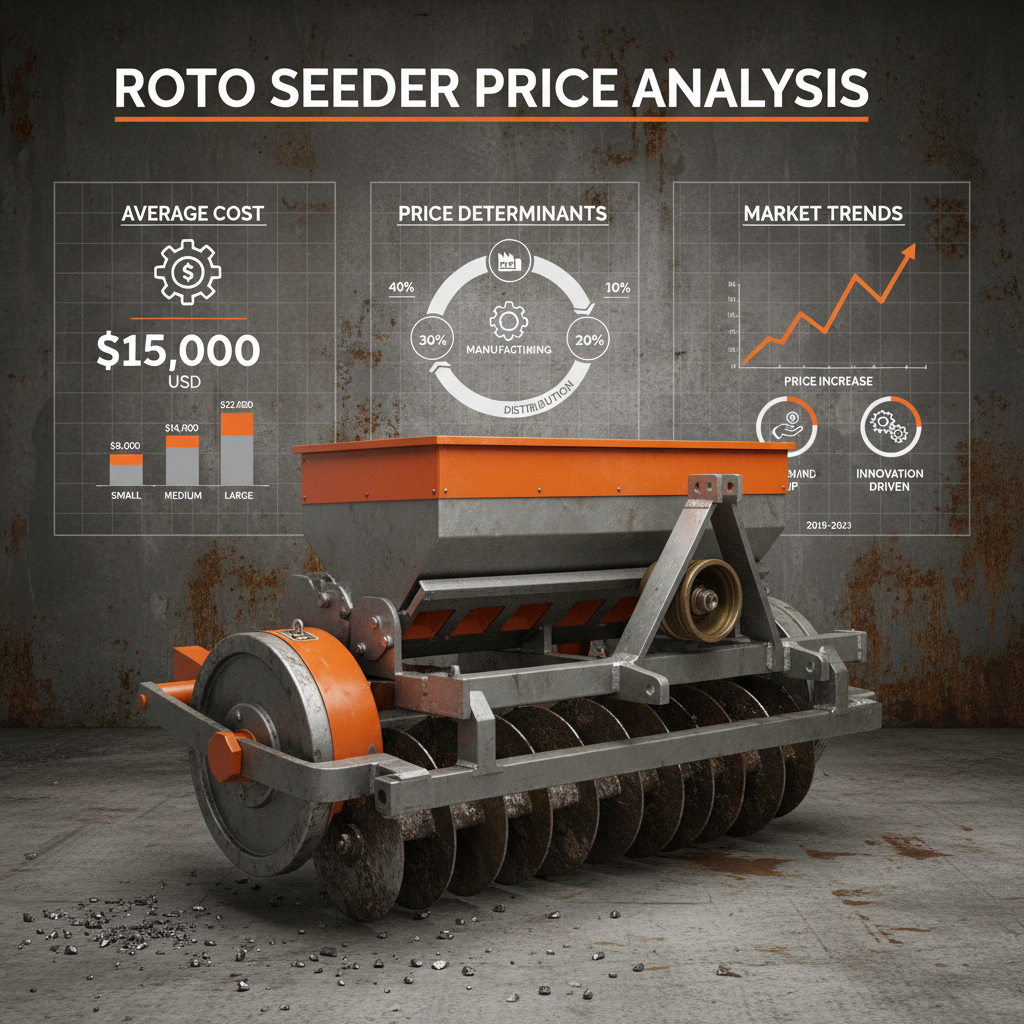
Navigating the complexities of agricultural investment often begins with a clear understanding of equipment costs, and for many modern farmers, the roto seeder price serves as a critical benchmark for operational budgeting. As global food demands rise, the integration of rotary seeding technology allows for simultaneous soil preparation and planting, drastically reducing the time and fuel required to establish a crop.
Understanding the fluctuations in the roto seeder price is not merely about the initial purchase but about calculating the long-term return on investment (ROI) through increased yield and decreased labor. In an era of precision farming, the value of a machine is measured by its ability to place seeds at the optimal depth and spacing while maintaining soil structure.
From small-scale family farms to massive industrial agricultural enterprises, the search for a competitive roto seeder price reflects a broader industry shift toward efficiency and sustainability. By analyzing the components that drive these costs, growers can make informed decisions that balance upfront expenditure with lifelong mechanical reliability.
Global Market Trends Influencing Roto Seeder Price
The global agricultural machinery market is currently experiencing a period of volatility, which directly impacts the roto seeder price. With the rising cost of high-grade boron steel and specialized alloys used in rotary tines, manufacturers are forced to adjust their pricing models. Furthermore, disruptions in global supply chains have led to increased shipping costs for heavy equipment, adding a layer of overhead to the final retail price.
Despite these pressures, the adoption of "Conservation Tillage" practices worldwide is driving demand. As more farmers move away from traditional plowing to reduce soil erosion, the desire for combined roto-seeding solutions increases. This surge in demand often creates a paradox where the roto seeder price may rise due to scarcity, yet the operational savings gained from fuel efficiency make the investment more attractive than ever.
Defining the Value Components of Roto Seeder Price
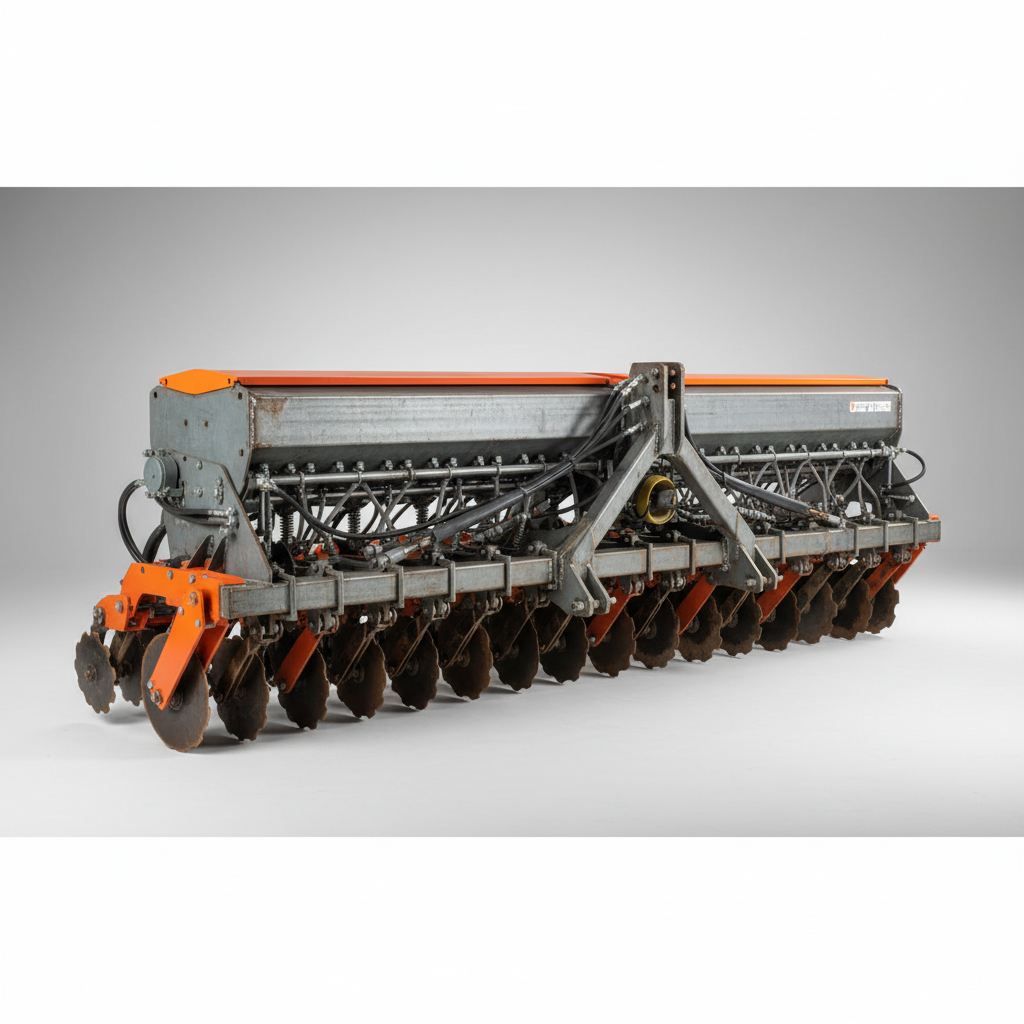
When analyzing a roto seeder price, it is essential to distinguish between the "sticker price" and the "value proposition." A roto seeder is a hybrid machine that combines a rotary tiller with a seed drill. Therefore, the cost reflects the engineering required to synchronize the tilling speed with the seeding rate, ensuring that seeds are not simply thrown into the dirt but placed precisely in a prepared seedbed.
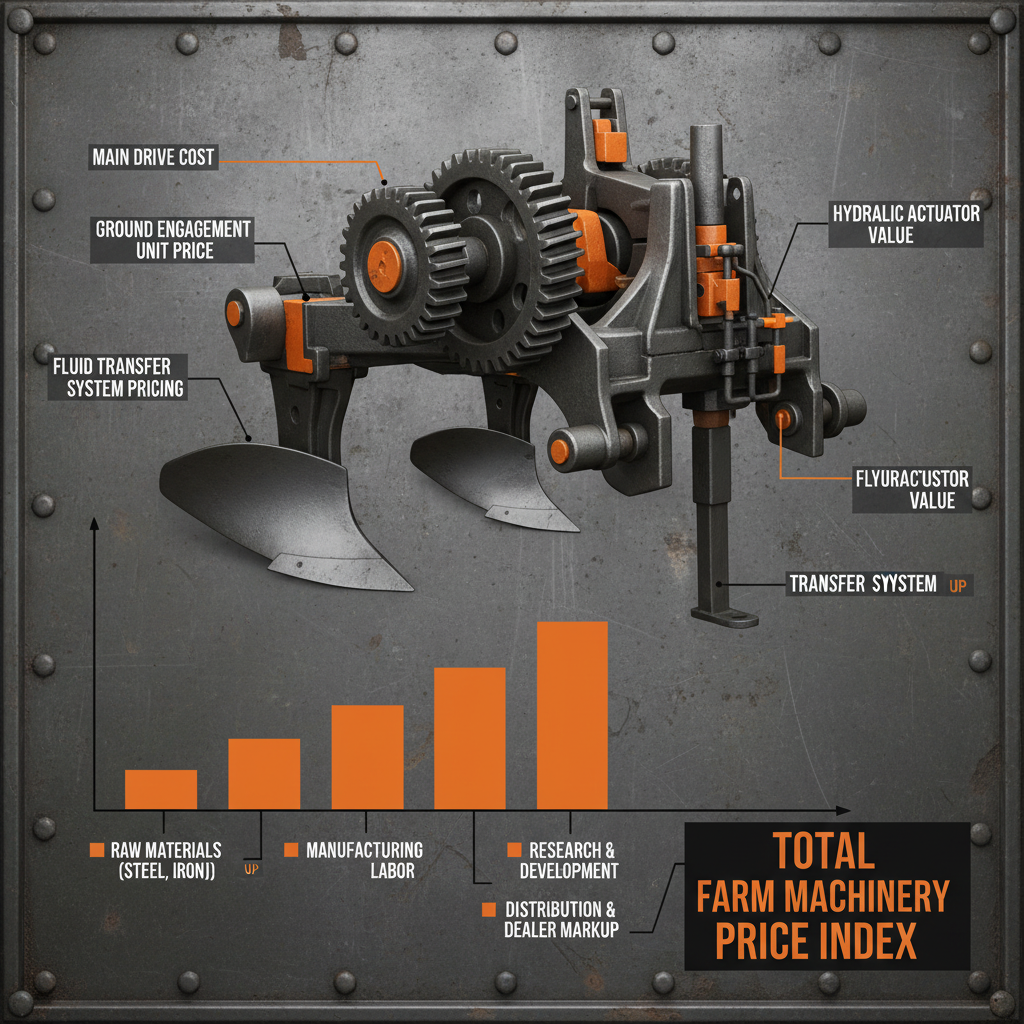
The material quality is perhaps the most significant driver of cost. Premium machines utilize heat-treated components and reinforced gearboxes that can withstand the immense torque required to break compacted soil. A lower roto seeder price often indicates the use of standard carbon steel or lighter-duty bearings, which may lead to higher maintenance costs and shorter equipment lifespans in harsh soil conditions.
Additionally, the level of automation integrated into the machine—such as hydraulic depth control or electronic seed metering—adds a premium to the price. While these features increase the initial roto seeder price, they significantly reduce seed waste and human error, which are critical factors in maximizing crop yield per hectare.
Core Technical Factors Affecting Roto Seeder Price
The durability of the transmission system is a primary factor that determines the roto seeder price. Heavy-duty chain drives or planetary gearboxes offer superior reliability under load, whereas simpler belt-driven systems are cheaper to produce but prone to slippage, affecting the overall consistency of the planting process.
Precision metering mechanisms are another critical variable. The difference between a mechanical slide-gate and a vacuum-precision meter can cause a significant variance in the roto seeder price, as the latter ensures an exact number of seeds per foot, reducing overlapping and gaps in the field.
Finally, the chassis construction and frame rigidity play a role. A reinforced, powder-coated frame prevents warping under the stress of heavy soil, maintaining the alignment of the seeding discs. This structural integrity is a hallmark of high-end machinery and is reflected in a higher roto seeder price.
Cost-Benefit Analysis of Different Seeding Models
When comparing different equipment tiers, farmers must evaluate the roto seeder price against the specific needs of their land. A lightweight model may be sufficient for sandy soils or small garden plots, offering a low entry cost. However, for heavy clay soils, a professional-grade machine with high-torque capabilities is necessary, despite the higher initial expenditure.
The efficiency gain of combining two passes (tilling and seeding) into one is the strongest argument for paying a premium roto seeder price. By reducing tractor hours, the farmer saves on diesel and reduces soil compaction, which in turn enhances the root development of the crop and increases the total harvest weight.
Comparison of Roto Seeder Price vs. Operational Efficiency
Regional Applications and Price Variations
The roto seeder price can vary significantly depending on the target market and regional agricultural requirements. In North America and Europe, where large-scale monoculture is common, the focus is on wide-span machinery with integrated GPS systems, which drives the price upward. These machines are designed for massive throughput and extreme precision over thousands of acres.
Conversely, in Southeast Asia and parts of Africa, there is a higher demand for compact, tractor-mounted units. In these regions, the roto seeder price is generally lower because the machines are scaled for smaller plots and utilize more manual controls. However, the resilience of these machines to diverse, often unpredictable soil types is a key value driver in these emerging markets.
Long-Term Economic Value vs Initial Price
When evaluating the roto seeder price, it is a common mistake to focus solely on the acquisition cost. A cheaper machine often requires more frequent replacements of wearing parts, such as tines and discs. Over a five-year period, the cumulative cost of maintenance and downtime for a low-cost model can actually exceed the initial price of a premium machine.
Reliability translates directly into trust and peace of mind. For a farmer, a mechanical failure during the narrow planting window can be catastrophic, leading to lost yield that far outweighs the difference in roto seeder price. Investing in a high-tier machine ensures that the equipment will perform consistently, year after year.
Furthermore, premium equipment typically holds its resale value much better. A well-maintained, high-spec roto seeder can be sold on the secondary market for a significant portion of its original cost, effectively lowering the "net cost of ownership" despite a higher initial roto seeder price.
Future Innovations Impacting Roto Seeder Price
The future of seeding technology is leaning heavily toward automation and "smart" agriculture, which will inevitably reshape the roto seeder price. We are seeing the introduction of AI-driven seed sensors that can adjust the planting rate in real-time based on soil moisture and nutrient levels. While these sensors increase the cost, they optimize seed usage to a degree previously impossible.
Sustainable materials are also entering the fray. The development of lightweight, ultra-strong composites could reduce the weight of the machine, thereby reducing the fuel consumption of the tractor. While the R&D for these materials initially raises the roto seeder price, the long-term environmental and financial benefits for the farmer are substantial.
Finally, the move toward electric and hybrid power take-off (PTO) systems will likely create a new pricing tier. As carbon taxes and green subsidies become more prevalent, machines that offer a lower carbon footprint will command a higher roto seeder price, but will provide farmers with new avenues for government funding and eco-certification.
Comparative Analysis of Roto Seeder Price and Technical Specifications
| Equipment Tier |
Price Range Factor |
Material Quality |
Expected Lifespan |
| Entry-Level |
Budget (1-3) |
Carbon Steel |
3-5 Years |
| Standard Utility |
Moderate (4-6) |
Alloy Steel |
6-10 Years |
| Professional Grade |
High (7-8) |
Boron Steel |
12-15 Years |
| Precision-Tech |
Premium (9-10) |
Heat-Treated Alloy |
15+ Years |
| Industrial-Scale |
Elite (10+) |
Reinforced Titanium/Steel |
20+ Years |
| Custom Bespoke |
Variable |
Custom Spec |
Varies by Use |
FAQS
The variance in roto seeder price is primarily driven by the materials used (e.g., carbon steel vs. boron steel), the precision of the seeding mechanism, and the build quality of the gearbox. Additionally, integrated technology like hydraulic depth control and electronic meters add significant value and cost compared to manual, mechanical models.
Not necessarily. The "best" machine is one that matches your soil type and acreage. If you have a small plot with soft soil, an entry-level machine is more cost-effective. However, for commercial operations with heavy soil, a higher roto seeder price is an investment in durability and yield consistency that pays for itself over time.
While a higher initial price may seem daunting, it often leads to a better ROI through reduced fuel consumption (due to fewer passes over the field), lower seed waste through precision metering, and reduced labor costs. Long-term savings on maintenance and a higher resale value further enhance the ROI.
Many farmers reduce the initial cost by opting for refurbished certified units or by choosing modular machines where advanced features can be added later. Additionally, purchasing directly from manufacturers or taking advantage of seasonal agricultural subsidies can effectively lower the roto seeder price.
Standard pricing typically covers the machine itself, but some premium packages include a warranty and a set of wear-and-tear parts. It is always recommended to ask the supplier if the quoted roto seeder price includes an after-sales service agreement or a starter kit of replacement tines.
For international purchases, shipping and customs duties can add 10% to 30% to the base roto seeder price. It is crucial to clarify whether the quote is EXW (Ex Works), FOB (Free On Board), or CIF (Cost, Insurance, and Freight) to avoid unexpected expenses upon delivery.
Conclusion
In summary, the roto seeder price is a complex figure shaped by material science, engineering precision, and global economic trends. While the initial cost is a significant factor, the true value of the machinery lies in its ability to streamline field operations, preserve soil health, and maximize crop yields. By focusing on the total cost of ownership rather than just the purchase price, farmers can ensure they select equipment that provides a sustainable competitive advantage.
Looking ahead, the integration of AI and sustainable materials will likely shift the market toward higher-value, higher-efficiency machines. We recommend that growers conduct a thorough soil analysis and operational audit before committing to a specific model to ensure the investment aligns with their long-term goals. For more information on high-performance seeding equipment, visit our website: www.langningam.com