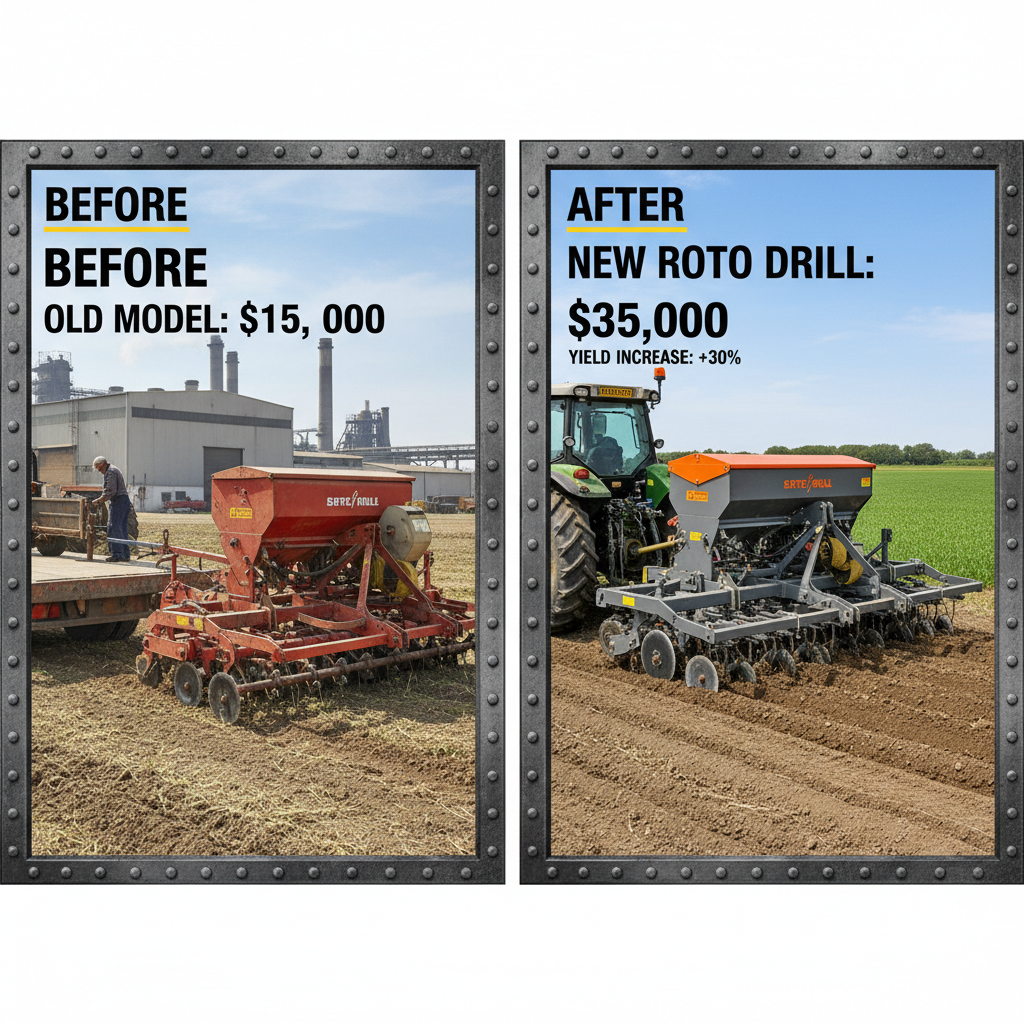
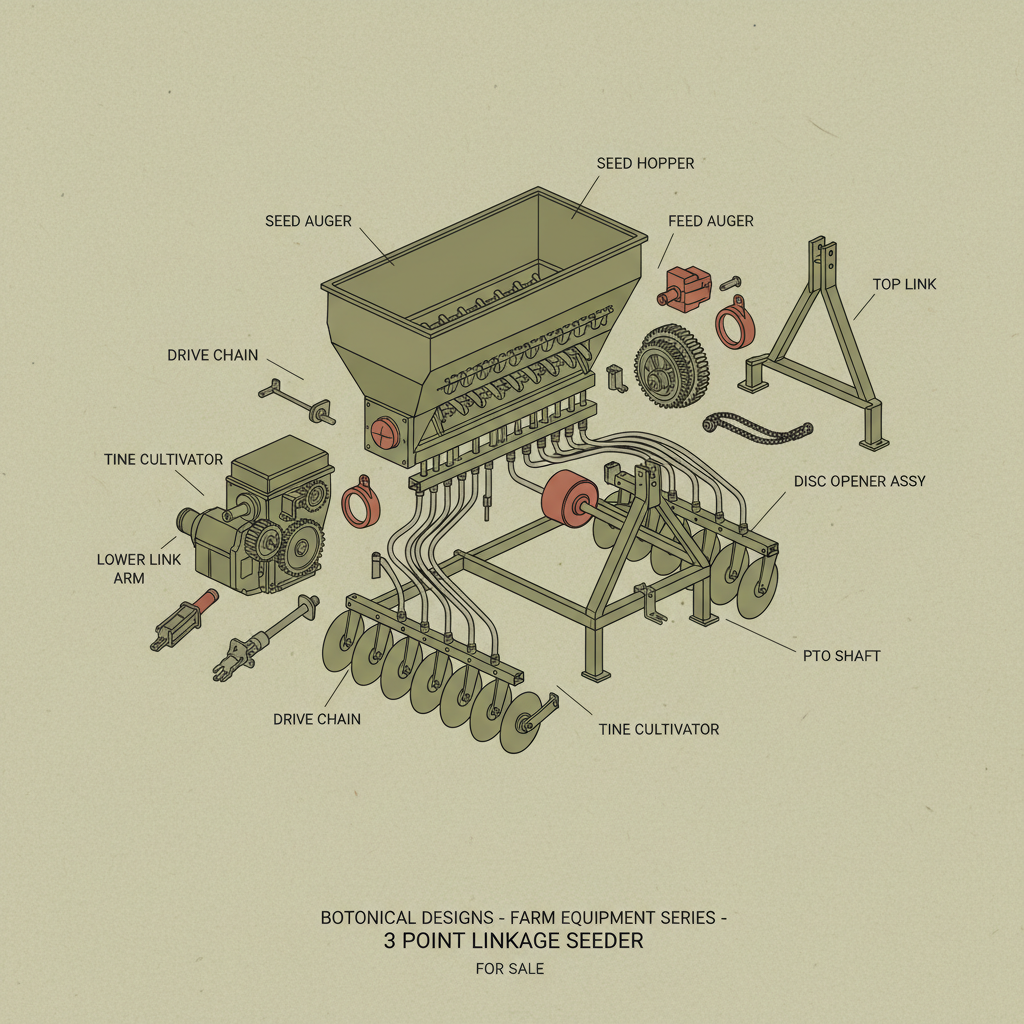
Investing in high-efficiency agricultural machinery is a cornerstone of modern farming, and understanding the roto seed drill price is essential for any grower looking to optimize their seeding process. A rotary seed drill combines the functions of soil preparation and precise seed placement into a single pass, significantly reducing labor costs and fuel consumption. By analyzing the cost-to-benefit ratio, farmers can determine how these machines accelerate the return on investment through increased crop yields and improved seed-to-soil contact.
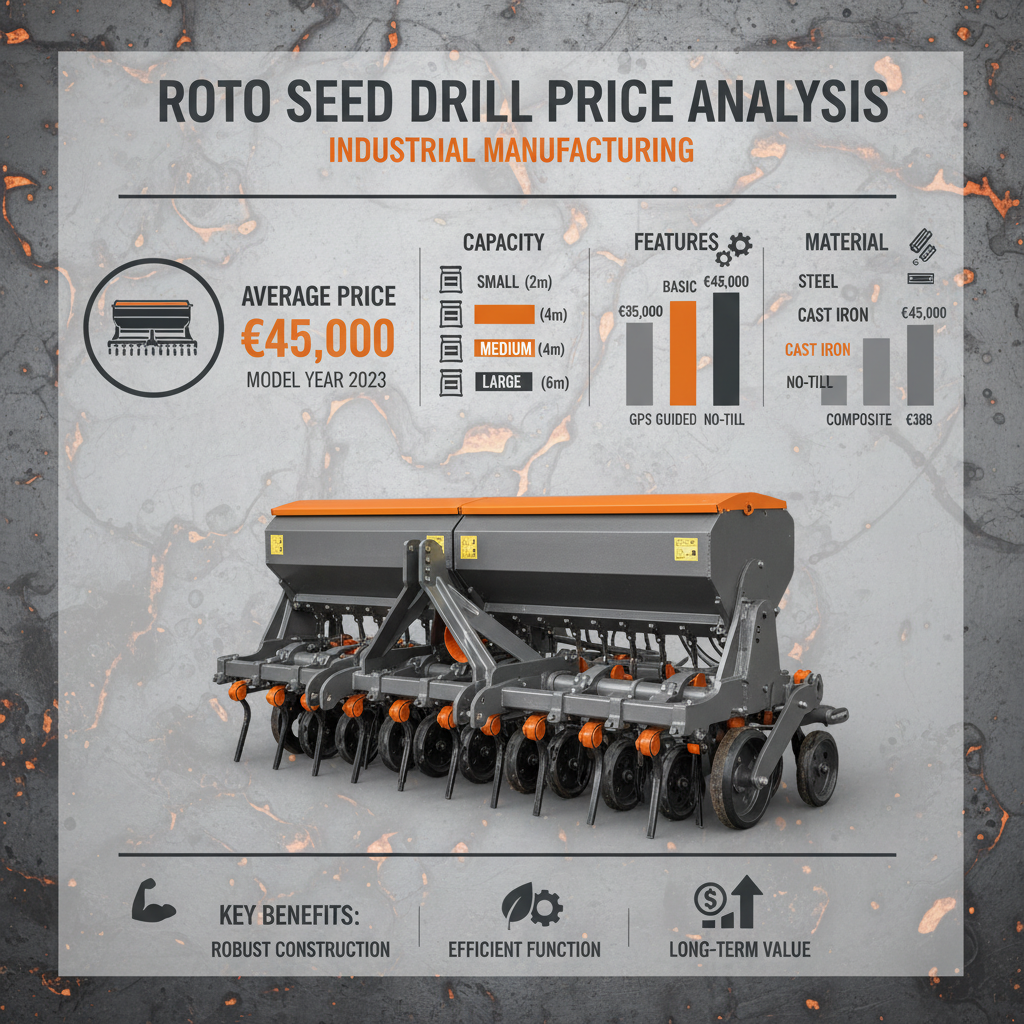
On a global scale, the fluctuations in roto seed drill price are often driven by advancements in metallurgy, automation, and the rising demand for sustainable farming practices. As the agricultural sector moves toward "precision farming," the integration of smart sensors and adjustable metering systems has shifted the pricing landscape. This makes it crucial for stakeholders to distinguish between entry-level mechanical models and high-end automated systems to ensure they select equipment that aligns with their specific acreage and budget.
Ultimately, the value of a rotary seeder extends beyond the initial purchase price. When considering the roto seed drill price, one must account for long-term durability, the availability of spare parts, and the machine's ability to handle various soil types. Whether you are managing a small family plot or a large industrial estate, selecting the right seeding equipment is a strategic decision that impacts food security and operational profitability for years to come.
Understanding Global Market Trends of Roto Seed Drill Price
The global market for agricultural seeding equipment has seen a steady climb in valuation, with the roto seed drill price mirroring the broader trends in industrial manufacturing. According to recent agricultural machinery reports, the shift toward conservation tillage has increased the demand for combined rotary units. This surge in demand often leads to price volatility, as manufacturers balance the cost of high-grade boron steel and precision bearings against the purchasing power of farmers in emerging economies.
Furthermore, international trade policies and shipping costs significantly impact the final landed roto seed drill price. In regions like Southeast Asia and Sub-Saharan Africa, where mechanized farming is rapidly expanding, the introduction of affordable, modular rotary seeders has democratized access to high-yield farming. This has created a tiered pricing structure where "value-engineered" models compete with premium European and North American brands, providing options for every scale of operation.
Technical Definitions and the Value of Rotary Seeding
A roto seed drill is a specialized piece of seeding equipment that integrates a rotary tiller with a seed metering system. Unlike traditional drills that require a pre-tilled seedbed, the rotary version prepares the soil and sows seeds simultaneously. When analyzing the roto seed drill price, it is important to understand that you are paying for a "two-in-one" machine, which reduces the need for multiple tractor passes and minimizes soil compaction.
From a technical standpoint, the value proposition lies in the uniformity of the seed depth and the quality of the seedbed. The rotary blades break up clods and aerate the soil, creating an ideal environment for germination. This mechanical efficiency is what justifies a higher roto seed drill price compared to simple gravity drills, as the increased germination rate directly translates to higher bushels per acre.
In the context of modern industry, these machines address the urgent need for labor-saving technologies. As the global workforce shifts away from manual agriculture, the reliance on automated machinery grows. Consequently, the roto seed drill price reflects not just the material costs, but the intellectual property involved in achieving precise seed spacing and depth control across varying soil densities.
Core Components Influencing the Roto Seed Drill Price
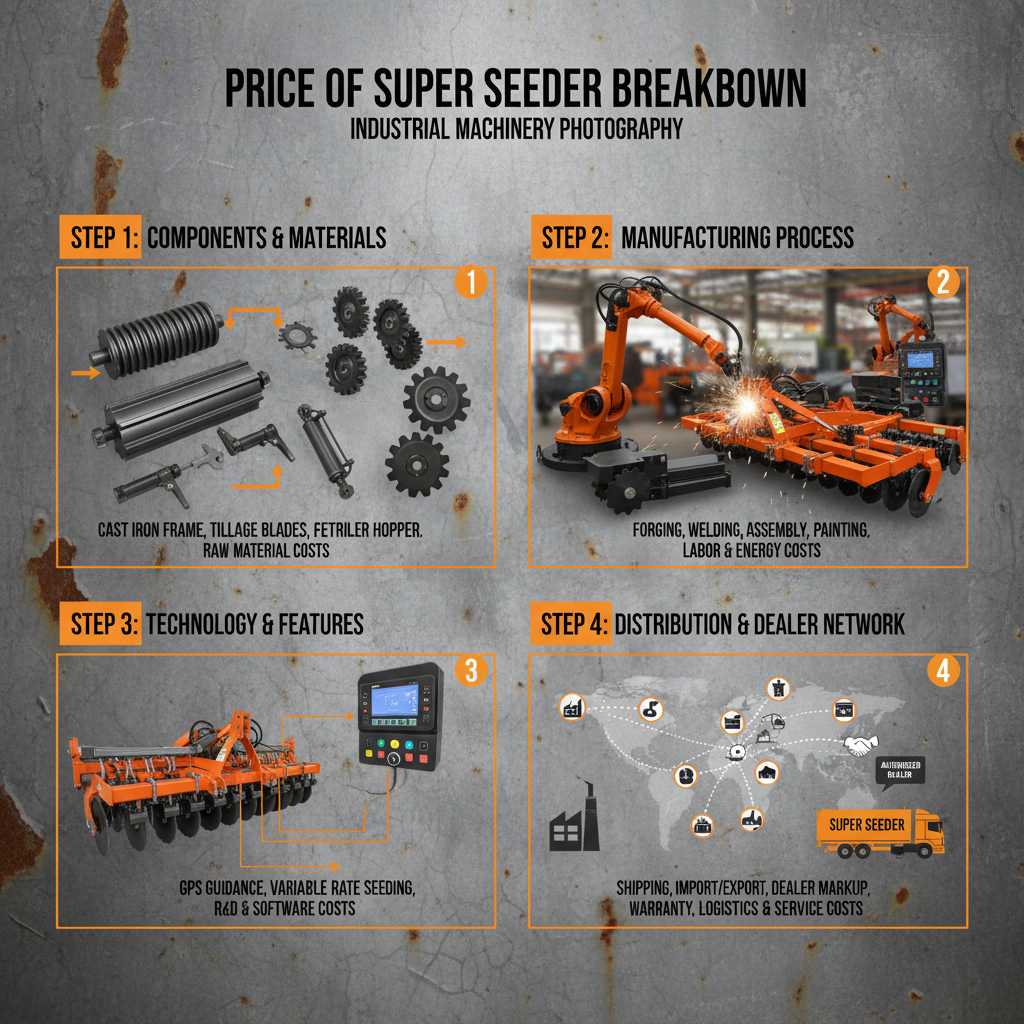
One of the primary drivers of the roto seed drill price is the quality of the rotary blades. High-carbon manganese steel is typically used to ensure that the blades can withstand abrasive soils without frequent replacement. The heat-treatment process used during manufacturing adds a layer of durability that justifies a premium price point, as it extends the operational lifespan of the equipment.
The seed metering mechanism is another critical factor. Pneumatic metering systems, which use air pressure to deliver seeds, are more precise than traditional mechanical plates and thus increase the roto seed drill price. However, this investment reduces seed waste, which is a significant cost saving for farmers using expensive hybrid seeds or specialized cover crops.
Finally, the chassis and transmission system play a role in the overall cost. Heavy-duty gearboxes and reinforced frames allow the machine to operate in tougher conditions without bending or failing. When comparing the roto seed drill price across different brands, the thickness of the steel and the grade of the bearings are often the hidden indicators of true value and long-term reliability.
Cost Efficiency and Performance Analysis
When evaluating the roto seed drill price, farmers must look at "total cost of ownership" rather than just the initial sticker price. A cheaper machine may have a lower upfront cost but can lead to higher expenditures in the form of fuel inefficiency, frequent breakdowns, and seed loss. High-performance rotary seeders optimize the power take-off (PTO) usage, ensuring that the tractor isn't overworked, which saves on diesel and maintenance.
By utilizing a combined roto-seeding approach, the operational window for planting is widened. Because the machine handles soil preparation and sowing in one go, farmers can plant more quickly during narrow weather windows. This agility provides a competitive advantage that far outweighs the initial roto seed drill price, as it prevents crop loss due to delayed planting.
Performance Value Index by Roto Seed Drill Price Tier
Real-World Applications Across Diverse Terrains
In the clay-heavy soils of the Midwestern United States or the loamy plains of Europe, the roto seed drill price is viewed as an investment in soil structure. In these regions, the ability of the rotary blades to pulverize hard-pan soil is critical. Farmers here often opt for the professional-grade models that offer adjustable rotor speeds, allowing them to customize the soil tilth based on the specific crop being planted.
Conversely, in developing agricultural zones such as India or Brazil, the market is driven by a demand for ruggedness and ease of repair. In these contexts, the roto seed drill price is balanced against the availability of local workshops that can service the equipment. The use of these machines in small-holder cooperatives has proven that even a mid-range rotary seeder can double the efficiency of traditional sowing methods, providing a lifeline for food security.
Long-Term ROI and Sustainable Value
When calculating the return on investment, the roto seed drill price should be amortized over the machine's expected lifespan, typically 10 to 15 years. The primary financial gain comes from the reduction in "passes" across the field. Each pass with a tractor consumes fuel and causes soil compaction, which can hinder root growth. By consolidating tasks, the rotary seed drill preserves the soil's biological integrity while slashing operational overhead.
Beyond the balance sheet, there is an emotional and environmental value to using precision seeding equipment. Farmers experience less stress during the critical planting window, and the precision of the equipment ensures that seed waste is minimized. This aligns with global sustainability goals by reducing the chemical footprint and maximizing the utility of every single seed, making the roto seed drill price a reflection of a commitment to stewardship.
Reliability is the final piece of the ROI puzzle. A machine that doesn't break down during the peak of spring is priceless. Therefore, paying a slightly higher roto seed drill price for a brand with a proven track record of durability is often the most economical choice in the long run, preventing catastrophic losses associated with equipment failure.
Future Innovations and Pricing Forecasts
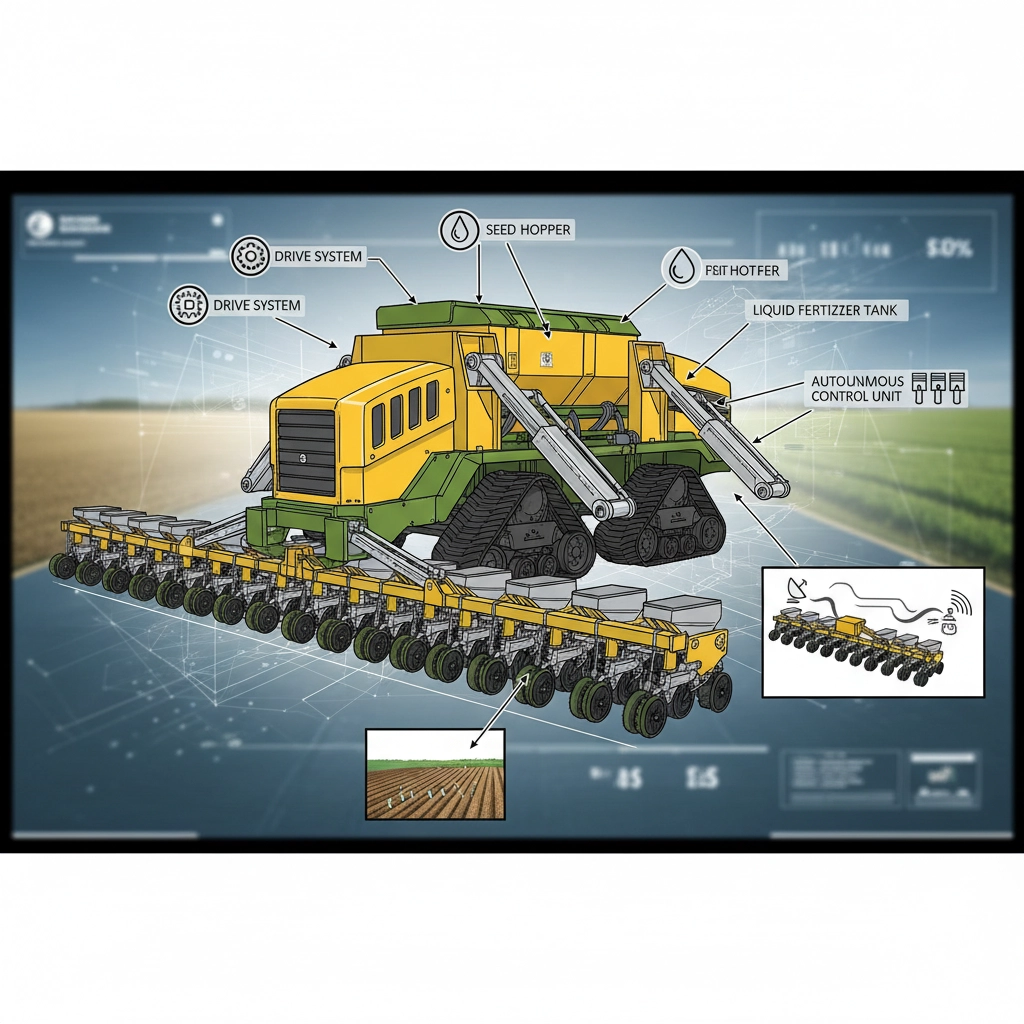
The future of seeding technology is leaning heavily toward digitalization, which will inevitably influence the roto seed drill price. We are seeing the integration of GPS-guided variable rate technology (VRT), which allows the machine to change the seed density in real-time based on soil maps. While this increases the initial cost, the ability to optimize seed placement based on soil fertility will lead to unprecedented yield increases.
Another trend is the move toward lightweight, high-strength composite materials. By replacing heavy cast iron with advanced alloys, manufacturers can create machines that are just as durable but significantly lighter. This reduction in weight lowers the tractor's fuel consumption and reduces soil compaction, potentially stabilizing the roto seed drill price by lowering raw material costs while increasing functional value.
Lastly, the rise of "Equipment-as-a-Service" (EaaS) may change how farmers interact with the roto seed drill price. Subscription models or leasing agreements could allow smaller farms to access top-tier technology without the burden of a massive upfront capital expenditure. This shift would focus the market on performance-based pricing rather than just the physical cost of the machine.
Comparison of Rotary Seeder Specifications and Price Impact
| Machine Tier |
Key Material / Tech |
Durability Score (1-10) |
Price Impact Level |
| Economy Series |
Mild Steel / Manual Metering |
5 |
Low |
| Standard Farm |
Carbon Steel / Plate Metering |
7 |
Moderate |
| Professional |
Boron Steel / Pneumatic |
9 |
High |
| Precision Tech |
Alloy Steel / GPS-Integrated |
8 |
Very High |
| Heavy Industrial |
Hardened Tungsten / Heavy-Duty Gearbox |
10 |
Premium |
| Eco-Modular |
Composite Alloys / Variable Rate |
7 |
Moderate-High |
FAQS
The most significant influence on the roto seed drill price is the quality of the materials used—specifically the alloy of the rotary blades—and the complexity of the seeding mechanism. Pneumatic systems and GPS-integrated controls add a premium to the price compared to manual, mechanical systems. Additionally, the manufacturer's brand reputation and the inclusion of heavy-duty gearboxes for tougher terrains can increase the cost.
Not necessarily, but often yes. While brand name prestige can inflate the roto seed drill price, a higher cost usually reflects better metallurgy (like boron steel), higher precision in seed placement, and a longer operational lifespan. It is important to check the specific technical specifications, such as blade hardness and metering accuracy, to ensure the price aligns with the actual performance gains.
Yes, modular seed drills allow you to start with a basic configuration and add advanced features (like pneumatic metering or specialized seed boxes) as your budget grows. This effectively lowers the initial roto seed drill price and allows for a phased investment. This is an excellent strategy for small to mid-sized farms looking to scale their mechanization gradually.
While the upfront roto seed drill price may be higher than buying a basic tiller and a separate seed drill, the total operational cost is significantly lower. You save on fuel, tractor hours, and labor by combining two processes into one. Furthermore, the integrated design often provides better seed-to-soil contact than two separate machines, leading to higher germination rates and better ROI.
Most reputable agricultural equipment manufacturers and dealers offer financing plans, leasing options, or government-backed subsidies to help farmers manage the roto seed drill price. In many regions, upgrading to energy-efficient or precision-farming equipment qualifies for "green grants," which can significantly reduce the net cost of the investment.
Maintenance costs are typically 2-5% of the initial roto seed drill price annually. This includes replacing wear parts like blades and lubricating the gearbox. Investing in a higher-quality machine upfront often results in lower annual maintenance costs because the components are built to last longer and require less frequent intervention.
Conclusion
Understanding the nuances of the roto seed drill price is about more than just comparing numbers; it is about evaluating the synergy between soil health, operational efficiency, and long-term financial sustainability. From the high-grade alloys that ensure durability to the precision metering that maximizes yield, every factor contributing to the price represents a potential gain in field productivity. By shifting the perspective from "cost" to "investment," farmers can make informed decisions that secure their harvest and protect their land.
Looking forward, the integration of AI and sustainable materials will continue to evolve the agricultural machinery landscape. We recommend that growers prioritize equipment that offers a balance of ruggedness and technological adaptability, ensuring their investment remains relevant as farming practices shift toward more ecological models. For those seeking reliable, high-performance seeding solutions that offer the best value for their money, we invite you to explore our professional range. Visit our website: www.langningam.com