The agricultural sector relies heavily on efficient and reliable farm machinery to maximize yields and streamline operations. From planting and harvesting to livestock management, a diverse range of equipment is essential for modern farming. This article provides a comprehensive overview of farm machinery, exploring types, advancements, maintenance, and considerations for purchasing. Understanding these aspects is crucial for farmers looking to optimize productivity and profitability. Langningam offers a wide selection of high-quality agricultural equipment to meet your needs.
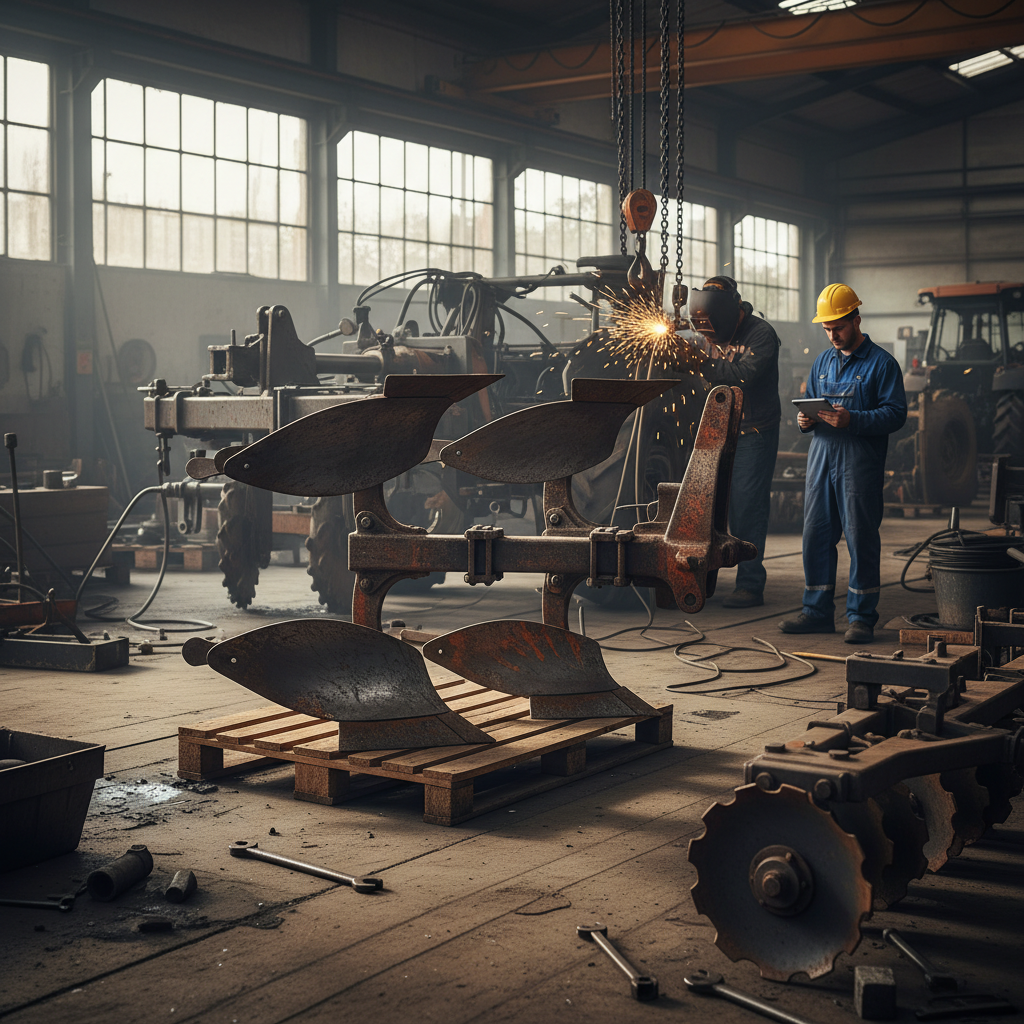
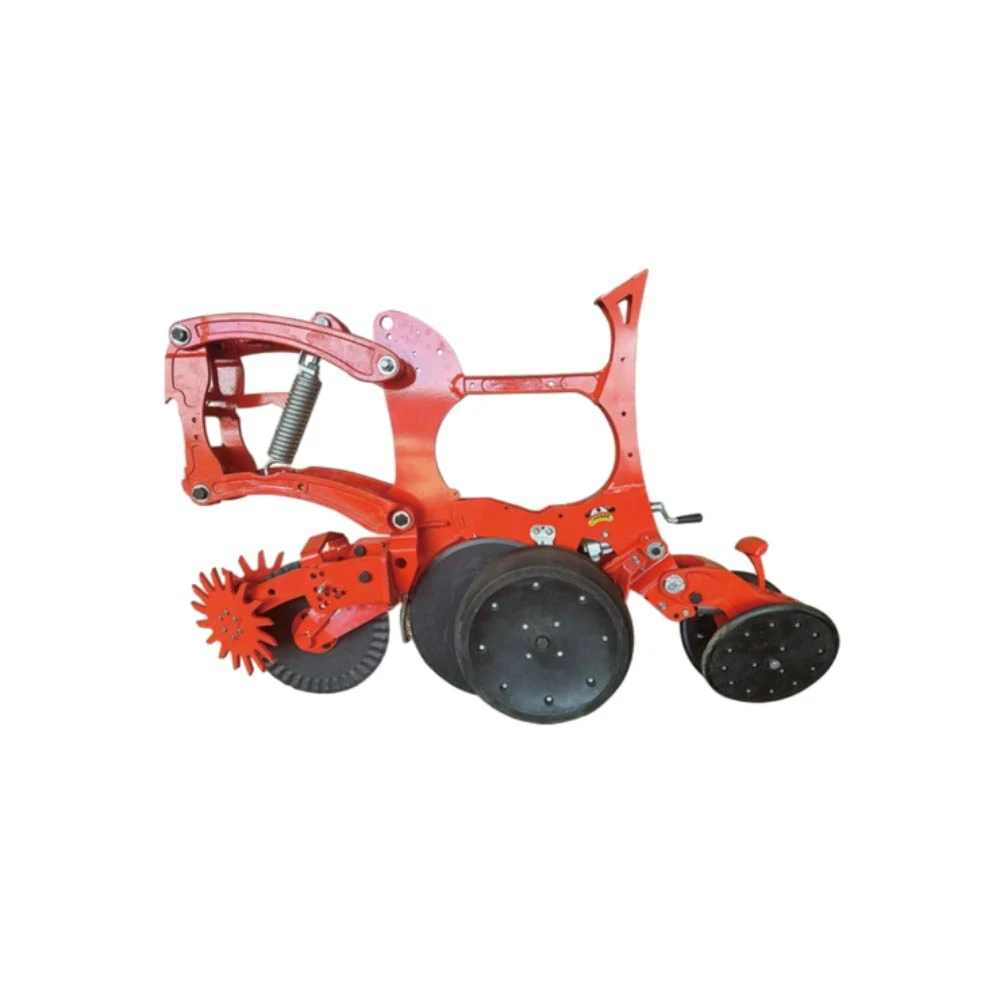
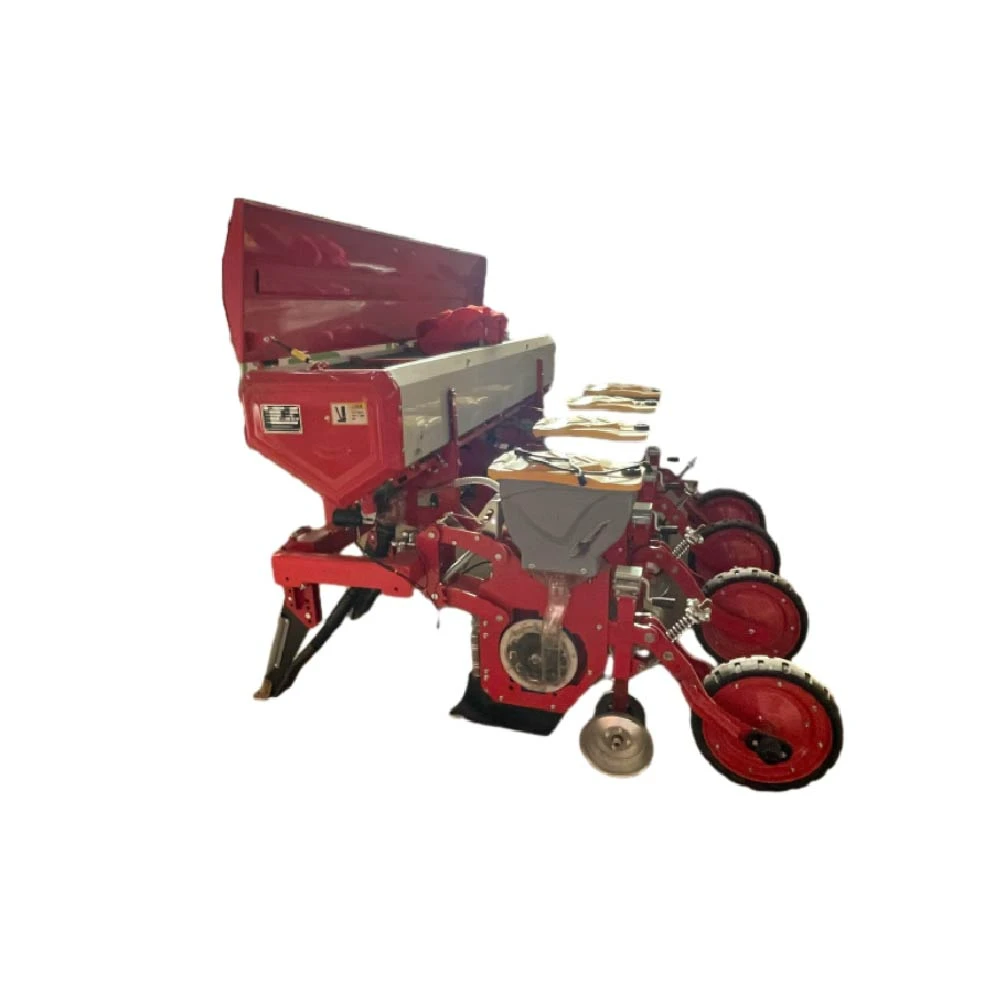
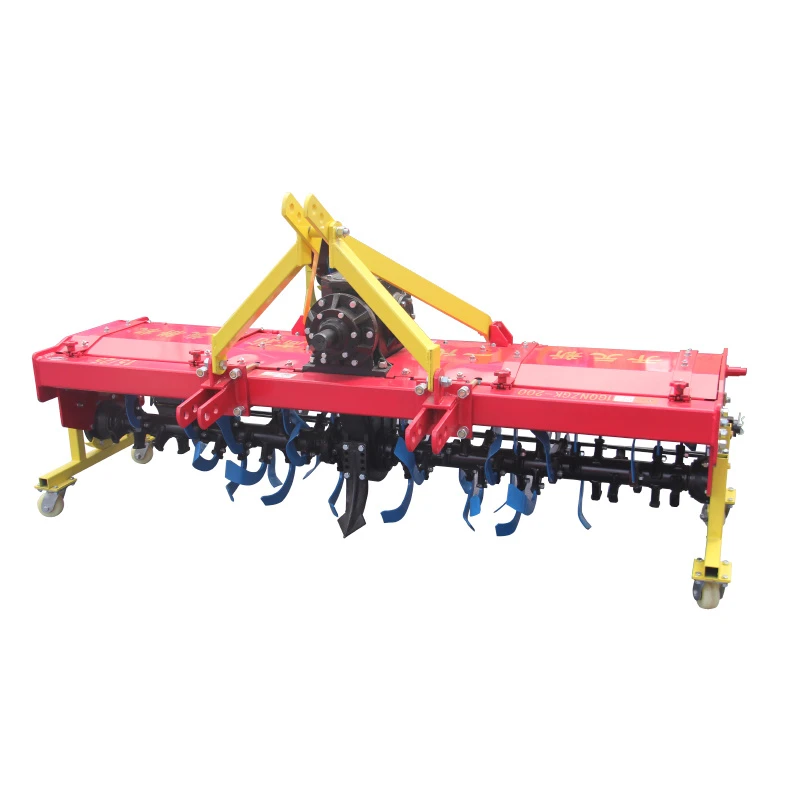
Farm machinery encompasses a broad spectrum of tools, each designed for specific agricultural tasks. Here's a breakdown of some key categories: Tillage Equipment includes plows, harrows, and cultivators, used to prepare the soil for planting. Planting & Seeding Equipment such as seed drills and planters, precisely place seeds for optimal growth. Harvesting Machinery, like combines and forage harvesters, efficiently gather crops. Haying Equipment - balers, mowers, and rakes are crucial for preserving animal feed. Livestock Handling Equipment aids in caring for animals, including feeders, waterers, and sorting systems. Choosing the right machinery depends on the type of farm, the crops grown, and the specific operational needs.
Key Takeaway: Selecting the right machinery requires careful consideration of farm size, crop type, and budget.
Recent years have witnessed significant advancements in farm machinery, driven by technological innovations. Precision Agriculture technologies, such as GPS guidance and variable rate application, enable farmers to optimize resource use and increase efficiency. Autonomous Tractors are gaining traction, offering the potential to reduce labor costs and improve productivity. Data Analytics and sensor technology provide valuable insights into crop health, soil conditions, and machinery performance. Electric Farm Machinery is also emerging as a sustainable alternative, reducing emissions and operating costs. These advancements are transforming the agricultural landscape, making farming more efficient, sustainable, and profitable.
Benefits of Modern Farm Machinery:
• Increased Efficiency
• Reduced Labor Costs
• Improved Crop Yields
• Enhanced Sustainability
Regular maintenance is crucial for maximizing the lifespan and performance of farm machinery. A proactive maintenance schedule helps prevent costly breakdowns and ensures optimal efficiency. Key maintenance tasks include: Fluid Checks - Regularly check and replenish oil, coolant, and hydraulic fluid. Filter Replacements - Replace air, oil, fuel, and hydraulic filters as recommended. Lubrication - Lubricate moving parts to reduce friction and wear. Tire Maintenance – maintain proper tire pressure. Inspections - Regularly inspect for worn parts, leaks, and damage. Langningam provides comprehensive maintenance services and genuine spare parts to keep your equipment running smoothly.
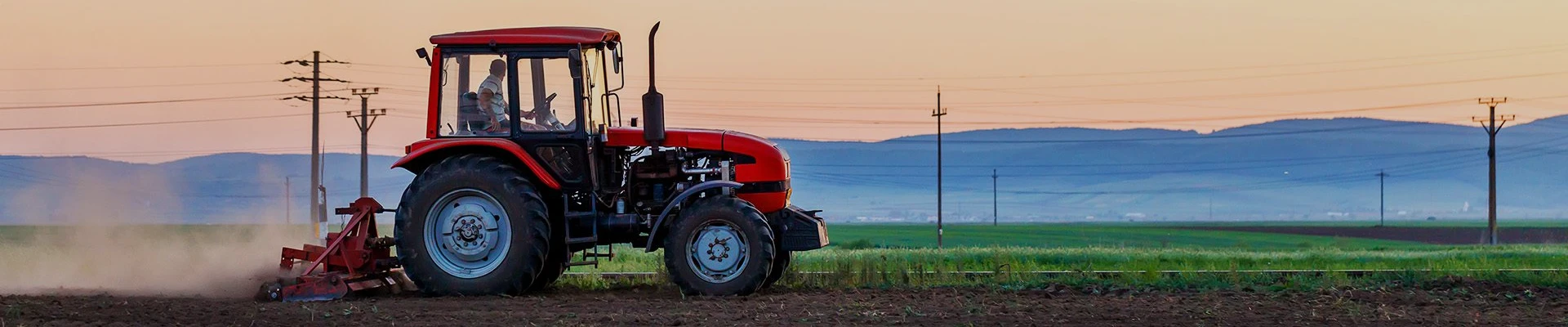
Selecting the right tractor is a fundamental decision for any farm. The optimal tractor type depends heavily on farm size, terrain, and the tasks it will perform. Here's a comparison of common tractor types:
Investing in farm machinery is a significant financial undertaking. Careful planning and consideration are essential. Factors to consider include: Budget – Determine how much you can afford to spend. Needs Assessment – Identify the specific tasks the machinery will perform. New vs. Used – Weigh the pros and cons of purchasing new or used equipment. Dealer Reputation – Choose a reputable dealer with good service and support. Langningam offers flexible financing options and expert advice to help you make the right decision.
Investing in the right farm machinery is a vital step towards a more efficient, productive, and sustainable agricultural operation. By understanding the types of equipment available, embracing technological advancements, and prioritizing regular maintenance, farmers can maximize their return on investment and ensure the long-term success of their businesses. Langningam is your trusted partner in providing quality machinery and support for all your farming needs.
Precision agriculture technologies, such as GPS guidance and variable rate application, optimize resource use by applying inputs (fertilizer, pesticides, seeds) only where and when needed. This leads to increased efficiency, reduced waste, lower costs, and minimized environmental impact. Farmers can achieve higher yields and improved crop quality while reducing their carbon footprint. These technologies empower data-driven decision-making, improving overall farm management.
Determining the right tractor size depends on several factors, including farm size, terrain, the types of crops you grow, and the implements you’ll be using. A smaller farm (under 50 acres) may only require a compact or utility tractor, while larger farms (over 200 acres) will likely need a row crop tractor. Consider the horsepower requirements of your implements and the topography of your land – hilly terrain demands more power. Consulting with a farm machinery dealer can provide personalized recommendations.
New farm machinery comes with a manufacturer’s warranty, the latest technology, and typically requires less maintenance initially. However, it comes at a higher price point. Used machinery is more affordable but may require more maintenance and repairs. It's important to carefully inspect used equipment for wear and tear and consider its remaining lifespan. A thorough cost-benefit analysis should be performed before making a decision.
The frequency of routine maintenance depends on the equipment and its usage. However, a general guideline is to perform daily checks before operation, weekly inspections, and scheduled maintenance (oil changes, filter replacements) as recommended by the manufacturer. Maintaining a detailed maintenance log is crucial for tracking repairs and ensuring optimal performance. Proactive maintenance prevents costly breakdowns and extends the lifespan of your machinery.