The agricultural sector relies heavily on efficient and reliable farm machinery and equipment to maximize yields and streamline operations. From planting and harvesting to material handling and livestock management, the right tools are crucial for success. This article provides a comprehensive overview of the landscape of farm machinery, discussing key types of equipment, emerging technologies, and important considerations for purchasing and maintenance. Understanding the diverse options available is the first step towards optimizing your farm's productivity. Choosing the right machinery and equipment is pivotal for agricultural efficiency, directly impacting profitability and sustainability.
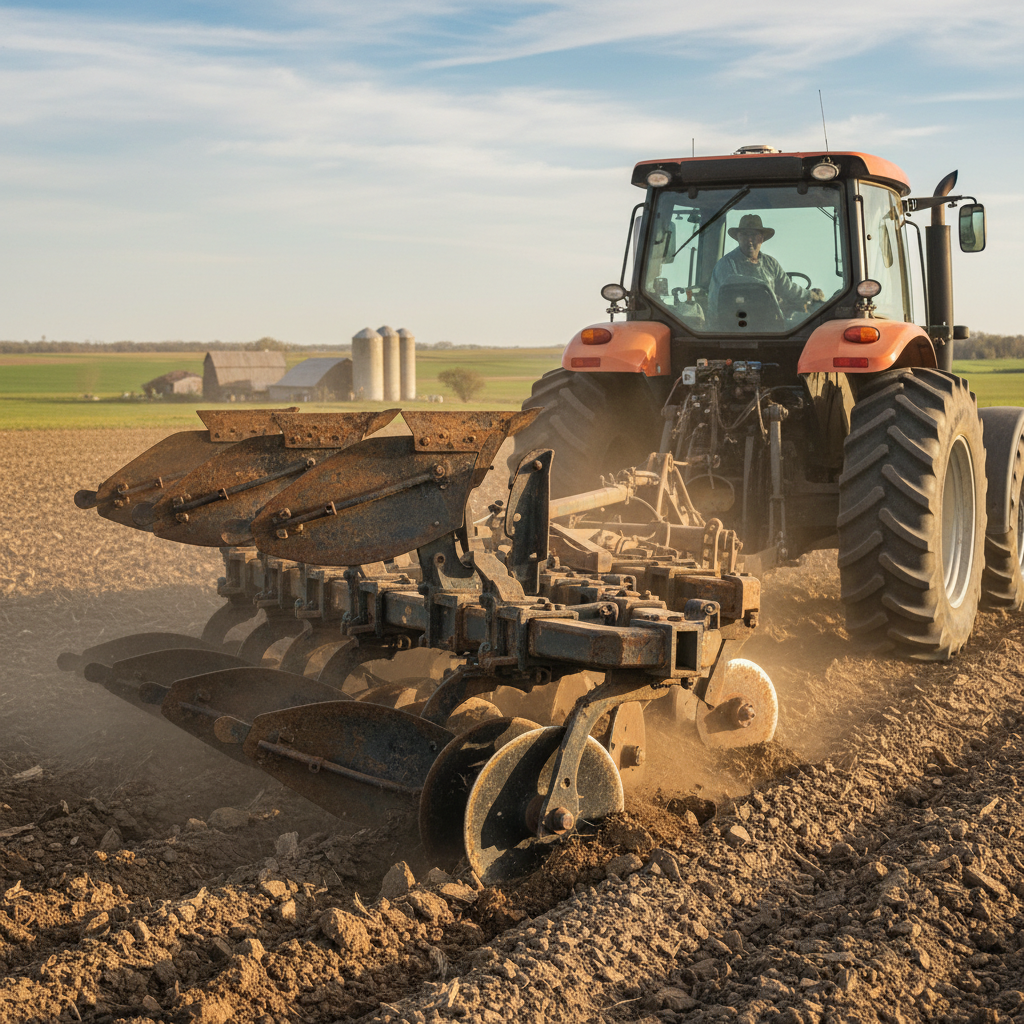
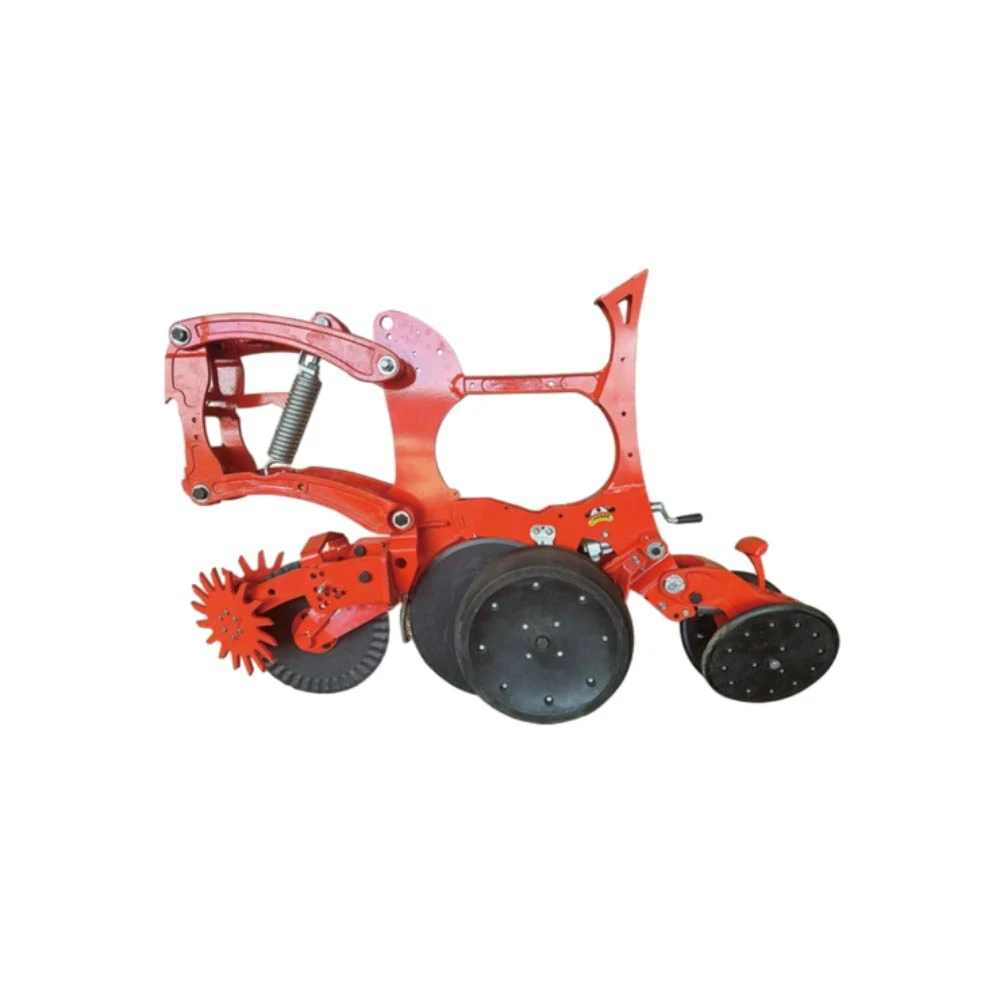
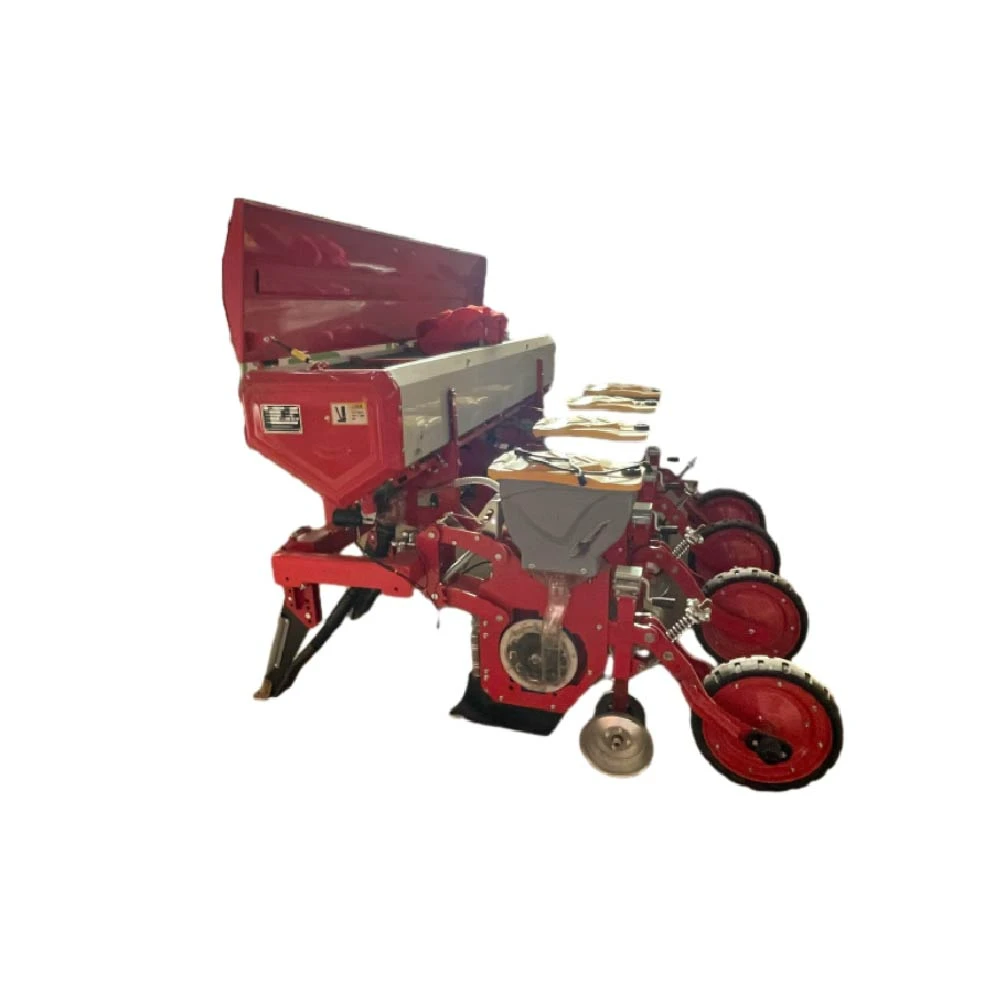
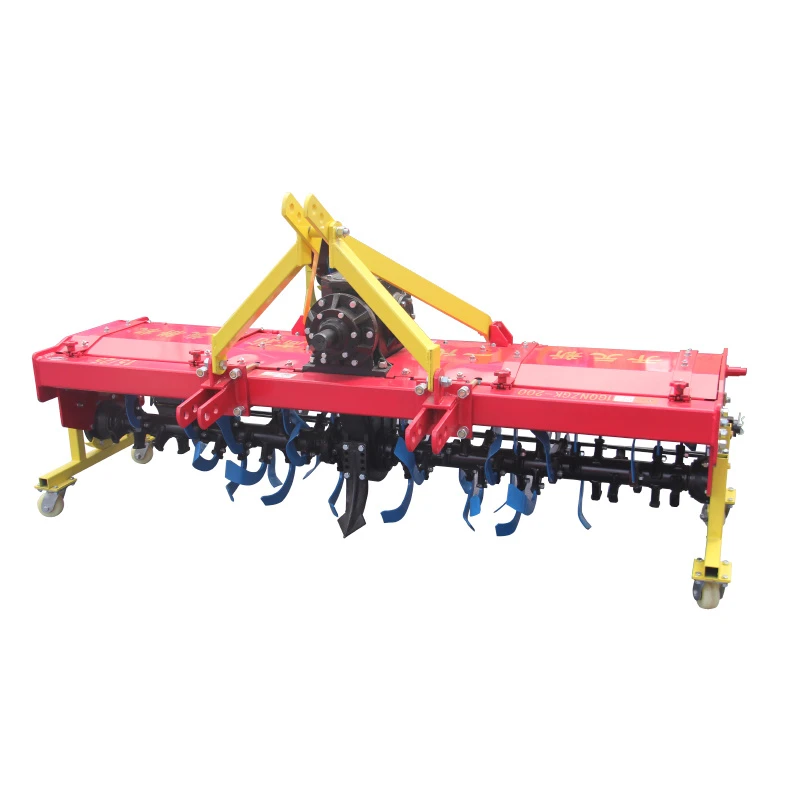
The range of farm machinery and equipment is vast, catering to the specific needs of different farming operations. Tractors remain the workhorse of most farms, providing the power to drive a multitude of implements. Combine harvesters are essential for efficiently harvesting grains and other crops. Planting equipment, such as seed drills and planters, ensures precise seed placement for optimal germination. Other crucial equipment includes sprayers for applying pesticides and fertilizers, hay balers for preserving forage, and various material handling tools like loaders and conveyors. Selecting the appropriate equipment requires careful consideration of farm size, crop type, and budget. Modern agricultural practices increasingly rely on specialized machinery for tasks like precision farming and automated irrigation.
Key Considerations: Choosing the right machinery involves assessing your farm's specific needs, considering long-term costs (including maintenance and fuel), and prioritizing efficiency and reliability.
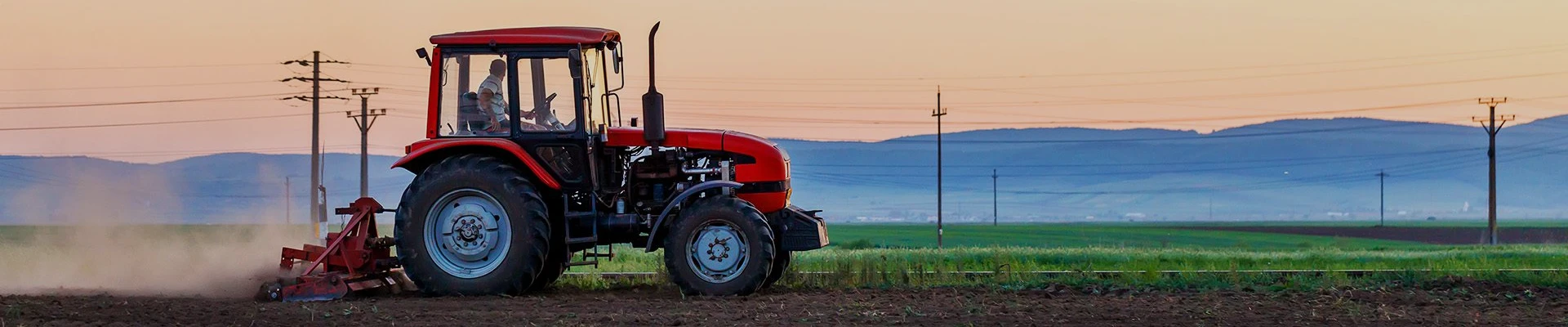
Tractors are classified based on their horsepower (HP), which determines their ability to pull and power various implements. Smaller tractors (under 40 HP) are suitable for smaller farms and tasks like mowing and light tillage. Mid-range tractors (40-100 HP) are versatile and can handle a wider range of implements. Larger tractors (over 100 HP) are used for heavy-duty tasks like plowing, planting, and harvesting on large-scale farms. It’s critical to ensure that the tractor's HP is sufficient for the implements you plan to use. Furthermore, compatibility with implements regarding hitch types and hydraulic systems is vital for seamless operation. Langningam offers a diverse range of tractors to meet varying farm requirements.
Tractor HP Guide:
• Under 40 HP: Small farms, light tasks
• 40-100 HP: Versatile, medium-sized farms
• Over 100 HP: Large-scale farms, heavy-duty tasks
Harvesting equipment varies depending on the type of crop. Combine harvesters are designed for grains like wheat, corn, and soybeans, performing reaping, threshing, and winnowing in a single operation. Forage harvesters, on the other hand, are used to harvest grasses and other forage crops for silage or hay. The choice between these depends on your farm's specialization. Direct compares are best viewed in a chart. Modern combines increasingly feature precision agriculture technologies like yield monitoring and GPS guidance.
Precision farming technologies are transforming agricultural practices, allowing farmers to optimize resource use and improve yields. GPS-guided tractors and combines enhance accuracy and efficiency. Variable rate technology (VRT) allows for precise application of fertilizers and pesticides based on field conditions. Sensors and drones provide valuable data on crop health, soil moisture, and other key parameters. These technologies contribute to sustainable farming practices and reduce environmental impact. Langningam is actively incorporating these technologies into its equipment offerings.
Regular maintenance is essential for extending the lifespan of farm machinery and equipment. This includes routine inspections, lubrication, filter changes, and timely repairs. Following the manufacturer's recommended maintenance schedule is crucial. Proper storage during the off-season protects equipment from the elements. Investing in preventative maintenance can save significant costs in the long run by preventing major breakdowns and ensuring optimal performance.
Selecting the right farm machinery and equipment is a critical investment in the future of your agricultural operation. By carefully considering your farm's specific needs, embracing emerging technologies, and prioritizing regular maintenance, you can maximize efficiency, reduce costs, and ensure long-term sustainability.
Several factors are key when selecting a tractor. First, assess your farm size and the types of tasks you'll be performing. Consider the required horsepower (HP) for the implements you plan to use. Evaluate the tractor's transmission type (manual or hydrostatic) and its compatibility with various attachments. Budget is also crucial, considering both the initial purchase price and ongoing maintenance costs. Finally, research different brands and models, reading reviews and comparing specifications to find the best fit for your needs. Consider fuel efficiency and operator comfort as well.
Preventative maintenance is extremely important. Regular inspections, lubrication, and timely replacement of worn parts can significantly extend the lifespan of your machinery and prevent costly breakdowns. Addressing small issues promptly can prevent them from escalating into major repairs. Following the manufacturer’s recommended maintenance schedule is essential. Proper maintenance also helps ensure that your equipment operates at peak efficiency, saving fuel and improving productivity.
Precision farming technologies offer numerous benefits, including increased efficiency, reduced waste, and improved yields. GPS-guided equipment allows for precise field operations, minimizing overlap and maximizing coverage. Variable rate technology enables tailored application of inputs (fertilizers, pesticides) based on specific field conditions. Sensors and drones provide valuable data for informed decision-making, optimizing resource allocation and promoting sustainable farming practices.
Langningam provides a wide range of high-quality farm machinery and equipment, backed by excellent customer support. We offer both new and used equipment to meet diverse budgets and needs. Explore our website or contact us directly to discuss your specific requirements. We are committed to helping you find the right equipment to optimize your farm’s productivity.