Having spent over a decade in the agricultural equipment sector, I've developed a bit of an appreciation — and admittedly, a soft spot — for seeders. You know, those deceptively simple machines that make the whole planting process smoother and more precise. Seeder technology has evolved quite a bit, even if it might appear straightforward at first glance. In real terms, different types of seeders suit different soil types, crops, and farming scales. So let’s walk through the main categories and what you should keep in mind before choosing one.
Frankly, no two farms are the same. Soil texture, moisture content, row spacing—these factors dictate what kind of seeder makes sense. Oddly enough, the history behind many seeders shows a continuous trade-off between simplicity and precision. For example, the humble broadcast seeder is one of the oldest types—basically just spreading seeds in bulk across a field. It's quick, but precision? Not so much.
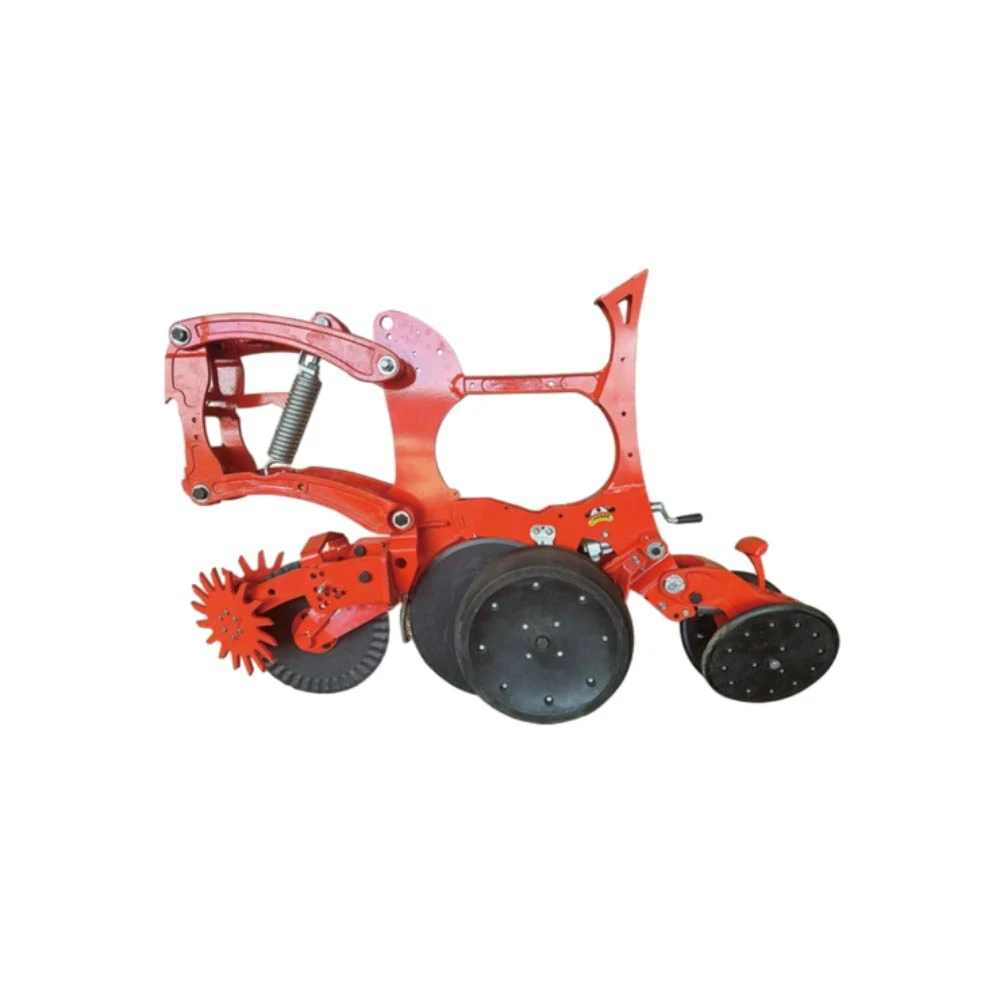
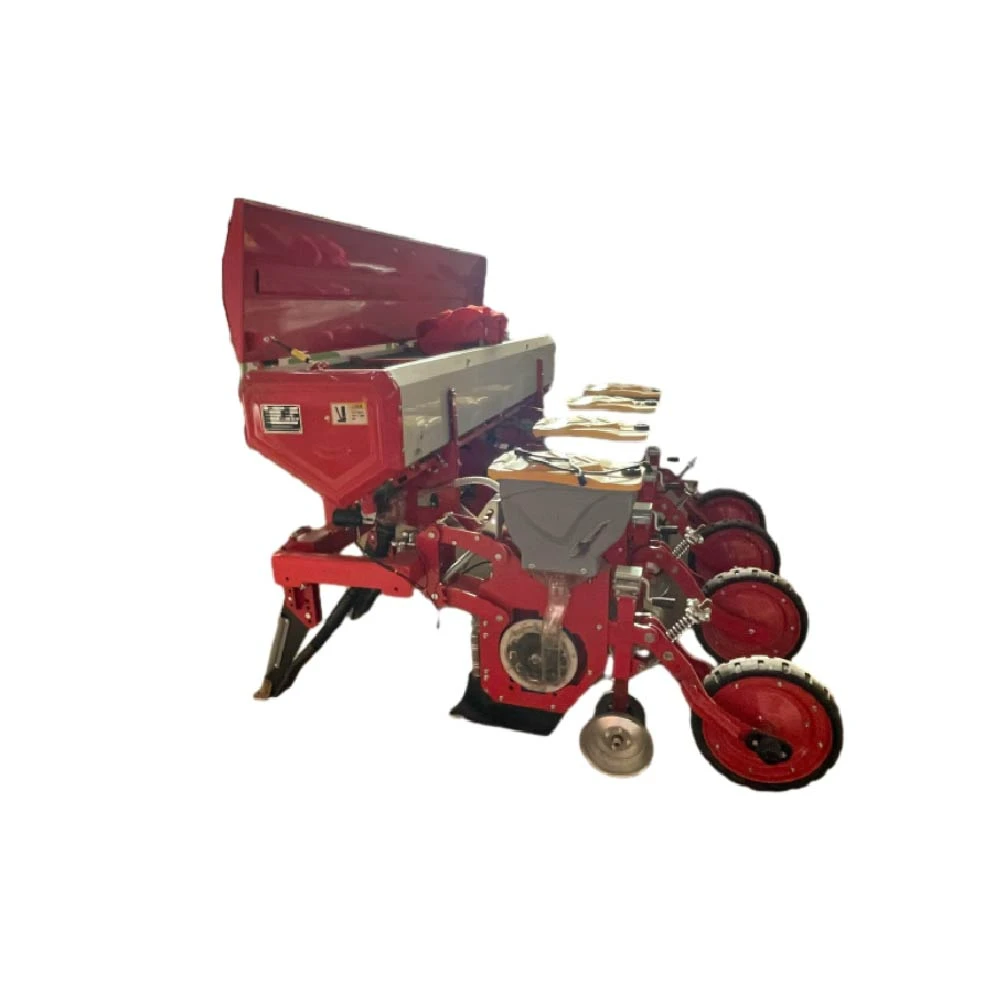
Then you've got the drill seeder. It deposits seeds in neat rows, at consistent depths, and spaced properly. I remember one customer who switched to a drill seeder and reduced seed waste by nearly 20%. Not to mention, the improved germination rates. It really pays off in the long run, even if the initial investment is steeper.
There's also the precision seeder, often favored in specialized and high-value crop production. It’s kind of like the sniper in the seeding world. These machines use technology like seed singulators and variable-rate metering for unmatched accuracy. You might say precision seeders speak to the modern era of agriculture— smart, data-driven, and focused on optimizing yields. But, naturally, they can require more maintenance and operator skill, which is worth considering.
And not to forget the transplanter, though sometimes they fall into a slightly different category altogether. They handle seedlings rather than seeds and are perfect for crops that need head start indoors before field planting.
| Seeders Type | Seed Placement | Suitable Crop Types | Typical Field Size |
|---|---|---|---|
| Broadcast Seeder | Random scattered | Grains, cover crops | Small to large |
| Drill Seeder | Row-wise precise | Wheat, maize, soy | Medium to large |
| Precision Seeder | Individual seed placement | Vegetables, specialty crops | Small to medium |
| Transplanter | Seedling placement | Tomato, tobacco, cabbage | Small to medium |
| Vendor | Product Range | Customization | After-sales Support | Price Range |
|---|---|---|---|---|
| AgriTech Corp | Broadcast, drill | Limited | Standard warranty | $5,000–$15,000 |
| GreenSeed Solutions | Drill, precision | Medium-level | 24/7 customer care | $12,000–$30,000 |
| FarmEquip Experts | All types including transplanters | High, full customization | Onsite support available | $20,000+ |
When I think about selecting the seeder that’s just right, it always comes down to those on-the-ground details. What kind of crops you grow, your budget, how much you want to tinker with settings... Each machine tells a story about the farm and the farmer.
In one memorable instance, a small family farm I worked with was debating between a drill and precision seeder. Their fields were small but very diverse. In the end, they went with a mid-range precision seeder that allowed them to experiment with lettuce and carrots. The switch gave them better yields and cleaner rows. Plus, it felt like upgrading from a bicycle to a motorcycle — a better tool for the job.
Of course, no seeder is a silver bullet, and maintenance is crucial. Keeping an eye on seed tubes, calibration, even ground conditions... all these count. It pays to partner with reputable vendors who offer good support, especially if you are new to precision seeders.
If you want to dive deeper into seeder options out there, the online catalogues and customer reviews I’ve seen at Langningam are quite comprehensive and can help you get a sense of what suits your needs.
At the end of the day, the best seeder is the one that feels “right” for your farm and your workflow. Trust the process, because the right tool makes all the difference in how efficiently those tiny seeds become tomorrow’s crops.
– From years spent in dusty fields and factory floors, your friendly industrial equipment insider
References: