Types Of Agricultural Seeders is a key solution in the industry, specifically within modern farming and agribusiness sectors. This article explores how https://www.langningam.com supports professionals with durable, high-performance products, and explains why this product is an ideal choice for businesses aiming to boost efficiency and sustainability in their planting processes.
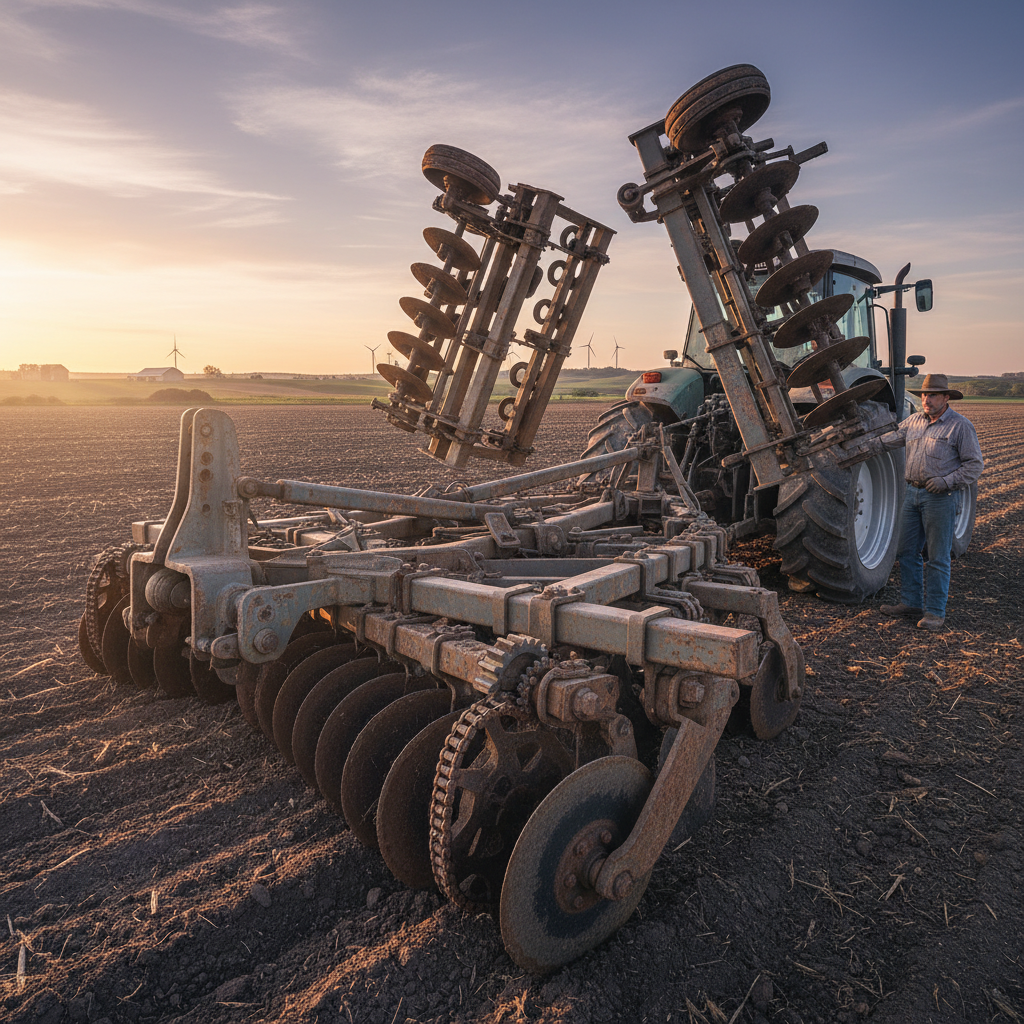
Simply put, agricultural seeders are machines designed to sow seeds efficiently and reproducibly into prepared soil. The Types Of Agricultural Seeders available today vary widely depending on crop type, soil condition, and operational scale. What’s interesting is how these devices blend mechanical precision with raw field power — you don’t realize how much tech goes into placing seeds just right until you work alongside one.
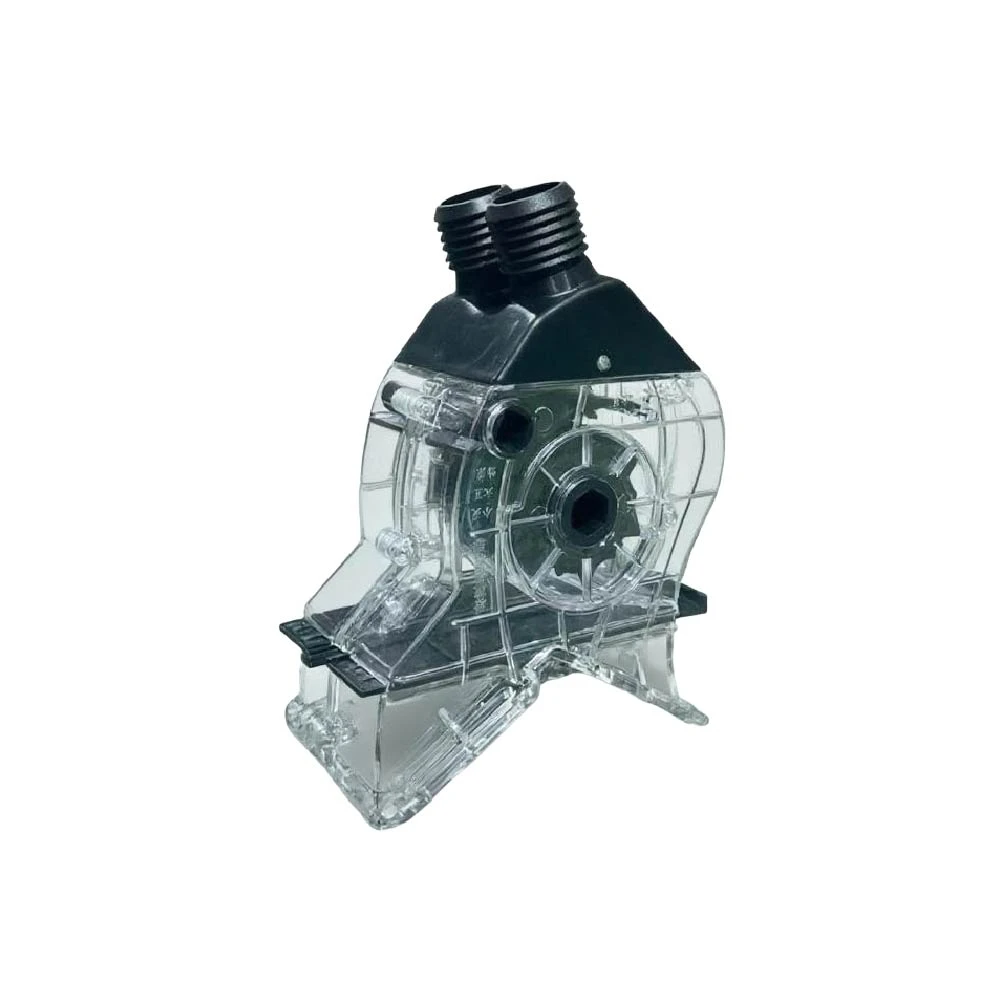
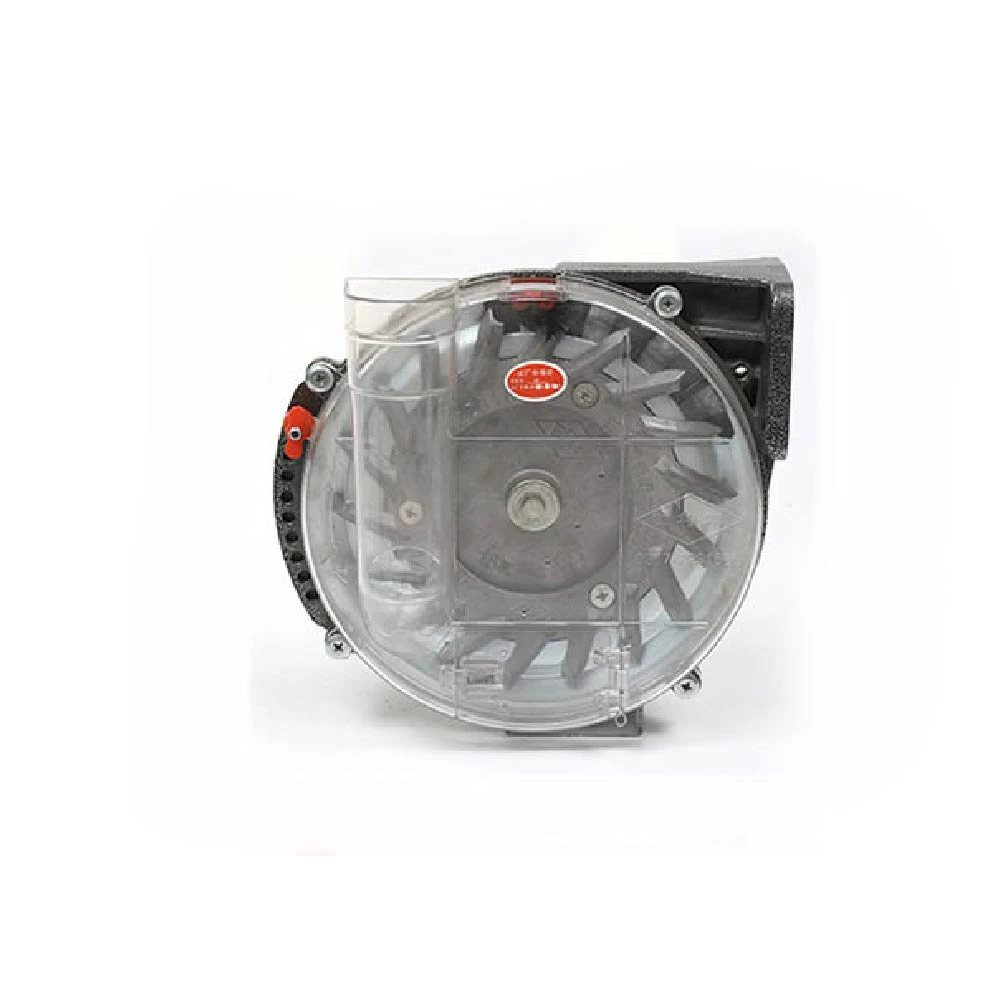
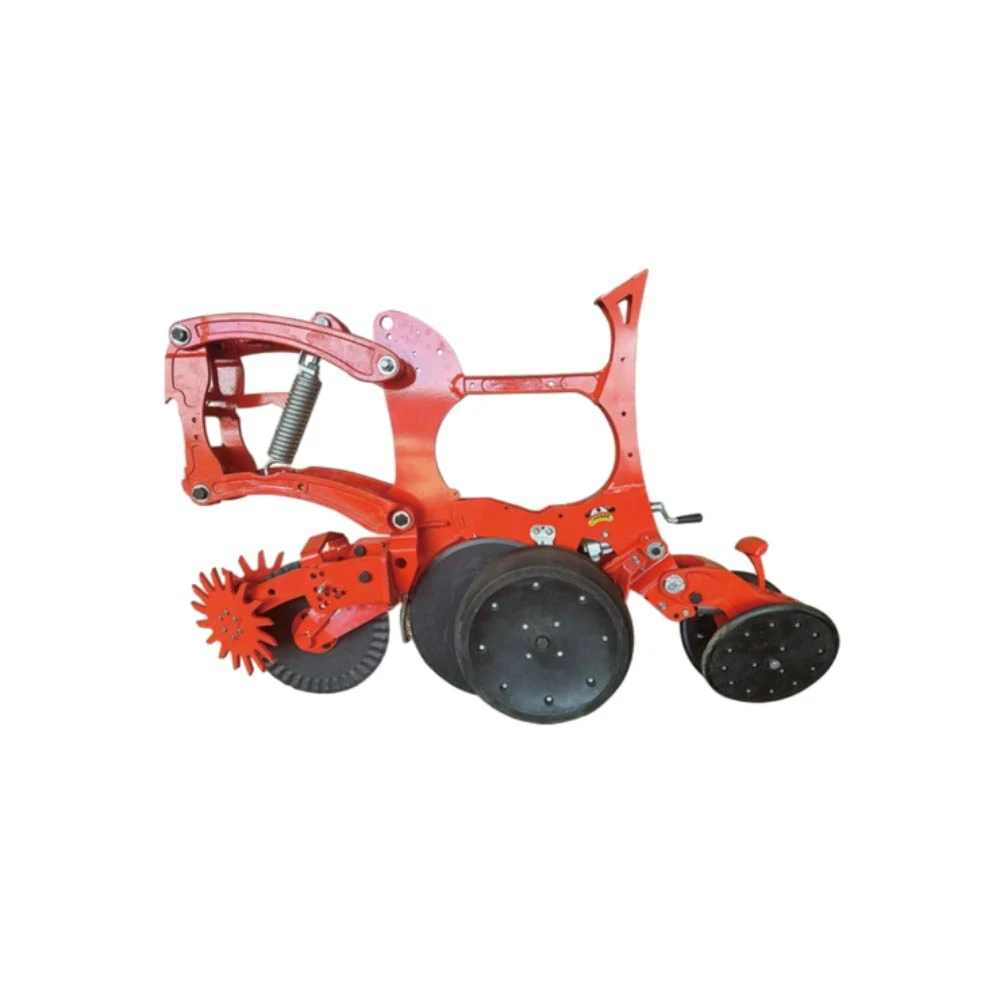
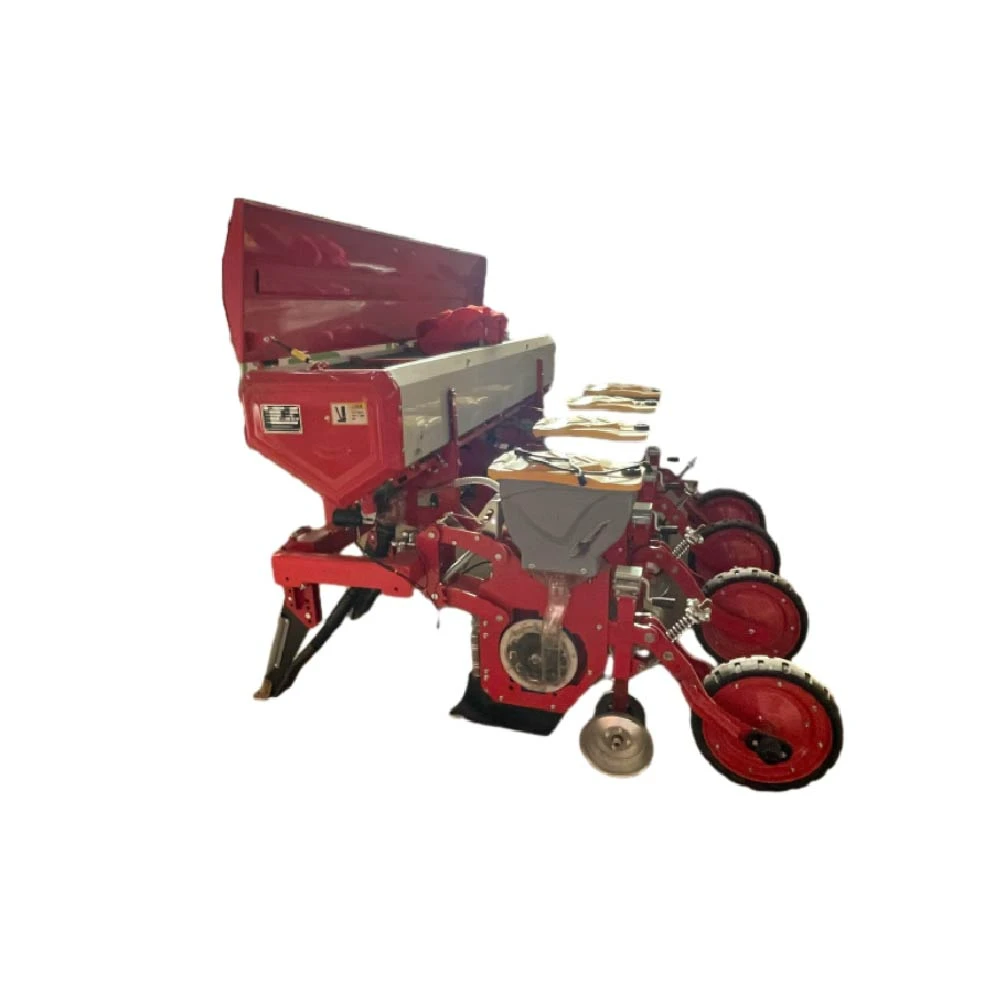
From traditional mechanical drill seeders to pneumatic precision planters, the seeders differ in seed metering method, row spacing capability, and automation level. For example, vacuum seeders use suction to handle delicate seeds with care, which is invaluable for specialty crops. On a recent case study at a large-scale corn farm, the adoption of pneumatic seeders from Langningam led to a 10% increase in germination uniformity — quite a leap when you consider the scale of those fields.
| Seeder Type | Seed Metering | Row Spacing | Capacity | Power Source |
|---|---|---|---|---|
| Mechanical Drill Seeder | Mechanical plates | 15-30 cm | Up to 3 tons | Tractor PTO |
| Pneumatic Precision Seeder | Vacuum suction | 5-25 cm | 500 kg hopper | Hydraulic power |
| Air Seeder | Air pressure distribution | Variable; up to 50 cm | Up to 5 tons | Tractor PTO or electric |
In real farm operations, seeders aren’t just machines; they’re the heart of crop productivity. Different "Types Of Agricultural Seeders" suit various functions — from planting large cereal grains to delicate vegetable seeds under intensive conditions. For a wheat farmer, a mechanical drill seeder might be the bread and butter, capable of covering wide areas fast and reliably.
Then there’s the precision pneumatic seeder, often favored by horticulture or specialty crop producers because of its seed spacing accuracy and gentle handling. The competitive edge these seeders provide includes consistent seed depth placement and reduced seed waste. Faster planting times coupled with precise seed distribution contribute directly to improved germination and yield quality — which frankly, can transform a business’s bottom line.
| Vendor | Seeder Type | Durability | Tech Integration | Price Range (USD) |
|---|---|---|---|---|
| Langningam | Pneumatic Precision Seeder | High (industrial-grade materials) | IoT-enabled for monitoring | $12,000–$18,000 |
| AgroTech Co. | Mechanical Drill Seeder | Medium | Basic mechanical system | $8,000–$12,000 |
| SeedPro | Air Seeder | High | GPS and automation ready | $15,000–$22,000 |
It’s tempting to think only of the initial purchase price with agricultural equipment, but frankly, that’s just the tip of the iceberg. Total cost of ownership for Types Of Agricultural Seeders includes ongoing maintenance, downtime, and expected longevity. Langningam seeders use premium alloys and tightly tested wear components, which reduces frequent breakdowns and costly repairs.
From talking to several mid-sized farming operations, I noticed a recurring theme: users appreciate the blend of intuitive controls and ruggedness. One customer said their pneumatic seeder ran reliably across multiple seasons with only standard servicing routines — no nasty surprises or hidden expenses. That kind of reliability translates to more uptime, more seeds planted on schedule, and ultimately better ROI.
Oddly enough, sustainability is becoming not just a regulatory hurdle but a powerful market driver in agriculture. The modern Types Of Agricultural Seeders are designed with resource efficiency in mind — precision seed placement means less waste, less soil disturbance, and optimized water usage.
Emerging regulations often encourage conservation tillage and minimal soil compaction, both of which Langningam’s seeders accommodate gracefully. Furthermore, there is a noticeable shift in the industry towards smart farming integration — GPS-guided seeders and IoT-enabled units pushing the frontier toward fully autonomous planting. For companies pondering their next investment, leaning into sustainable and tech-forward seeders isn’t just smart; it’s future-proof.
Wrapping things up, Types Of Agricultural Seeders represent the backbone of modern efficient planting. Whether it’s precision pneumatic seeders or heavy-duty mechanical drills, these machines drive yields up and input costs down. For B2B decision makers looking to sharpen their competitive edge, opting for reliable providers like Langningam is a savvy move.
Oddly enough, while technology evolves fast, the simple act of planting seed remains timeless — it just gets a little smarter every season.