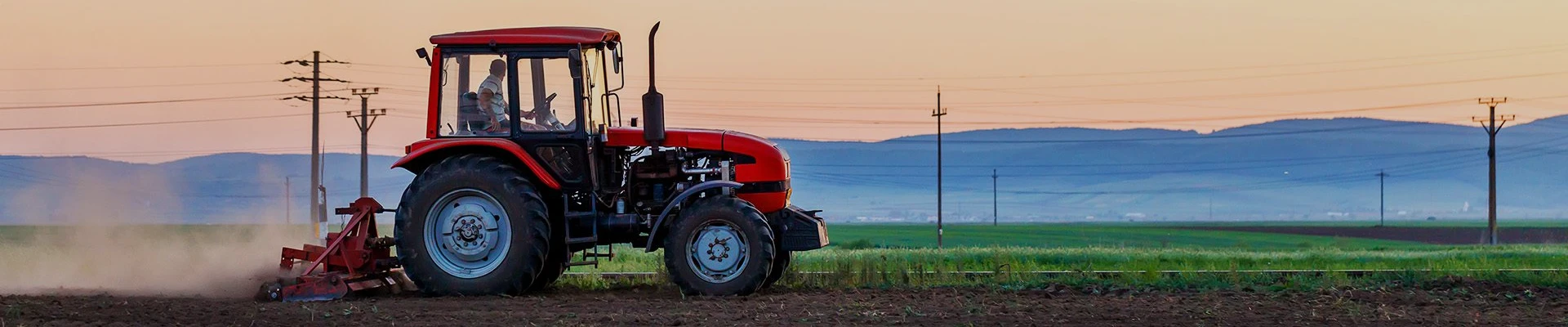
Modern agriculture demands efficiency and precision. Farm machinery implements are the backbone of this productivity, transforming labor-intensive tasks into streamlined operations. This article explores the world of these crucial tools, examining their types, benefits, and selection criteria to help you optimize your farming endeavors. Choosing the right implements is vital for maximizing yield, reducing costs, and ensuring sustainable agricultural practices. At Langningam, we are committed to providing high-quality implements that meet the evolving needs of today's farmers.
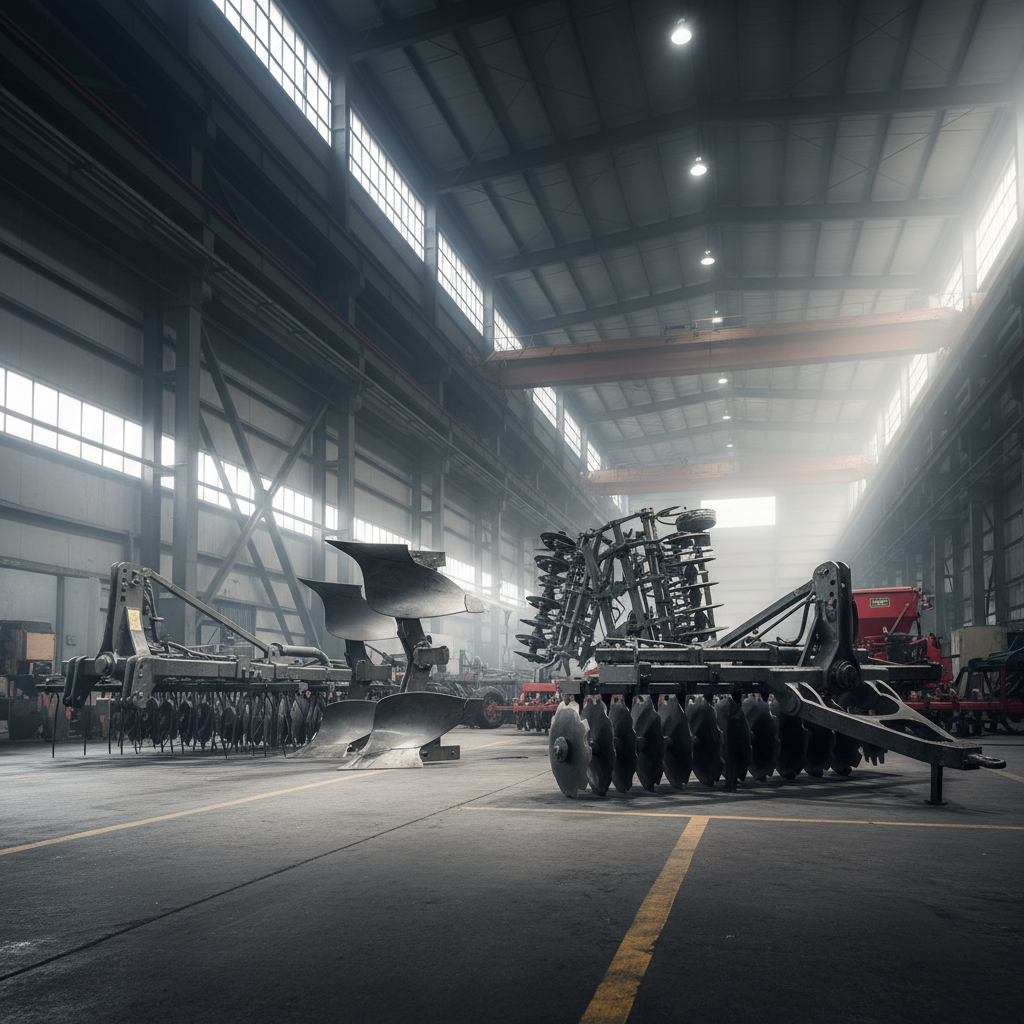
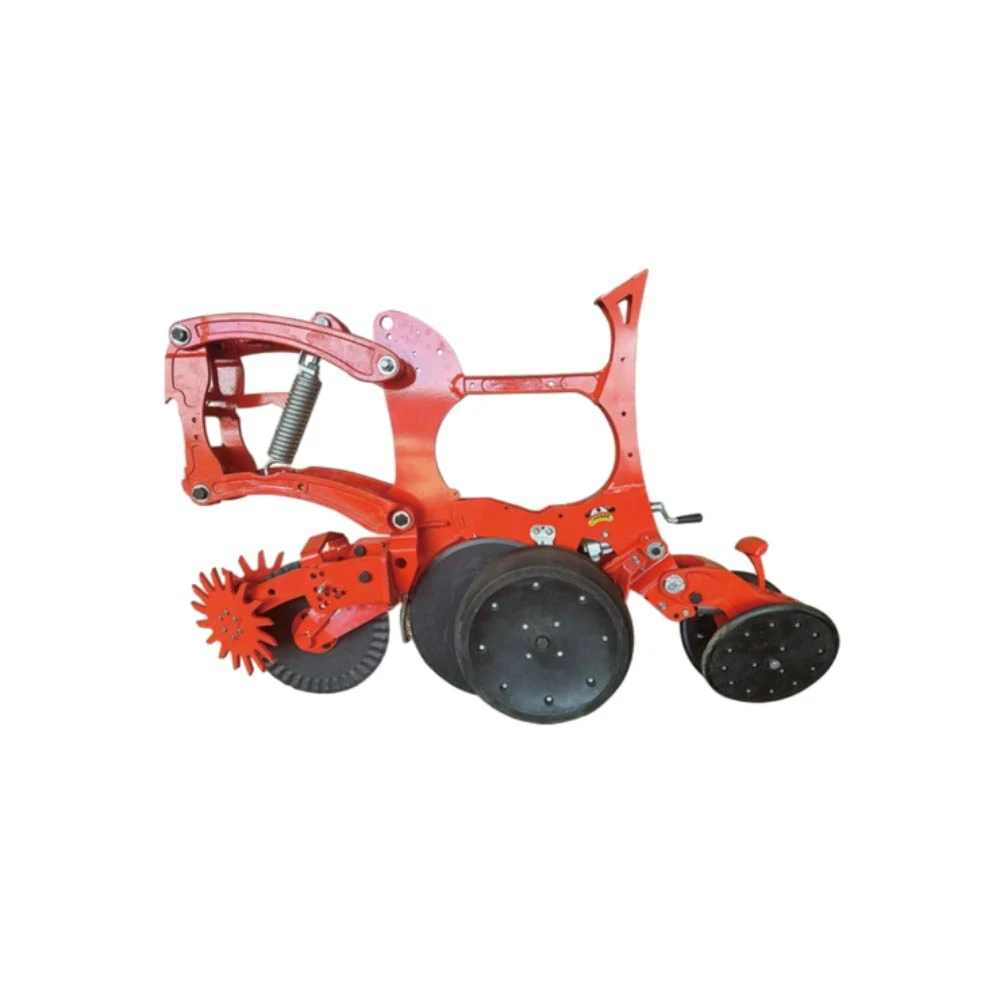
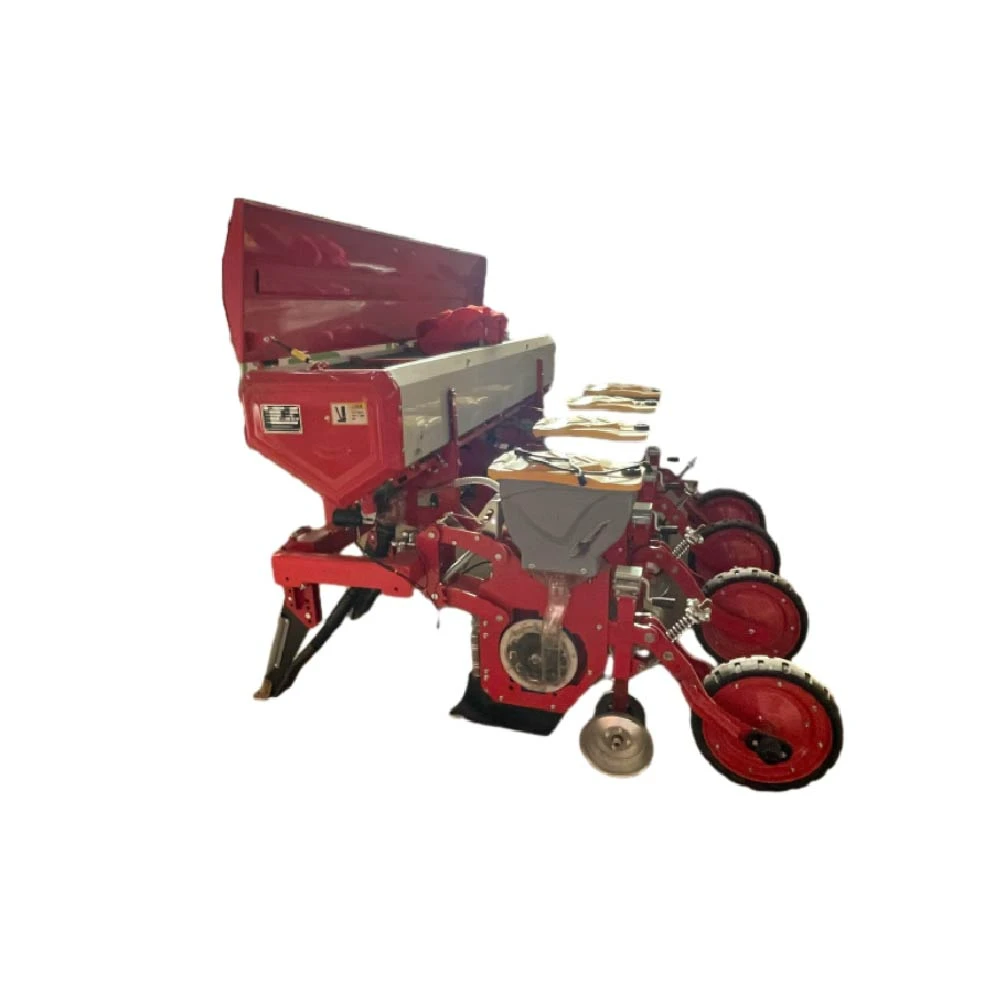
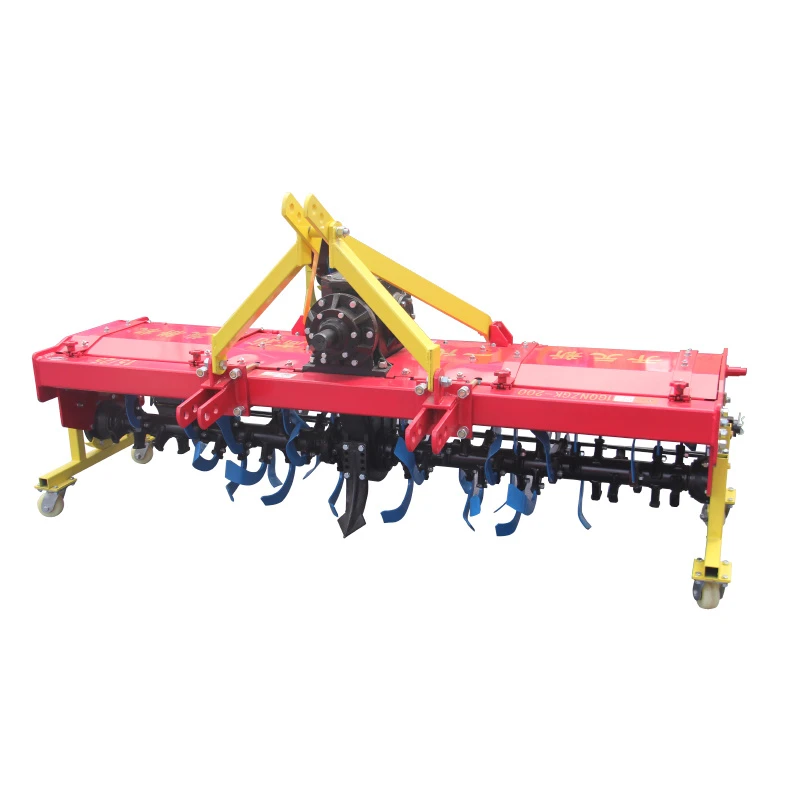
The spectrum of farm machinery implements is vast, catering to every stage of the agricultural process. Primary tillage implements, like plows and discs, prepare the soil for planting. Secondary tillage tools, such as harrows and cultivators, refine the seedbed. Planting implements, including seed drills and planters, ensure accurate seed placement. Harvesting implements, like combines and forage harvesters, gather the crops. Finally, material handling equipment, such as loaders and conveyors, facilitates efficient transport and storage. Understanding these categories is the first step in building a comprehensive toolkit for your farm.
Key Takeaway: Selecting implements based on your specific crop, soil type, and farm size is crucial for maximizing efficiency and return on investment.
Investing in modern farm machinery implements yields significant advantages. Increased efficiency translates to reduced labor costs and faster completion of tasks. Improved precision in planting and harvesting leads to higher yields and better crop quality. Reduced soil compaction promotes healthier root growth and improved water infiltration. Moreover, many modern implements are designed with sustainability in mind, minimizing environmental impact through reduced fuel consumption and optimized fertilizer application. Ultimately, these benefits contribute to increased profitability and long-term farm viability.
Efficiency Gains:
• Reduced labor requirements
• Faster task completion
• Increased yields
• Improved crop quality
Selecting the appropriate farm machinery implements requires careful consideration. Factors to evaluate include the size of your farm, the types of crops you grow, your soil conditions, and your budget. For example, a small-scale organic farm will have different implement needs than a large-scale conventional operation. Comparing different models and brands is also essential. Consider factors like durability, ease of maintenance, and fuel efficiency. Don’t hesitate to consult with agricultural experts and other farmers to gather insights and make informed decisions.
At Langningam, we offer a comprehensive range of high-quality farm machinery implements designed to meet the diverse needs of modern agriculture. We are committed to providing reliable products, expert advice, and exceptional customer service. Our team of experienced professionals can help you select the right implements for your specific applications and ensure you get the most out of your investment. We focus on durability, innovation and customer satisfaction.
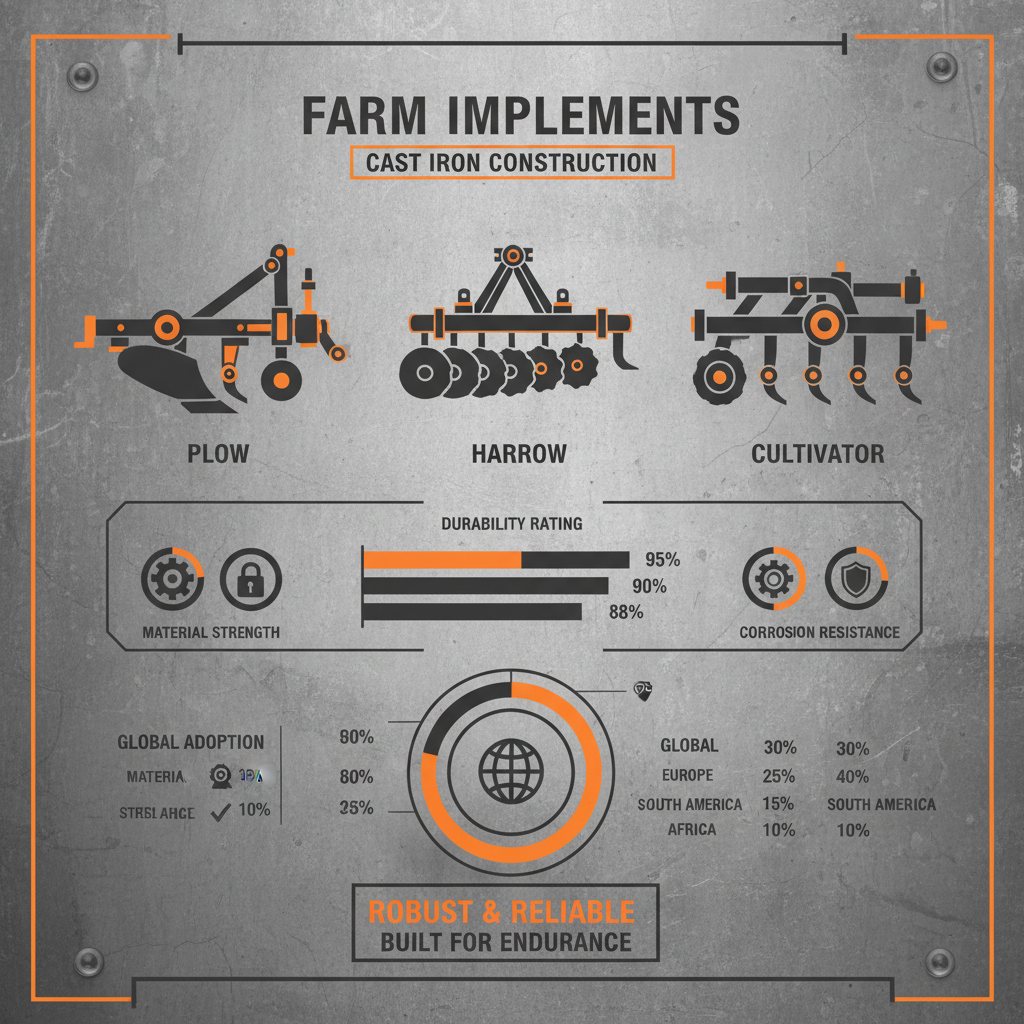
Prolonging the life of your farm machinery implements is paramount for maximizing your return on investment. Regular maintenance, including cleaning, lubrication, and inspection for wear and tear, is essential. Proper storage during the off-season, protecting implements from the elements, can also significantly extend their lifespan. Addressing minor repairs promptly can prevent them from escalating into more costly problems. Refer to the manufacturer’s manual for specific maintenance recommendations for each implement.
Investing in the right farm machinery implements is a strategic decision that can significantly impact your farm's productivity, profitability, and sustainability. By carefully considering your needs, selecting high-quality equipment, and implementing a robust maintenance plan, you can unlock the full potential of your agricultural operation. Langningam is here to support you every step of the way.
When selecting a plow, consider your soil type, the amount of residue you need to bury, and the horsepower of your tractor. Moldboard plows are best for heavy soils and complete inversion, while chisel plows are suitable for lighter soils and minimal disturbance. Disc plows are versatile and work well in a variety of conditions. Ensure the plow’s size and weight are compatible with your tractor’s capabilities. Finally, consider the availability of replacement parts and local service support.
The frequency of sharpening tillage implements depends on the soil type and the amount of use. Generally, you should sharpen them at least once per season, or more often if you encounter rocky or abrasive soils. Dull implements require more horsepower to operate and don’t provide optimal soil preparation. Regularly inspecting the blades for wear and tear will help you determine when sharpening is necessary. Maintaining sharp blades contributes to efficient operation and reduces fuel consumption.
A no-till drill allows you to plant seeds directly into undisturbed soil, minimizing soil erosion, improving water infiltration, and reducing fuel consumption. It preserves soil structure and organic matter, leading to healthier soil and increased yields over time. No-till farming also reduces the need for tillage implements, lowering operating costs and labor requirements. It’s a sustainable practice that benefits both the environment and your bottom line.
Reliable information about farm implement maintenance can be found in the owner's manuals for your specific equipment. Additionally, agricultural extension offices, online farming communities, and reputable agricultural websites like ours (Langningam) offer valuable resources and guidance. Consider attending workshops or training sessions on implement maintenance to learn best practices from experienced professionals.