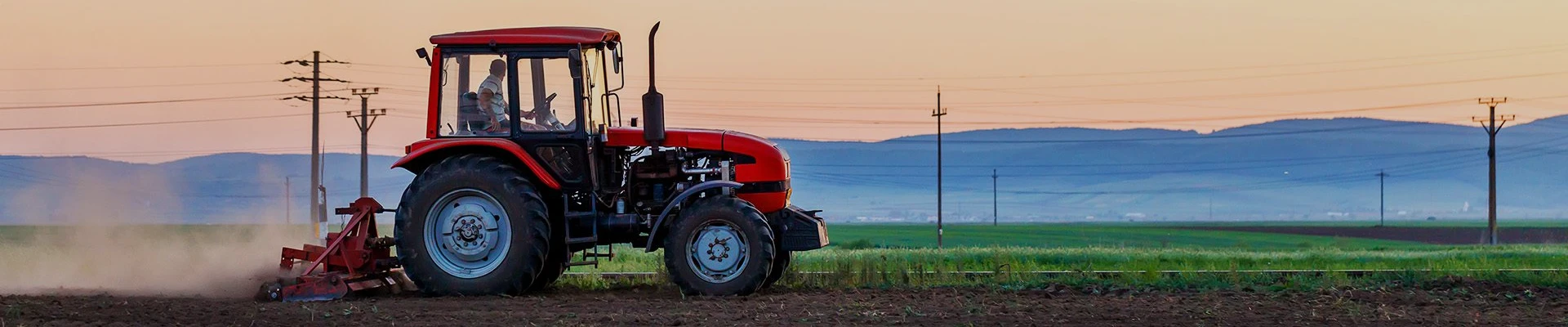
The agricultural sector relies heavily on efficient and reliable crop machinery to maximize yields and minimize labor costs. From planting and harvesting to processing and transportation, a wide range of specialized equipment is employed. This article delves into the core types of crop machinery, their applications, key considerations when purchasing, and the latest technological advancements shaping the industry. Choosing the right machinery is crucial for optimizing farm operations and ensuring profitability. We will explore how Langningam provides innovative solutions for modern agriculture.
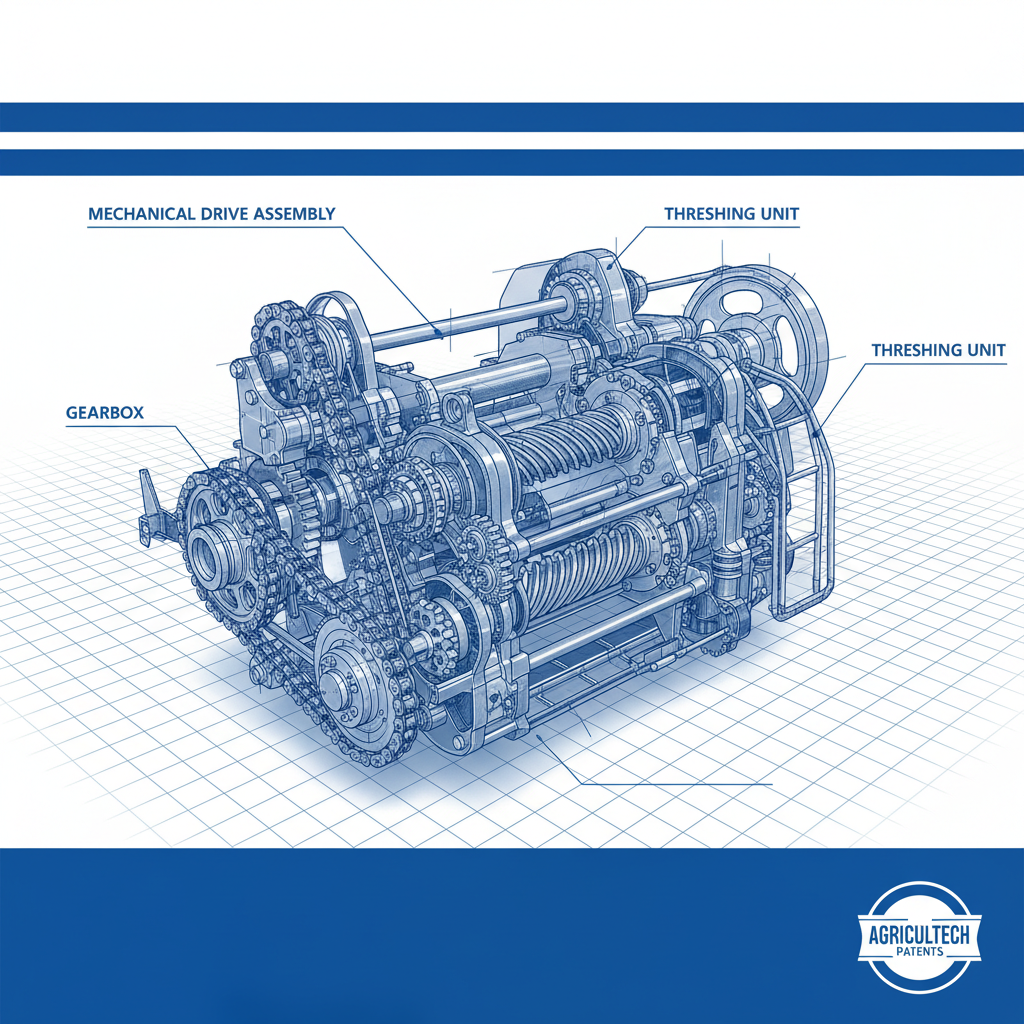
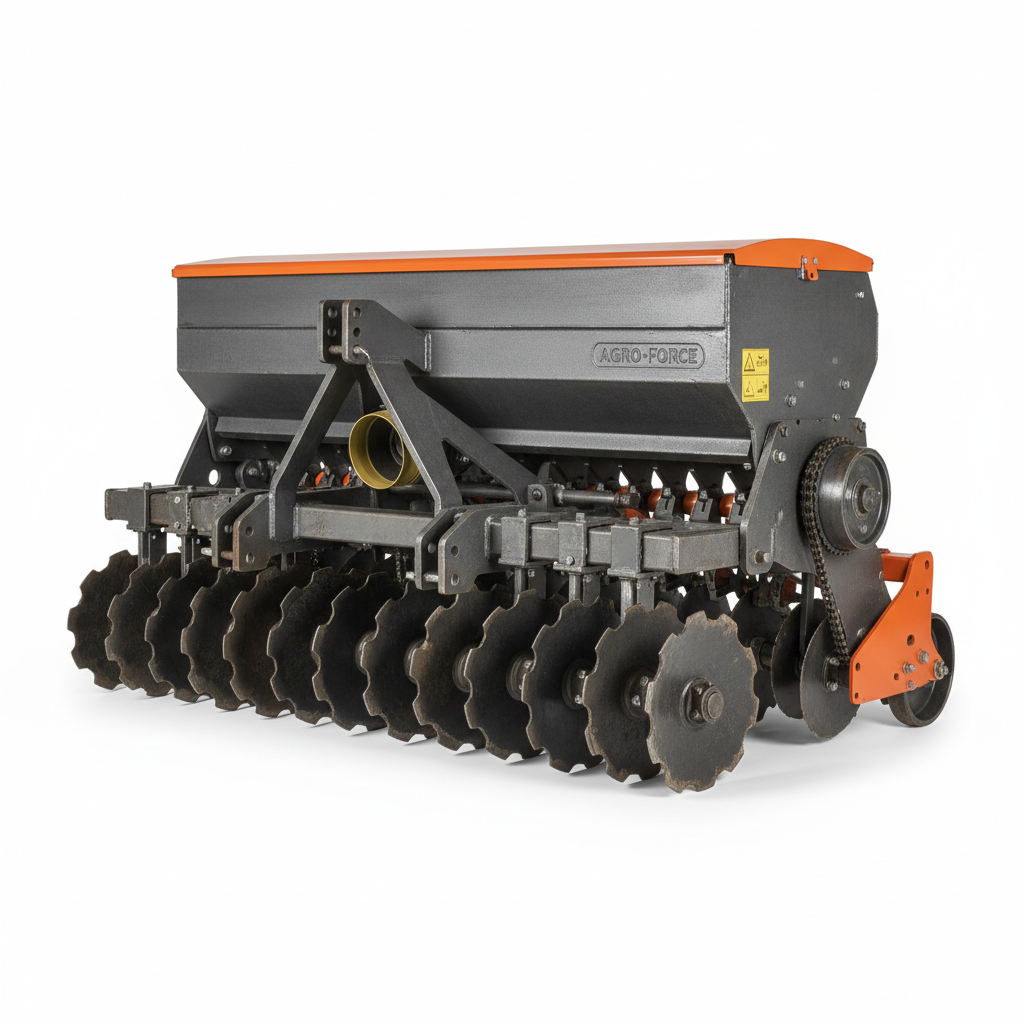
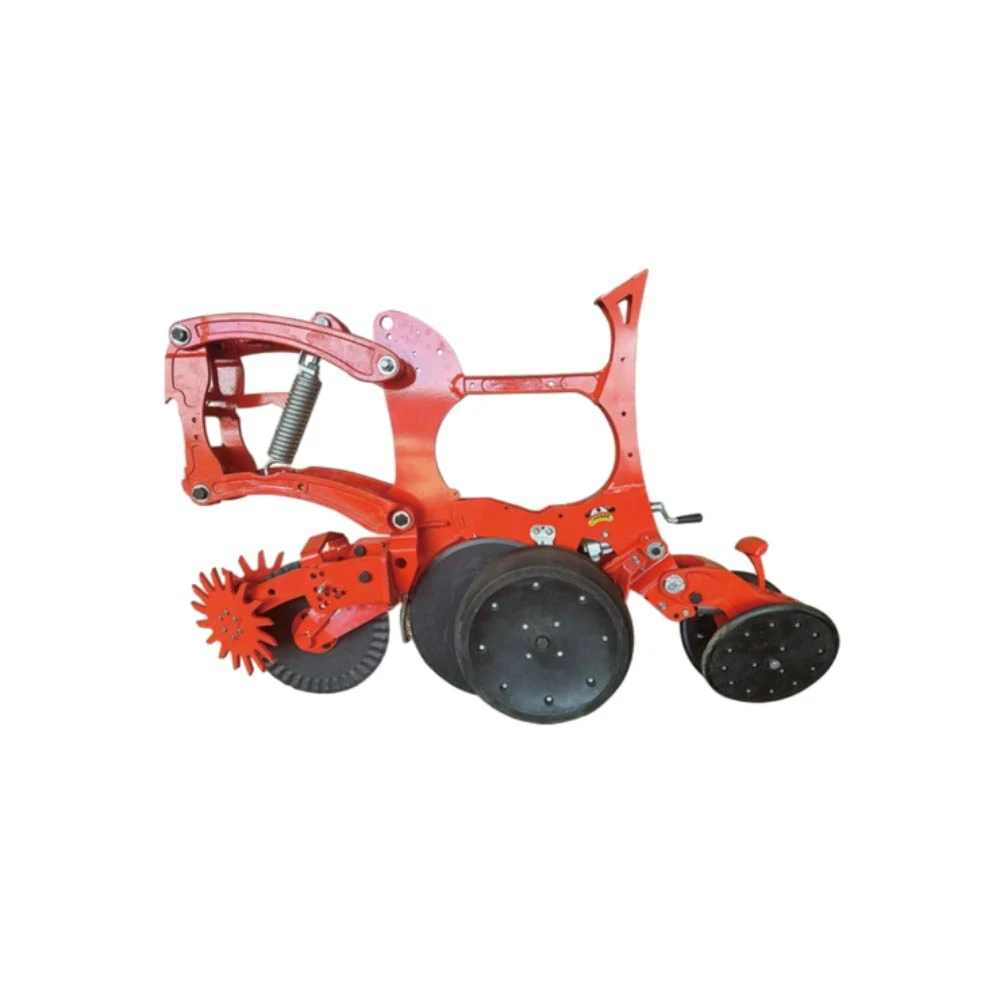
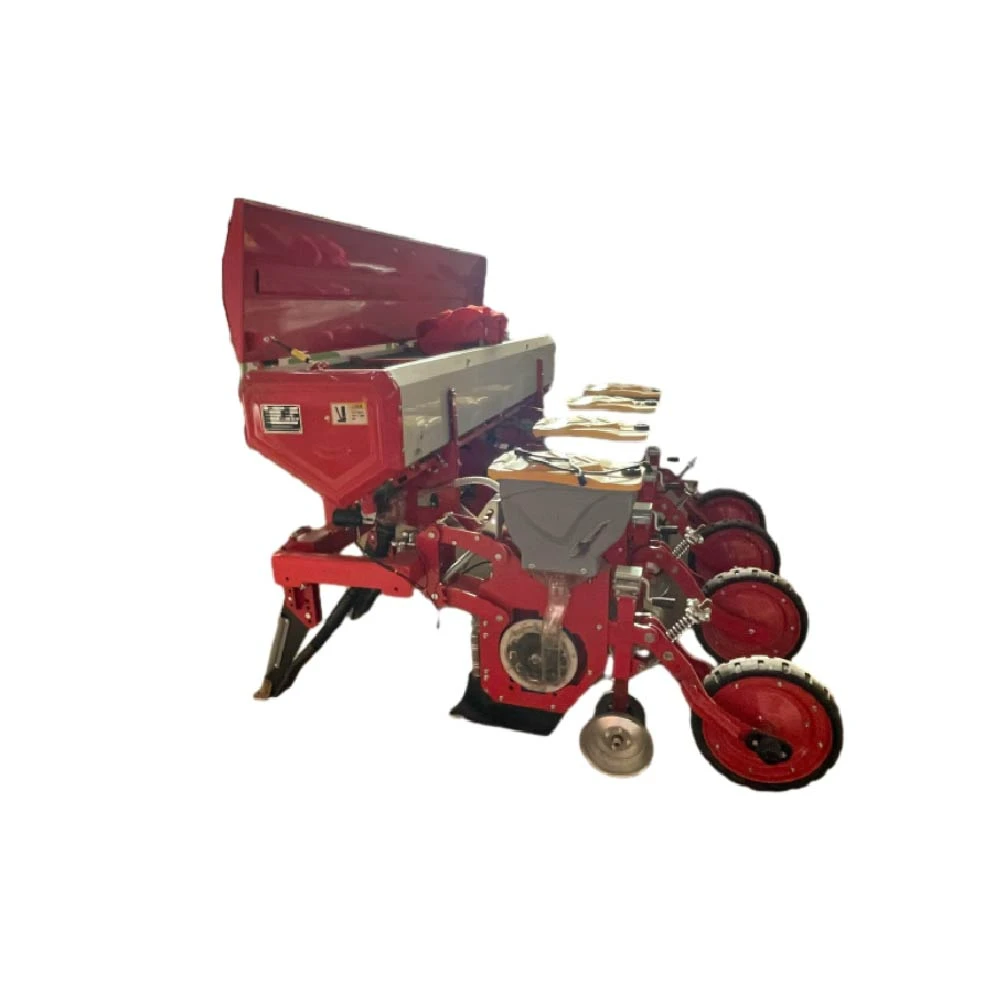
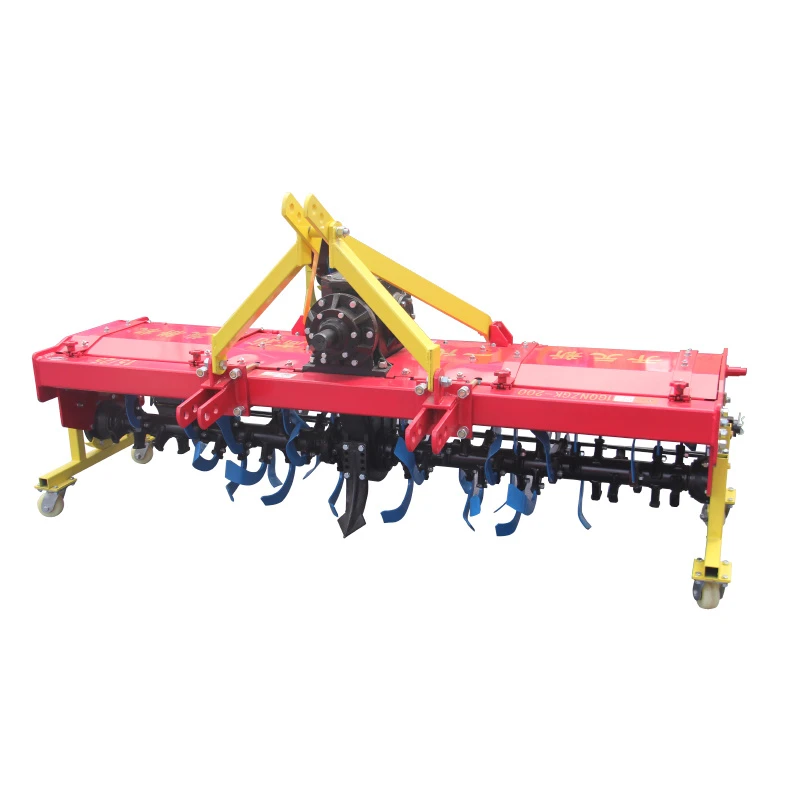
Crop machinery encompasses a diverse array of tools, each designed for a specific stage of the agricultural process. Key categories include planting equipment (seed drills, planters), harvesting equipment (combine harvesters, forage harvesters), tillage equipment (plows, harrows, cultivators), spraying equipment (sprayers, aerial applicators), and haying equipment (mowers, balers). Understanding the function of each type is essential for selecting the appropriate machinery for your farm's needs. Modern machinery often integrates GPS technology, automation features, and data analytics for improved efficiency and precision.
Key Highlights: Modern crop machinery utilizes GPS technology, automation, and data analytics for improved efficiency and precision farming.
Selecting the ideal crop machinery involves carefully considering several factors. Farm size, type of crops grown, terrain conditions, budget, and long-term operational goals all play a critical role. It’s crucial to assess the power requirements, capacity, fuel efficiency, and maintenance needs of different machines. Investing in high-quality machinery from reputable manufacturers like Langningam can ensure longevity and minimize downtime.
Key Considerations:
• Farm Size and Crop Type
• Terrain and Soil Conditions
• Budget and Long-Term Goals
• Fuel Efficiency and Maintenance
Combine harvesters are arguably the most important piece of machinery for grain producers. They perform multiple functions – reaping, threshing, gathering, and winnowing – in a single pass. Different combine harvester models vary in capacity, engine power, and features. Below is a comparison of key features for various models:
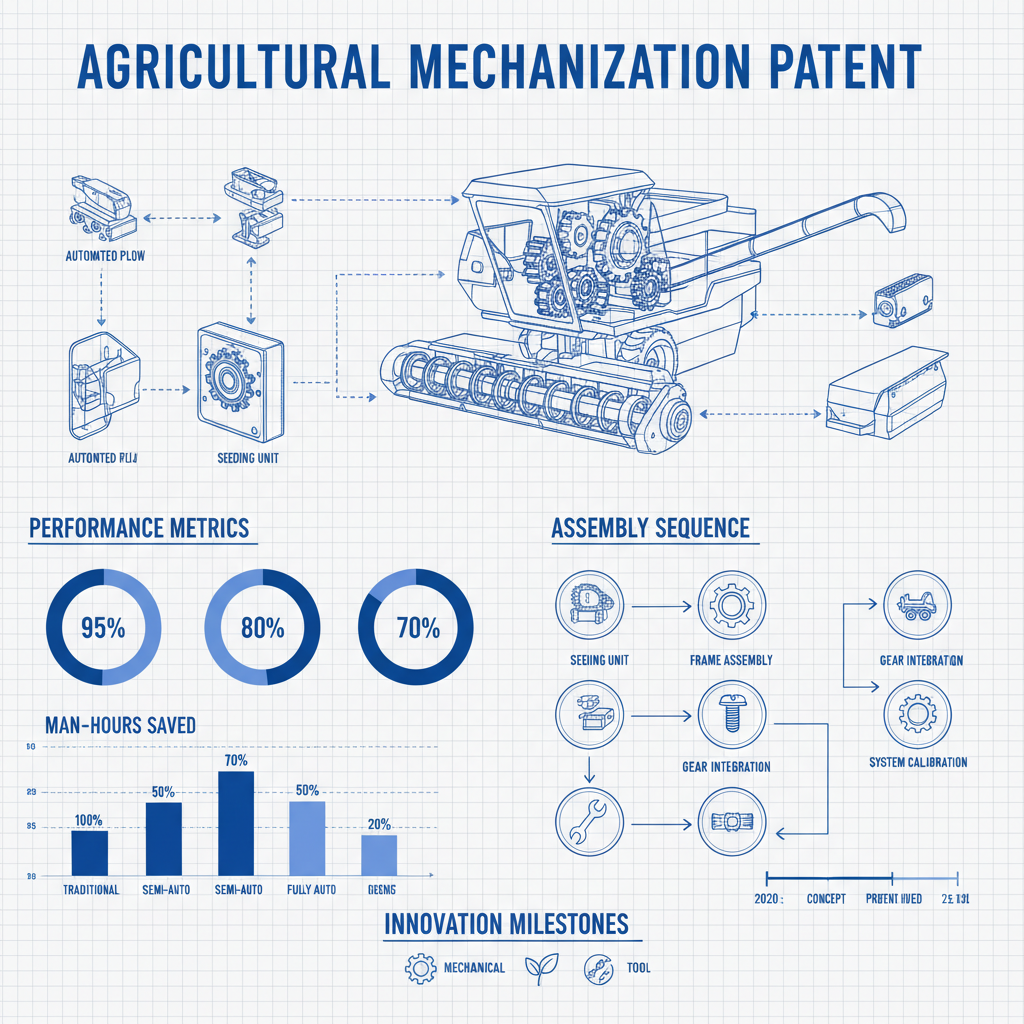
The field of crop machinery is undergoing a rapid transformation driven by technological innovation. Precision farming techniques, utilizing GPS guidance, variable rate application, and sensor technology, are becoming increasingly prevalent. Autonomous tractors and drones are also emerging as game-changers, offering the potential to automate tasks, reduce labor costs, and improve efficiency. Data analytics and machine learning are enabling farmers to make more informed decisions about planting, fertilizing, and harvesting.
At Langningam, we are committed to providing cutting-edge crop machinery solutions to help farmers optimize their operations. We offer a wide range of high-quality equipment, coupled with expert support and service. Our focus is on delivering innovative technologies that improve efficiency, reduce costs, and enhance sustainability. We are dedicated to partnering with farmers to build a more productive and resilient agricultural future.
Investing in modern crop machinery is not just about increasing efficiency; it's about ensuring the long-term sustainability and profitability of your farm. With advancements in technology, farmers now have access to tools that can optimize every stage of the agricultural process. Langningam is dedicated to providing these innovative solutions and supporting farmers in achieving their goals.
When selecting a tractor, consider horsepower requirements based on the implements you'll be using, the size of your farm, and the type of terrain. Evaluate transmission options (manual, hydrostatic, power shift) based on your preference and the tasks involved. Also, assess fuel efficiency, operator comfort, and the availability of service and parts. Finally, compare pricing and financing options from different manufacturers like Langningam to find the best value. Don't forget to check for warranty coverage and consider the resale value of different models.
Precision farming technologies, such as GPS guidance, variable rate application, and sensor technology, offer numerous benefits. These include increased efficiency, reduced input costs (fertilizer, pesticides, water), improved crop yields, and minimized environmental impact. By precisely targeting resources to where they are needed most, you can optimize your operations and maximize profitability.
Drones are becoming increasingly valuable tools in modern agriculture. They can be used for crop scouting, monitoring field conditions, creating detailed maps, and even applying pesticides or fertilizers. Drones provide a cost-effective and efficient way to gather data and make informed decisions about crop management.
Regular maintenance is crucial for ensuring the longevity and reliability of your crop machinery. This includes routine inspections, oil changes, filter replacements, lubrication, and tire pressure checks. Following the manufacturer's recommendations for maintenance schedules is essential. Preventative maintenance can help avoid costly repairs and downtime.