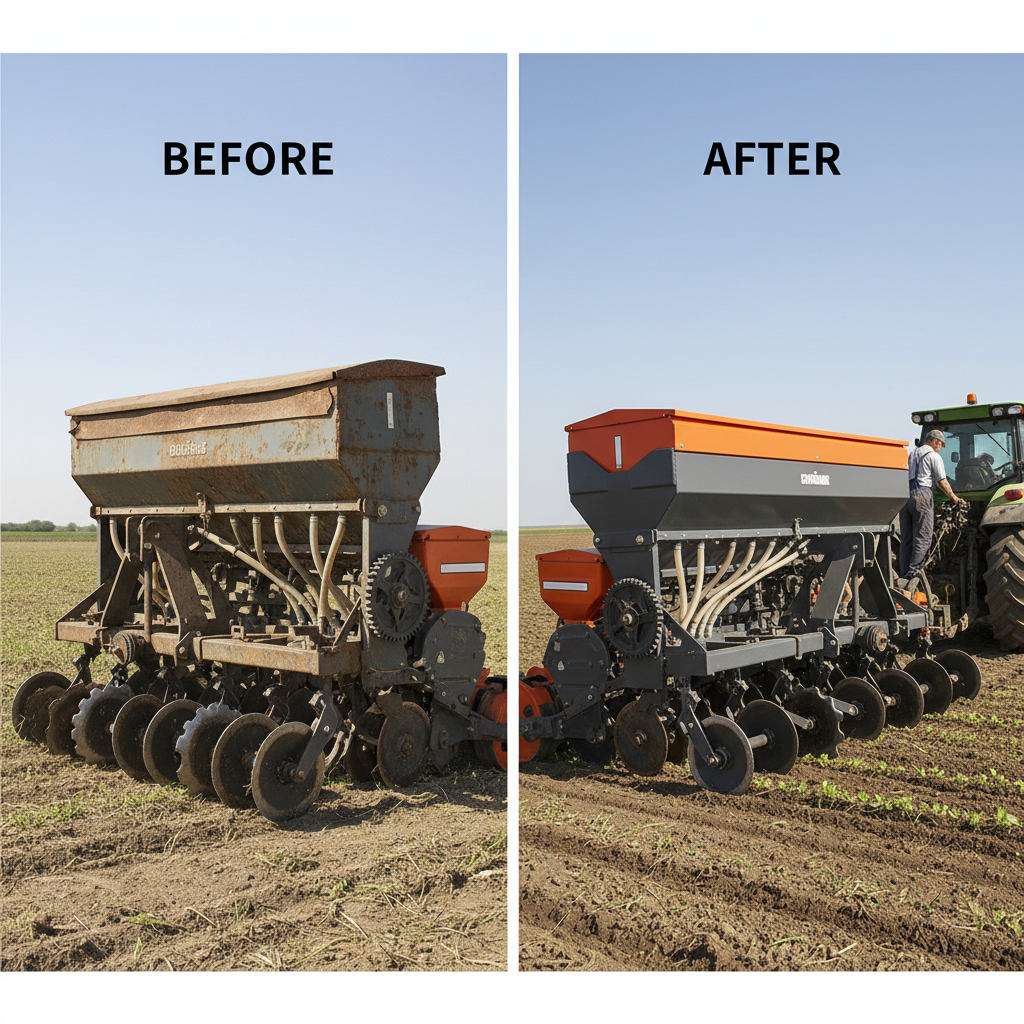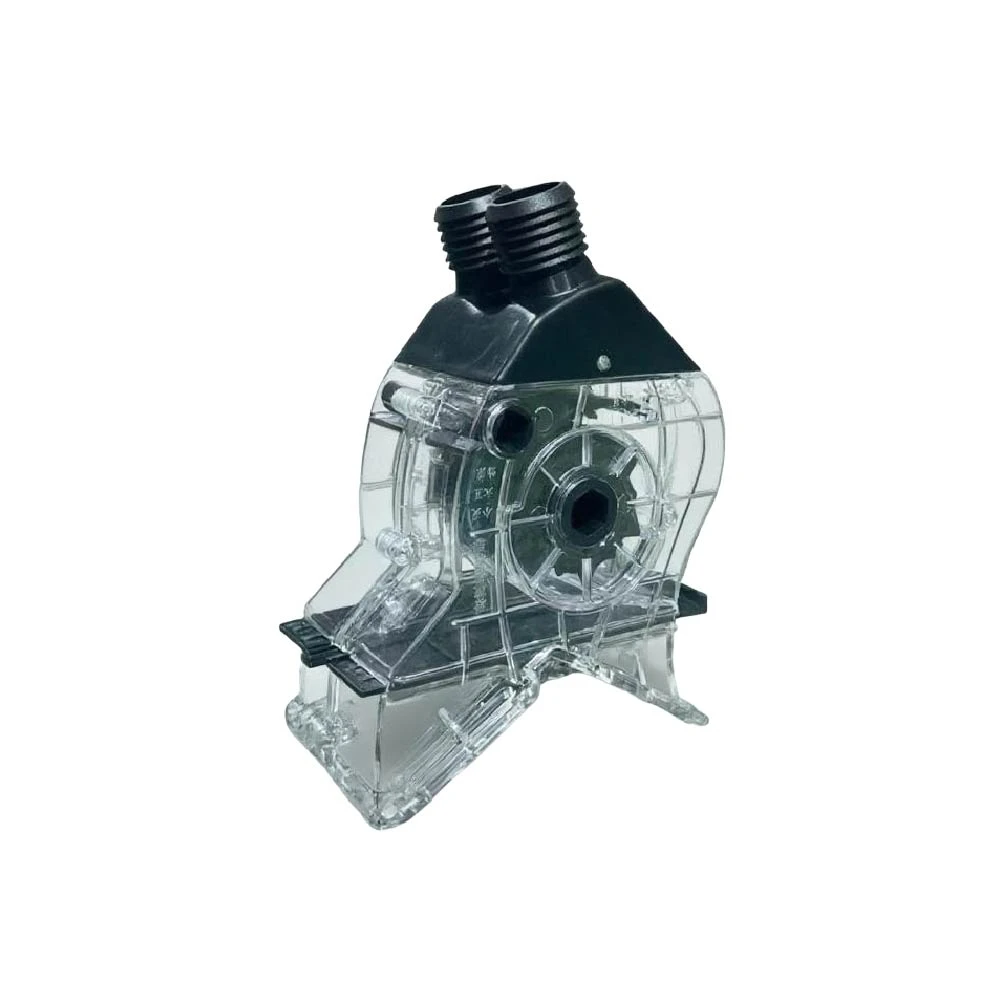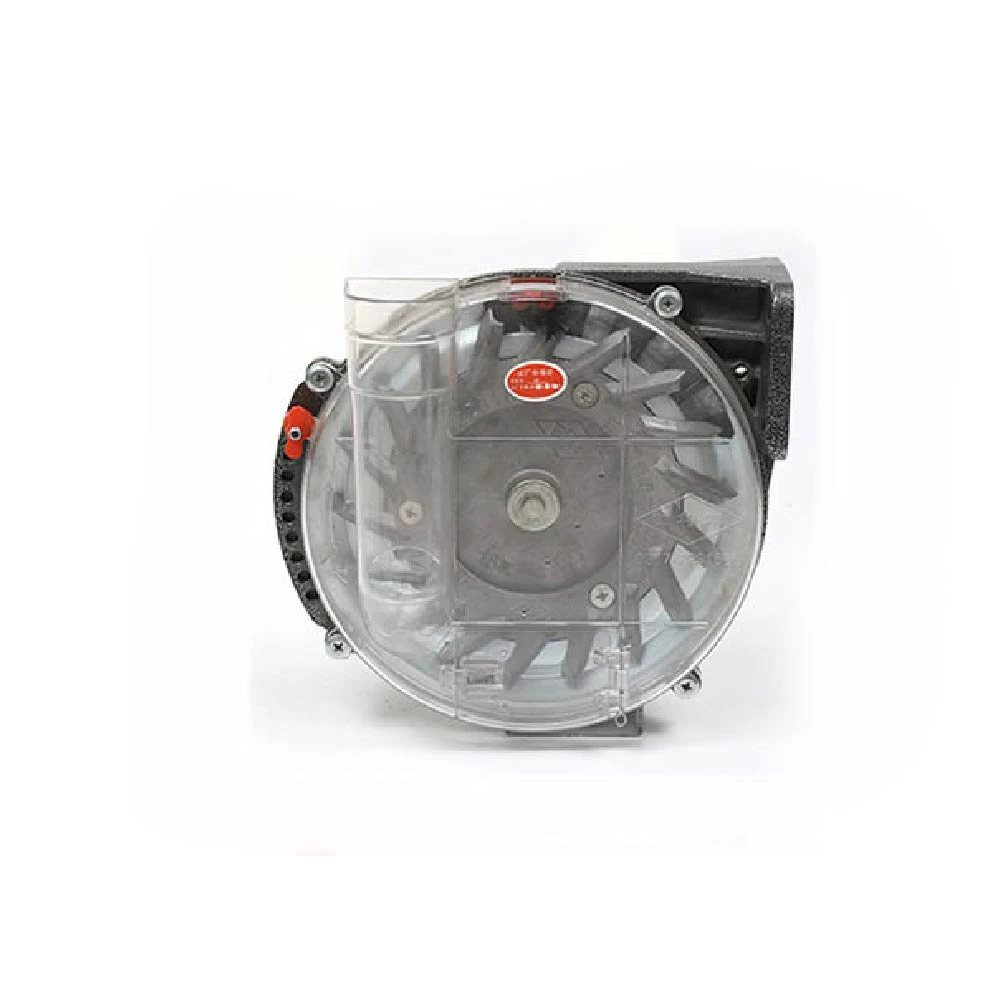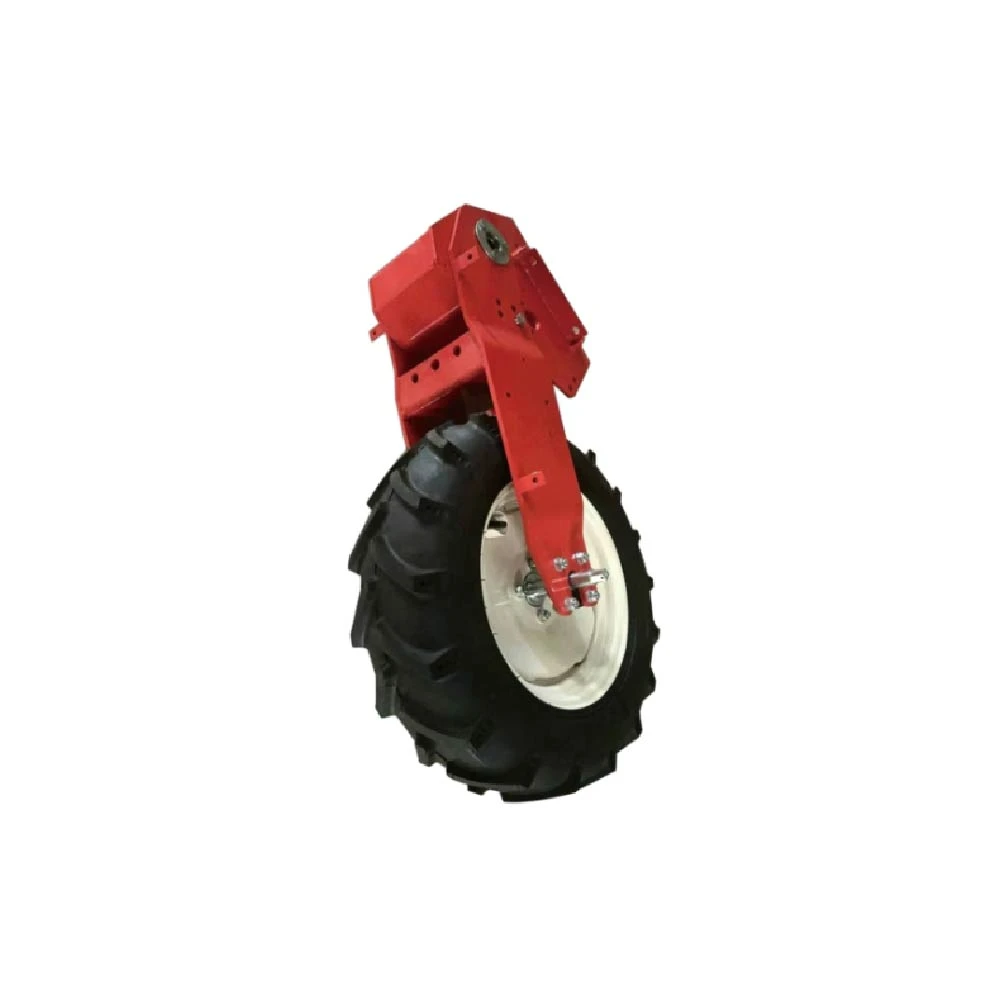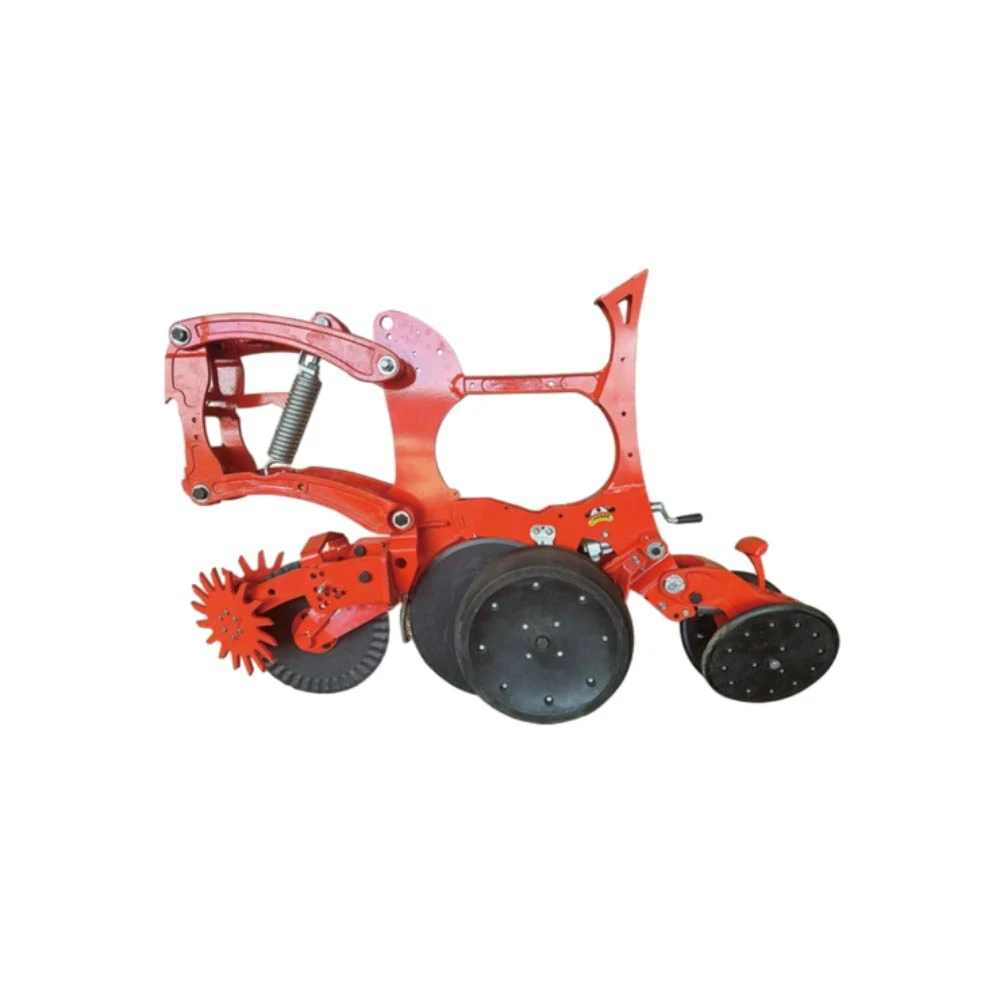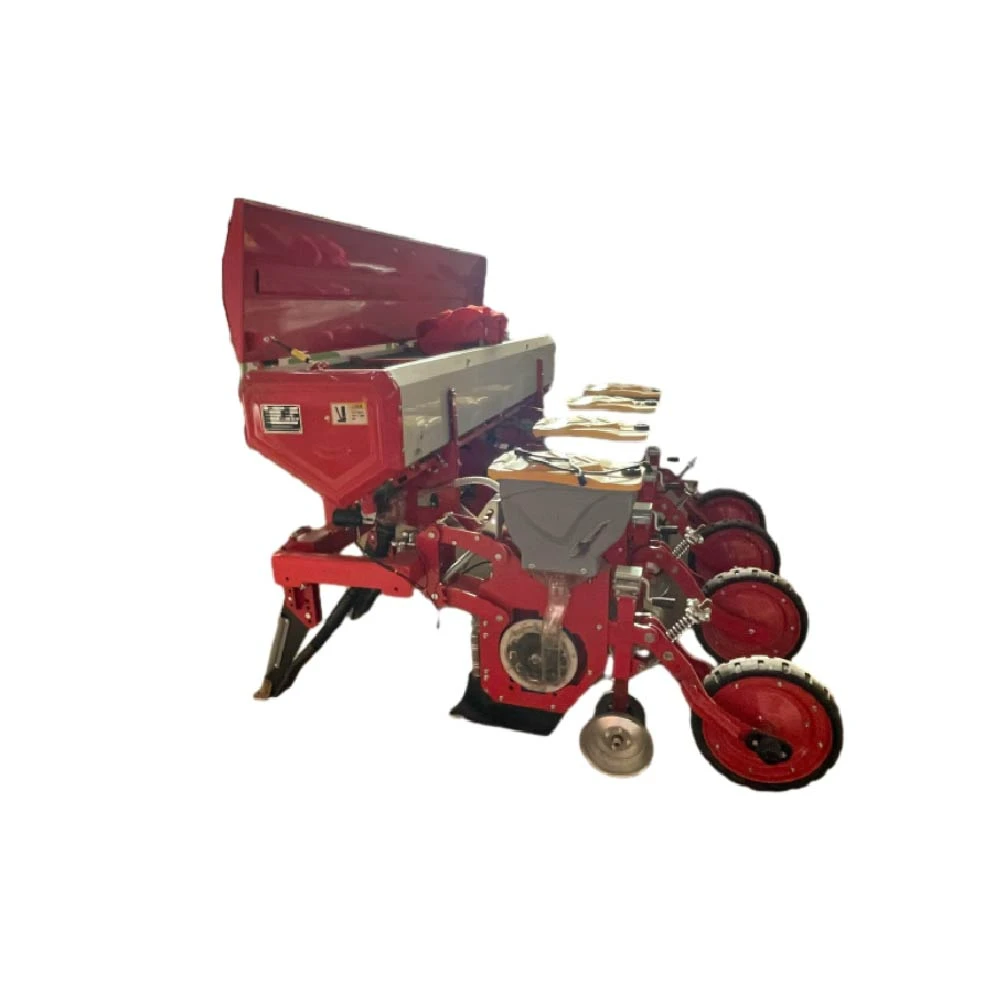

For farmers seeking to optimize their planting process and maximize yields, the cotton seeder machine is an invaluable investment. From small-scale operations to large commercial farms, these machines significantly reduce manual labor, ensure precise seed placement, and contribute to healthier, more productive cotton crops. This article explores the benefits, types, and key considerations when choosing a cotton seeder machine, providing a comprehensive overview for agricultural professionals. Selecting the right equipment is crucial for success, and understanding the nuances of these machines will help you make an informed decision.
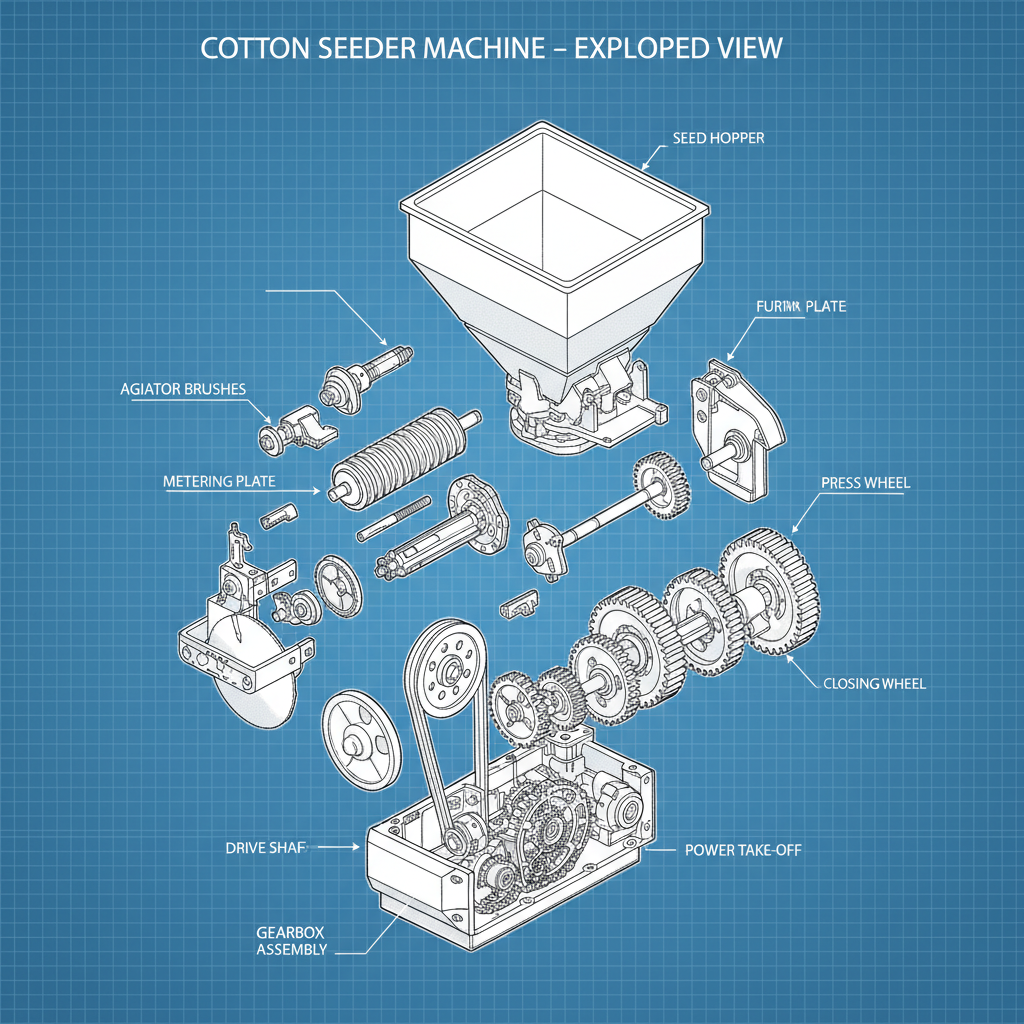
Traditional cotton planting methods are labor-intensive and can be prone to inconsistencies in seed spacing and depth. A cotton seeder machine addresses these challenges by providing accurate and efficient seed distribution. This leads to improved germination rates, reduced seed waste, and ultimately, higher yields. Furthermore, it reduces reliance on manual labor, freeing up valuable resources for other essential farming tasks. The machines available today offer various features, including adjustable seed rates, row spacing options, and even precision planting capabilities utilizing GPS technology. Choosing the right machine can significantly streamline your planting operations and improve profitability.
Key Benefits: Reduced labor costs, increased planting accuracy, improved germination rates, optimized seed usage, and higher potential yields.
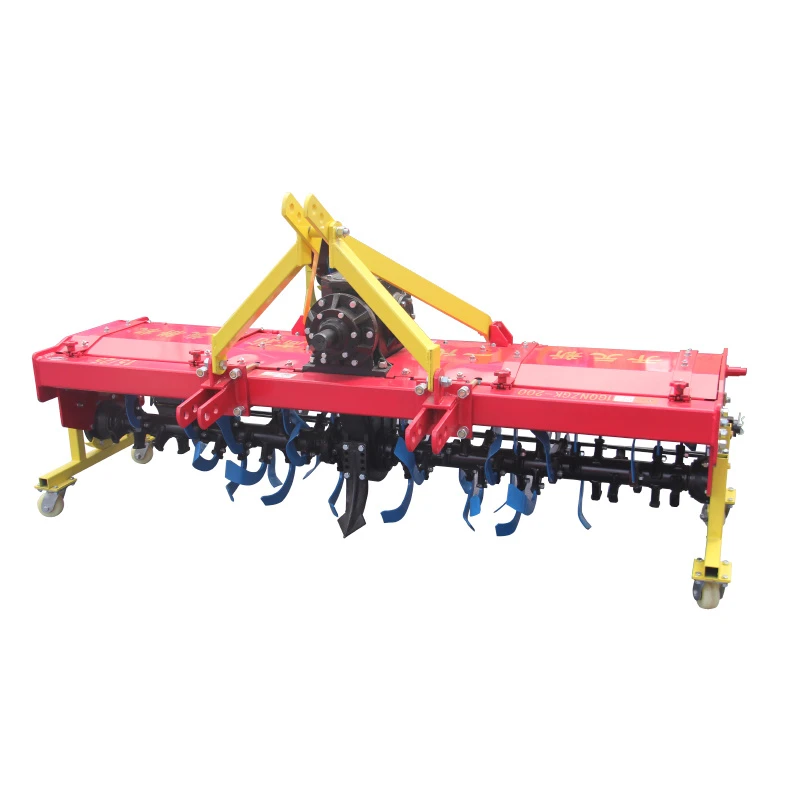
Cotton seeder machines come in several configurations, each suited to different farm sizes and operational needs. The most common types include:
Modern cotton seeder machines are increasingly incorporating precision planting technologies. These advancements, such as GPS guidance and variable rate seeding, allow farmers to optimize seed placement based on soil conditions and topography. Variable rate seeding adjusts the seed rate based on real-time data, ensuring optimal plant density and maximizing yield potential across the entire field. This targeted approach minimizes seed waste, reduces input costs, and promotes more sustainable farming practices. Utilizing these technologies is a critical step towards maximizing profitability and minimizing environmental impact.
Precision Planting Benefits:
• Optimized seed placement based on soil conditions
• Maximized yield potential
• Reduced seed waste
• Improved resource efficiency
Selecting the ideal cotton seeder machine requires careful consideration of various factors. Here’s a comparison of different types, highlighting their strengths and weaknesses:
When investing in a cotton seeder machine, consider these crucial factors: farm size, budget, desired level of precision, soil type, and available maintenance support.
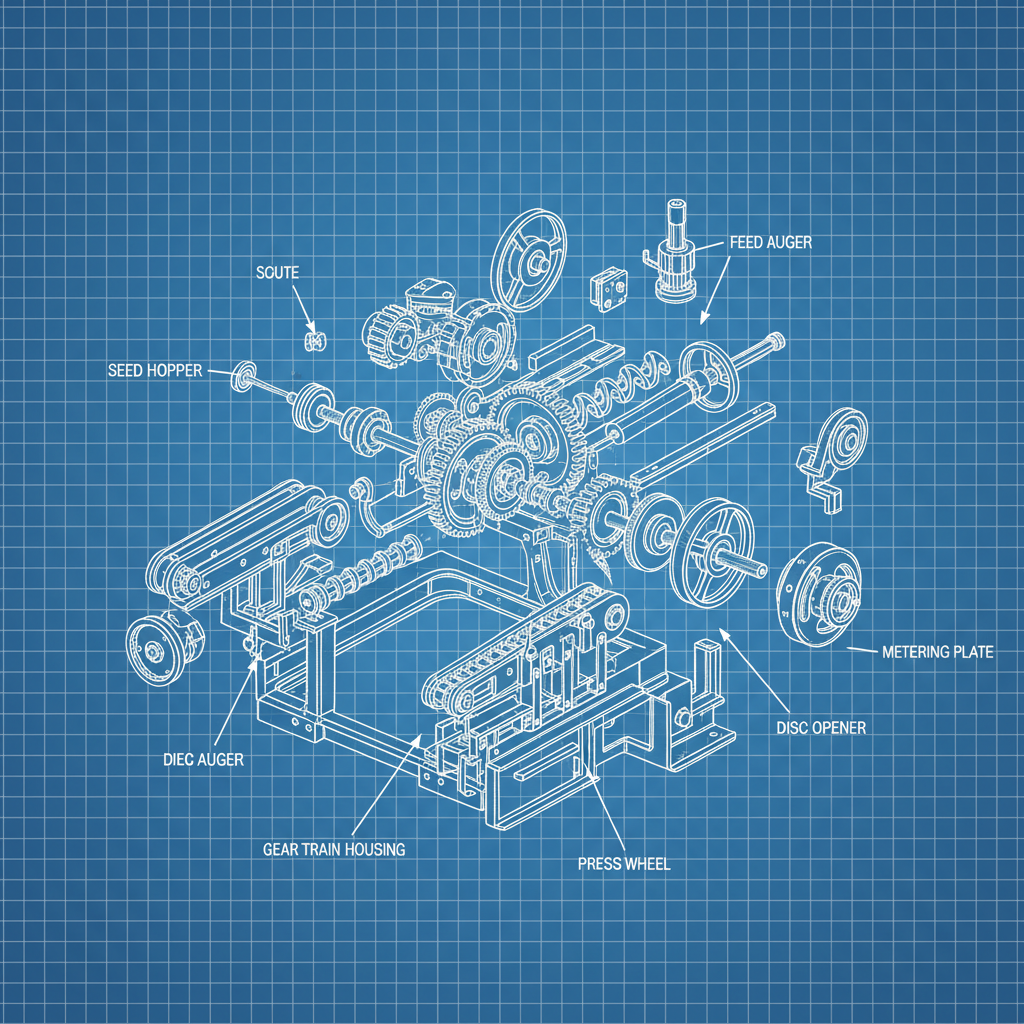
Investing in a quality cotton seeder machine is a strategic move for any cotton farmer. By improving planting accuracy, reducing labor costs, and maximizing yields, these machines offer a significant return on investment. Choose wisely, considering your specific needs and the support offered by the supplier. Langningam is your trusted partner in achieving optimal cotton harvests.
Regular maintenance is crucial for ensuring the longevity and optimal performance of your cotton seeder machine. This includes cleaning the seed metering system after each use, lubricating moving parts, inspecting belts and chains for wear, and checking calibration settings. It’s important to follow the manufacturer's guidelines for specific maintenance procedures. Annual inspections by a qualified technician are also recommended to identify and address potential issues before they become major problems. Proper maintenance will significantly reduce downtime and extend the life of your investment.
The optimal seed rate depends on several factors, including the cotton variety, soil type, planting date, and desired plant population. Generally, higher seed rates are used in favorable growing conditions to maximize yield potential, while lower rates are used in less ideal conditions to reduce competition for resources. Soil type also plays a role; sandy soils may require higher seed rates than heavier clay soils. Refer to your seed supplier’s recommendations for specific seed rate guidelines for your chosen variety and growing conditions.
Some cotton seeder machines, particularly row crop seeders, can be adapted for planting other crops such as soybeans, corn, or sorghum. However, this often requires changing the seed metering system and adjusting the row spacing. Not all machines are versatile enough for multi-crop planting. It’s essential to check the manufacturer’s specifications and compatibility before attempting to use a cotton seeder for other crops. Langningam offers a range of multi-crop seeders designed for maximum versatility.
With proper maintenance and care, a quality cotton seeder machine can last for 10-15 years or even longer. However, the lifespan depends on factors such as usage intensity, operating conditions, and the quality of the machine itself. Regular inspections, timely repairs, and adherence to the manufacturer’s recommendations are essential for maximizing the machine’s lifespan and ensuring its continued reliability.